Startup Strategy
Hiring for Culture Fit Clones Your Weaknesses
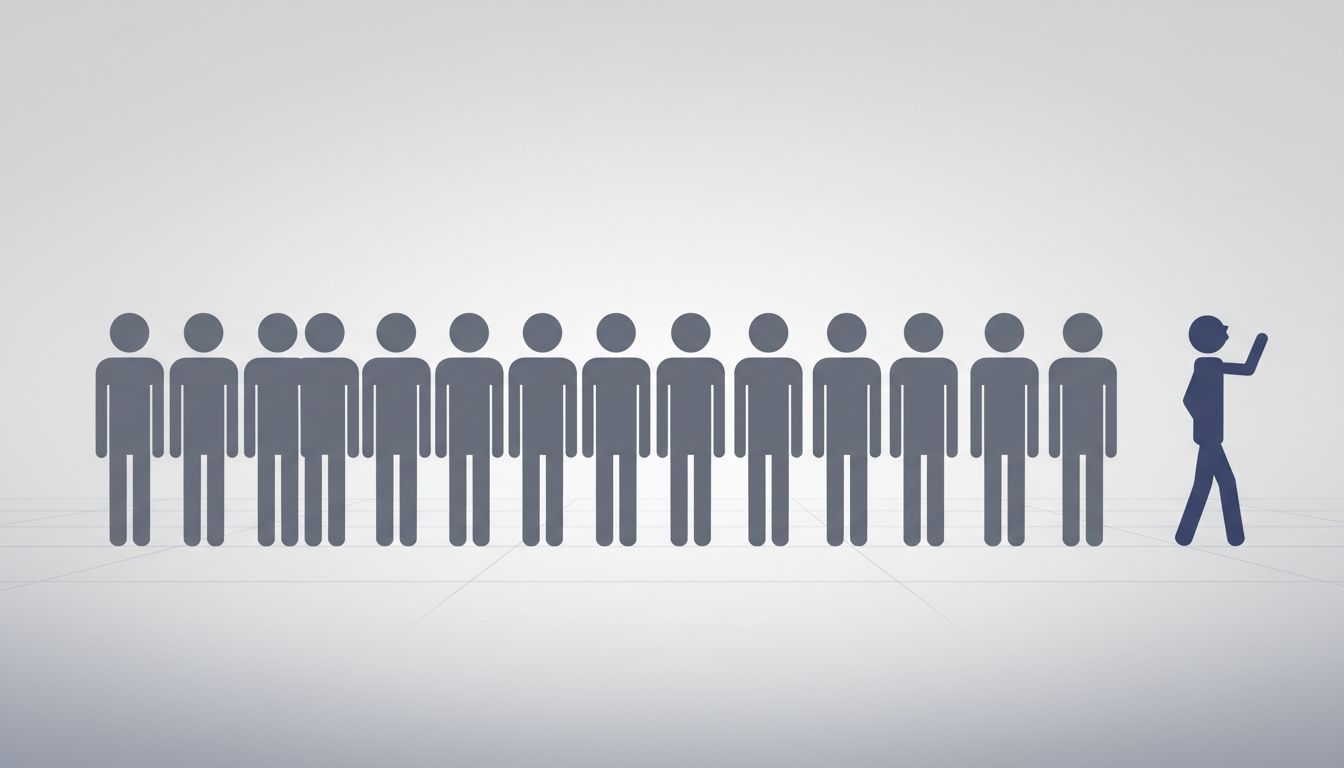
Every time you hire someone because they 'feel right,' you're probably just duplicating what's already broken. Culture fit is a trap dressed up as a virtue.
The playbooks, pivots, and decisions behind building and scaling startups.
Every time you hire someone because they 'feel right,' you're probably just duplicating what's already broken. Culture fit is a trap dressed up as a virtue.
Serial founders often stumble worse the second time around. The story of Evan Williams and Medium explains why experience can become a trap.

Before there's a product, there's still a transaction happening. Founders who understand what they're really selling in the early days close faster and build better.

Early customers save your startup. They can also trap it. The ones who believed in you before you were ready are not the same ones who will carry you to scale.

At the seed stage, investors aren't buying your product. They're buying a narrative about what the world will look like if you win.

Churned customers are uncomfortable to think about. They're also the most honest feedback you'll ever get — if you can stomach asking why they left.

Every feature feels critical until one kills your startup. Here's how to figure out which one to build when everything seems urgent.
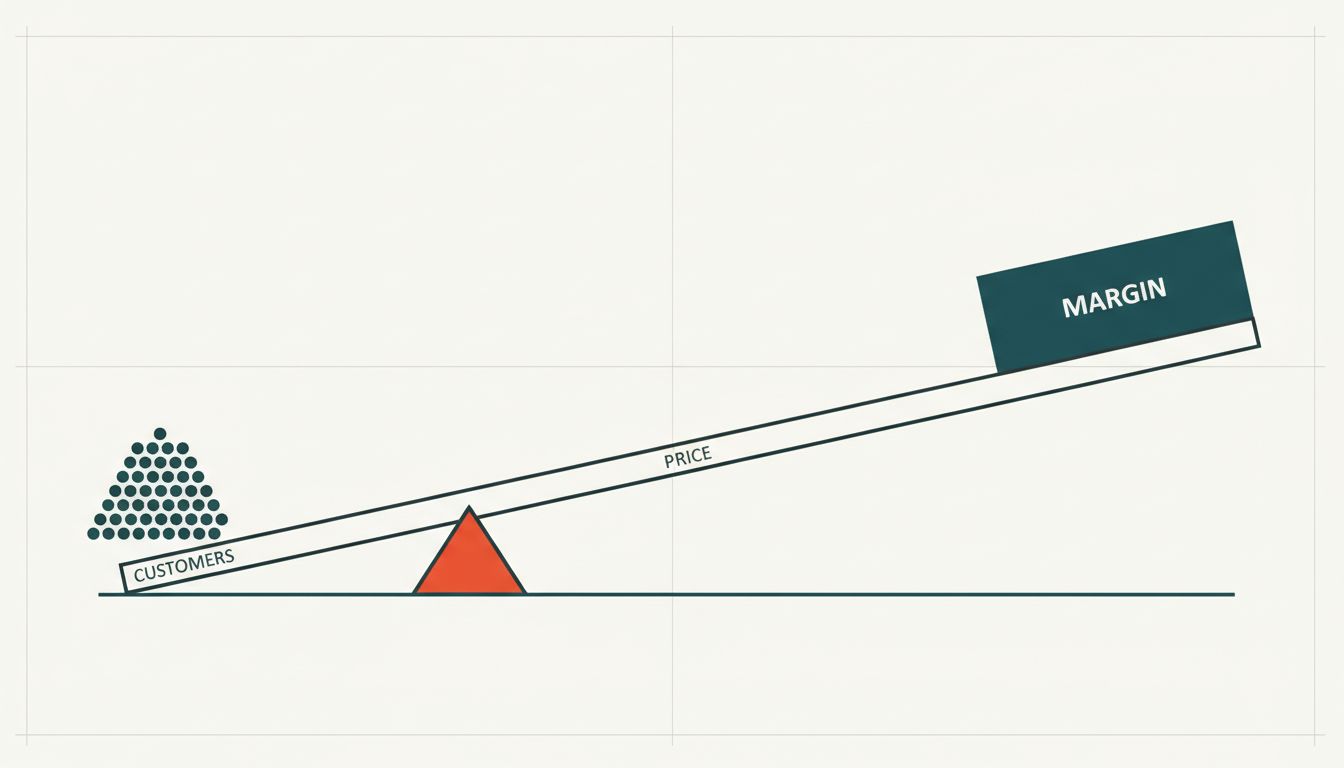
Founders get lectured constantly about underpricing. But sometimes the startup charging less than it could is playing a smarter game than anyone realizes.

Basecamp spent years building features for the wrong people. The story of how vocal complainers can quietly kill a product.

It's not your product. It's not even your idea. Here's what early-stage investors are really pricing when they write that check.

The moment a key customer becomes a competitor is a crisis hiding in plain sight. Most founders see it too late, and respond wrong.
Most failed startups didn't have wrong ideas. They had right ideas, executed at the wrong scale, at the wrong time.
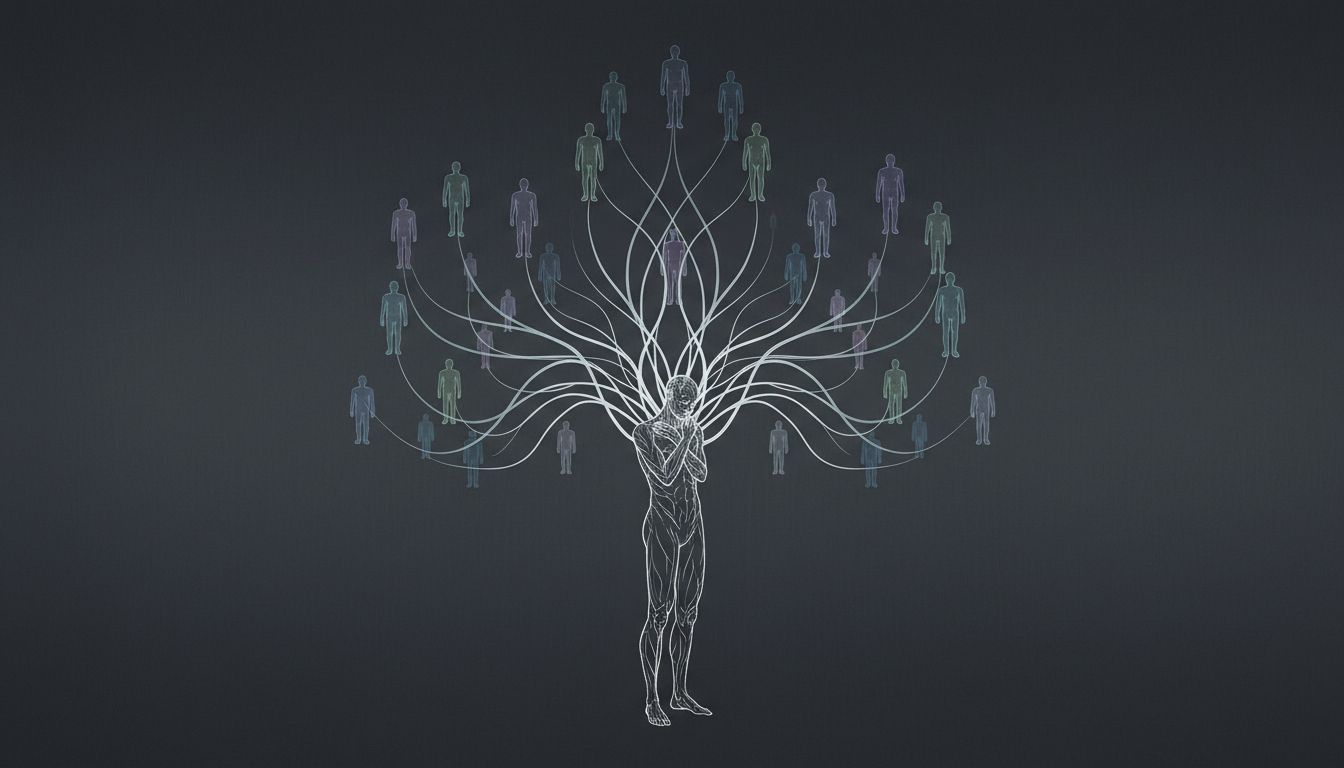
Founders obsess over product decisions. The hire that actually determines company trajectory gets maybe a week of consideration.

Homejoy burned through $38M optimizing the wrong metric. The number that actually predicts startup survival isn't how fast you spend — it's what you're buying with each dollar.
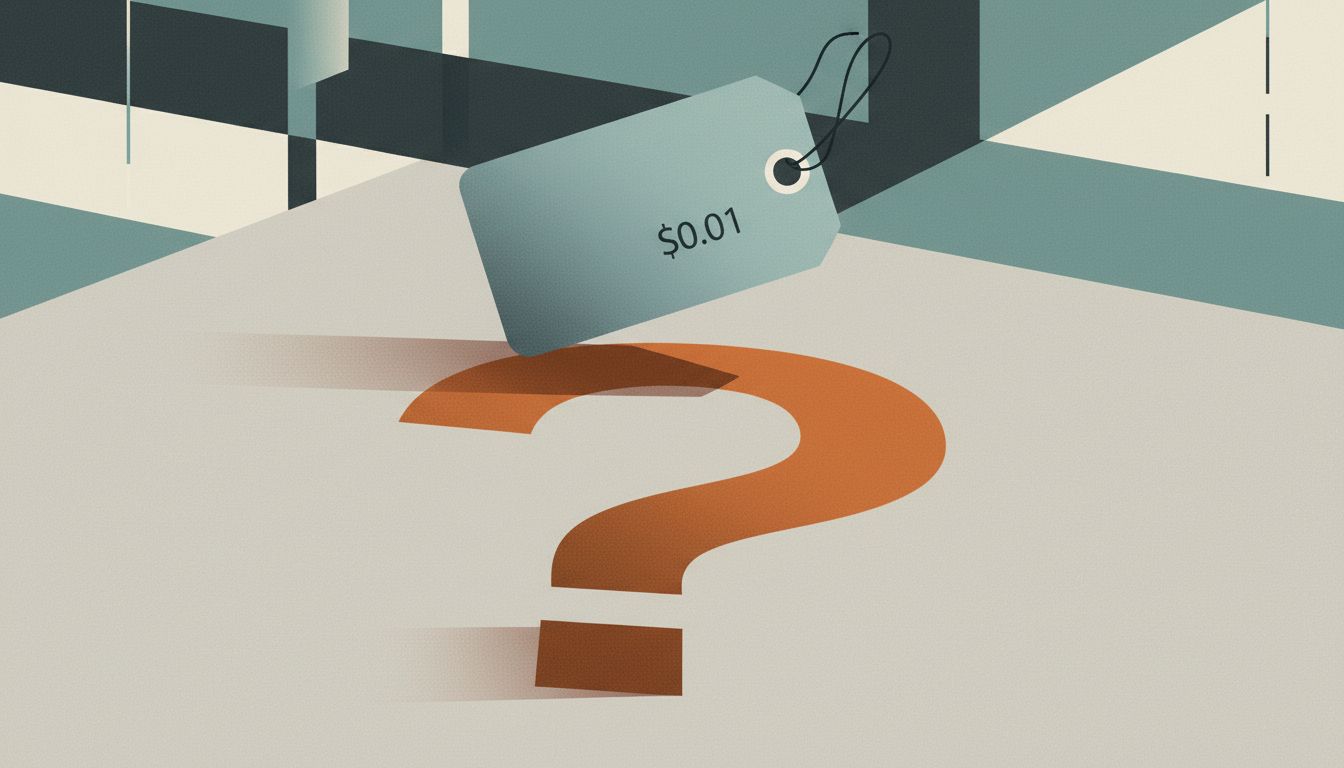
Cheap pricing feels safe for new founders. It's often the thing that makes buyers walk away.
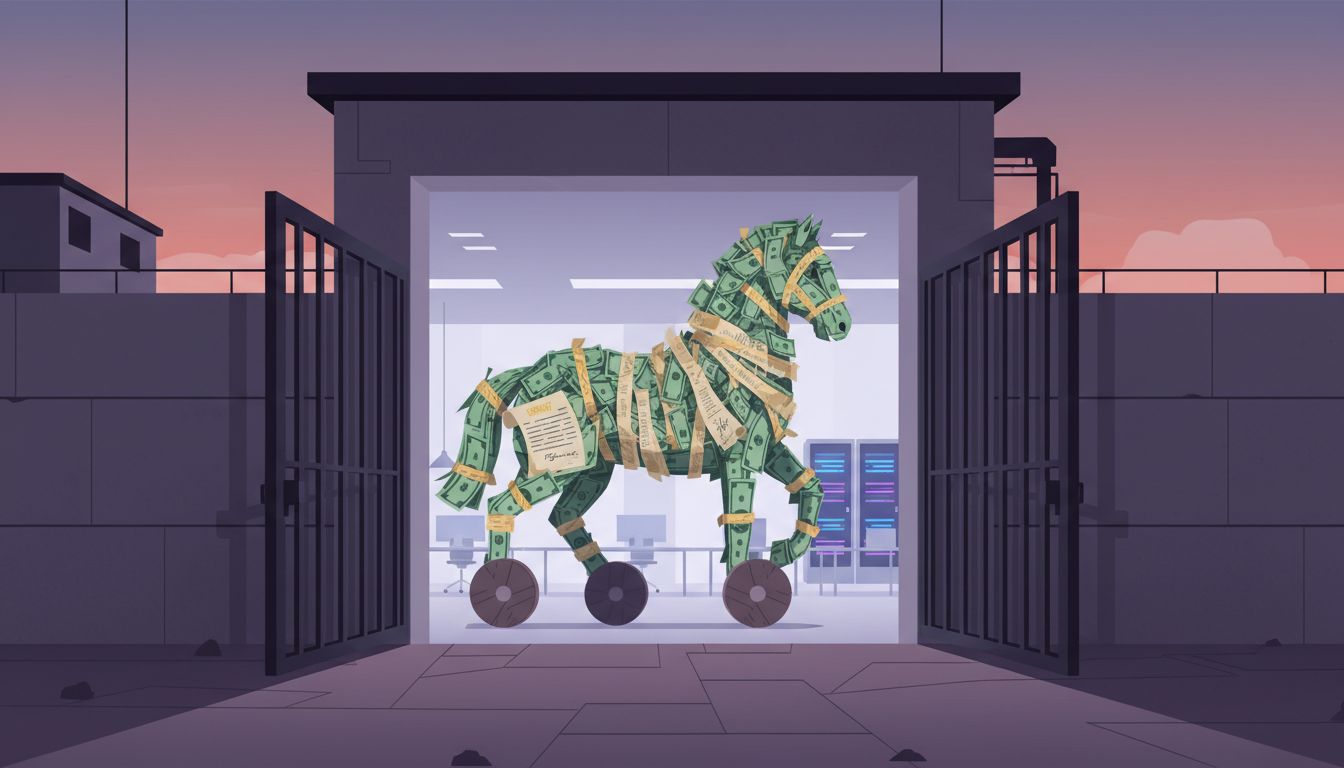
Every successful startup has a story about the customer they almost built for instead of the customer who actually mattered. Here's what that mistake looks like in practice.

Everyone obsesses over who joins a startup first. The hire that actually determines your trajectory is usually the one after that.
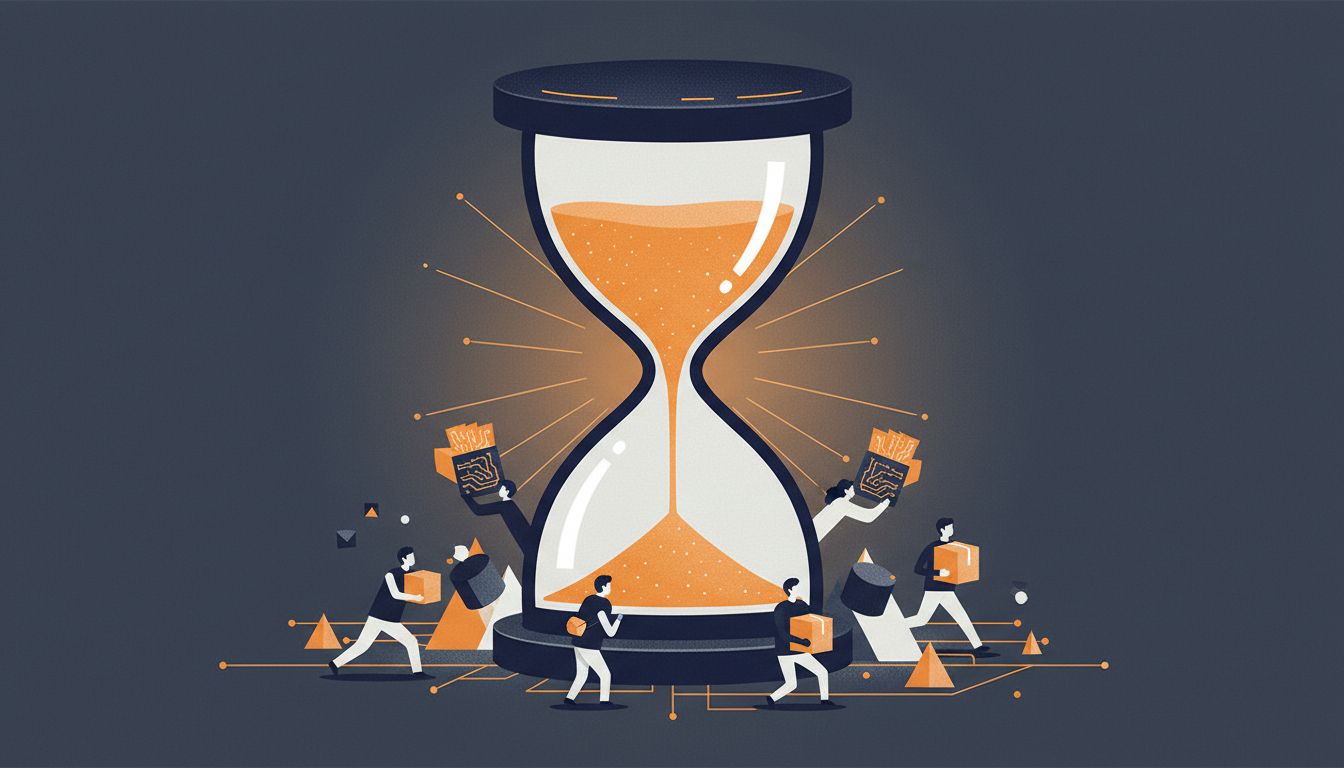
When a startup runs out of money, founders obsess over their cap table and their team. Their customers are an afterthought. That's a moral failure, not just a strategic one.
Join thousands of readers who get our weekly breakdown of the most important stories in technology.
Free forever. Unsubscribe anytime.