Tech Economics
Tech Giants Lose Money on Purpose to Win Markets and the Math Actually Works Out
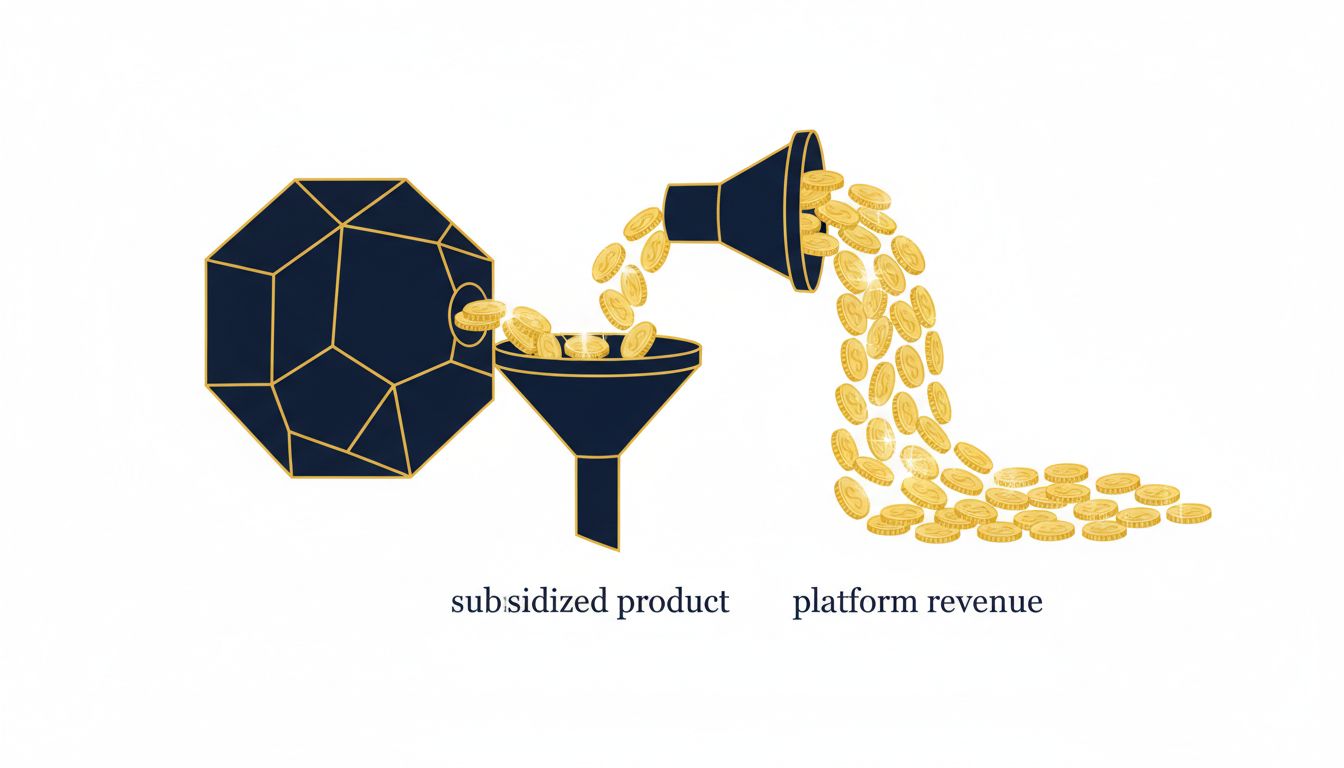
Platform subsidies let Amazon, Google, and Apple sell products below cost. The losses are intentional. The payoff is enormous.
The business models, market forces, and financial dynamics driving the tech industry.
Platform subsidies let Amazon, Google, and Apple sell products below cost. The losses are intentional. The payoff is enormous.

The real reason most digital transformations collapse has nothing to do with technology. It never did.

Planned obsolescence in software isn't a flaw or oversight. It's a carefully engineered revenue strategy hiding in plain sight.

How giants like Apple, Google, and Microsoft weaponize patents to strangle competitors before they even get started.
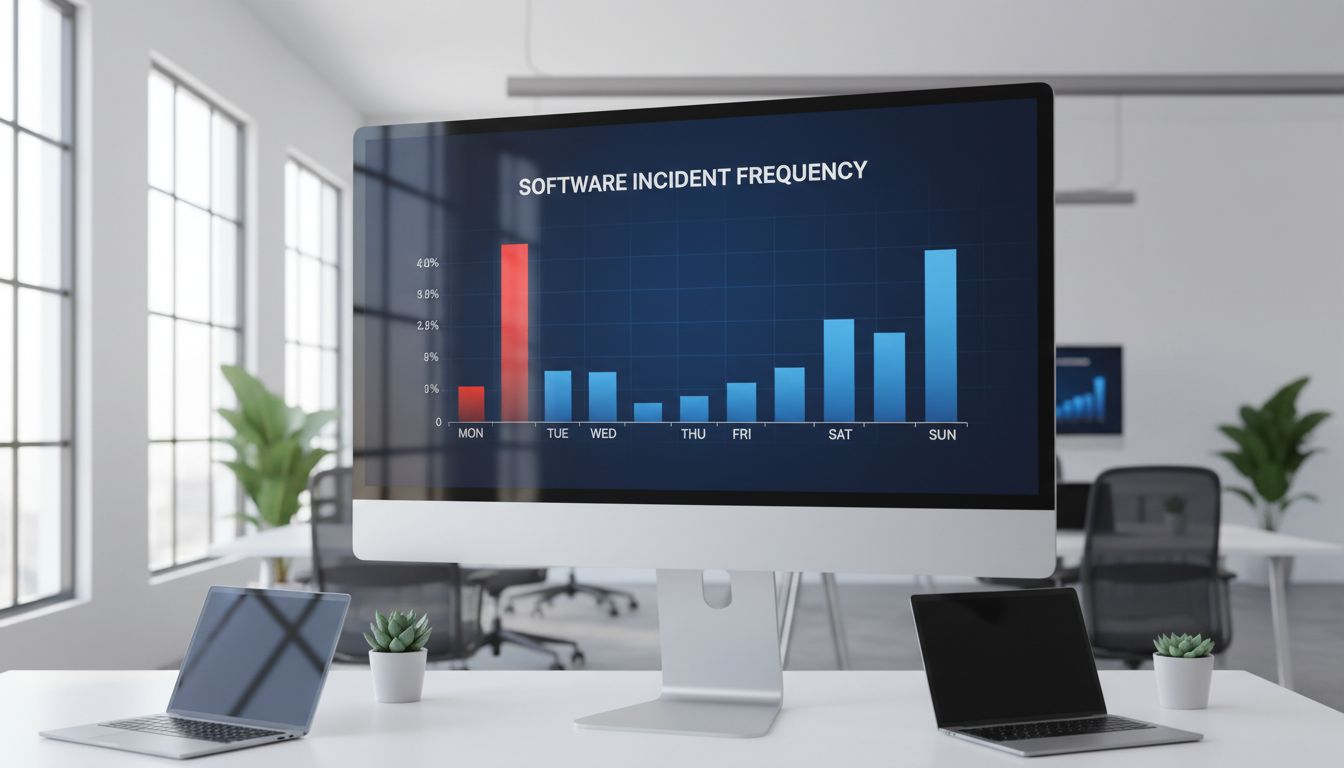
The Monday crash pattern is real, measurable, and almost entirely caused by human systems, not technical ones. Here's the economics behind it.

Losing money on purpose sounds like bad business. For the most profitable tech companies, it is their most reliable growth strategy.

The conventional wisdom has the causality backwards. Here's what's actually driving both tech compensation and urban housing costs simultaneously.

The most profitable tech businesses don't win by being better. They win by making leaving expensive enough that you never try.
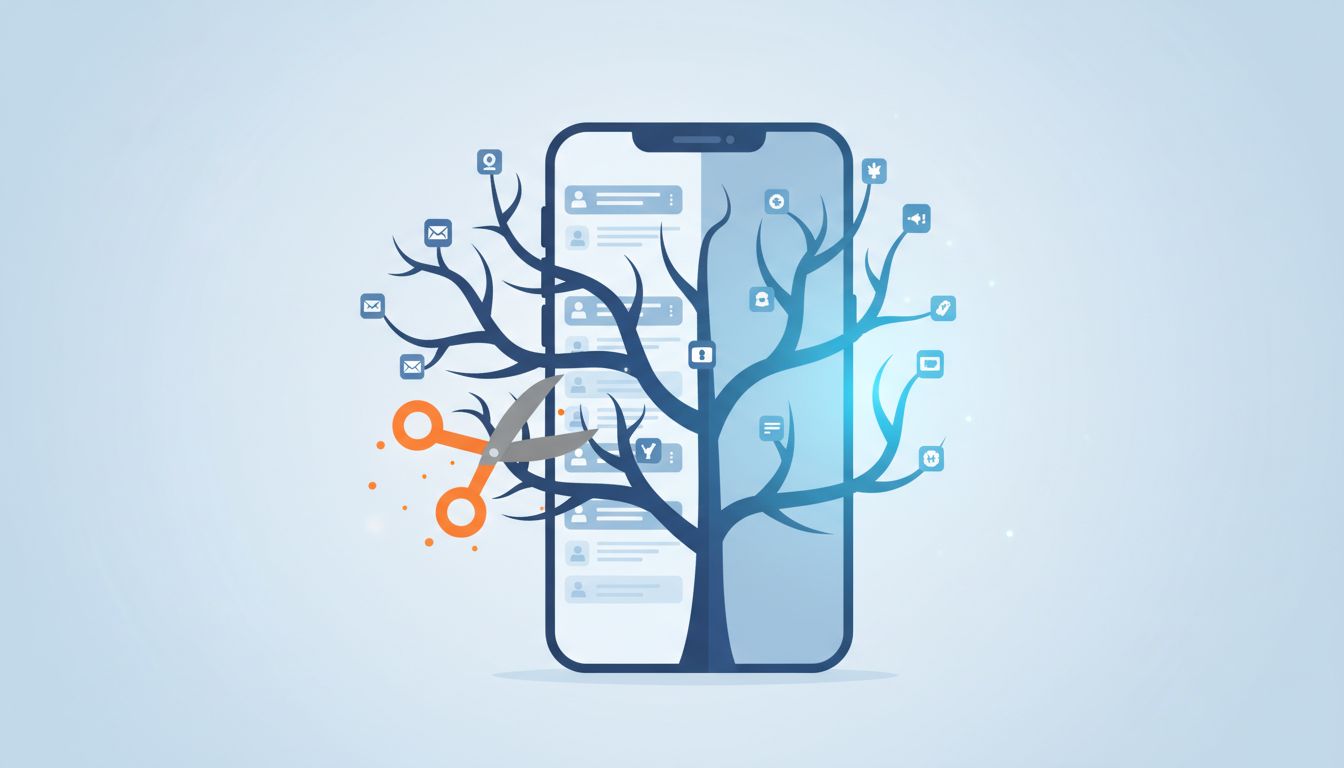
When a popular app strips out features users loved, it looks like a mistake. It rarely is. Here's the cold economic logic behind deliberate subtraction.

A 1% conversion rate isn't a failure in tech pricing strategy. For many products, it's the entire plan.

The graveyard of promising startups swallowed by Google, Meta, and Microsoft reveals a pattern that has nothing to do with incompetence.

The most powerful tech moats aren't built with better products. They're built before rivals even know a war has started.
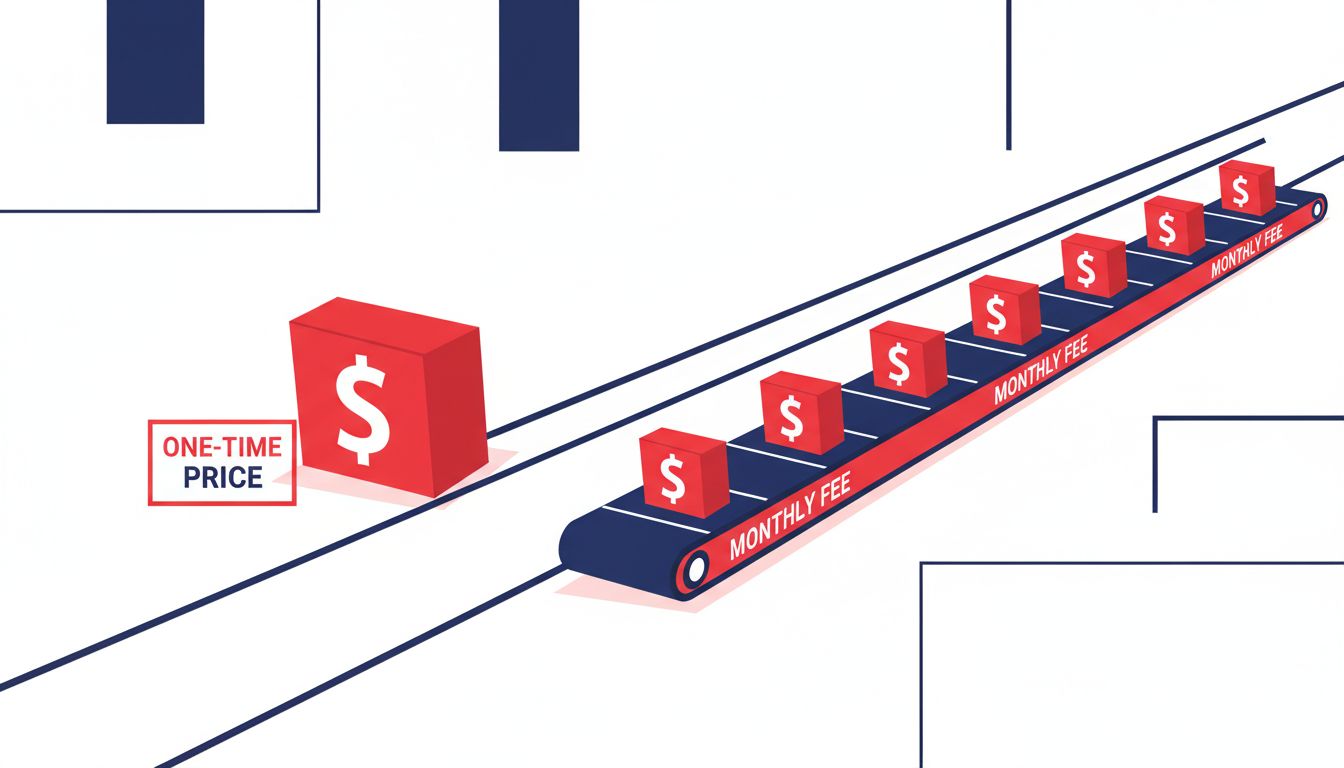
Subscriptions aren't just a pricing change. They're a fundamental restructuring of who owns the relationship between software and user.

Paying a $400K engineer to write a three-line script sounds absurd. It's actually one of tech's smartest competitive moves.

The economics of 'free' software are counterintuitive and brutal. Building an app that charges nothing up front costs far more than one that doesn't.

The wage gap between engineers and support staff isn't a bug in tech culture. It's the entire business model.
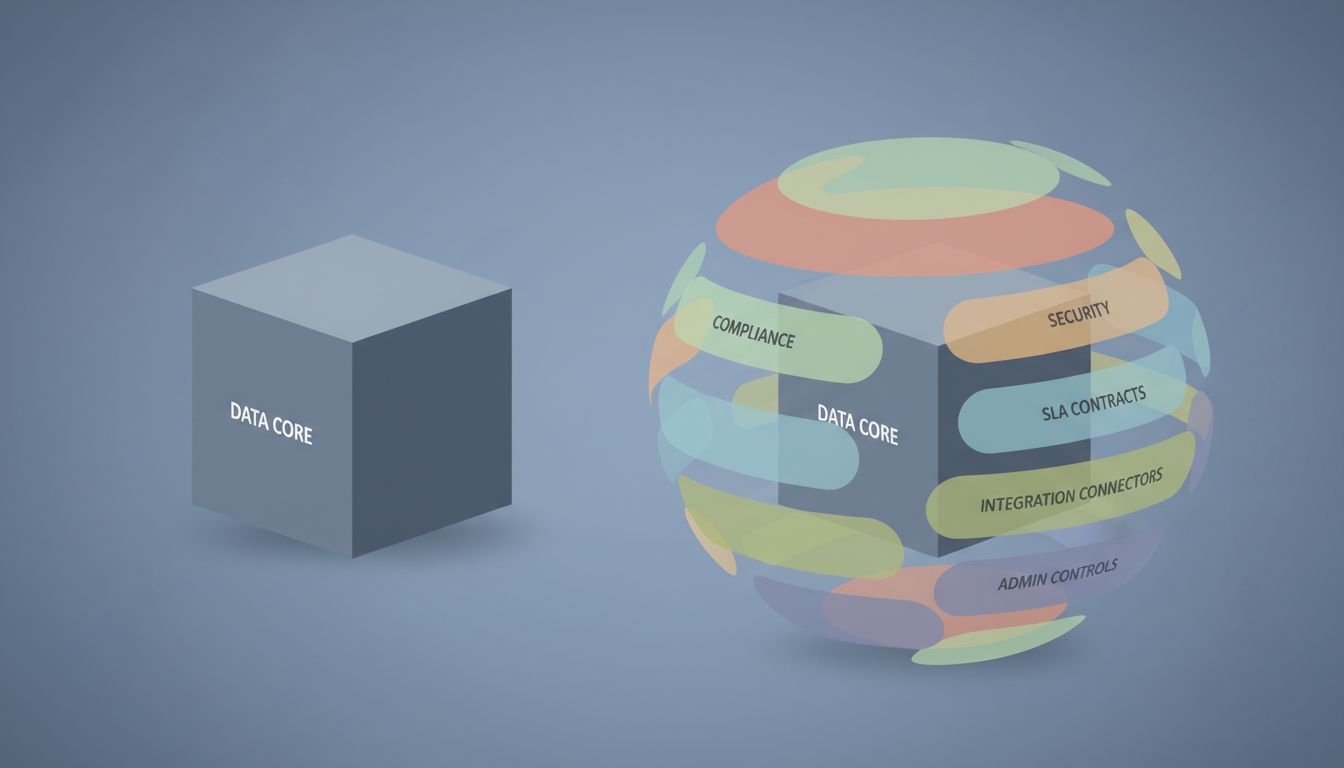
The price gap between Slack and its enterprise tier isn't irrational. It reflects real structural costs that most buyers never see.
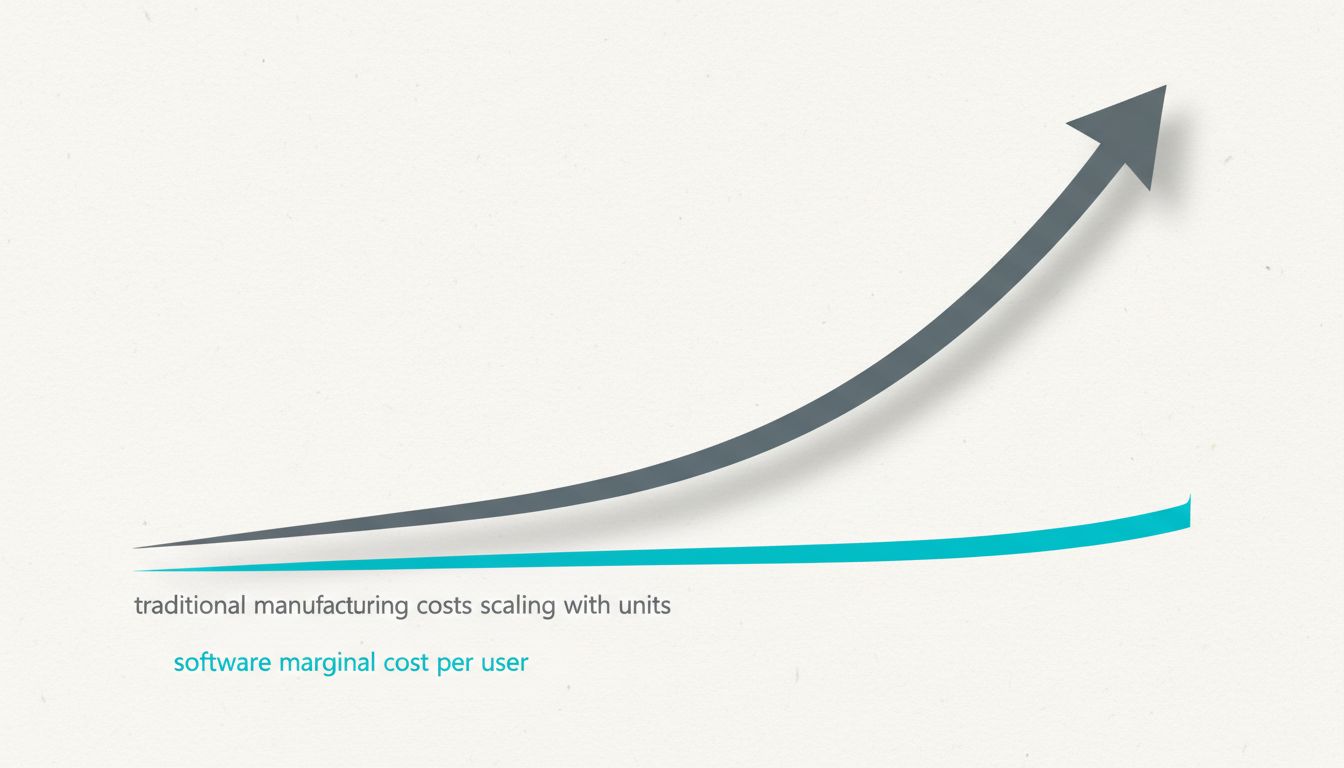
Spotify doesn't sell music. It sells access. The economics of that distinction explain why software companies can be worth more than the industries they serve.
Join thousands of readers who get our weekly breakdown of the most important stories in technology.
Free forever. Unsubscribe anytime.