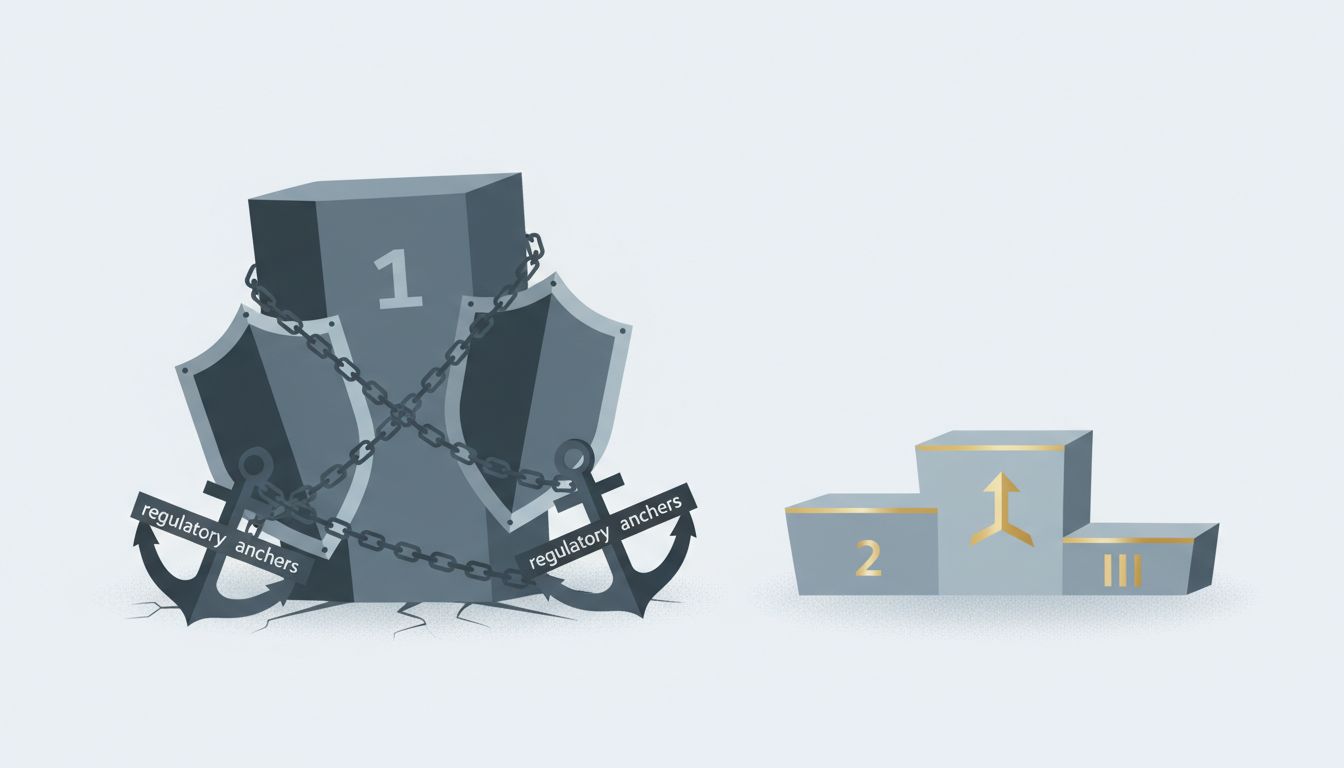
Tech Economics
Why Being Second in Tech Is Often the Better Business
Market leaders spend enormous resources winning dominance. Their closest rivals collect the profits. Here's the structural reason why.
The business models, market forces, and financial dynamics driving the tech industry.
Market leaders spend enormous resources winning dominance. Their closest rivals collect the profits. Here's the structural reason why.

Forgotten code written by engineers who retired decades ago is quietly keeping hospitals, power grids, and financial systems alive. That should worry everyone.

Picking the mid-range cloud tier feels prudent. In practice, it combines the worst cost properties of both ends of the pricing ladder.

Hiring on salary is a trap. The real cost of an engineer is what they don't build, what they break, and how long they stay.

Being first sounds like an advantage. The data says otherwise. Here's the structural reason why followers beat pioneers more often than startup mythology admits.
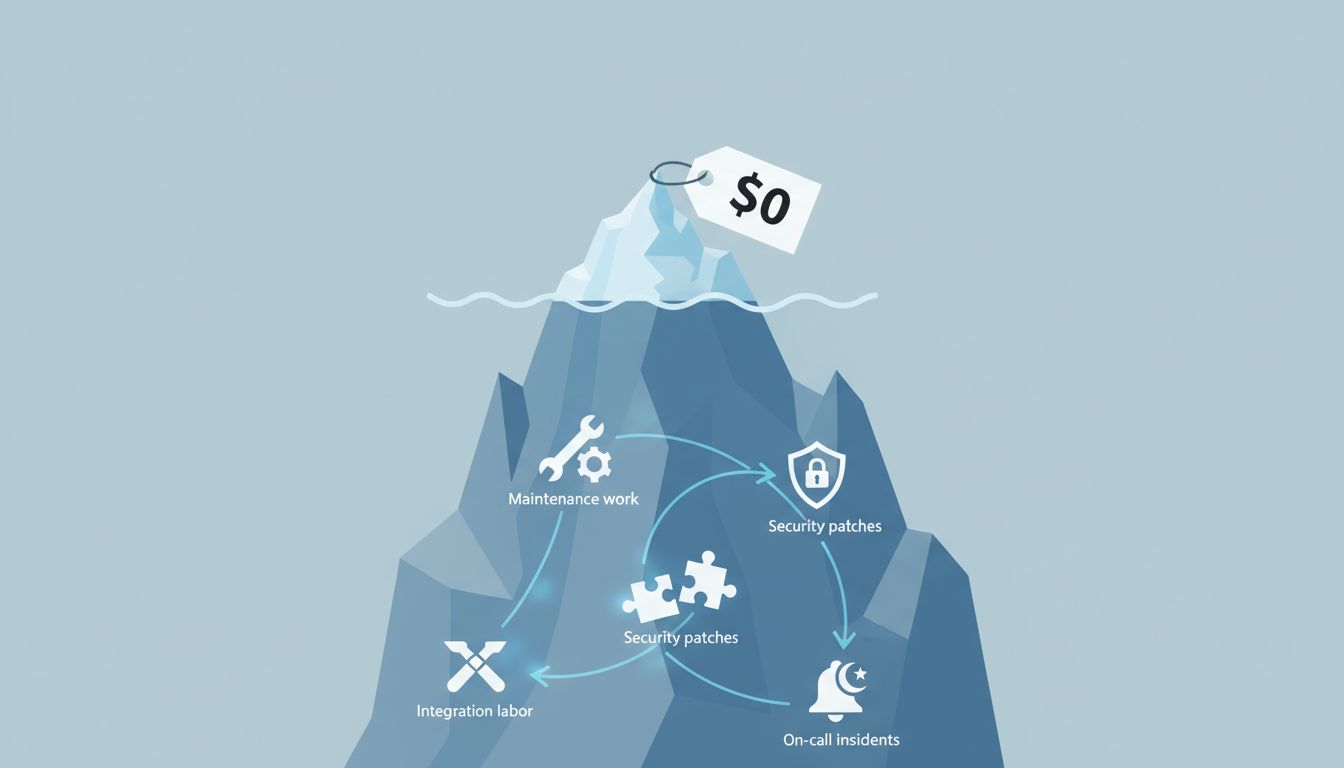
The download costs nothing. The total cost of ownership is a different conversation entirely.

The logic of picking a mid-tier cloud option seems sound. The math usually isn't. Here's why the gap between sticker price and actual cost is widest right in the middle.

Legacy systems don't announce their cost. They accumulate it quietly, line by line, until maintenance owns your engineering budget.

The 10x engineer is real. The assumption that they make teams faster is not. Here's what actually happens when you bring one in.

The math on engineering headcount looks simple until you account for coordination. The real cost of a new hire isn't salary — it's what they do to everyone else.

The infrastructure underneath nearly every tech company was built by volunteers. The companies profiting from it have quietly decided that's someone else's problem.

Your startup got acquired for less than it raised. Here's the uncomfortable math that explains why your equity might be worth exactly nothing.

The software industry has built a trillion-dollar economy on volunteer labor. That's not a model. It's a debt that keeps growing.

Sticker price is the least important number in a cloud procurement decision. The real costs hide in egress fees, migration lock-in, and the engineering hours nobody budgets for.
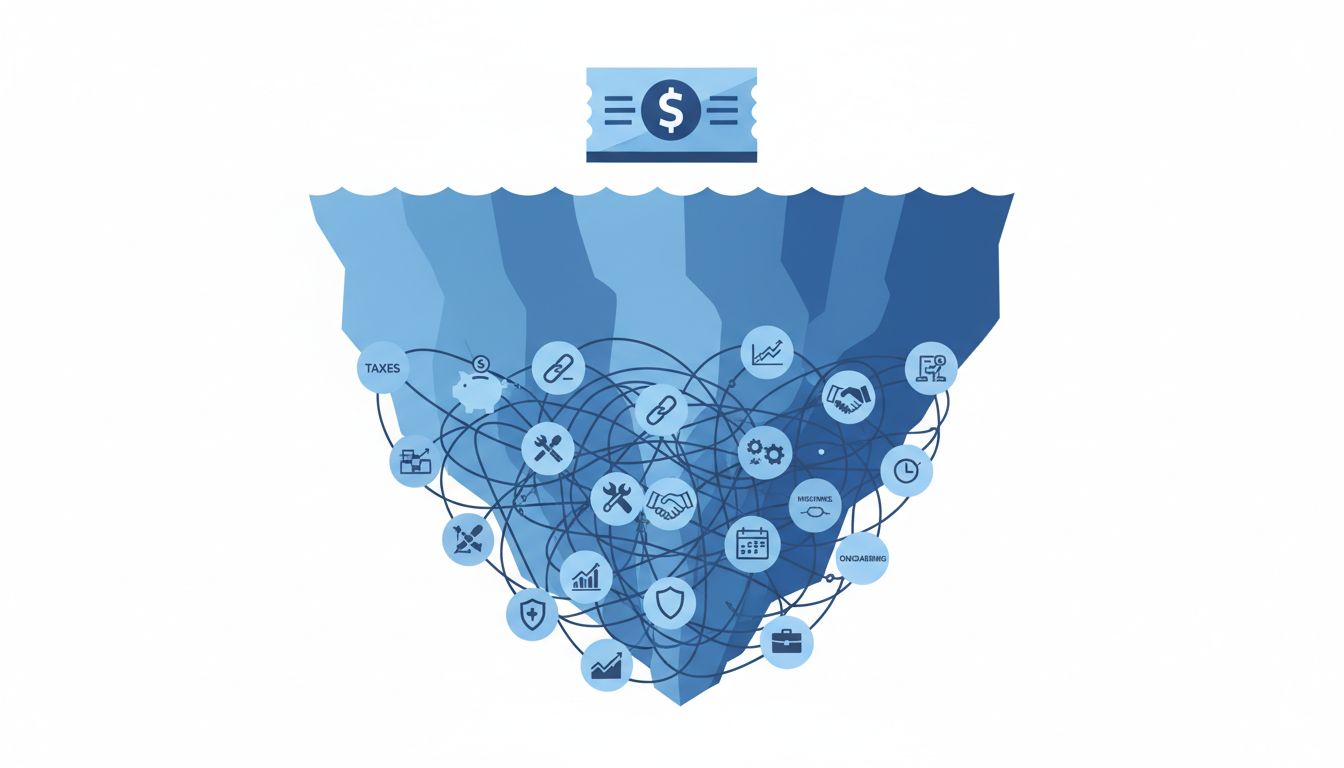
Companies routinely underestimate engineer costs by 40-60%. The salary is visible. The rest is a blind spot that compounds over time.

Being first sounds like an advantage. The data says otherwise. Here's what actually happens when a pioneer clears the path for someone smarter.

That 30% price difference between US-East and a cheaper region looks great in a spreadsheet. Then reality shows up.

One boilerplate contract clause routinely caps vendor liability at a year's subscription fees. Buyers rarely notice until something catastrophic happens.
Join thousands of readers who get our weekly breakdown of the most important stories in technology.
Free forever. Unsubscribe anytime.