
The simple version
If a stranger will hand you money for something that doesn’t exist yet, you have real evidence of demand. If they won’t, no amount of survey responses or enthusiastic LinkedIn comments will change what that means.
Why builders get this backwards
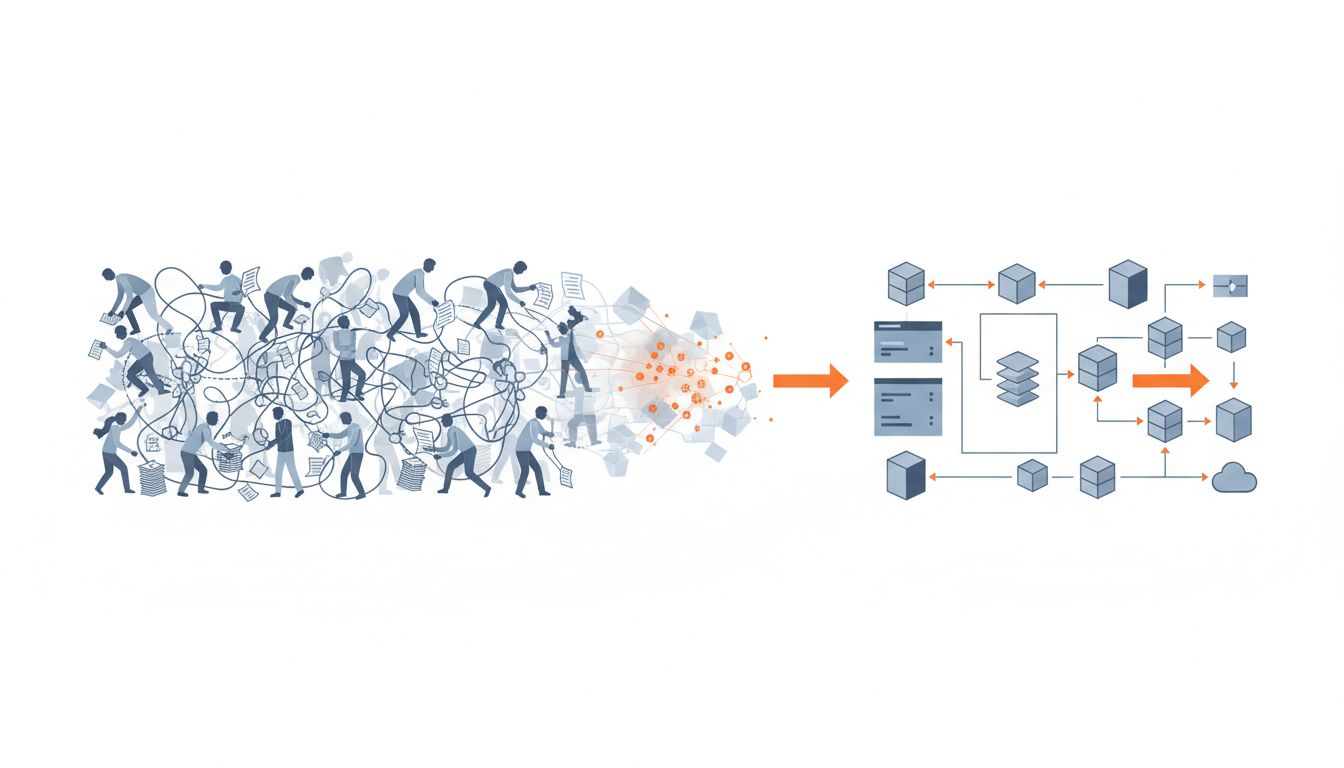
I watched a founder spend eight months building a project management tool for independent contractors. He interviewed dozens of people. He got positive feedback on every wireframe he showed. He launched to a waiting list of 400 people and converted eleven of them to paying customers.
He was not unlucky. He was operating on a flawed theory of validation. The interviews told him people had the problem. The wireframe reactions told him people liked his proposed solution. Neither of those things told him what he actually needed to know: whether anyone valued the solution enough to pay for it before it existed.
This is the trap. Feedback is cheap to give. Money is not. When you separate those two moments, you are measuring two completely different things.
What pre-selling actually tests
Pre-selling (charging customers before the product is built, usually with a clear timeline and refund policy) forces a specific question to the surface: is this problem urgent enough, and is your framing of the solution credible enough, that someone will transfer funds today?
That question has several components, and each one is useful:
The urgency test. Many people have problems they’d theoretically like solved. Far fewer have problems they need solved badly enough to pay now. Pre-selling filters for the second group. If you can only find the first group, you probably have a vitamin, not a painkiller.
The credibility test. When someone pays for something that doesn’t exist, they are betting on you. They are evaluating your track record, your explanation of what you’re building, your refund terms, and your apparent competence. If you can’t get a single person to make that bet, you have a positioning or trust problem that would follow you past launch anyway.
The scope test. This is the underrated one. When you take someone’s money and make a promise, you are forced to define what you are actually building. Vague ideas collapse under the weight of a real commitment. Founders who pre-sell often discover that articulating the product clearly enough to sell it reveals exactly which features matter and which ones were just noise they’d been hiding behind.
The companies that got famous doing this
Kickstarter made pre-selling culturally legible for consumer products, but the pattern runs deeper than crowdfunding. Pelican, the software company behind podcast hosting platform Transistor, built early revenue by selling lifetime access plans before the product was finished. The founders used that early cash not just to fund development but to stay in direct contact with their first customers, which shaped the product significantly.
In B2B software, the approach is sometimes called a “design partner” model. You find a handful of companies willing to pay a reduced rate in exchange for early access and influence over the roadmap. The payment is not the primary point. The signal is. A company that signs a contract and wires money has skin in the game. They will show up for calls. They will tell you when something is wrong. They will not give you the polite, encouraging feedback that kills startups quietly.
This is different from building on the back of a single loud customer, which carries its own risks. The goal is a small group of paying early adopters with broadly similar problems, not a single whale dictating your roadmap. The loudest customer in your inbox is a different problem entirely.
The objections, and why most of them are wrong
“But nobody will pay for something that doesn’t exist.” Some won’t. The ones who will are exactly who you want to find. And if you can find zero of them after a genuine effort, that is information you would rather have in month one than month nine.
“But what if I take the money and can’t deliver?” This is a real concern, and it deserves a real answer. You handle it with transparency about the timeline, a clear refund policy, and by not pre-selling at scale before you understand what you’re building. Pre-selling to three design partners is not the same as running a Kickstarter campaign promising 10,000 units by Christmas.
“But what if the product changes significantly before launch?” It will. That is not a bug in the process. That is what the process produces. The founders who pre-sell and then iterate based on real customer pressure tend to build something more useful than founders who spend a year building in isolation and then discover they solved the wrong version of the problem.
The argument that you need a finished product to get a legitimate signal assumes customers can only evaluate what they can see and touch. That is sometimes true. But for most software and services, a credible founder with a clear problem statement and an honest timeline can get paying commitments. If you cannot, the product is not the problem yet. The problem is that you haven’t found people who care enough.
What to do with the signal once you have it
Pre-selling is not a one-time trick. It is the beginning of a feedback loop. The customers who paid early are not just a revenue source. They are your first real data on who actually buys this thing and why.
That “why” matters more than most founders expect. People almost never buy software for the reason you think you built it. The contractor who pays for your invoicing tool might care less about the invoicing and more about the fact that you integrate with the accounting software their clients use. You will not find that out from a survey. You might find it from a 20-minute call with someone who just handed you money and wants to know when they’re getting what they paid for.
One more thing: the number doesn’t have to be large. You do not need 500 pre-orders to prove something. Ten paying customers who are not your friends or family and did not need to be talked into it is a real result. It tells you the core idea is not broken. Everything else can be figured out.
The startup that charges before building isn’t skipping steps. It’s doing the hardest step first.