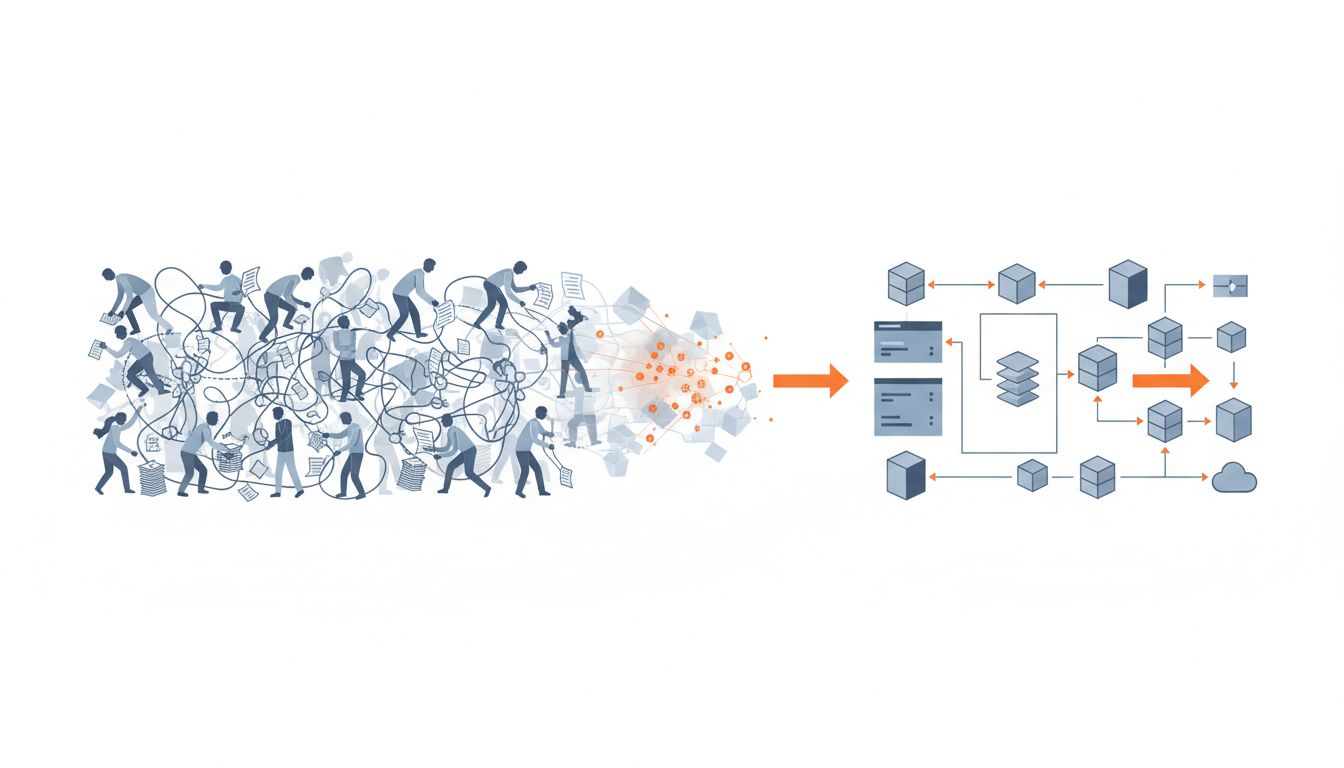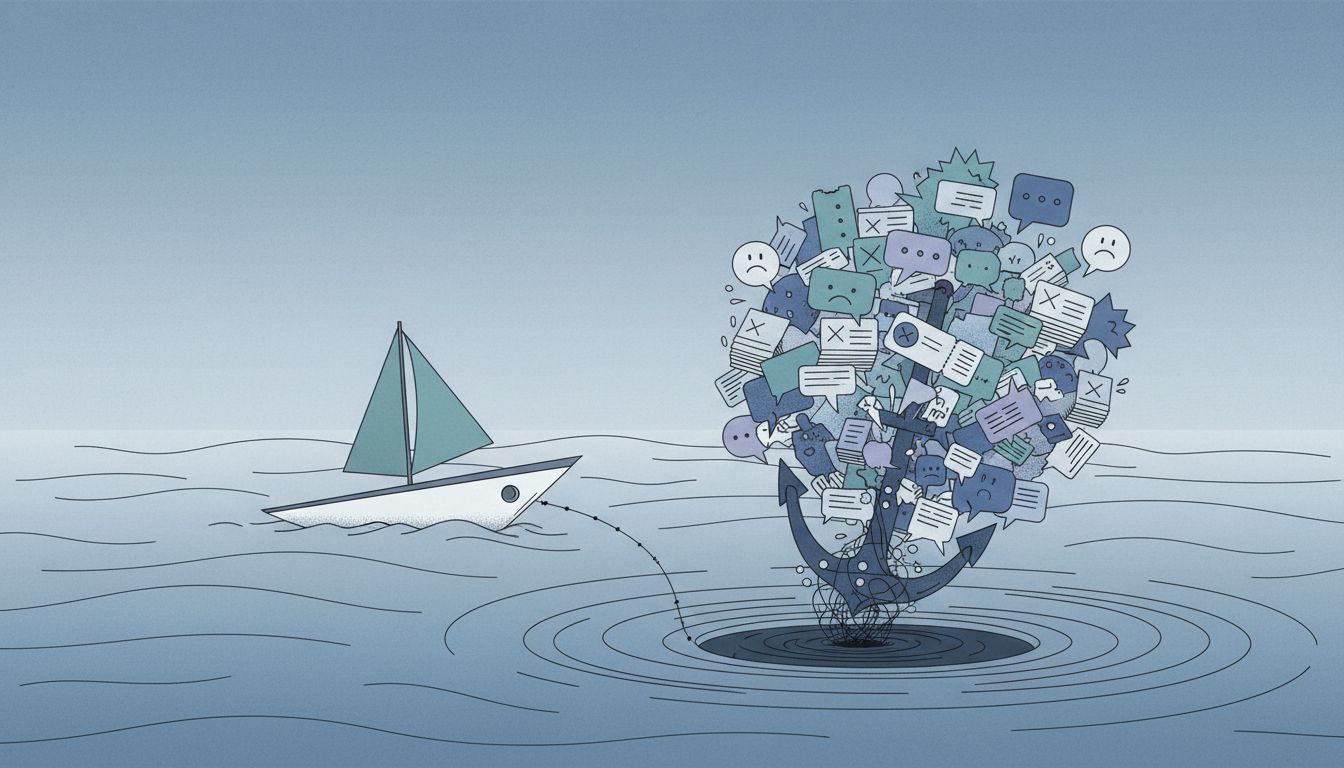
A few years into running a B2B SaaS product, a friend of mine had a customer he called “the full-time job.” This company paid about $8,000 a year. They also generated, by her estimate, about 40% of all inbound support tickets, demanded weekly calls, required custom workarounds that broke every time her team shipped something new, and had gotten three different salespeople to promise features that were never on the roadmap. When they finally churned, her team celebrated.
That story is more common than founders want to admit. There is a persistent myth in startup culture that a demanding customer is a valuable customer, that the friction they create is really just signal, that if you can satisfy them you can satisfy anyone. This is occasionally true. More often, it is a rationalization for keeping a customer who is costing you more than you realize.
The Math You Are Not Doing
Revenue is obvious. Cost of serving a customer usually is not. Most startups track MRR or ARR and feel good about retaining any paying customer, but they rarely calculate what it actually costs to keep a specific account alive.
That cost has real components: support hours, engineering time spent on custom requests, sales and account management cycles for renewals, the opportunity cost of features built for one complainant instead of ten quiet users. When you add it up, a mid-tier account with a high-friction customer profile can easily become unprofitable. The loudest customer in your inbox may be paying you $1,000 a month while consuming $3,000 worth of operational overhead.
The companies that figure this out usually do it accidentally, after losing a high-touch account and noticing that their support queue got lighter, their engineers got more done, and their remaining customers seemed happier. The absence of one difficult customer created room for everyone else.
Why Complaints Do Not Equal Insight
The other seductive idea is that constant complainers are your best product feedback loop. They are engaged. They care. They want the product to be better.
Sometimes. But volume of feedback is not the same as quality of feedback, and the customer who complains most loudly is often complaining about things that reflect their specific situation rather than a generalizable problem. They want an edge case handled. They want a workflow that maps to how their company did things in 2015. They want you to rebuild something because they hired a new ops director who has opinions.
The customers who give you genuinely useful product feedback are usually not the ones flooding your inbox. They are the ones who file a clear bug report and wait, who respond thoughtfully to user research requests, who expand their usage when you ship something new. Feedback from a customer who is perpetually dissatisfied skews toward their frustration rather than your product’s actual gaps.
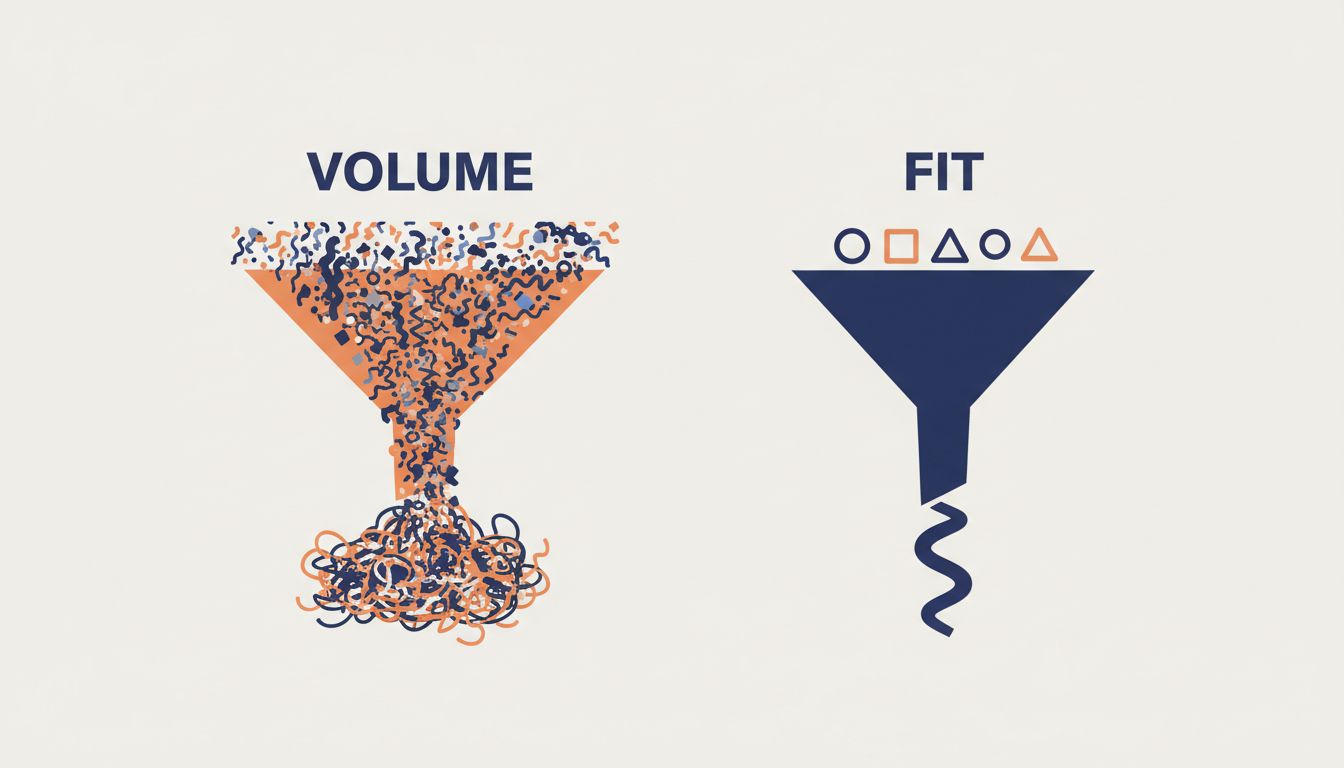
There is also a selection effect worth understanding: customers who have found genuine product-market fit with your tool tend not to complain very much. They are busy using it. The customers who complain constantly are often customers who never quite fit in the first place.
The Customers Actually Worth Keeping
The best customers for a growing startup share a few traits that have nothing to do with how loudly they advocate for themselves.
They expand. They start with one use case and grow into others. They add seats without a sales cycle. Their contract value goes up over time without a negotiation brawl at renewal.
They refer. B2B word-of-mouth from a satisfied customer inside a tight industry vertical is worth more than almost any marketing spend. The customer who is quietly thriving will eventually introduce you to three more customers who look just like them.
They give you honest signal. When a good-fit customer tells you something is broken, it is usually actually broken, not just different from what they expected. Their complaints are specific, reproducible, and relevant to more than one person.
They do not require heroics. You can serve them with a reasonable support load. Your team does not dread their name in the queue.
This profile does not mean passive or easy. Good customers push back. They have standards. But there is a difference between a customer who demands that you be good at your core job and one who demands that you do a different job entirely.
When to Let a Customer Go
This is where most founders freeze. Churning a paying customer feels like failure, especially in the early stages when every dollar is existential. The instinct is to hold on.
But there are circumstances where firing a customer, or letting them leave without heroic retention efforts, is the correct strategic move. If a customer is driving disproportionate support cost relative to their contract value, if they are pulling your roadmap toward edge cases that do not serve your broader market, if they are demoralizing your team, or if they are actively telling prospects that your product does not work (while conveniently not mentioning they are using it for something it was never designed to do), then retaining them is not a win.
As I’ve argued before about the counterintuitive value of difficult early customers, friction can be productive when it reveals real product gaps. The distinction is whether the difficulty teaches you something generalizable or just reflects a misaligned fit. One is worth the pain. The other is just pain.
The practical move is to get honest about what a customer profile actually costs you. Assign rough hour estimates to support interactions. Look at how many engineering discussions have been driven by requests from a single account. Check whether the features you built for them are being used by anyone else. The math will often make the decision for you.
Build a Customer Base, Not a Hostage Situation
The underlying issue is that many startups optimize for retention as a blunt metric. Churn bad, retention good. That framing treats all customers as equivalent, which they are not.
A healthy customer base is not just a large one. It is one where your best customers can actually get your attention, where your roadmap reflects the needs of the segment you are trying to serve, and where your team has the capacity to do excellent work instead of spending it on crisis management for accounts that were never a good fit.
The customer who complains the most is not your most valuable customer. They are the customer who demands the most resources for what is often the least strategic return. Building something good means knowing the difference.