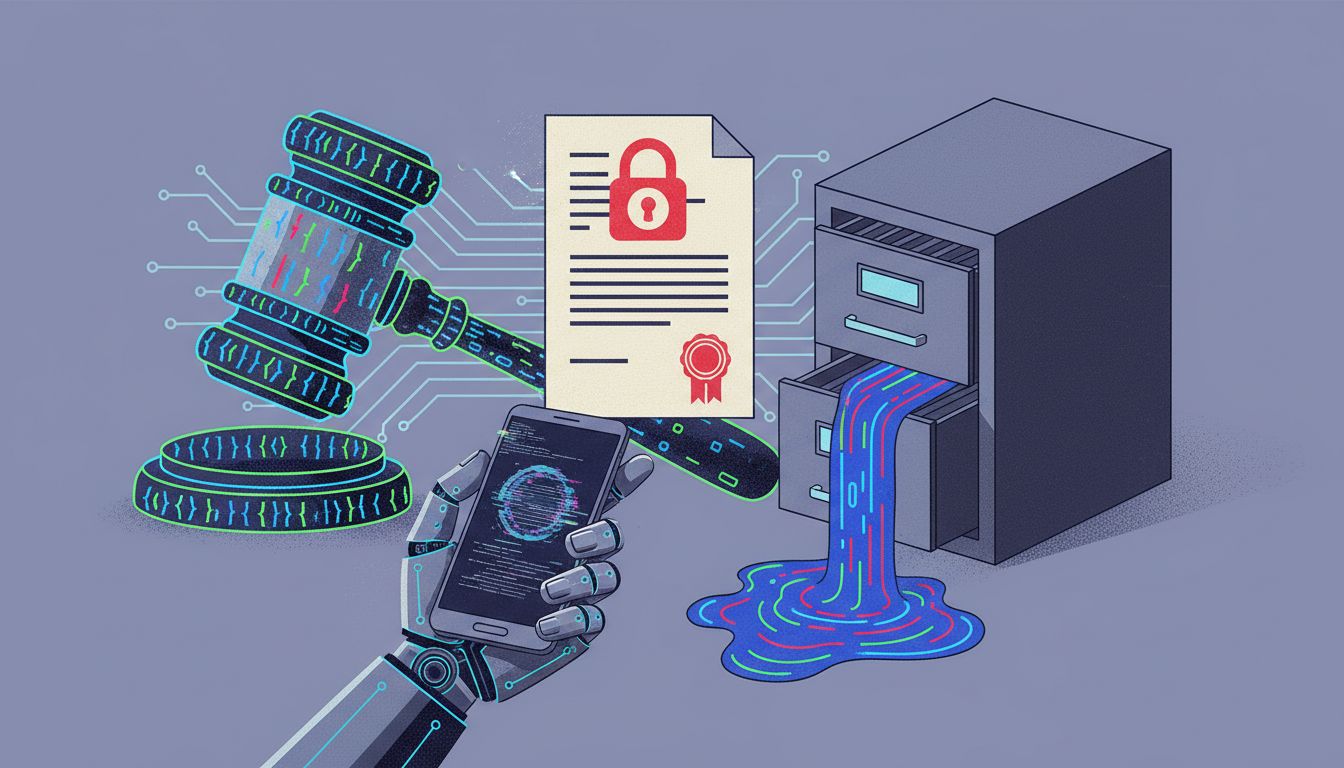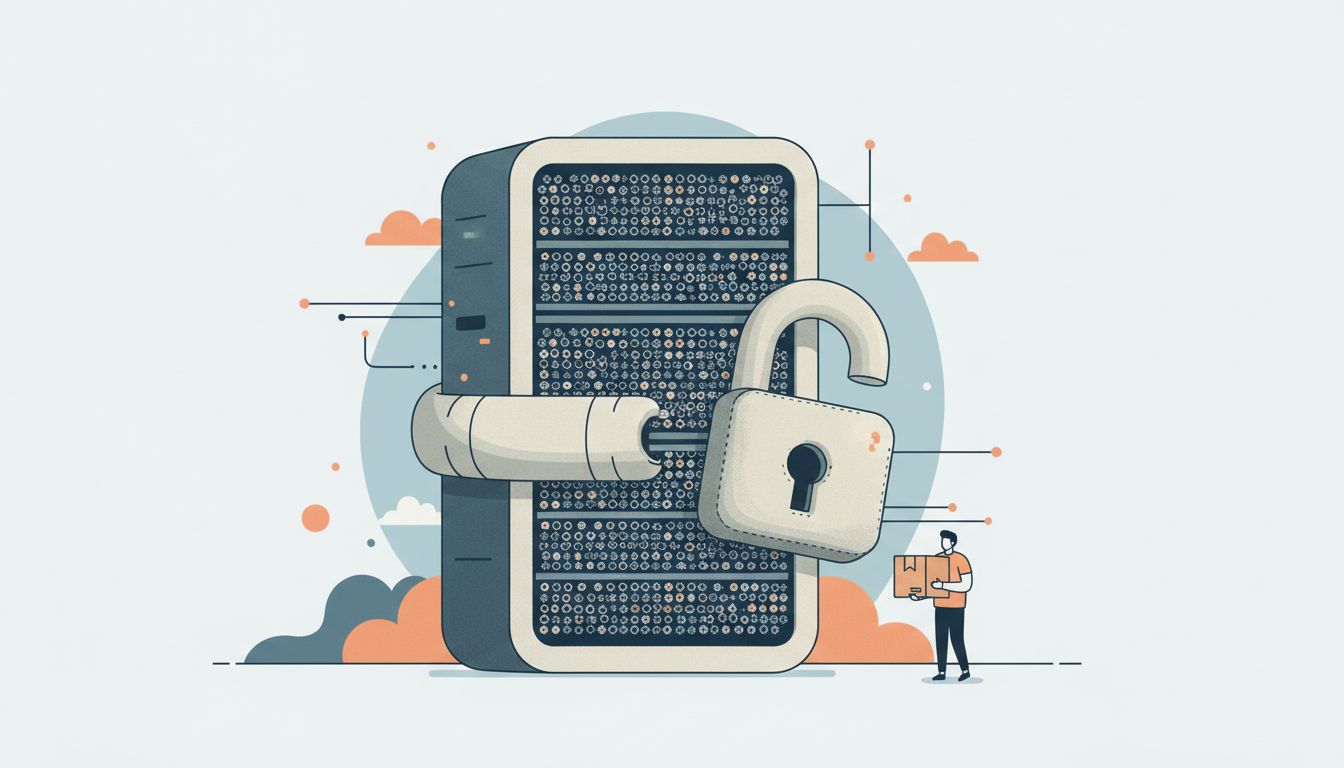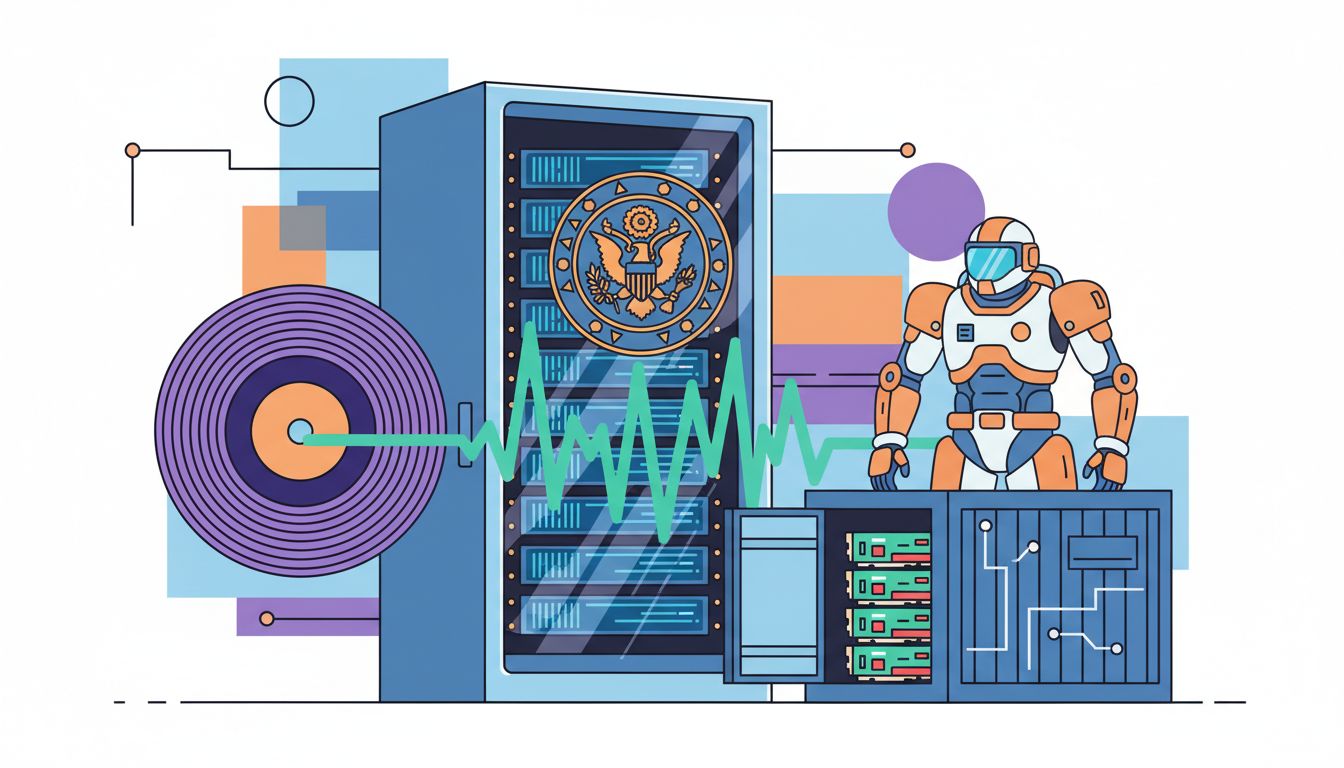
Today’s best stories are about access: who gets the strongest model, who sits in the boardroom, and who owns the channel your product reaches users through. Startups keep finding that the rules were written by someone else.
1. Cloudflare wants to be the boring plumbing under your agents
Cloudflare’s Birthday Week drops are mostly unglamorous, which is why they’re interesting. K2, in public beta, is a durable event stream built as a partitioned log on R2 object storage. Cloudflare says it couldn’t run Kafka across its edge, so it handed replication and consensus to the storage layer. The catch is latency: about one second at p99 for writes, and no message-level retries. Queues and Pipelines remain the tools for those jobs.
The other pieces are a bet on managed context. Cloudflare OS, a company-wide agent workspace, now has a waitlist for fully managed deployments. Customers set a domain, access policies and an AI Gateway, and Cloudflare runs the rest. New connectors cover GitHub repos and Gmail.
The sovereignty post adds EuroLLM and Apertus to Workers AI, plus workshops on building security tooling that works with any model. The pitch is choice, and Cloudflare even says no country should depend on one company for its AI, itself included. That’s a fair line from a company that also wants to host your agent workspace. The open-source release of Cloudflare OS is the real test of whether it means it.
Cloudflare Blog · Cloudflare Blog · Cloudflare Blog
2. Photon held a funeral for apps, but 98% of its usage is free
Photon’s pitch is that people are tired of installing apps and would rather text an agent in iMessage or WhatsApp. It raised a $4.5 million seed round, co-led by Gradient and A*, with Vercel participating. It also staged a real funeral in San Francisco, coffin included. The CEO concedes the shift will “take a while.“
The traction numbers come from the company, via TechCrunch. They include 40,000 developer sign-ups, 10x revenue growth in four months, and under 3% churn. Revenue figures were not shared, and 10x on an undisclosed base says little. More telling is that the open-source version still accounts for 98% of use. The paid managed product only launched in April.
The distribution logic is sound: skip the app-store discovery problem and meet users in Messages. The weak spot is that the channel belongs to Apple, Meta and the carriers, and Photon’s whole product is a layer on top of them. That is a dependency a founder should price in before burying the app.
3. A single email was enough to run commands on Zimbra servers
The Zimbra story has a lot of headline and not much detail yet. Ars Technica reports attackers have been exploiting a critical Zimbra flaw to steal emails, and says a simple email lets them remotely inject operating-system commands. The Register’s headline says Microsoft caught attackers using the bug before it was disclosed.
We only have those headlines and an excerpt to work from. There’s no CVE, patch status or timeline here, so claims about how long the exploitation ran would be guesswork.
If you run Zimbra, though, the practical step is clear: check the vendor’s advisory today. An attack that needs only an inbound message is a bad kind of bug for an email server, because exposure is the product’s whole job.
4. Google’s “most powerful” model is for security partners only
Google says Gemini 4 Argon beats OpenAI’s GPT-6 Astra and Anthropic’s Fable and Opus models on a range of benchmarks. It also cites Vals, a benchmarking startup, as ranking it first. Those are Google’s claims, and nobody outside the company can test them yet. As Ars Technica puts it, you can’t use it yet.
TechCrunch reports the rollout is limited to select cyber partners through Google’s Fairwind Program. The model was trained for defensive security work, and Google says it can “autonomously find, validate, and patch critical software vulnerabilities.” Google staff already use it for debugging and codebase migrations.
The sources don’t say if or when Argon reaches ordinary developers, so I’d avoid calling it permanent lock-in. But a launch that is half announcement and half restricted preview shows who comes first: partners in sensitive domains, then everyone else. If you’re building on Gemini’s API, the question isn’t Argon’s benchmark score. It’s how long you’ll wait.
5. Khosla funds both sides of the Factory–Cognition spying row
Factory CEO Matan Grinberg says he fired board adviser Chris Degnan for sharing confidential information with Cognition. Degnan says he resigned, joined Cognition as chief revenue officer, and shared nothing. Grinberg says he has email receipts but hasn’t posted them. Cognition’s CEO says it has “no interest in Factory’s info.” These are all unproven allegations.
What makes it a story is the cap table. Khosla Ventures backs both companies. Vinod Khosla publicly called Factory a “struggling second tier competitor,” while partner Keith Rabois called interviewing with a rival while attending board meetings “unethical per se.” One firm, two public positions.
The scale gap matters too. Factory recently raised $200 million at a $5 billion valuation, and Cognition raised $2 billion at $48 billion. TechCrunch notes that Andreessen Horowitz is reportedly under a Justice Department probe over partners sitting on competitors’ boards. The question for founders is what a board adviser actually learns, and what protection exists when investors back the rival too.