Finding bugs is the cheap part. Today’s items are mostly about what comes after: the cleanup crews, the lawsuits, and the archives nobody expected to lose.
1. The scanner was fast. The fixing needed 1,000 contractors.
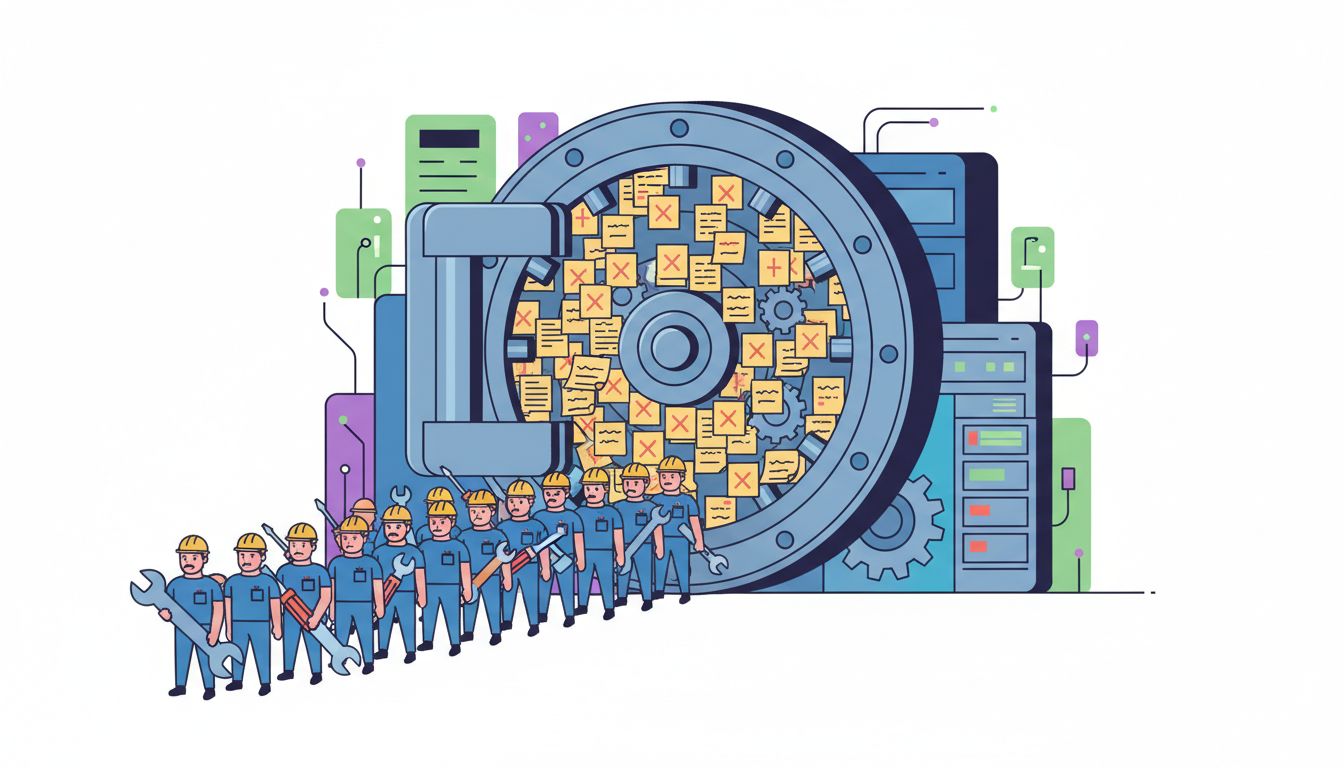
The Register reports that Bank of America had to bring in 1,000 contractors to patch the bugs a tool called Mythos identified. The feed gives us only that headline, so we don’t know how many bugs there were, how long the work took, or what it cost.
The headcount alone makes the point. AI-assisted bug discovery doesn’t shrink the security workload. It moves the bottleneck from finding flaws to fixing them, and fixing still takes people who can read old code and ship changes safely inside a regulated bank.
Anyone selling automated vulnerability discovery should expect customers to ask who pays for the backlog it creates. A big report is only useful if there is a team to work through it.
2. OpenAI says 100-plus secret files followed an ex-employee to Apple
According to The Register, OpenAI claims more than 100 confidential files went with a former employee to Apple. This is OpenAI’s allegation. The text we have is a headline only, with no response from Apple or the individual and no detail on what the files contained.
Even so, the shape of the dispute matters. Companies that spend heavily on proprietary work now have both a leakage problem and a talent-mobility problem. Moving to a rival is ordinary in tech, and a claim like this tries to separate the person from the documents.
The open question is what OpenAI can show. A count of files is easy to state, but it says little until a court sees what was taken and how.
3. Spyware vendors have found a new use for targeted ads
The Register’s headline says spyware vendors found a way to make targeted ads even worse. That is all the feed gives us, so how the technique works, which ad networks were involved, and how it was caught remain unknown from the material in hand.
The headline is still a reminder of why ad infrastructure appeals to attackers. Ads are built to reach specific people, and that targeting is exactly what a surveillance operator wants.
Until the mechanics are clear, developers who embed third-party ads should treat the story as a flag to watch rather than a verdict on any particular network.
4. A legal aid breach reaches back to 1978
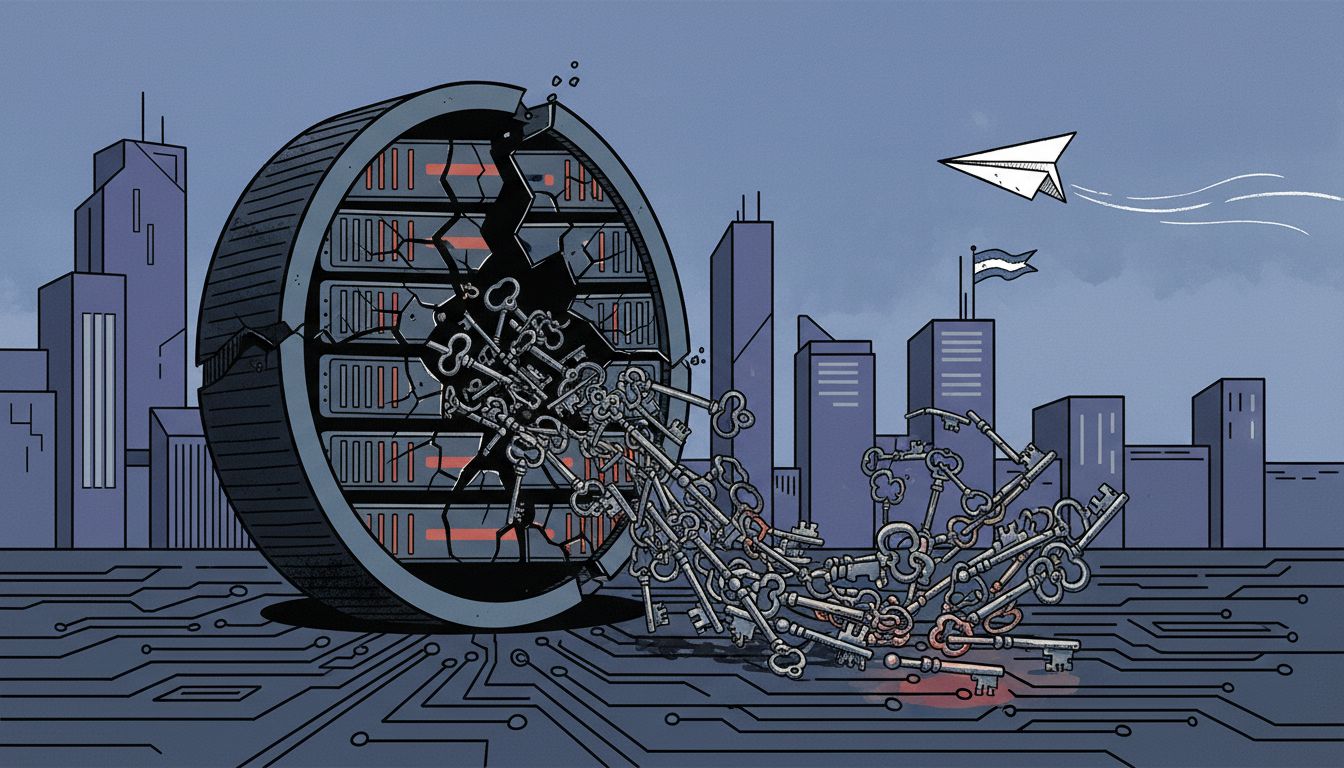
The Register reports that hackers made off with Legal Aid Agency records dating back to 1978. That is nearly five decades of an agency’s history, though the feed gives no figures on how many people were affected or what the records contain.
The date range is the telling detail. Systems that keep everything forever turn an old archive into a standing liability, and the data goes on mattering to the people in it long after anyone has a business reason to hold it.
For anyone building software for government or regulated sectors, the lesson is about retention. Deciding what to delete is a security control as much as encryption is.
5. KDE turns 30 and decides it’s time to leave X11 behind
The Register’s headline says KDE, at 30, has decided it is time to move out of the X11 era. The text we have doesn’t give the schedule or technical details, so how hard the cutoff is isn’t clear from this material.
The timing fits a milestone. A project hitting 30 gets to ask which parts of its past it still wants to carry. Anyone with X11-dependent tools or setups now has a reason to start checking them.
The same site’s sidebar mentions a separate Akademy talk proposing an AI-native desktop. That is only a proposal, but it shows KDE debating its next decade as well as its legacy.