Today’s most useful item is a bill that fell by two-thirds, not a product launch. Alongside it: an AI agent that got banned for being honest, and a TikTok report in which not knowing users’ ages looks like a choice.
1. The AI Agent That Announced Itself Got Banned in an Hour
Velvet Vale did what most bots don’t. It introduced itself as an AI, stated its research question, and, when asked, gave out its creator’s contact details. Within nine minutes, members of the 7,500-person Air-L list of internet researchers were objecting that they did “not consent” to being scraped. About an hour later, the Association of Internet Researchers ejected the agent under an existing ban on AI agents, according to WIRED.
That undercuts the idea that the experts were caught flat-footed. The policy existed and enforcement was fast. The shakier position was the consent argument: the list’s own rules call it a public forum with a public archive, and AoIR president Sarah T. Roberts said her own posts are probably in training sets already.
The detail developers should keep is that creator Kevin Quinn told WIRED he was mostly unaware of the agent’s email activity. Microsoft is pitching Guardian Agents on the premise that agents are unpredictable and need oversight independent of whoever supplies them. Microsoft sells that oversight, so it is context rather than confirmation. Still, Velvet was harmless and obvious, and the owner wasn’t watching anyway.
2. TikTok Reportedly Skipped Age Surveys Over Fear of the FTC
The most damaging detail in these court records isn’t a missed warning. According to NPR’s reading of them, as relayed by TechCrunch, TikTok didn’t survey users’ ages because it worried it would have to share the results with the Federal Trade Commission. If accurate, ignorance was a risk-management strategy.
The depositions, filed in March 2026, also describe employees warning that minors appeared in sexual content available for purchase, raising the prospect of profiting from potentially illegal activity. Employees also flagged that minors were exploiting loopholes to reach age-restricted content and hide their activity from parents. The documents describe staff frustrated by how executives responded. TikTok didn’t immediately respond to TechCrunch.
This is one outlet’s account of court records, and the claims are allegations in litigation. But the stakes are concrete. TikTok faces hundreds of consolidated suits alleging harm to minors and failure to disclose known risks, and has settled several before trial. Internal warnings that were written down are the kind of evidence plaintiffs want.
3. Microsoft Concedes October Update Didn’t Fix Always On VPN
The Register reports that Microsoft has admitted its October security update did not fix the Always On VPN problems. The excerpt we have is only the headline, so details on who is affected and how badly are missing.
The practical consequence is still clear for admins. Security patches are normally an easy yes, but an update with a known, unresolved VPN problem forces a real decision for anyone relying on that connectivity. An admission is better than silence, but it hands the work of testing and deciding to IT teams. What matters next is whether Microsoft ships a fix or a workaround, and how fast.
4. Cloudflare’s AI Reviewer Doubled in Cost, Then Got 68% Cheaper
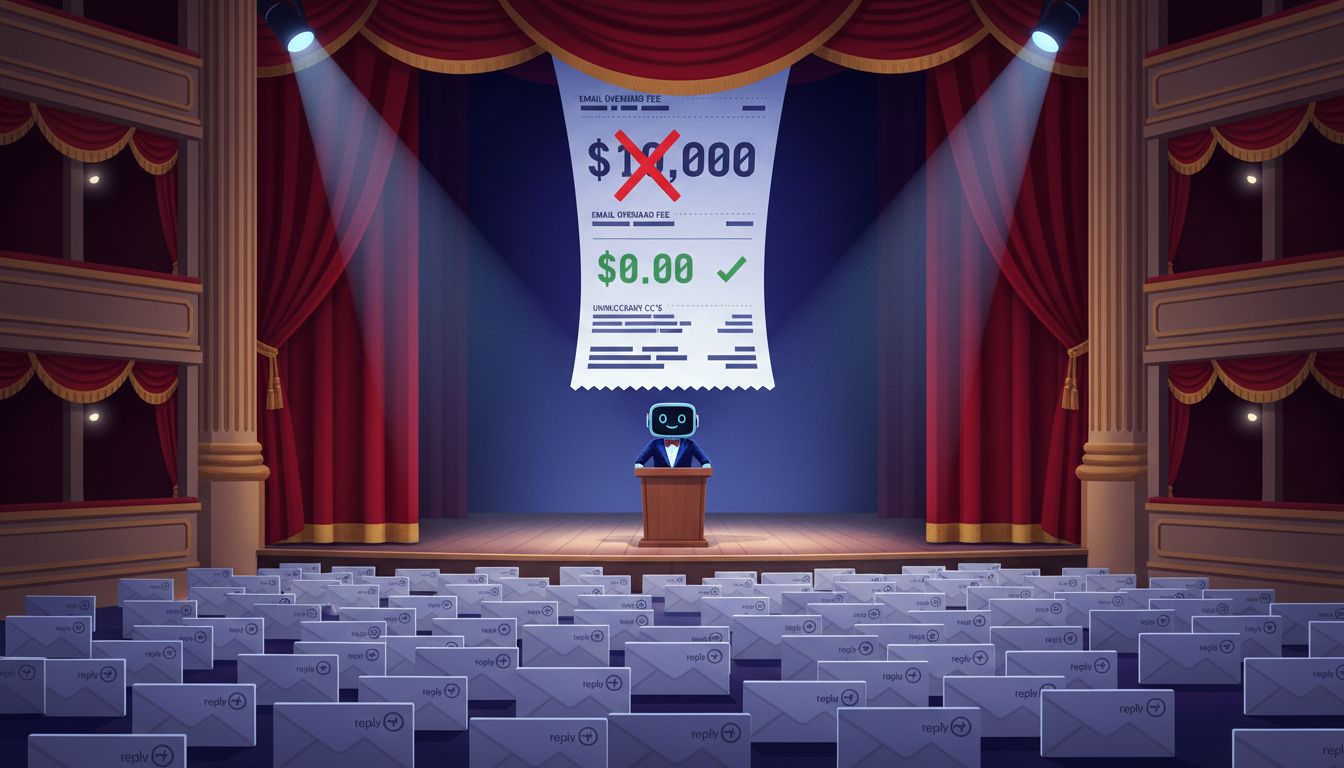
Cloudflare’s AI code reviewer went from $1.19 per review in April to about $2.46 by the end of August, with no architectural change. Its own post says the main driver was model changes. Moving every reviewer to Anthropic models lifted cost per job from $1.38 to $2.03. Tokens per review more than tripled, and a 97% cache hit rate still gets expensive at that volume.
The fix started with a bug. The first request of each session found a cached prefix only 14% to 26% of the time, because the shared prompt sat in one block with repository-specific details such as the working directory and date. Splitting the block let reviews across repos share a cache entry. Together with a prompt change, that took cost from $2.47 to $2.02.
Most of the remaining savings came from models and effort: $1.06 of the $1.67 drop versus $0.65 from code. A cheaper per-token model accounted for only about $0.20. The rest came from using fewer tokens, so token count matters more than the price list. Cloudflare says fewer findings were mostly noise, and authors acted on more of them. But performance review lost real findings, and the company says its measurements aren’t a controlled experiment.
5. A Third of Software Budgets Reportedly Goes to Upgrades Nobody Asked For
The Register’s headline claims enterprises spend nearly a third of their software budgets on upgrades they never asked for. The excerpt we have contains only that headline, so we can’t say who was surveyed or how “never asked for” was defined.
Even so, the claim points at a real question for anyone selling to enterprises: which of your upgrades can a customer decline, and which are effectively mandatory? If customers see a vendor’s roadmap as a bill, that’s a competitive opening for a rival. Before repeating the one-third figure, check the underlying research.