Today’s common thread is Meta: what it permits its own AI to do versus what it lets people do, and what it will say in writing. Separately, the data center industry has found a new audience for its image problem: children.
1. Meta’s Muse can talk dirty; the humans who do it for a living can’t
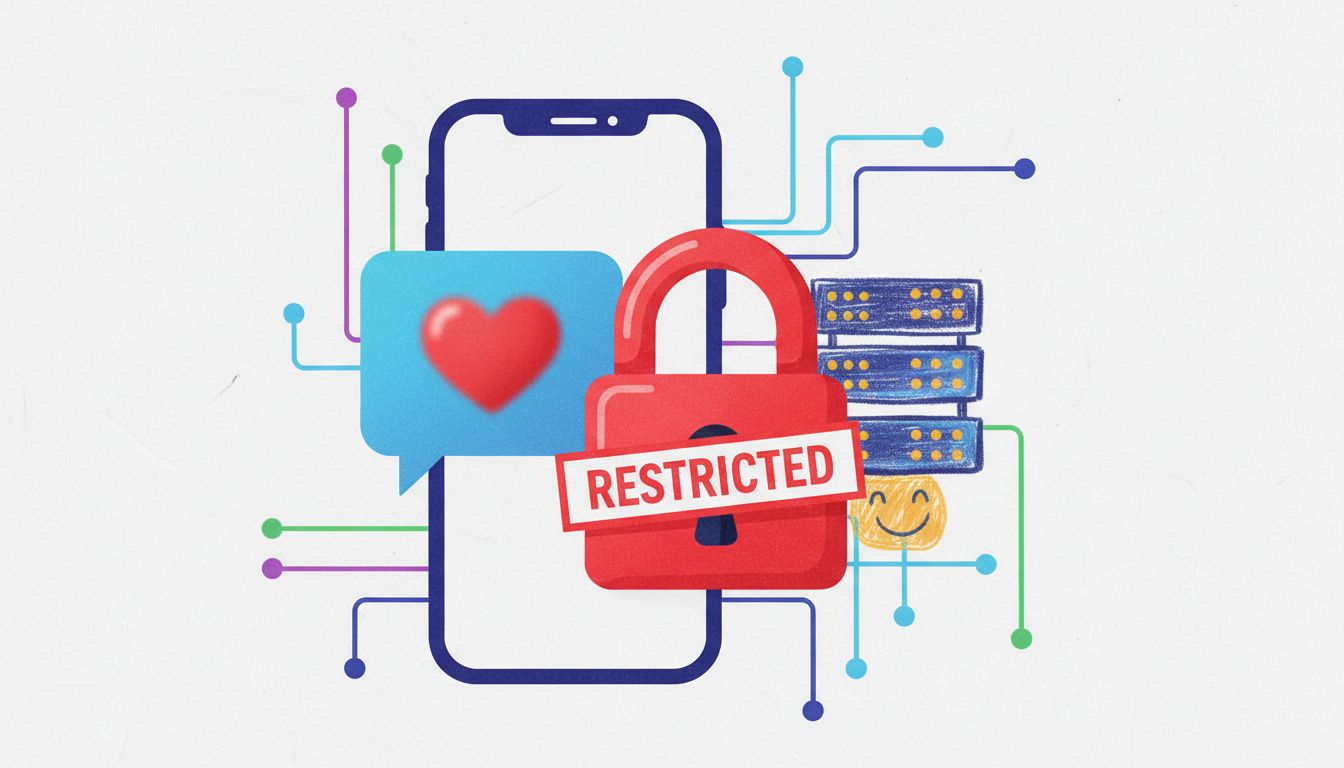
Vanniall’s Instagram account has more than 100,000 followers and is currently restricted, viewable only to logged-in users. Meta’s new Muse agent, meanwhile, will engage in explicit sexting with adults. WIRED spoke to OnlyFans creators who see a double standard, and the contrast is hard to wave away.
Meta’s answer, from spokesperson Tracy Clayton, is that a private one-to-one chat in an 18-plus app differs from marketing and promoting services on a social platform. That is a real distinction, and it explains some of the gap. But it explains the rule, not the economics. Muse generates explicit text only, no images or video, and Meta says it won’t block legal adult behavior. The result is that sexual content is tolerated when Meta’s own product produces it and policed when the people who make a living from it post on Meta’s feeds.
The creators’ complaints go beyond fairness. Jiz Lee wants to know how Muse was trained and whether anyone was paid. Tony Genius sees displacement risk but would consider licensing an AI version of himself. Even Genius asks why Meta gates one app to adults but not a social space. Meta hasn’t answered that, and the training question is still open.
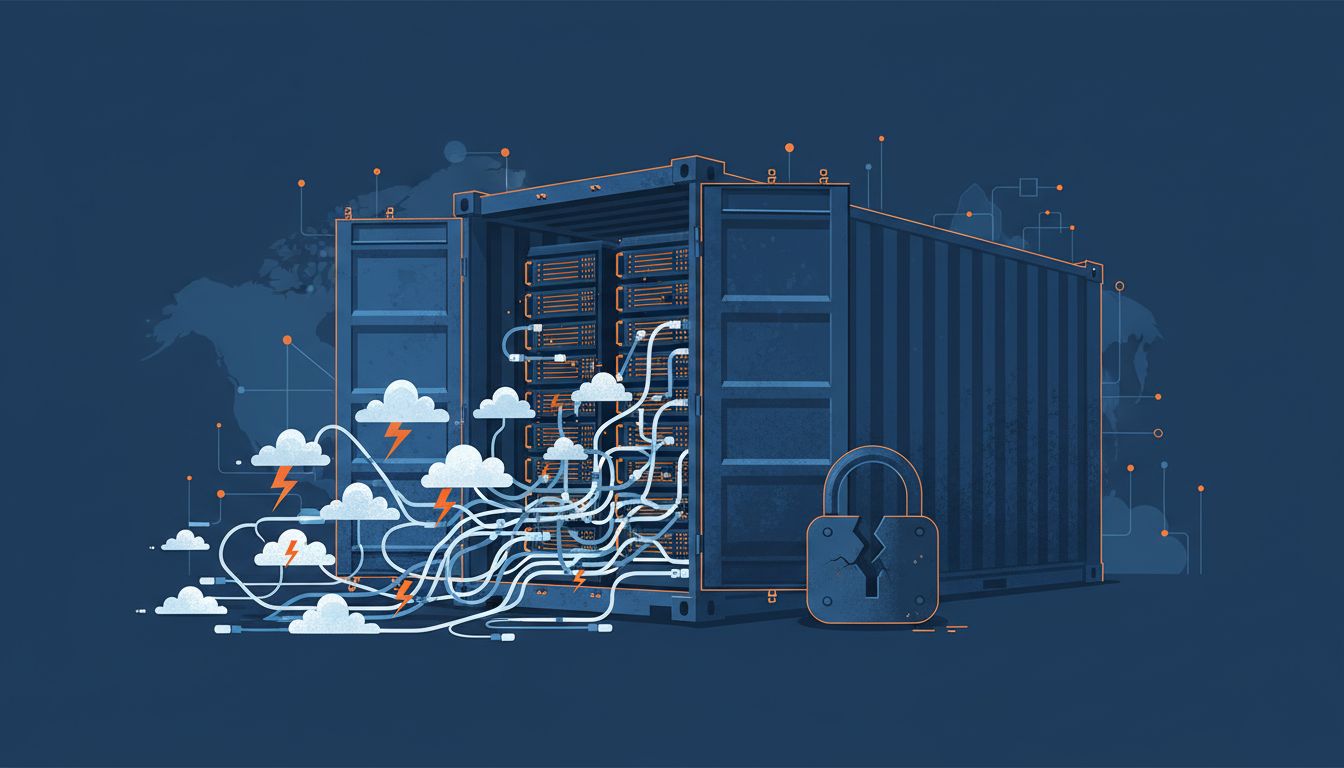
2. Data centers are courting first graders, and it shows
There’s a honey badger named Honey, a data center tour guide named Oliver, and a plot point about Mom shopping online while Dad sleeps. This is a children’s book recommended by 7x24 Exchange International, an industry nonprofit, and it’s one piece of a broader outreach push described by WIRED.
The details are concrete. A trade group chapter sponsored flag-making kits for 3,100 first graders in Loudoun County, Virginia, tucked in with cards touting the industry’s local economic benefits. WIRED counted at least eleven companies and industry groups hosting student field trips since 2025. One school district’s blog post about a visit used an image labeled AI-generated, with people who appear to be missing limbs.
The motive is easy to infer, though WIRED’s reporting stops short of proving it. A Pew poll found about half of Americans see data centers as mostly bad for the environment and quality of life. Education researcher Alex Molnar calls it corporate propaganda and notes that tobacco, oil, and fast food ran the same play. One district official defended long-standing visits as a source of mentoring and internships, which is a fair counterpoint. Still, a sector with a convincing case would probably spend more energy on adults who vote on zoning.
3. Meta deletes a scraping clause it says changed nothing
If a clause changes nothing, why remove it? Meta updated its commercial terms to say it could use any content from a business account’s domains, pages, or URLs to provide, develop, improve, research, and train its products. Legal experts told Nieman Lab that looked like a remarkable provision, possibly covering publishers with Meta business accounts.
Meta first said the update didn’t change how it crawls the web. After The Verge reported the provision was gone, the company said the consolidated crawling terms applied only to its ads and business products, and that it had clarified this in the terms.
Take Meta at its word and the practice is unchanged, but the written permission it asked for was broad enough to alarm lawyers. That matters because business customers sign these terms, not the company’s explanations. TechCrunch’s account rests on Meta’s statement and secondary reporting, so the open question is what the revised language now says. Anyone with a Meta business account should read it.