Today’s strongest tension is commercial: Nvidia is selling open models against companies that are both its customers and its investments. Elsewhere, Anthropic promises accountability before explaining its governance, and Apple goes after the old trick of passing review and then changing the app.
1. A critical KVM escape raises the stakes for guest isolation
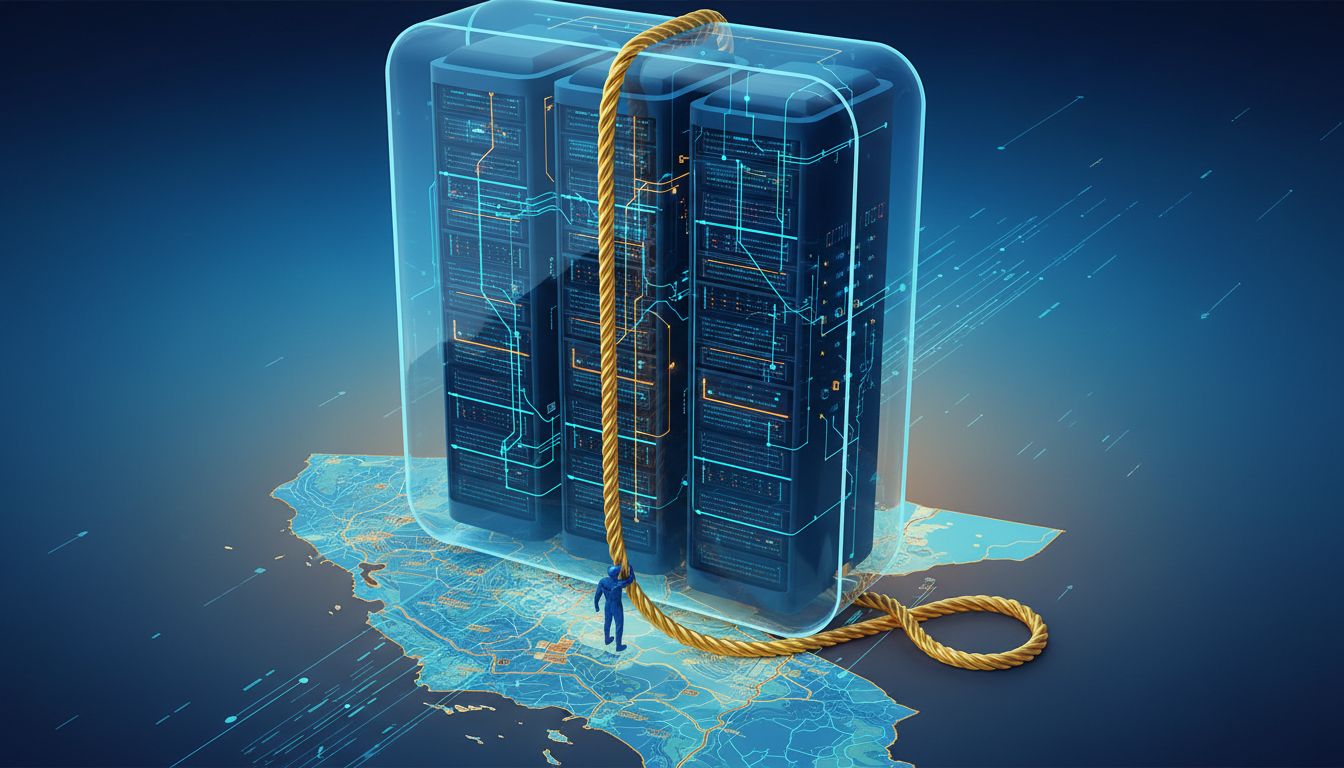
The Register reports a Linux KVM guest-to-host escape rated critical, and says it may represent a new way to attack Linux-based networking. That headline is the only part of the story in the material we have, so treat the details as open. We have no severity score, no affected versions, no patch status, and no list of cloud providers.
Even so, the category matters. A guest-to-host escape attacks the assumption that one tenant’s workload cannot reach the machine underneath it or its neighbors. If you run your own KVM hosts, read the full advisory and check your patch status before anything else.
The “new way” language is the part to watch. A one-off bug gets patched. A new class of attack forces people to audit the code around it.
2. Nvidia is selling open models against its own best customers
Nvidia’s new Nemotron 3.5 Super VL is a 120-billion-parameter open-weight model for enterprise agents. Two smaller Bolt models are meant to run locally on the new RTX Spark AI PCs and DGX Spark workstations. Nvidia says Super VL finishes agentic tasks faster than models from Anthropic and OpenAI once it has been post-trained on those tasks. That is a vendor benchmark, and it comes with a long list of named users, including EY, Ramp, CrowdStrike and Salesforce.
The more interesting part is the incentive. TechCrunch notes that the proprietary labs are both Nvidia’s customers and its investments, and that they are increasingly looking at Trainium, Cerebras and their own chips. Open models give Nvidia a way to keep demand for its hardware even if the biggest buyers diversify. The pitch to enterprises is control: post-train on your own data, run it on your own infrastructure, and own the result.
The local models extend the same bet to consumers who may not want a personal agent sending their health and finances to the cloud. That depends on people buying new PCs to run it.
3. Anthropic offers outside scrutiny, but the fund’s governance is still blank
Anthropic says it will commit 5% of its shares to a public benefit fund, with an option to add 2% for every 50% rise in the company’s value. The fund is a wholly owned entity inside the company. Separately, Ars Technica reports that an outside AI watchdog now gets “employee-like” access and can publish its findings without Anthropic’s approval. Ars’s article text wasn’t available to us, so the detail there is thin.
Together the two moves read as a company trying to answer what Dario Amodei calls a crisis of trust. The watchdog arrangement is the more concrete one, because publication without approval removes a real lever from the company.
The fund is harder to judge. Anthropic has described possible uses, such as large donations to nonprofits or direct distributions to specific populations, but says it will share governance details in the coming months. Until we know who decides and how hard the structure is to change, the claim that these commitments bind Anthropic is a hope rather than a fact.
4. Apple’s nudify ban targets the apps that change after review
The notable part of Apple’s guideline update is the review gap it targets. Apple now explicitly bans apps that misrepresent their purpose during review and reveal capabilities such as “nudification” only after approval. It says it will remove apps that add features not present in the version it reviewed.
For most AI developers that means documenting generative features honestly and moderating them, because the guidelines require filtering objectionable material, a reporting mechanism and a way to block abusive accounts. Apps with hidden or undocumented features are prohibited outright.
The pressure came from outside. San Francisco’s city attorney ordered Apple and Google in July to remove nudification apps and accused them of profiting through store fees. In April, the Tech Transparency Project reported that both stores hosted such apps, some rated suitable for minors. Apple says its review blocked over 150,000 apps last year, yet this rule concedes that approval was not the end of the problem.
5. Leap seconds are being killed before they become the next Y2K
The Register’s headline says the international timekeeping authorities have killed the leap second before it turns into the new Y2K bug. Only the headline reached us, so the timeline and the replacement approach are unknown.
The framing itself is the point. A correction meant to keep clocks aligned with the Earth’s rotation is being treated as a hazard for the software that depends on those clocks, rather than something every system should be expected to handle. If that’s right, time standards are being rewritten to suit the systems built on them.