The price comparison feels intuitive at first glance. A Netflix subscription costs more per year than buying several movies outright. Adobe Creative Cloud costs more annually than the boxed software ever did. Spotify users who stay subscribed for a decade spend three to four times what a CD collection would have cost them. The standard explanation is that you’re paying for convenience, updates, and access to more content. That explanation is incomplete, and companies know it.
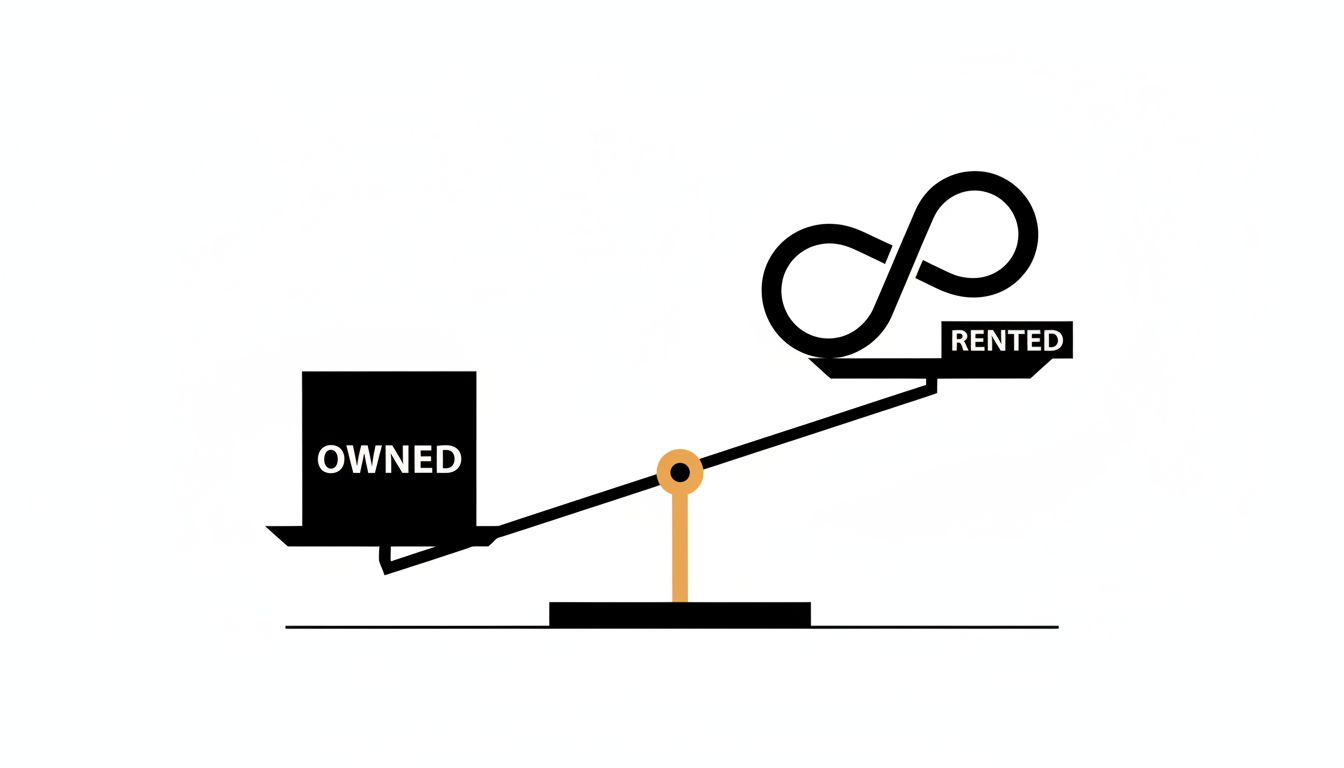
The real reason digital subscriptions cost more than the physical products they replaced is that ownership was always the enemy of recurring revenue, and digital delivery finally gave companies the technical means to eliminate it.
The Physics of Physical Media Were a Business Constraint, Not a Choice
When you bought a DVD or a boxed copy of Photoshop, the company’s ability to extract further value from you was genuinely limited. The disc existed. You owned it. Short of sending someone to your house, there was no mechanism to take it back, charge you again, or gate new features behind additional payments.
This wasn’t generosity. It was physics. The economics of atoms forced a transactional model on an industry that would have preferred a different one. Physical products have to be manufactured, shipped, and shelved. Margins compress at every step. The moment a unit left the warehouse, the revenue conversation was effectively over.
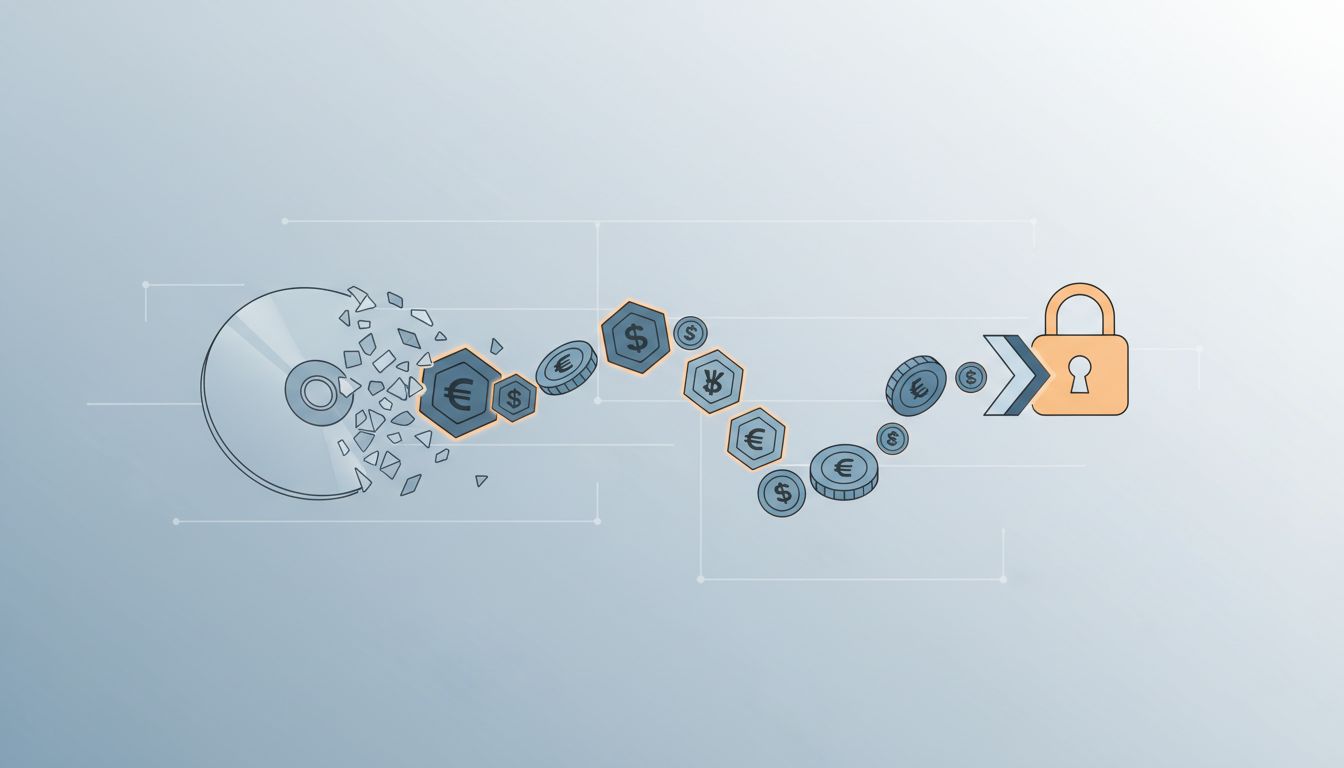
Digital delivery broke that constraint entirely. The economics of copying software are fundamentally different from the economics of manufacturing. Distribution cost approaches zero. And crucially, access can be revoked at any time. What looks like a pricing shift is actually a power shift.
The Subscription Model Transfers Risk to the Consumer, Not Away From It
Companies selling subscriptions routinely frame the model as lower risk for consumers. No large upfront cost. Cancel anytime. The framing inverts the actual risk distribution.
When you owned a physical product, the risk of depreciation sat with the company. Once it sold, whatever happened to that product’s relevance or replacement was your problem in theory, but the company had already captured its revenue and moved on. With subscriptions, the company captures your payment repeatedly over time, while you carry the ongoing risk that the service changes, degrades, raises prices, or disappears. Adobe’s transition to Creative Cloud between 2012 and 2013 is the clearest case study. Users who had paid once for perpetual licenses watched that option vanish. The alternative was subscribe or stop using the tools entirely. That is not reduced consumer risk. It’s a transfer of leverage.
Switching Costs Are the Hidden Price Increase
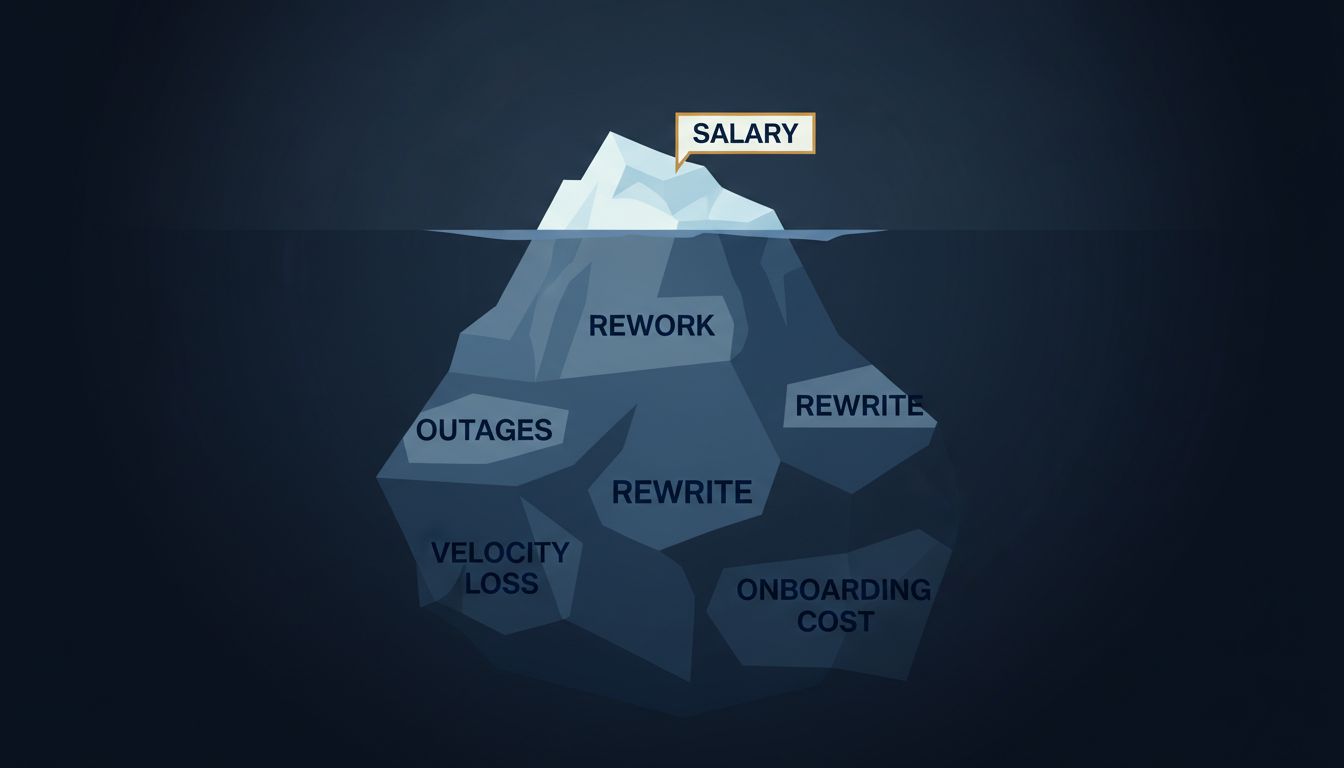
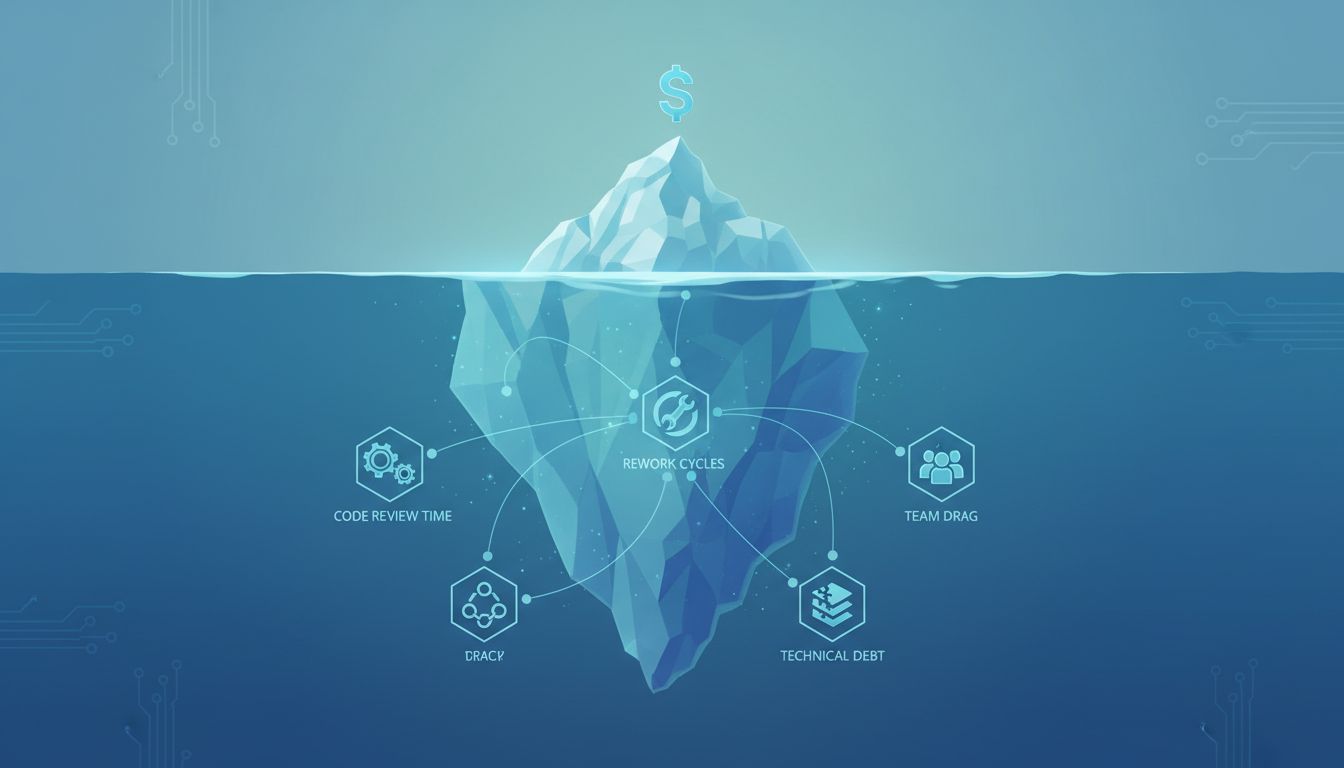
The visible subscription fee understates the actual cost, because subscriptions generate switching costs that physical products rarely did. Your photos live in Adobe’s formats. Your playlist curation lives in Spotify. Your work habits are calibrated to specific interfaces. Leaving isn’t just canceling a charge. It’s a migration project, and companies design their products knowing this.
Psychologists call this the endowment effect, but the subscription version is sharper. You’re not attached to something you own. You’re dependent on something you don’t, and the architecture of the product is often deliberately built to deepen that dependency over time. The practical result is that the nominal price understates the real cost by the full value of the switching barrier the company has constructed around you.
The Price Signals the Business Model, Not the Product
Spotify’s per-song economics pay artists fractions of a cent. Netflix’s content costs have climbed into the tens of billions annually. The subscription fee is not primarily priced to recover content costs. It’s priced to hit the maximum amount a subscriber will tolerate before canceling, multiplied across the largest subscriber base a company can maintain.
This is yield management applied to media. Airlines have run this math for decades. The subscription model gave software and media companies the infrastructure to run the same calculation. The price is set by what the market bears, with the cost of the product as a floor, not a ceiling. Physical media’s price was anchored by manufacturing costs and retail competition. Digital subscription pricing is anchored by churn modeling and lifetime value calculations. These are categorically different disciplines, and they produce categorically different prices.
The Counterargument
The honest version of the pro-subscription argument is that it actually works for consumers in specific circumstances. Game Pass and Apple Arcade offer genuine value if you play enough titles. Spotify is demonstrably cheaper than buying every album you want to hear. The model funds continuous improvement in a way that boxed software releases never could sustain. All of this is true.
But these benefits exist alongside the power shift, not instead of it. The question isn’t whether subscriptions offer value. It’s whether the pricing premium over physical alternatives reflects that value, or reflects the fact that companies now have the technical and legal infrastructure to extract rent indefinitely from something they used to have to sell. The evidence points to the latter. Companies didn’t move to subscriptions because it was better for consumers. They moved because it was better for them, and then they built the consumer argument afterward.
The Long Position
Subscriptions are not going away, and the argument here isn’t that they should. The argument is that the price premium over physical media isn’t explained by convenience or costs. It’s explained by the elimination of ownership as an option and the transfer of leverage that followed.
When companies had to sell you something, price competition had teeth. When companies can extract recurring payments from you indefinitely, with switching costs rising every month you stay, the conversation about what’s fair becomes structurally different. Understanding that distinction is the first step to spending accordingly. The companies already understand it. Their pricing models prove it.