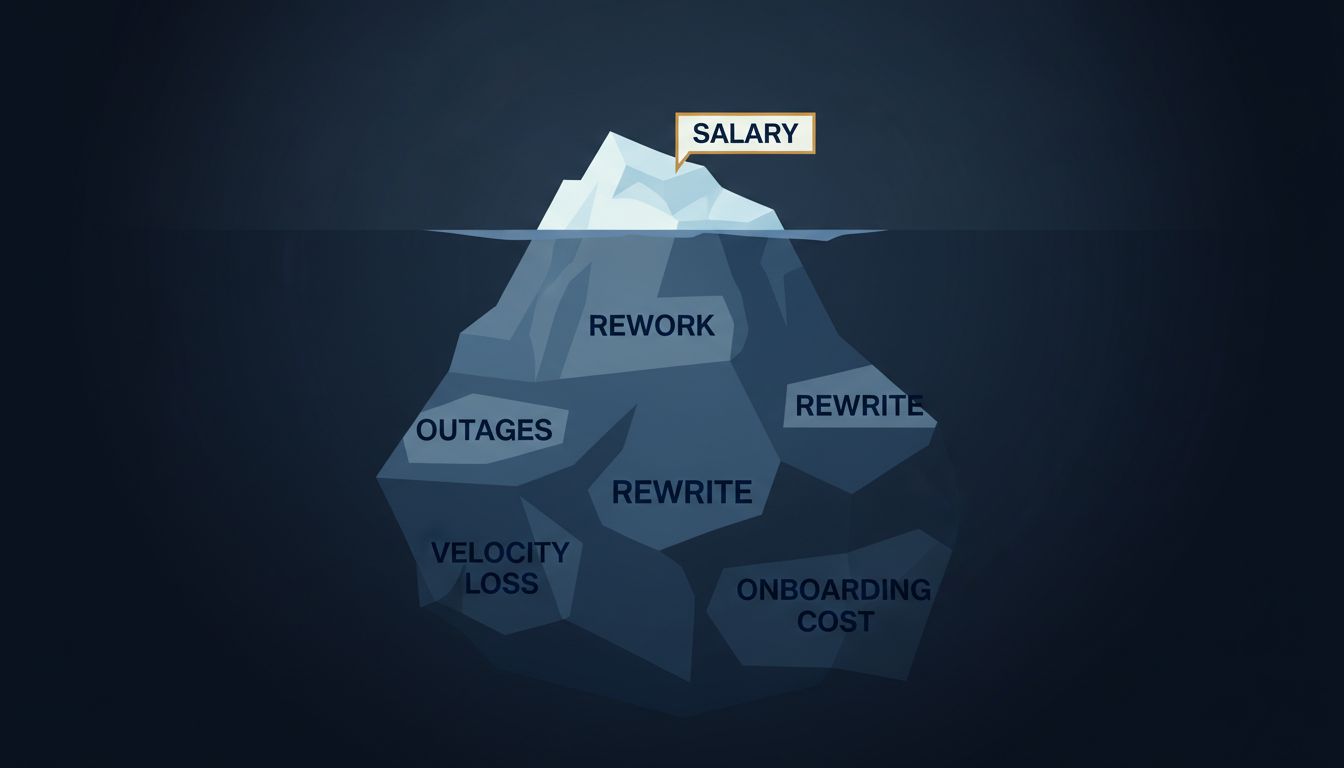

The consulting industry has built a $500 billion annual business on a lie. That lie is this: digital transformation fails because companies choose the wrong software, hire the wrong vendors, or move too slowly. Strip away the jargon and the post-mortems, and what you find instead is a far more uncomfortable truth. Most digital transformation projects fail before a single line of code is written, because the organizations commissioning them have fundamentally misdiagnosed what needs to change.
This is not an abstract critique. McKinsey research pegs the failure rate at 70%. Boston Consulting Group puts it closer to 84%. Both figures have remained stubbornly consistent for over a decade, surviving multiple generations of ERP systems, cloud migrations, and AI pilots. The technology keeps improving. The failure rate does not budge. Which means the technology was never the variable that mattered. Tech companies launch broken beta products on purpose, and the reasoning behind that strategy reveals something most enterprises refuse to accept: shipping imperfect systems into real conditions teaches you things that no planning phase ever will.
The Org Chart Is the Bug
When a large organization decides to “go digital,” the first move is almost always to hire a systems integrator and stand up a steering committee. This is precisely where things go wrong. Steering committees are optimized for visibility and risk-distribution, not decision-making speed. They produce what researchers at MIT Sloan call “governance theater,” elaborate structures that signal seriousness while systematically slowing down every consequential choice.
The companies that actually complete successful transformations share one trait that is rarely mentioned in the case studies: they make someone uncomfortable. They give a small, cross-functional team genuine authority to break existing processes and override departmental objections. The team is empowered to move faster than the organization’s immune system can respond. Jeff Bezos did not invent the two-pizza rule because he liked efficiency metaphors. He invented it because he understood that large teams do not make better decisions. They make slower ones, and slower decisions in a transformation context are the same as no decisions at all.

Measuring the Wrong Things
The second failure mode is more insidious. Most transformation programs are measured on adoption metrics: how many employees are using the new system, how many licenses have been provisioned, what percentage of workflows have been migrated. These numbers are easy to collect and easy to present to a board. They are also almost entirely disconnected from business outcomes.
Consider the pattern in enterprise software rollouts. A company deploys a new collaboration platform and reports 94% adoption within six months. Eighteen months later, the transformation is quietly declared a failure because underlying processes never changed. Employees learned to route their old workflows through the new tool, essentially painting a new facade onto an unreformed operation. The system changed. The behavior did not.
This mirrors a dynamic that shows up in knowledge work at every scale. Workers adopt new tools but use them to replicate existing habits rather than build new ones. The productivity gains evaporate because the tool adoption was never paired with behavioral redesign. The most productive teams understand this instinctively, which is why the most effective tech workers deliberately break their routines every 90 days, forcing themselves to confront whether their current systems are actually serving them or just feeling familiar.
The Vendor Incentive Problem
There is a third force at work, and it requires naming plainly. The vendors selling digital transformation are not incentivized to make it succeed quickly. They are incentivized to make it complex. Every additional integration point, every custom module, every governance framework they recommend extends the engagement. The consulting model is built on complexity, and complexity is the enemy of transformation.
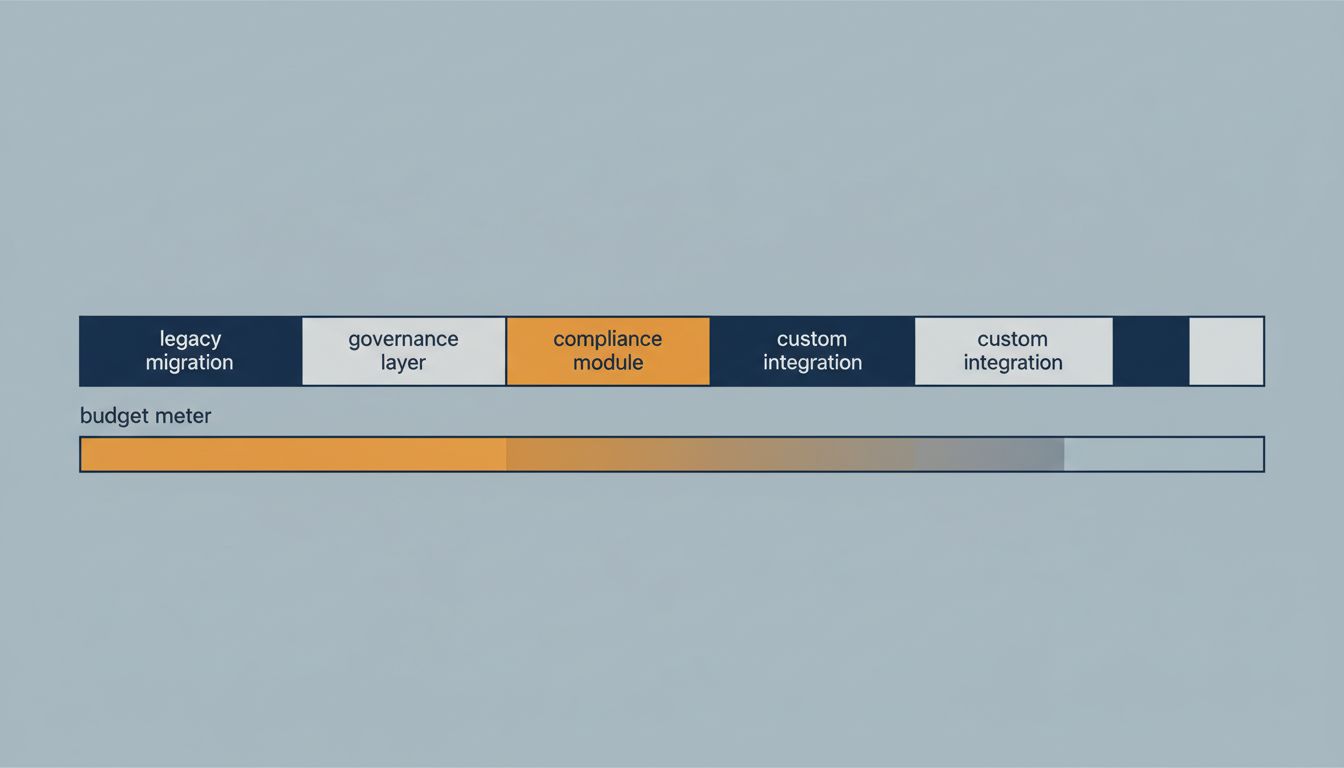
This is not a conspiracy. It is an incentive structure, and incentive structures reliably produce predictable behaviors. The enterprise software market is, in many ways, a canonical example of what happens when platform companies generate the majority of their revenue from users who feel trapped rather than genuinely loyal. Once a company is two years into a SAP implementation or a Salesforce customization project, switching costs become astronomical. The vendor knows this. The client eventually knows this. The transformation drags on.
The companies that navigate this most successfully treat vendor relationships the way effective negotiators treat any asymmetric dynamic: they stay replaceable for as long as possible. They resist customization. They build on standard configurations. They preserve their ability to exit.
What Actually Works
The evidence on successful transformations points toward a set of counterintuitive practices. First, the scope is always smaller than anyone initially proposes. The organizations that succeed pick one broken process, fix it completely, and generate a proof of concept that earns internal credibility before expanding. This mirrors what works in product development, where startups that deliberately choose markets that look too small to investors consistently outperform those that go broad too early.
Second, successful transformations treat communication overhead as a measurable cost. Every additional approval layer, every cross-departmental sign-off requirement, every status meeting is a tax on momentum. Successful teams that delete half their communication channels consistently move faster than those optimizing for visibility and inclusion.
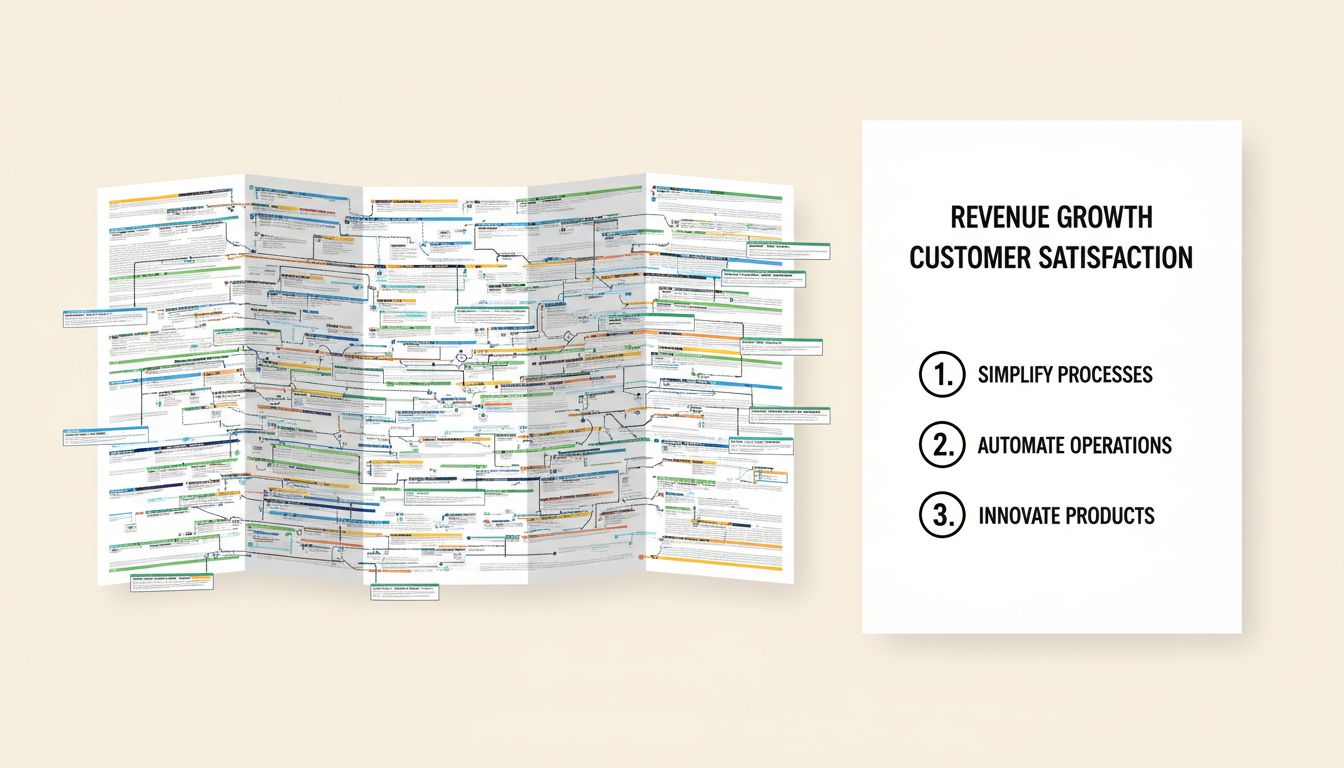
Third, and perhaps most important: the companies that succeed redefine what success looks like before the project starts. Not in terms of technology milestones, but in terms of business outcomes that non-technical executives can verify with their own eyes. Revenue generated. Costs eliminated. Customer complaints resolved. When those outcomes are the measuring stick from day one, the whole project behaves differently.
The Uncomfortable Conclusion
The 84% failure rate is not going to improve because AI gets better, or because cloud infrastructure gets cheaper, or because the next generation of ERP systems is more intuitive. It will improve when organizations stop treating transformation as a technology procurement exercise and start treating it as an organizational behavior problem that technology can, in limited and specific ways, help solve.
The companies that understand this are already ahead. They are not running transformation programs. They are running targeted behavior change initiatives that happen to include software. The distinction sounds semantic. The results are not.
The hidden reason digital transformation fails is that it was never really about digital at all. It was always about whether an organization had the structural honesty to change how it makes decisions, and the discipline to measure what actually matters. The technology was always the easy part.