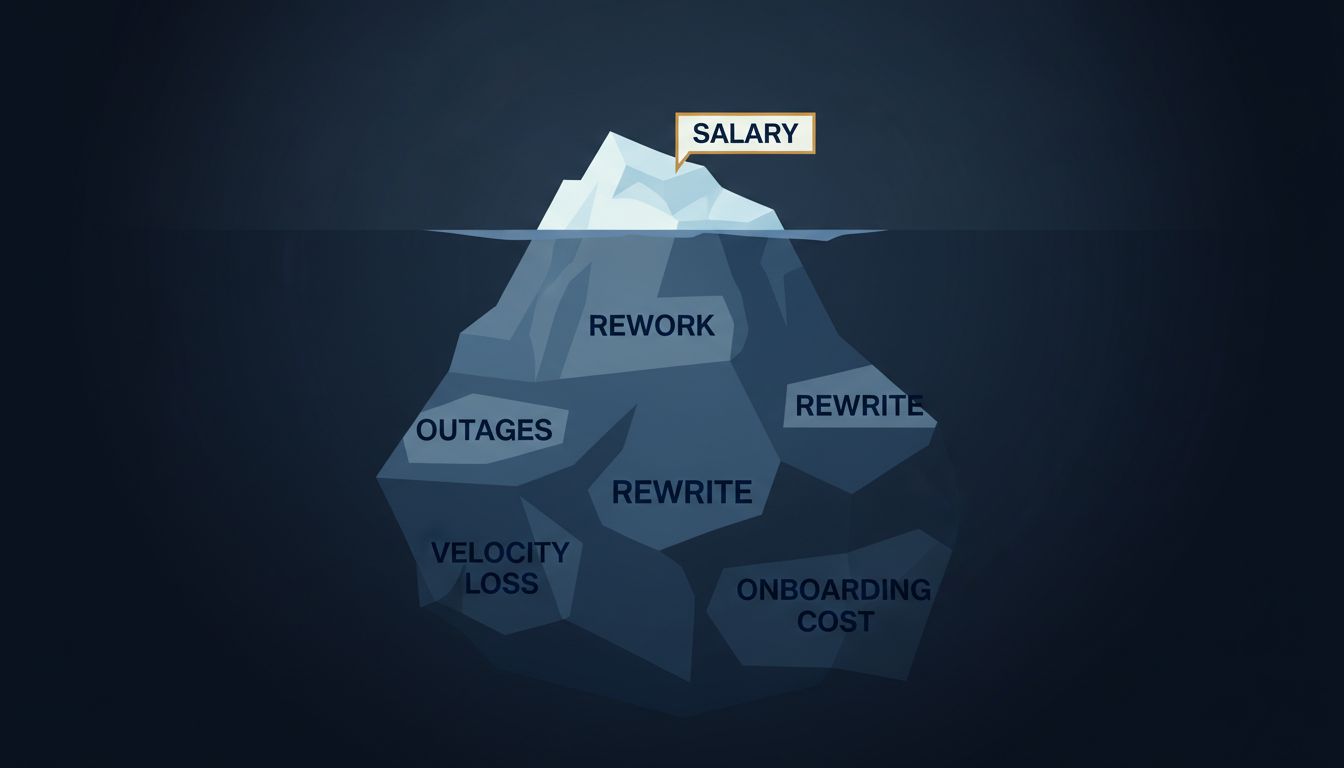

The labyrinthine exit clauses buried in enterprise software agreements are not accidents of corporate legal departments working too fast. They are the deliberate architecture of a business model that treats customer retention not as something earned, but as something engineered. The complexity is the point.
The Lock-in Is Structural, Not Incidental
When Oracle, SAP, or Salesforce negotiate a multi-year enterprise deal, the contract terms are only part of the retention strategy. The deeper mechanism is technical and organizational entanglement. Data gets stored in proprietary formats. Workflows get rebuilt around the vendor’s interface conventions. Integrations multiply. Staff get trained and certified on the vendor’s specific tooling. By the time a company wants to leave, it isn’t just canceling a contract. It’s dismantling an operational nervous system.
This is the switching cost model executed at scale. The software itself often becomes secondary to the accumulated weight of everything built around it. SAP customers don’t stay because SAP ERP is irreplaceable. They stay because migrating away from a decade of customizations, integrations, and institutionalized workarounds is genuinely terrifying. The software vendor understands this better than the customer does, and prices the renewal accordingly.
The Contract Language Does the Rest
Once the technical lock-in is established, the contract terms serve as a second layer of retention. Auto-renewal clauses with 90-day or 180-day cancellation windows mean that a company which decides in January it wants to leave might not be able to exit until the following year, or the year after. Notice periods are long. Termination-for-convenience clauses often come with financial penalties that make early exit economically irrational. Pricing for reduced-seat contracts is structured to discourage downsizing.
None of this is hidden, exactly. It’s all in the agreement, buried under defined terms and cross-references. But enterprise software procurement teams are typically not the same people who will later try to cancel, and institutional knowledge about contractual exit mechanics decays quickly. Vendors know this. The gap between the person who signed and the person who eventually wants to leave is a structural feature of the model, not a bug the vendor is trying to fix.
This Is Why “Customer Success” Teams Exist
The customer success function in enterprise software is often discussed as a product improvement initiative, a way of ensuring customers get value from what they’ve bought. That framing is partly true. But customer success teams are also, and perhaps primarily, renewal defense operations. Their metrics are built around net revenue retention, which is a measure of how much revenue a company keeps from existing customers after accounting for churn and expansion. The organizational incentive is to prevent cancellation, not to solve problems.
This matters because it explains why customer success resources tend to get deployed heaviest in the 90 to 180 days before a renewal decision. That’s not when a struggling customer needs the most help. That’s when the vendor is most exposed to losing the contract. The timing reveals the priority.
The Counterargument
The standard defense from vendors is that long contracts and complex termination terms reflect the real cost of enterprise deployment. Implementation takes months. Professional services are expensive. Customization work is genuine labor. A vendor who invests substantially in onboarding a customer has legitimate reasons to want contractual stability.
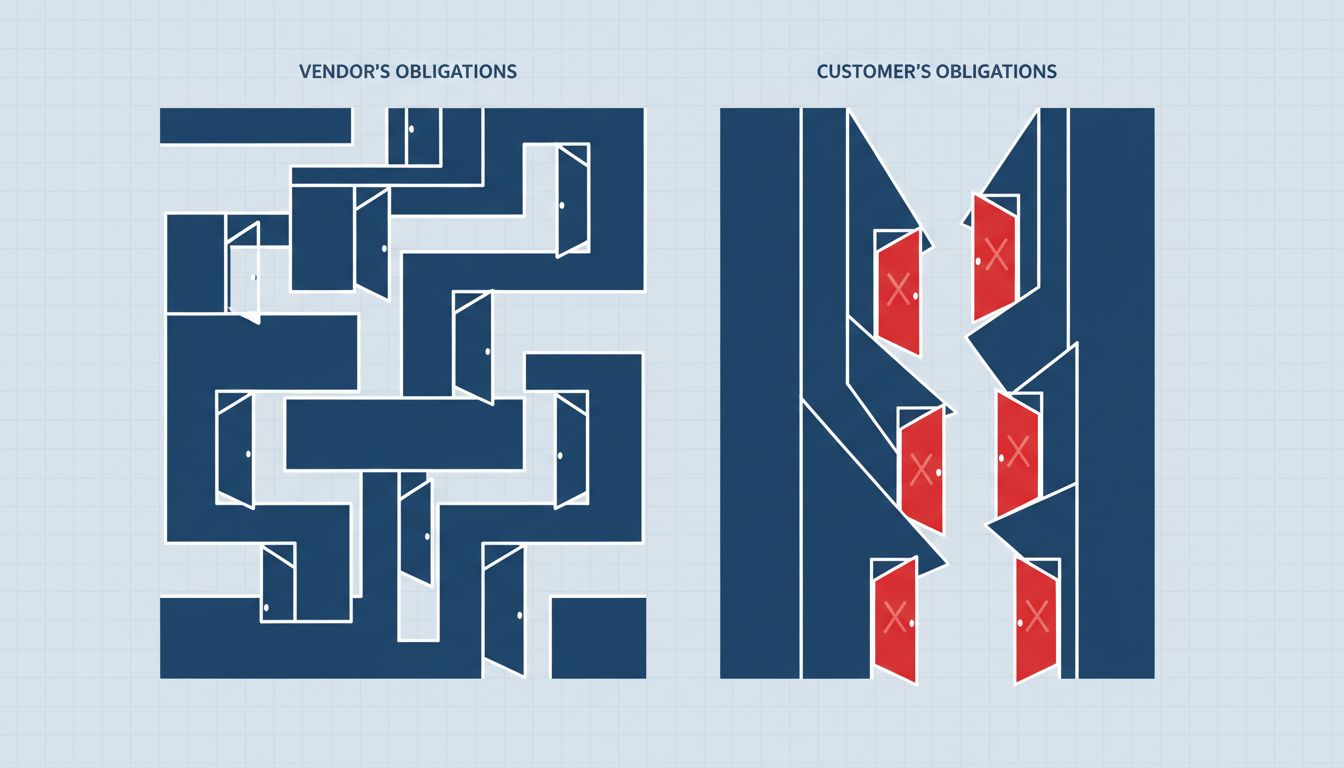
This is true, and it would be a compelling argument if the terms were symmetric. They are not. Vendors who fail to deliver contracted functionality typically face elaborate cure periods, liability caps, and arbitration clauses that make meaningful recourse difficult. The contract complexity that makes leaving hard for customers rarely makes accountability hard for vendors. If the terms were really about protecting a mutual investment, they would cut both ways.
The backward compatibility article on this site made a related point about how technical decisions that appear neutral are often retention mechanisms. Contract design follows the same logic. What looks like legal boilerplate is a fence.
The Market Is Slow to Correct This
Competition should, in theory, punish vendors whose contracts are predatory. Buyers should favor vendors with clean, cancellable agreements. Some do. The rise of usage-based pricing and shorter contract terms in newer SaaS categories reflects genuine buyer pressure, particularly from companies that have been burned by legacy enterprise deals and are determined not to repeat the experience.
But the correction is slower in markets where switching costs are highest, which is precisely the market segment where the most aggressive contract terms exist. A company that has run its financials on SAP for fifteen years is not going to switch to a competitor because the competitor’s contract is friendlier. The vendor with the deepest lock-in has the least incentive to reform its terms. This is why the problem persists despite buyers being aware of it.
The honest description of enterprise software contract design is this: it is a legal and technical system built to transform a recurring revenue relationship into something that functions more like a permanent one. The impossibility of cancellation is not a side effect. It is the goal.