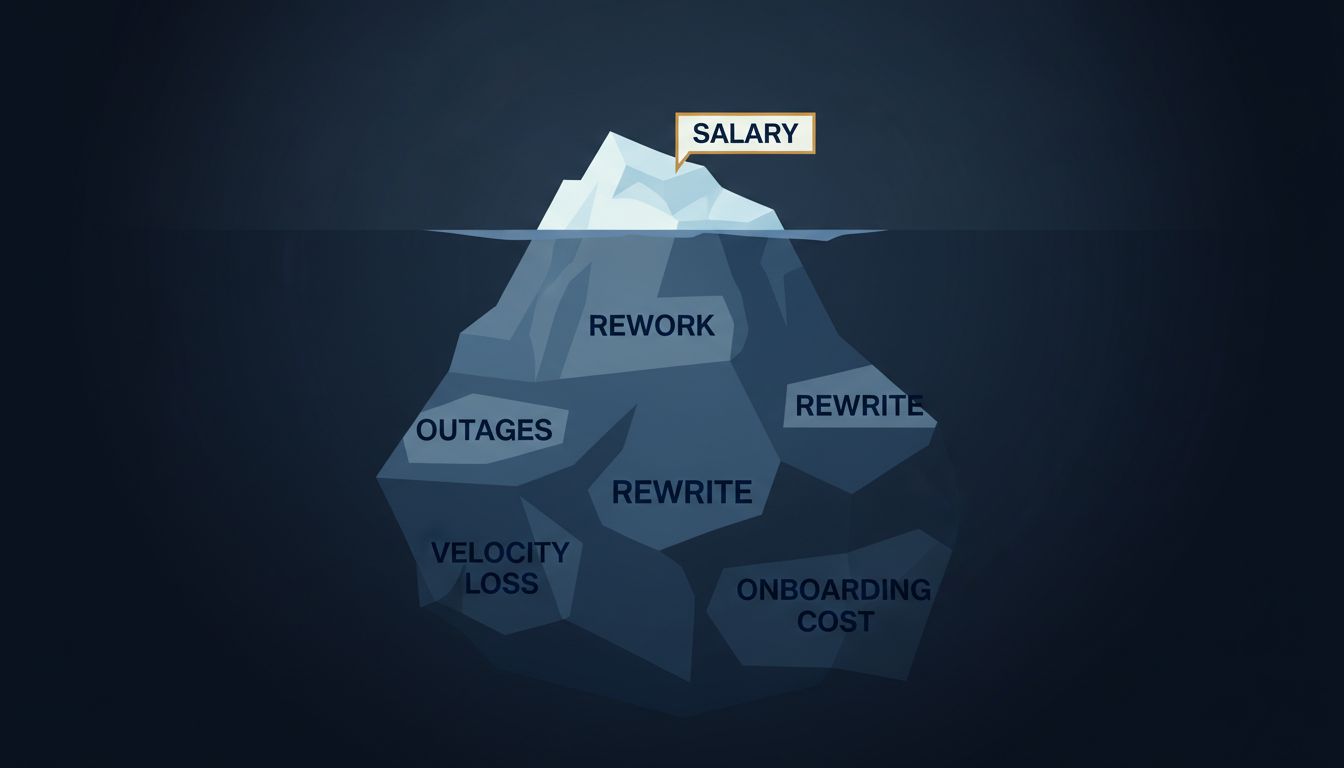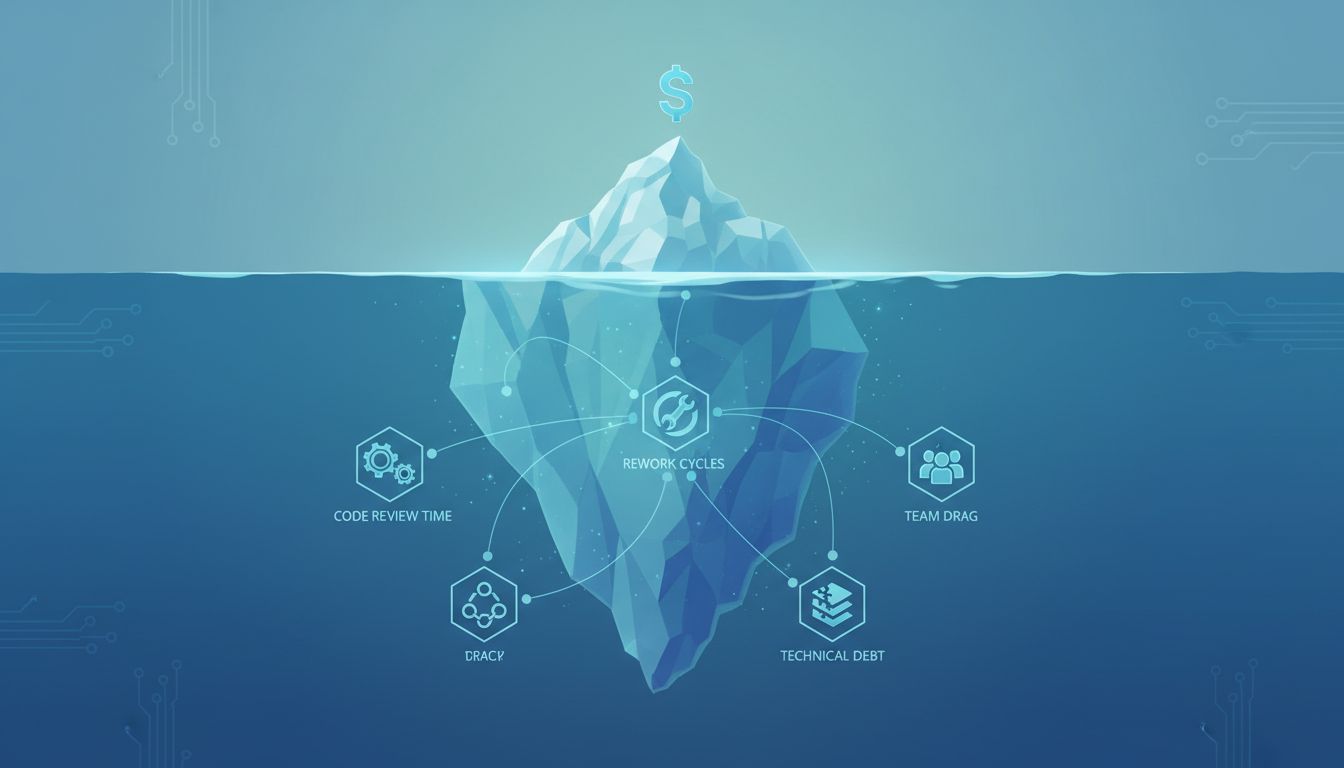

Price is not just a revenue lever. For developer-facing products, it is a signal that shapes how buyers evaluate, adopt, and commit to what you’re selling. API pricing in particular carries an unusual amount of semiotic weight because the buyer is often also the builder, and builders read pricing as a proxy for seriousness. The pattern of higher prices producing more sales is counterintuitive but well-documented enough across B2B software that it deserves a structured explanation.
1. Low Prices Attract the Wrong Buyers
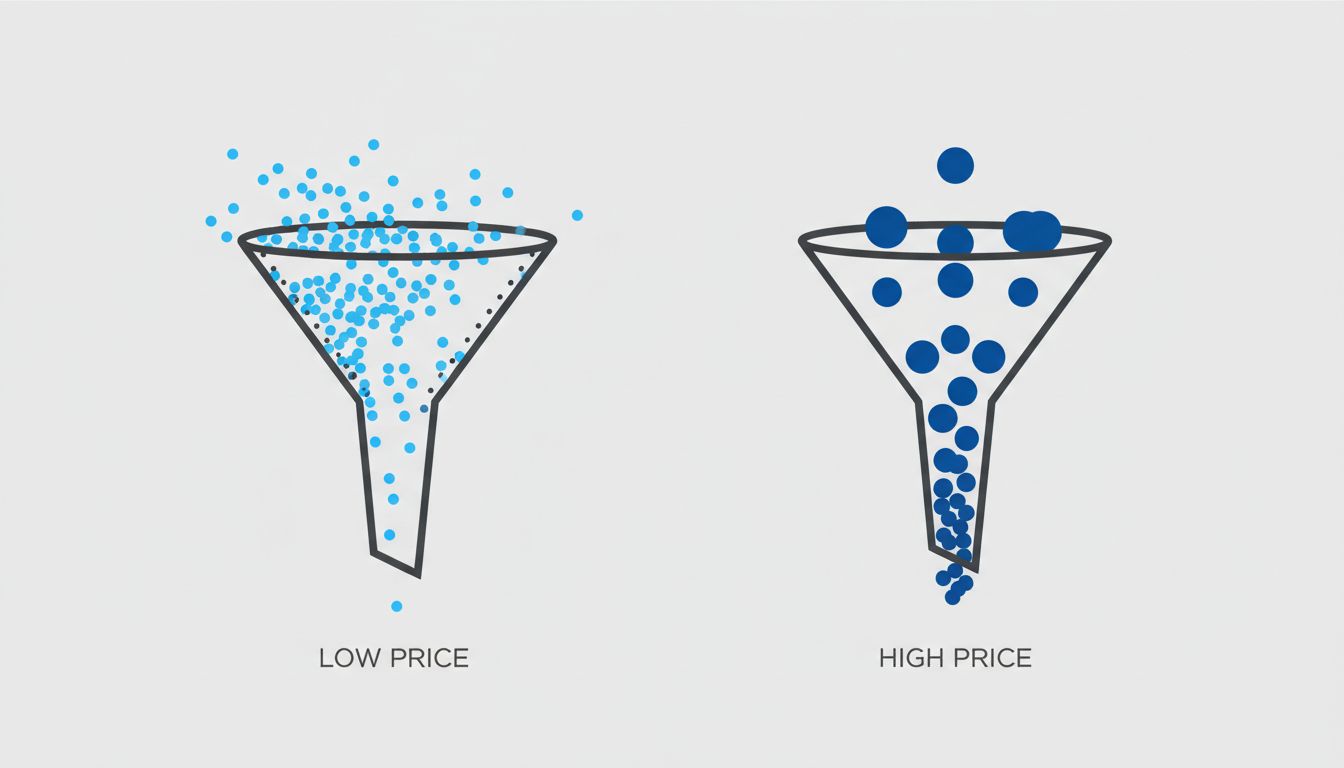
Free and near-free tiers pull in experimenters. That sounds like a good thing until you realize that experimenters generate support tickets, churn before converting, and poison your usage data with noise that obscures what real customers actually need. The buyers who balk at a $500/month API minimum are often the same buyers who would spend three weeks integrating your product and then abandon it when their side project stalls.
Seriousness correlates with willingness to pay. Not perfectly, but reliably enough that many API-first companies report that their support-to-revenue ratio improves dramatically once they remove low-cost entry points. Higher prices function as a filter before you’ve exchanged a single email.
This connects directly to a broader argument about early customers: your first hundred customers are often the wrong customers to scale with. API pricing is one of the few mechanisms that lets you influence who shows up before they ever talk to sales.
2. Engineers Treat Cheap APIs as Disposable
There is a real and underappreciated psychological dynamic at play when a developer integrates a $9/month API versus a $900/month one. The cheap integration gets built fast, with minimal error handling, and sits three abstraction layers deep in code that nobody revisits. The expensive integration gets a proper wrapper, gets documented, gets flagged in architecture reviews.
The downstream consequence is that cheap APIs get replaced easily. They were never considered load-bearing. Expensive APIs, even when a cheaper competitor appears, face genuine switching friction because the team treated the original integration with care. You built switching costs by charging enough that your buyers treated the integration as an investment.
3. Price Anchors Perceived Reliability
Cloud infrastructure pricing is instructive here. AWS, Google Cloud, and Azure are not the cheapest options for most workloads. Smaller providers consistently undercut them on raw compute cost. Yet enterprise buyers persistently choose the more expensive option, and the pricing itself is part of why. A service that charges enterprise rates implies it can sustain enterprise commitments: SLAs, support tiers, compliance certifications, the organizational machinery required to take your phone call at 2am when something breaks.
This is not irrational. Price is a credible signal precisely because it’s costly to fake. A provider charging serious money is more likely to have the margin to invest in reliability than one racing to the bottom. When Twilio established itself as the premium SMS API option rather than competing on per-message cost, it was making a bet that developers would pay more for the assurance that the product wouldn’t disappear. The bet paid out.
4. Higher Prices Force You to Build a Better Product
This is the mechanism that gets discussed least, probably because it’s uncomfortable. When you price low, you can get away with a mediocre product because customers haven’t committed enough to demand better. When you price high, customer expectations scale accordingly, and if your product doesn’t meet them, you hear about it immediately and specifically.
That feedback loop is valuable. Companies that charge real money for their APIs tend to have better documentation, better SDKs, and better error messages, not because they’re more virtuous but because their customers won’t tolerate anything less. The pricing creates accountability that a freemium model structurally avoids. Startups that charge more from day one tend to build more durable products for exactly this reason.
5. Sales Teams Take You Seriously
If you’re selling through any kind of enterprise motion, your internal sales team’s enthusiasm for a product correlates strongly with deal size. A $50/month API is a product someone demos and forgets. A $5,000/month API is a product that gets into pipeline reviews, gets a champion, gets negotiated into multi-year contracts.
This effect compounds outward. Resellers, system integrators, and technology partners make the same calculation. The economics of building a practice around your API only work if there’s enough revenue to share. Many API products that struggled to gain partner traction at low price points found that raising prices unlocked an entirely new distribution channel, because suddenly the partnership was worth the partner’s time.
6. Cheap Pricing Signals Lack of Conviction
Founders often underprice because they’re afraid of rejection. The logic is seductive: if we price low, fewer people will say no. What they miss is that aggressive discounting signals uncertainty about the product’s value, and sophisticated buyers notice. A procurement officer who sees a vendor willing to discount 60% on the first conversation does not conclude they’ve found a bargain. They conclude the vendor was lying about the original price.
Pricing with confidence communicates that you have enough customers to afford standards. It says the product is worth what you’re asking and you’d rather lose the deal than compromise the signal. That posture, paradoxically, closes more deals than the eager discounting it replaces. The buyers you most want, the ones building core infrastructure on your API, are specifically looking for vendors who don’t seem desperate.