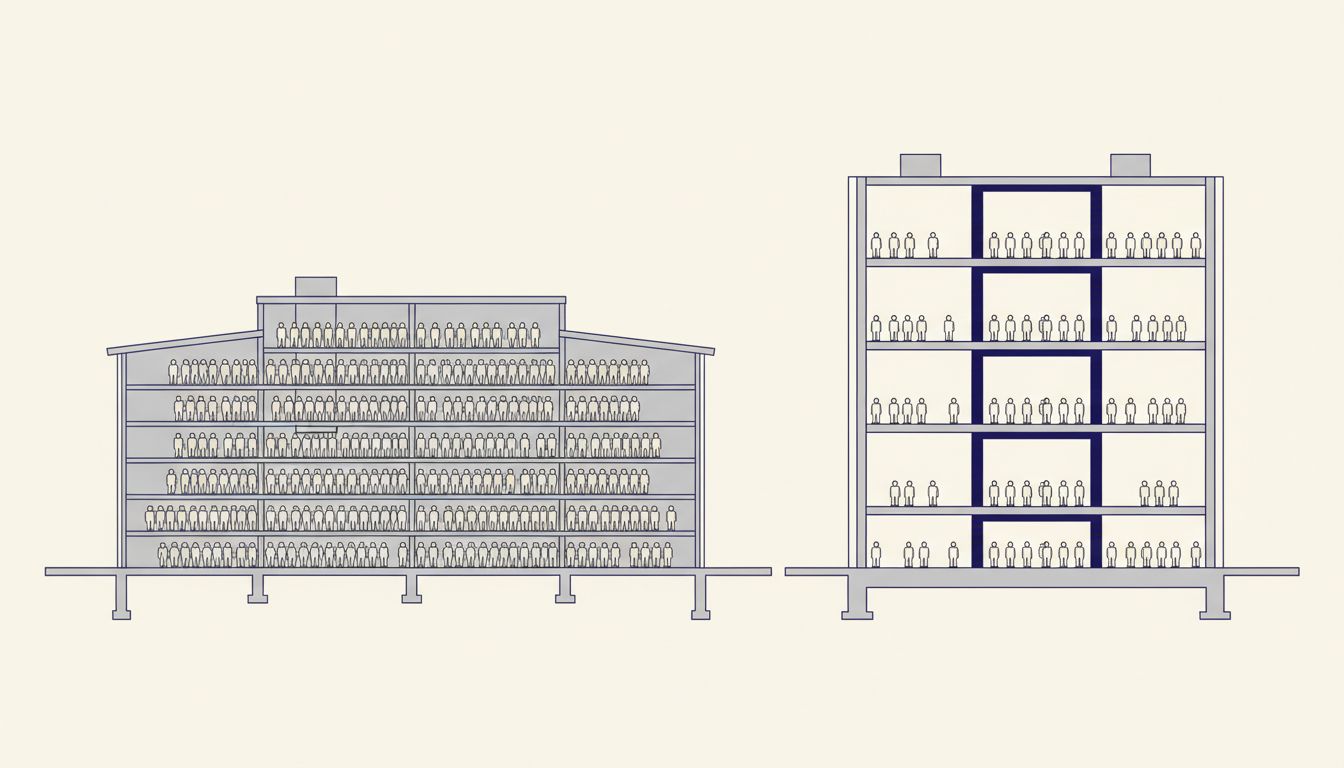
The failure rate for venture-backed software startups is high enough that most investors build it into their models. What those models don’t account for is the collateral damage: the businesses that reorganized their operations around a product that no longer exists. When a SaaS company dies, the founders often land softly. The customers frequently do not.
Here is what that actually looks like, in order of how quickly each problem arrives.
1. Access Disappears Before the Warning Does
In a well-managed shutdown, customers get 30, 60, sometimes 90 days of notice. In practice, many do not. When a company runs out of cash quickly, the infrastructure gets switched off on the same timeline as payroll stops. Customers logging in on a Tuesday morning discover a 502 error and a support inbox that no one is monitoring.
The harm here is not just inconvenience. Businesses running workflows through a dead SaaS product lose access to records, customer histories, and outputs that may have been accumulating for years. If the company stored that data in a proprietary format and exported nothing before the lights went out, the data is functionally gone. “Functionally” is doing real work in that sentence: the data may still exist on some server somewhere, but there is no one left with the authority or the incentive to retrieve it.
2. Data Becomes a Negotiation With a Company That Has No Leverage to Give You What You Need
Most SaaS terms of service promise data portability in the event of termination. Fewer specify the format, the timeline, or who bears the cost of the export. When a company enters wind-down, the engineering team is usually gone first, which means the person responsible for building the export tool has already been laid off.
What customers are left with is a legal claim against a company with no assets. A contract that says “we will return your data upon request” is worth considerably less when the entity making that promise has dissolved. This is the specific failure mode that enterprise procurement teams are supposed to catch with vendor risk assessments, and frequently don’t, because the assessment happens once at contract signing and never again.

3. Integrations Break in Ways That Are Hard to Diagnose
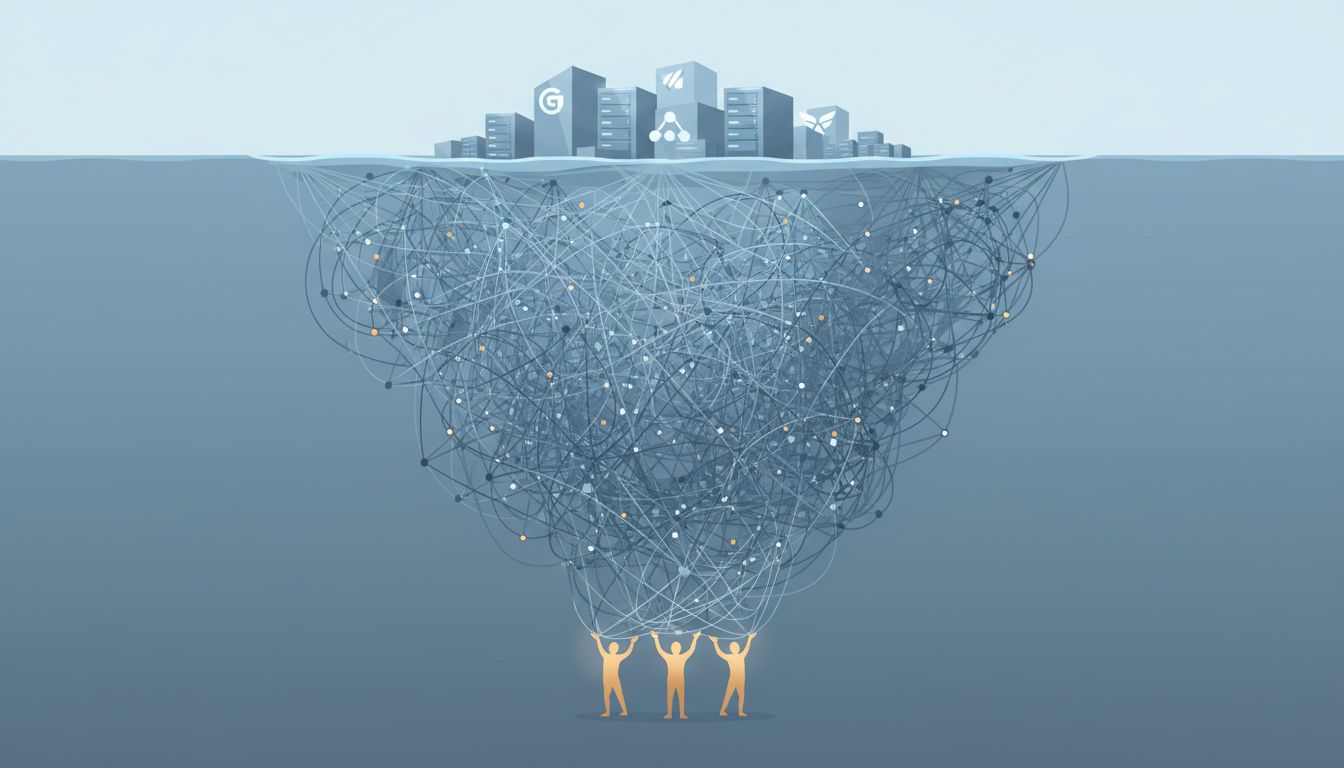
Modern software stacks are deeply interconnected. A SaaS product in the middle of a business’s workflow is not just a destination, it is a relay. When it disappears, the tools upstream and downstream of it start behaving strangely, and the root cause is not always obvious.
A customer relationship tool that stopped syncing with an accounting platform, a scheduling system that silently stopped sending confirmation emails, an inventory tracker that halted its API calls to a logistics provider: each of these looks initially like a problem with the surviving software. By the time someone identifies the dead SaaS as the source, hours or days of operational confusion have accumulated. The hidden cost of SaaS failure is often less the lost product and more the diagnostic time spent on symptoms in tools that are still running.
4. Competitors Use the Chaos as a Sales Opportunity
This is the one item on this list that is not obviously bad. When a SaaS product shuts down, its competitors immediately know they have a motivated pool of buyers with an urgent timeline and zero loyalty to their existing vendor (who just abandoned them). Sales cycles compress dramatically.
The problem for customers is that urgency is the enemy of negotiation. A procurement process that would normally run six to eight weeks gets compressed into two, references get skipped, pricing scrutiny drops, and contract terms get accepted that would otherwise be pushed back on. Customers who migrate under pressure frequently pay more and accept worse terms than they would have in an orderly evaluation. The second vendor often benefits from the first vendor’s failure in ways that are not reflected in the replacement software’s actual quality. As we’ve noted elsewhere, second-mover advantage is real, and in this context it applies to the companies circling a collapsing competitor’s customer base.
5. The Institutional Knowledge Built Inside the Tool Is Unrecoverable
This is the loss that rarely shows up in a post-mortem. When a team uses a SaaS product for years, they develop ways of using it that are specific to the tool: folder structures, tagging conventions, search habits, workflow shortcuts. That accumulated organizational knowledge does not transfer to a new product because it was never documented anywhere. It lived in the software.
A notes tool that closes does not just take the notes. It takes the system the team built for finding notes, prioritizing them, and sharing them. A project management platform that shuts down does not just erase open tickets. It erases the implicit process that grew up around how those tickets were structured and resolved. The new software will require rebuilding all of that from scratch, and nobody will remember making those original decisions because they were never decisions at all, just habits that formed over time.
6. The Shutdown Triggers a Compliance Problem Nobody Anticipated
For companies in regulated industries, a vendor shutdown can create a legal exposure that outlasts the operational disruption. Healthcare providers using SaaS tools for patient communication, financial firms relying on software to log client interactions, HR platforms storing employee records: all of these have retention and access requirements that do not pause because a vendor ran out of money.
If the data is inaccessible, the company holding it may still be responsible for producing it in a regulatory or legal context. The SaaS company’s failure does not transfer liability to the SaaS company. The customer retains the compliance obligation and inherits the problem of proving they made reasonable efforts to satisfy it. This is a relatively common problem and a genuinely underappreciated one when businesses evaluate vendor risk. A vendor’s financial health is a compliance variable, not just a business continuity one.
The common thread across all six of these is that SaaS customers routinely treat vendor relationships as operational dependencies and then fail to plan for the possibility that the vendor disappears. That is not a criticism of the customers. The whole sales motion of a SaaS company is designed to make the software feel permanent and foundational. The pricing page does not include a “what happens if we go under” section. It probably should.