Walk into any enterprise IT department and you will find a version of the same absurdity: a server that cost $4,000 running software that costs $40,000 a year, every year, forever. The hardware depreciates. The license does not. Most people assume this pricing gap exists because software is expensive to build. That assumption is wrong, and the companies selling you software have known it for decades.
The real reason software licenses outprice hardware comes down to a concept economists call switching costs, and the tech industry has engineered those costs more deliberately than almost any other sector. Understanding this dynamic explains not just your IT budget, but the entire strategic logic behind how the largest software companies on earth are built. It also explains some counterintuitive behavior, including why successful startups deliberately choose expensive solutions early in their lifecycle, betting that the right infrastructure lock-in can be an asset rather than a liability.
The Economics of Captivity
Hardware follows a brutal economic logic. Components commoditize. Competition drives margins toward zero. The server you buy today will be outperformed and underpriced by the server released next year. Hardware vendors live and die by volume.
Software exists in a different universe entirely. Once a piece of software is written, the marginal cost of distributing one more copy is effectively zero. This is the fact that every software economics primer leads with. But the more important fact, the one that actually explains pricing, is that software creates dependencies that hardware cannot.
Consider what happens when an organization adopts an enterprise resource planning system. Finance teams build workflows around it. Developers write integrations on top of it. Employees spend years developing muscle memory for its interface. Institutional knowledge accumulates inside its data structures. The software stops being a tool and becomes load-bearing infrastructure. At that point, the vendor is no longer competing with other vendors. They are competing with the cost of dismantling a company’s central nervous system.
This is not accidental. It is engineered.
The Architecture of Lock-In
Software companies build lock-in into their products the same way civil engineers build load-bearing walls into buildings: deliberately, structurally, and invisibly until the moment you try to remove them.
Proprietary file formats are the oldest trick. When your company’s documents live in a format only one vendor’s software can open, you are not paying for software. You are paying rent on your own data. Database schemas work similarly. So do API structures, authentication systems, and the quiet accumulation of integrations that connect one vendor’s product to another’s.
The most sophisticated version of this strategy involves workflow capture. The software does not just store your data. It shapes how your people think about their work. It restructures the cognitive habits of entire organizations. There is a reason that tech companies build features they never release on purpose, often holding capabilities in reserve until competitive pressure forces their hand. Features are not just functionality. They are threads in the dependency web.
This is also why enterprise software vendors invest so heavily in certifications, training programs, and partner ecosystems. Every SAP-certified consultant, every Salesforce developer, every organization built around a vendor’s specific toolchain is another strand in a web that keeps customers locked in place.
Why This Strategy Persists Against All Logic
Buyers are not naive. CFOs understand switching costs. CTOs can articulate exactly why their current vendor has them over a barrel. And yet the pattern repeats, company after company, decade after decade.
Part of the answer is temporal. The decision to adopt a piece of software and the decision to renew its license are made years apart, often by different people with different incentives. The team that selects a platform is not the team that lives with its constraints five years later. By the time the true cost of lock-in becomes visible, the organization has already crossed the point of no return.
Another part of the answer is organizational. Switching costs are not just financial. They are political. Replacing a core system means disrupting every team that depends on it, burning political capital, and accepting months of productivity loss during migration. The software bugs that multiply when teams grow during any large system transition are not metaphorical. They are real, and everyone in IT has a scar to prove it.
The Hardware Counterexample Proves the Point
Look at what happens in markets where software lock-in is structurally difficult. Linux commoditized server operating systems by eliminating proprietary dependencies. Cloud infrastructure created competition because the abstraction layer meant workloads could theoretically move. Open standards in networking eroded the pricing power of hardware vendors who had previously enjoyed software-like margins.
In each case, the erosion of switching costs produced the erosion of pricing power. The two move together, reliably enough to be a law.
This also explains why venture capitalists deliberately fund competitors in the same market. From the outside, it looks like contradiction. From the inside, it is portfolio construction around the switching-cost thesis. Whoever wins the category and locks in enterprise customers wins the annuity stream. The VC does not need to pick the winner in advance. They need exposure to the winner, whoever it turns out to be.
What This Means for Anyone Buying Software
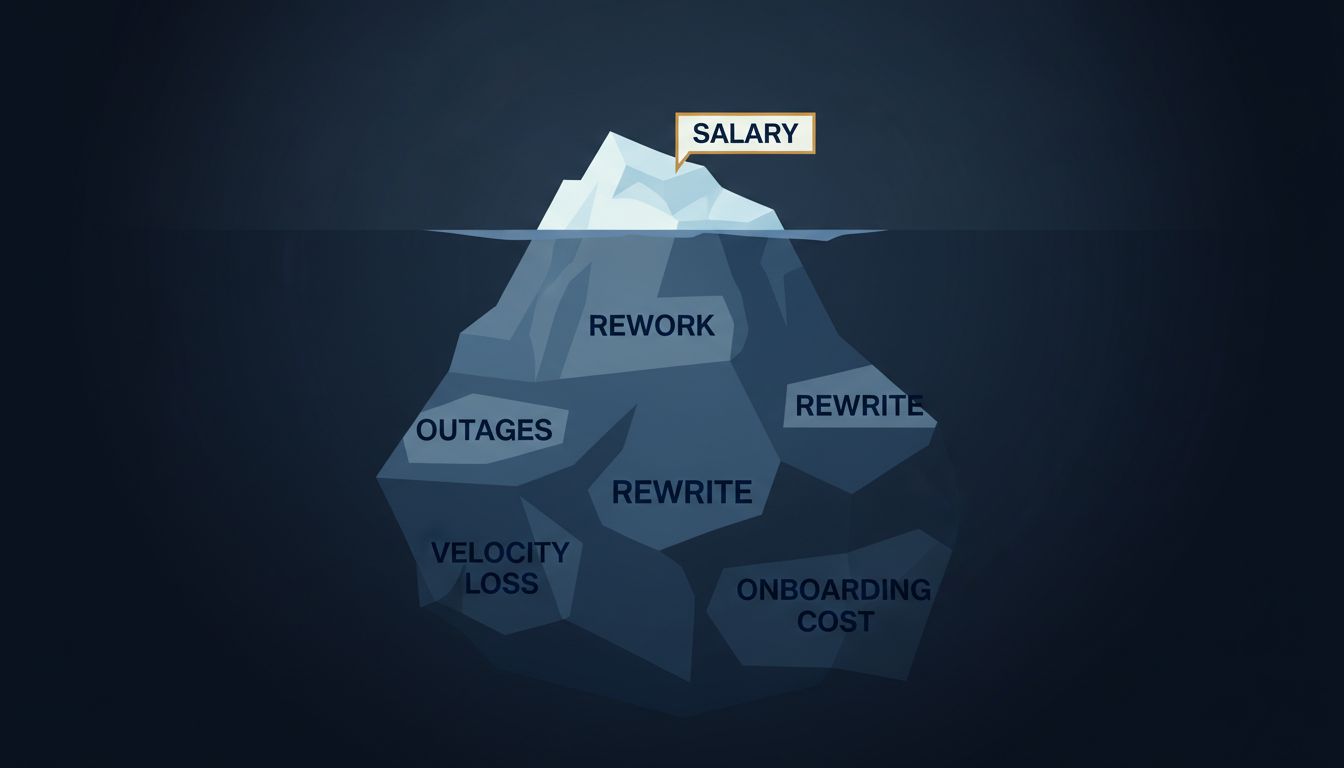
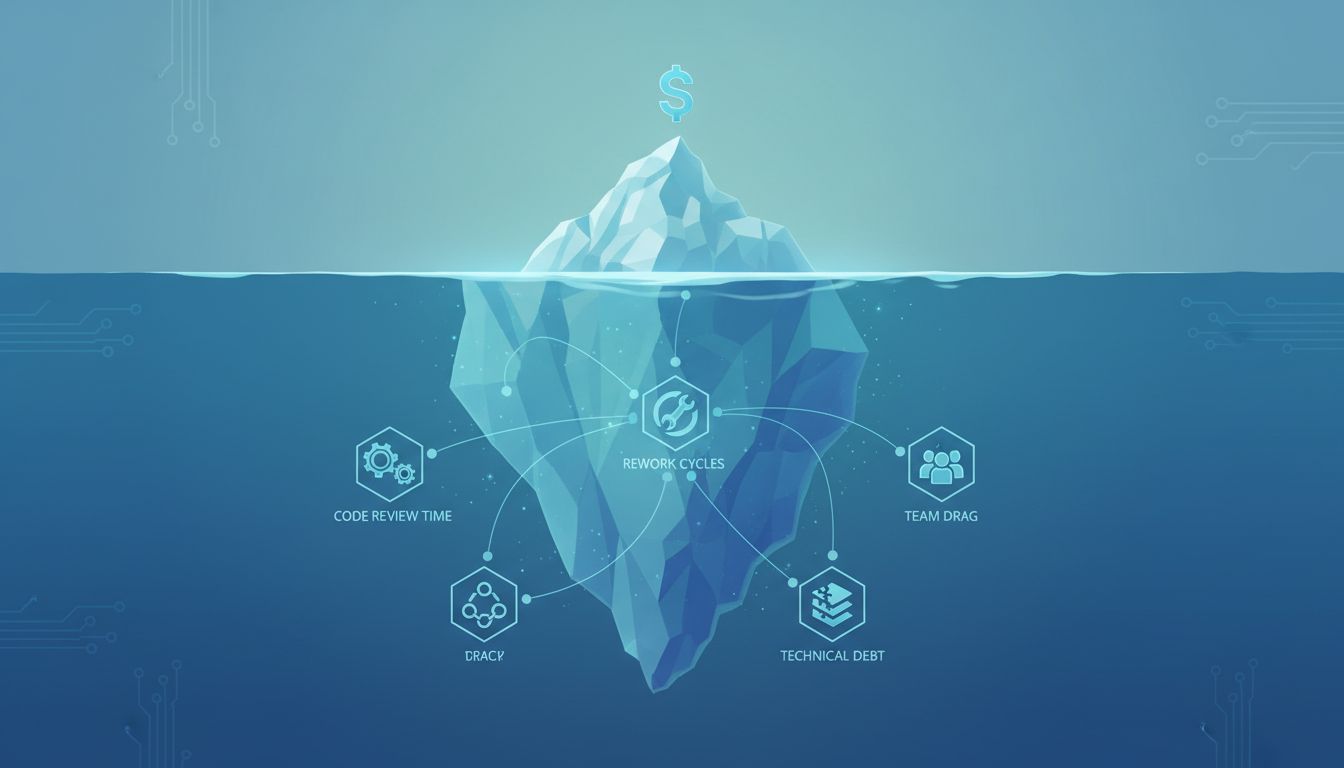
The license price is not the price. The price is the license, plus the cost of migration, plus the opportunity cost of not switching, plus the years of above-market renewal increases you will accept because the alternative is worse.
Sophisticated buyers have started pricing this in. The practice of total cost of ownership analysis, accounting for integration complexity, data portability, and exit costs before signing, is growing. Open source alternatives have become more credible in categories where they were once dismissed. Contract clauses requiring data export in open formats have become standard negotiating points in procurement.
But the fundamental dynamic has not changed. Software vendors will continue to build lock-in into their products because the economics reward it overwhelmingly. The question for any organization is not whether to engage with proprietary software (the practical answer is almost always yes) but how to engage with eyes open, understanding that the license fee is the beginning of the conversation, not the end.
The hardware sitting in your data center will be worthless in five years. The software license running on top of it will cost more at renewal than it did today. That asymmetry is not a pricing quirk. It is the entire business model, designed from the first line of code.