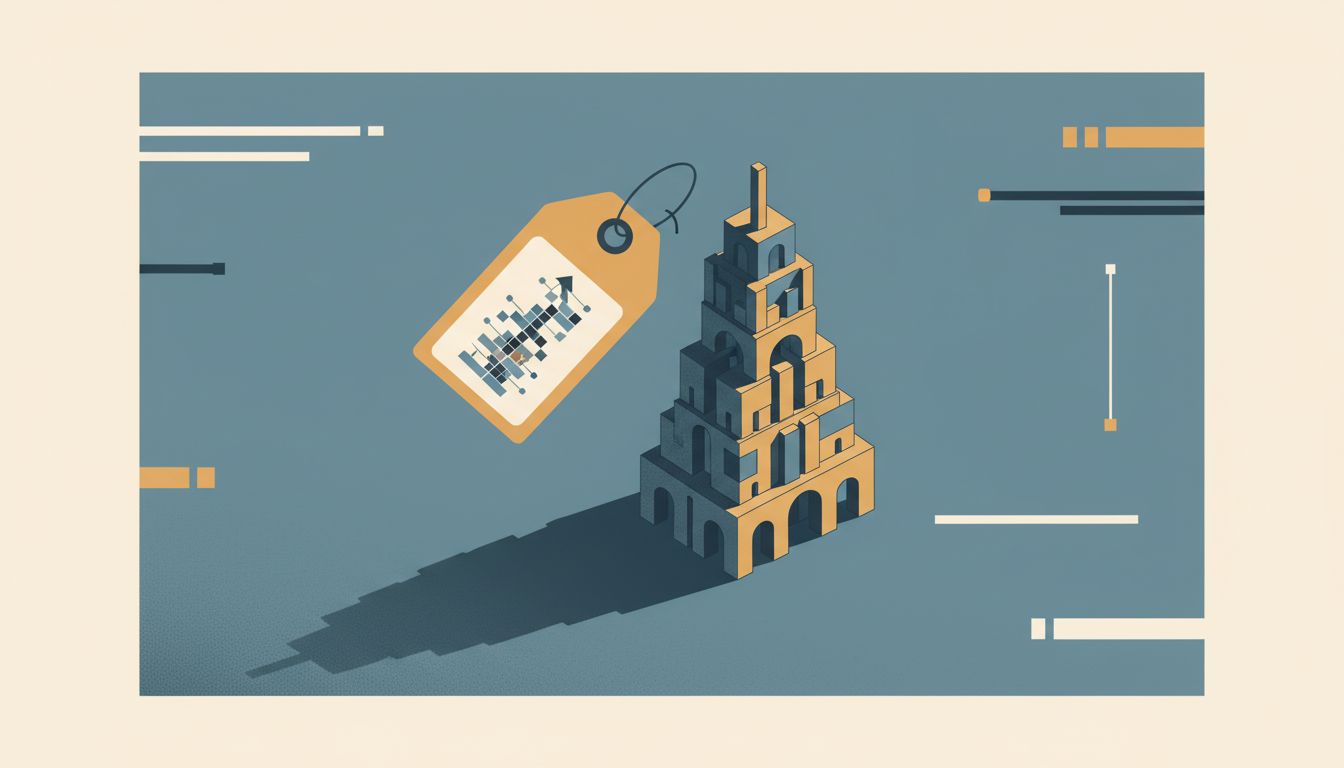
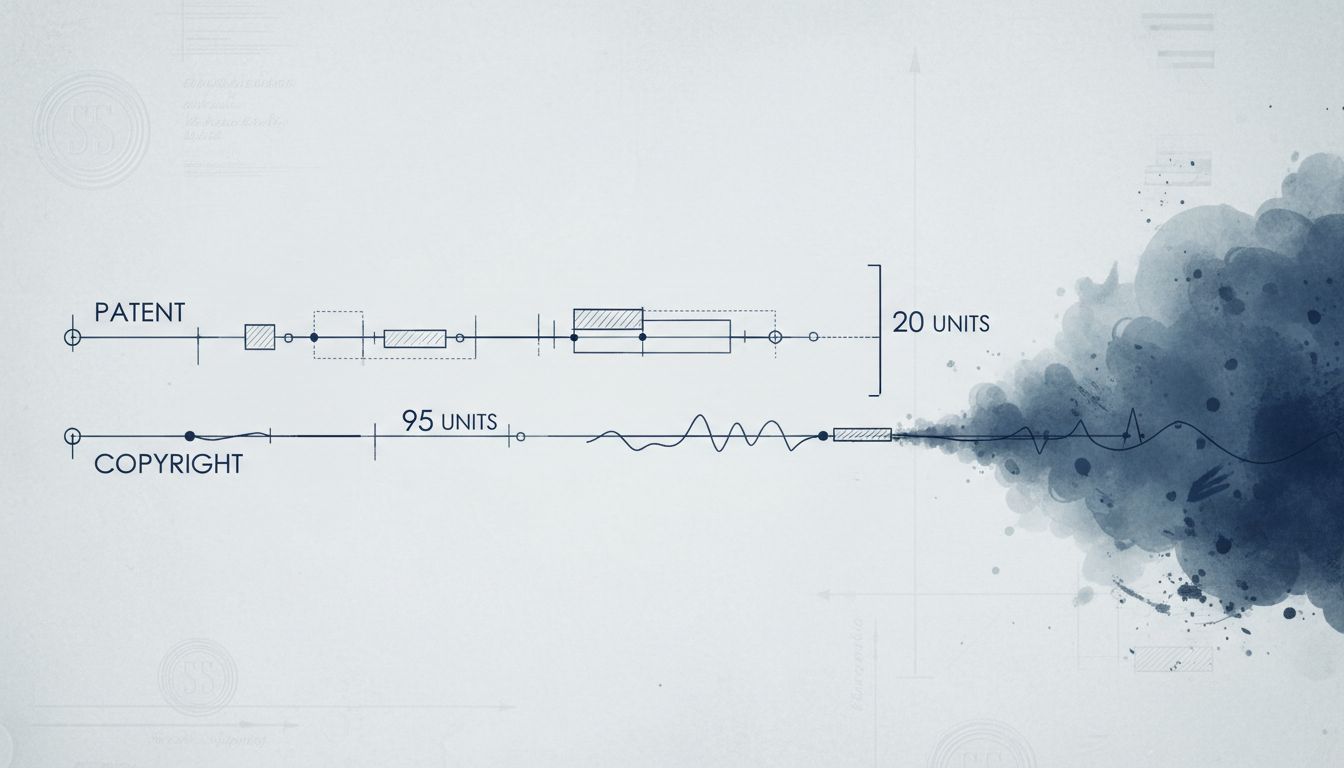
Imagine you write a sorting algorithm in 1995. Nothing revolutionary, just competent code that ships in a product. Under current law, the copyright on that specific expression of code lasts until 2090, give or take. Meanwhile, if you had patented the underlying method, it would have expired in 2015. The code outlives the idea it implements by 75 years.
Most people treat this as an obscure legal footnote. It isn’t. It’s a window into how intellectual property law gets shaped by whoever has the most to gain from it, and in software, the beneficiaries have been large incumbent corporations, not individual developers or the public.
The Gap Was Designed Into the System
Patent terms are 20 years from filing. Copyright terms for corporate works are 95 years from publication (or 120 from creation, whichever is shorter), following the Sonny Bono Copyright Term Extension Act of 1998. That act extended terms by 20 years and was lobbied for heavily by Disney and other entertainment companies whose early properties, including the original Mickey Mouse shorts, were approaching the public domain.
Software got swept up in copyright protection not because anyone thought code needed 95 years of protection to incentivize creation, but because the legal hooks were already there. The courts, beginning with the Apple v. Franklin decision in 1983, confirmed that software qualified as copyrightable literary works. Once that ruling landed, every line of code written inside a corporation became an asset that would outlive the people who wrote it by decades.
The patent system, whatever its flaws, at least has a disclosure requirement. You have to publish your invention. The 20-year clock is a trade: you get exclusivity, the public gets documentation and eventual access. Copyright carries no such bargain. You just write the code, say nothing, and own it for nearly a century.
The Incentive Argument Falls Apart Under Pressure
The standard justification for long copyright terms is that creators need the protection to recoup investment. For novels and films this is at least debatable. For software it is nearly incoherent.
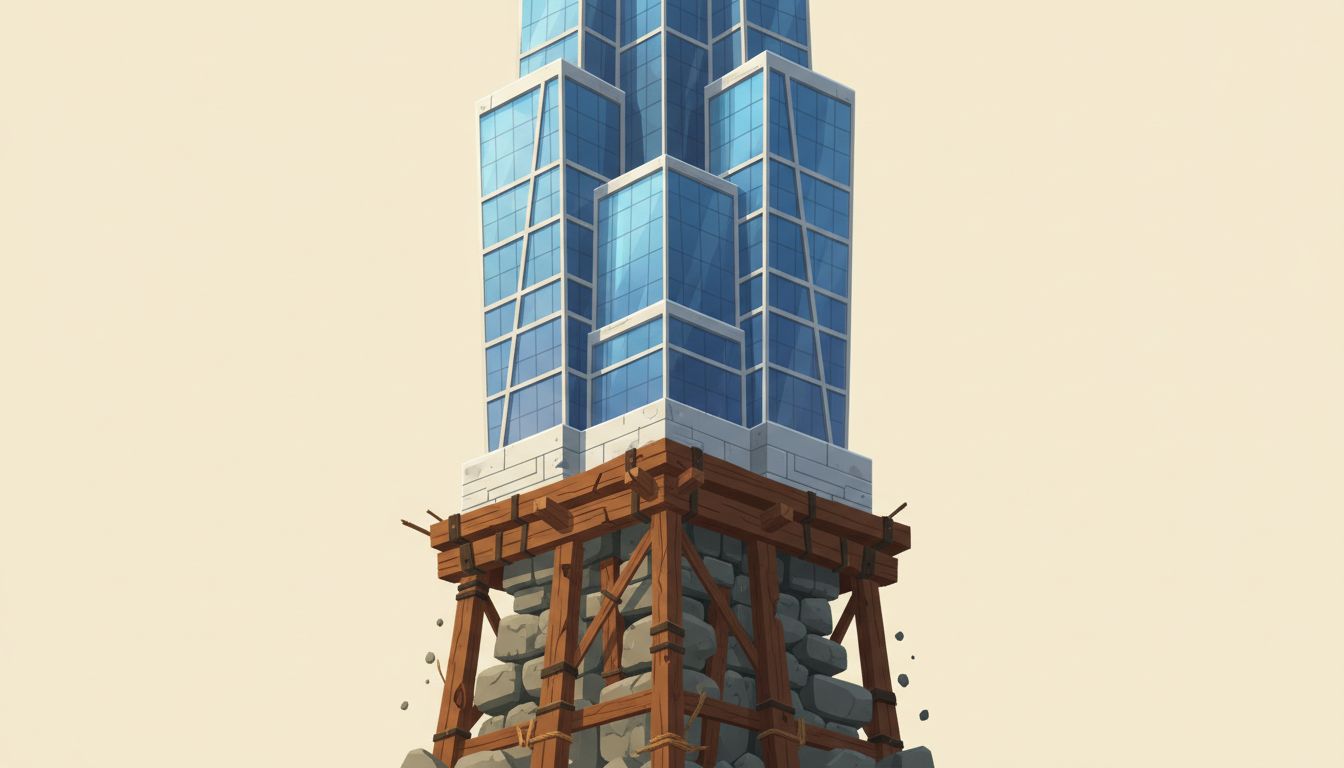
The economic lifespan of most commercial software is measured in years, sometimes months. The code running in a 1998 enterprise application is not generating revenue in 2025. The business model for software stopped being about licensing static code and moved to services, subscriptions, and continuous development. Extending copyright to 95 years doesn’t incentivize more software creation. It just means that old, often abandoned code stays locked up long after the company that wrote it has pivoted, been acquired, or gone bankrupt.
Orphaned software is a real problem. Researchers and archivists trying to preserve early computing history routinely hit copyright walls on code whose original owners are untraceable. The Internet Archive and the Software Preservation Network spend significant effort navigating rights for programs that nobody is selling and nobody is profiting from. The protection persists; the incentive rationale evaporated decades ago.
Who Actually Benefits From 95-Year Code Copyrights
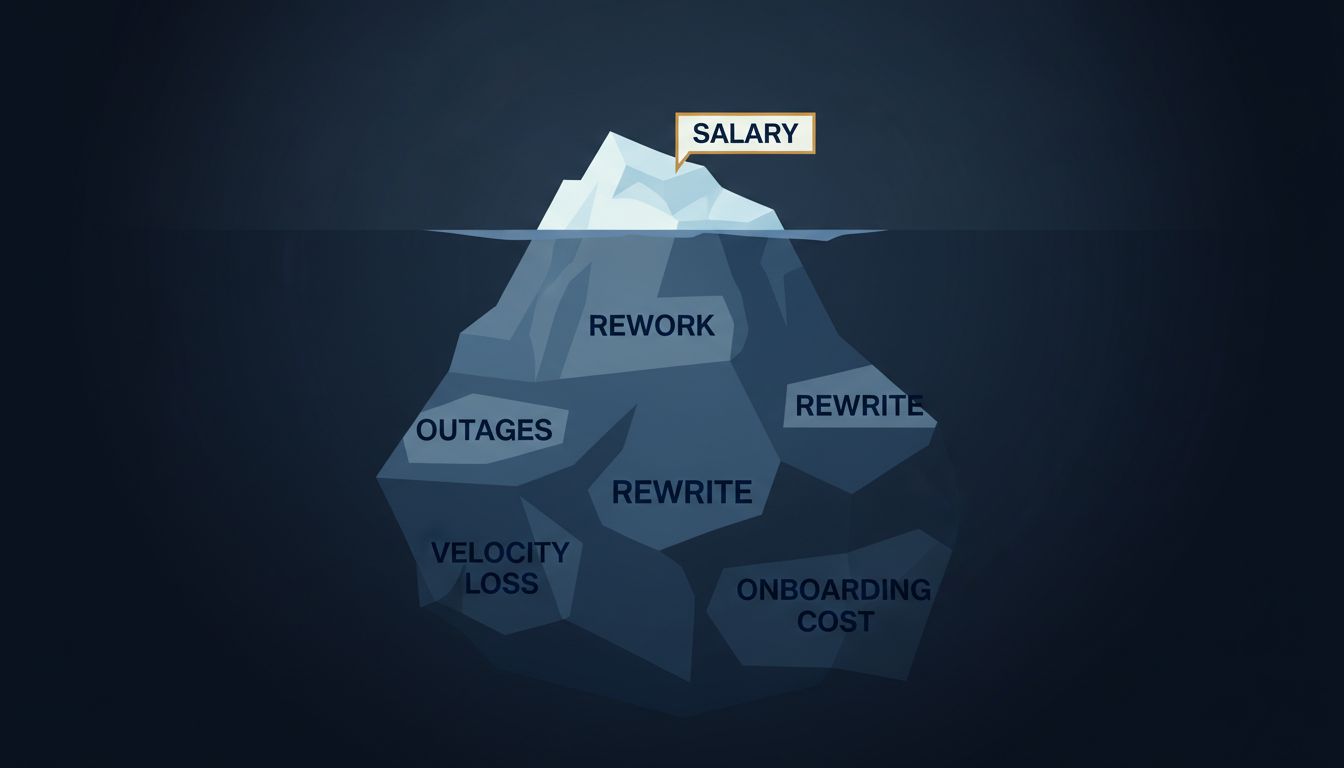
Not individual programmers. A developer who writes code as a work-for-hire, which covers the majority of commercial software development, owns nothing. The copyright belongs to the employer from day one. So the 95-year term protects Oracle’s claim on Java APIs, not the engineers who built them. It protects whatever Microsoft acquired when it bought GitHub. It protects the deep catalogs of companies that have since been acquired three times over.
This is why the Oracle v. Google case mattered so much. Oracle argued that copyright on the Java API structure deserved the same protection as the specific implementation code. The Supreme Court ultimately ruled for Google in 2021, but on narrow fair use grounds, not on the principle that APIs shouldn’t be copyrightable at all. The underlying vulnerability remains. Incumbents with large code catalogs have a structural legal advantage that compounds over time, regardless of whether that code is still in active use or development.
The Counterargument
The strongest version of the opposing view goes something like this: copyright length doesn’t actually matter much in practice for software, because the technology moves so fast that code becomes obsolete before the protection expires anyway. Nobody is going to build a business on 30-year-old COBOL subroutines, so the 95-year term is mostly theoretical.
This is partially true and largely beside the point. The harm isn’t that companies are building monopolies on ancient code. The harm is structural. Long copyright terms normalize treating code as an indefinite asset rather than a temporary competitive advantage. They create legal surface area that larger companies can use to suppress competitors, even when the underlying code is old or marginal. And they keep functional, interesting software out of the public domain and out of the hands of researchers and educators who would do something useful with it.
The pace of technology change isn’t a defense of long copyright terms. It’s an argument that we don’t need them.
The System Works Exactly as Intended
This is the part that’s worth sitting with. The mismatch between patent terms and copyright terms is not a bug left over from legislators who didn’t understand software. It’s the predictable result of who showed up to lobby when the rules were being written.
The 20-year patent term has roots in international trade agreements and genuine policy debate about innovation incentives. The 95-year copyright term has roots in Mickey Mouse approaching the public domain and a well-funded entertainment industry that understood the value of what it stood to lose.
Software happened to be copyrightable, and so it inherited a protection regime designed for a completely different type of creative work, one where a 70-year-old film can still generate revenue and cultural value. Most code cannot. Most code shouldn’t need to.
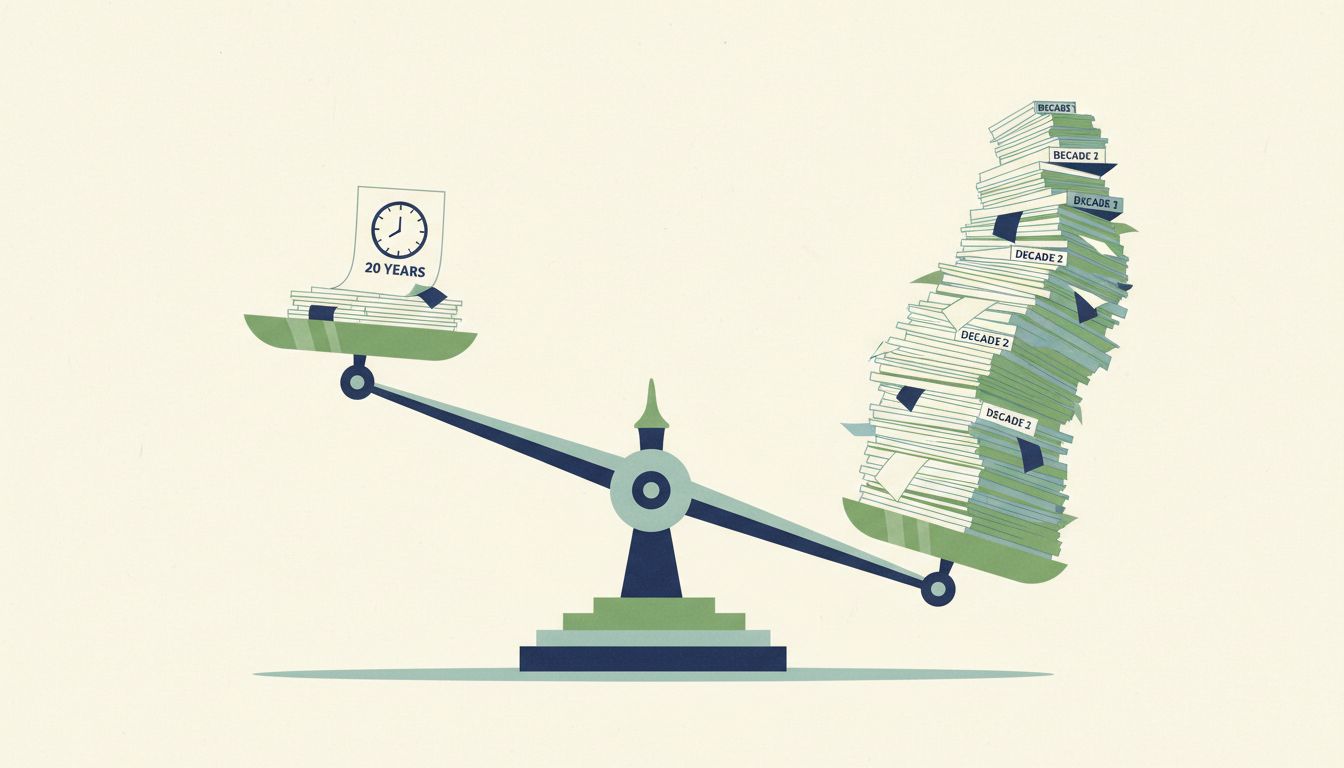
If we were designing IP protection for software from scratch, with the goal of actually incentivizing creation and benefiting the public, we would not end up anywhere near 95 years. We’d probably end up somewhere closer to patent terms, or shorter. The gap between 20 years and 95 years represents the distance between what makes sense and what the most powerful incumbents were able to negotiate. That’s not cynicism. That’s just how policy gets made.