
The Setup
In 2015, a mid-sized financial services firm in the midwest began a serious evaluation of its data integration stack. The company had been running Informatica PowerCenter for nearly a decade. The software handled ETL work (extract, transform, load) across dozens of internal systems, feeding a data warehouse that the finance and risk teams depended on daily. The annual license was not cheap. A competing platform, MuleSoft, had been pitching aggressively, offering a lower total cost at renewal.
The IT director who led the evaluation expected a procurement exercise. What he got was an education in switching costs.
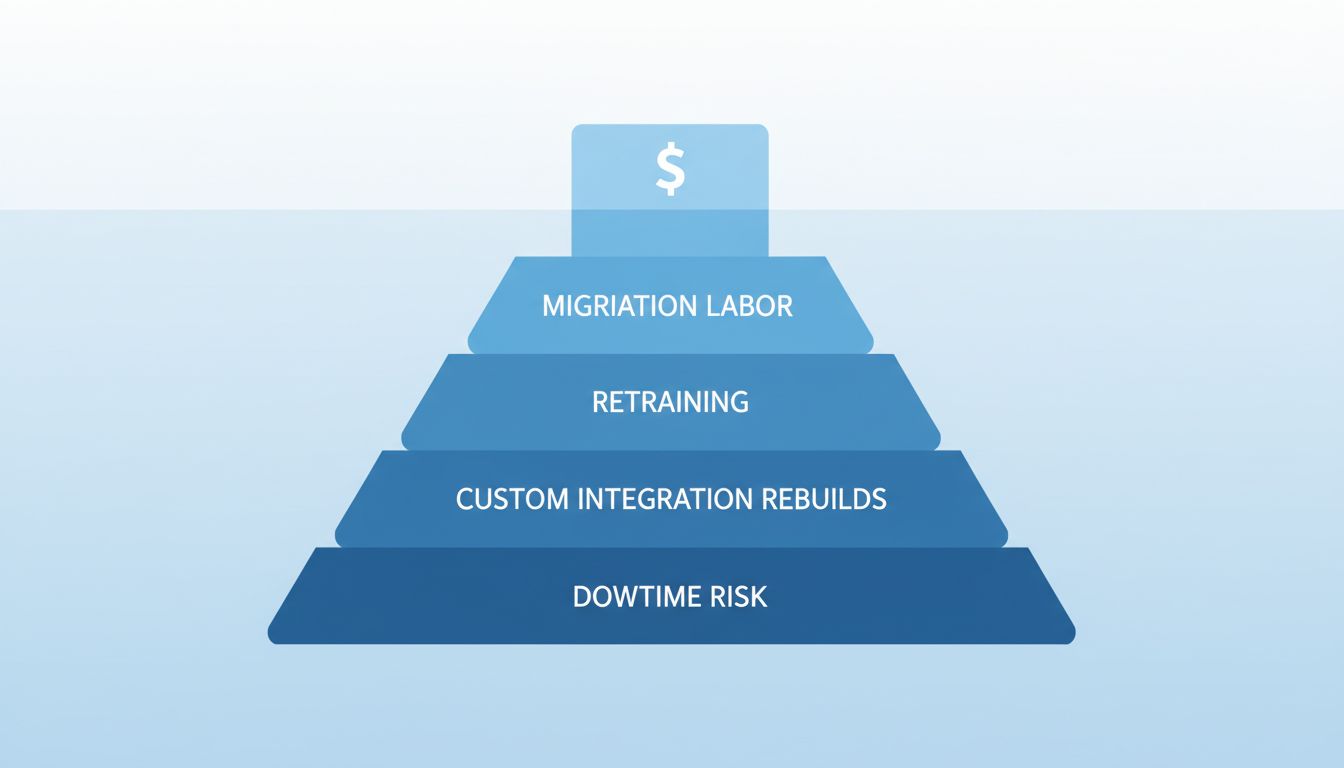
The technical audit his team ran over six weeks turned up something nobody had fully accounted for: more than 800 active data pipelines built in Informatica’s proprietary mapping language. Not transferable. Not exportable in any meaningful way. Each one would need to be rebuilt from scratch in the new environment. Beyond the pipelines, there were custom connectors to legacy mainframe systems that Informatica’s professional services team had written and maintained over years. There were also roughly a dozen internal developers whose entire working knowledge was organized around Informatica’s tooling. Retraining or replacing them was its own budget line.
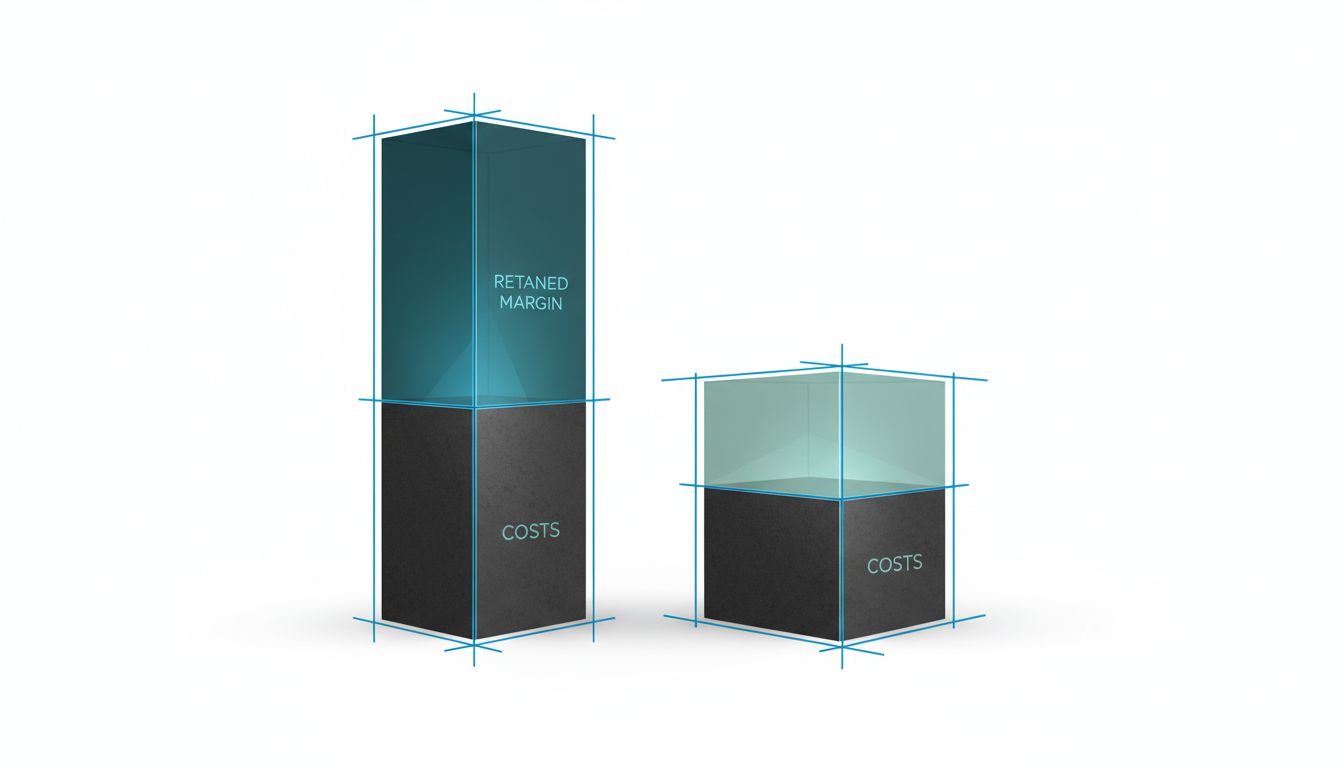
The migration estimate came back at roughly $4 million in labor and downtime risk, against annual savings of about $600,000 by switching vendors. The math ended the conversation.
What Happened
The company renewed with Informatica. The IT director, by his own account, felt he had no real choice. He had walked into a negotiation and discovered it was not actually a negotiation.
This is not a story about a predatory vendor or a naive buyer. Informatica built a genuinely capable product, and the company had gotten real value from it. The lock-in was not manufactured through bad-faith contract terms. It was structural, accumulated through years of ordinary technical decisions that each made sense at the time.
Every pipeline built in a proprietary format was a reasonable shortcut. Every custom connector was solving a real problem. Every developer hired for Informatica expertise was filling a genuine need. The switching cost didn’t appear on any balance sheet. It grew silently, compounding the way debt compounds, until the moment someone tried to price an exit.
Informatica understood this dynamic better than its customers did. The company’s enterprise pricing strategy has historically assumed high retention rates, because the product’s architecture makes high retention rates nearly inevitable. When Informatica went private in a $5.3 billion deal in 2015 (later relisting in 2023), the investment thesis was explicit about this: enterprise data integration customers do not leave. The stickiness is structural.
Why It Matters
Switching costs in enterprise software break into roughly three categories, and most buyers only evaluate one of them.
The category people think about is contractual: termination fees, notice periods, auto-renewal clauses. These are visible and negotiable. A competent procurement team can manage them.
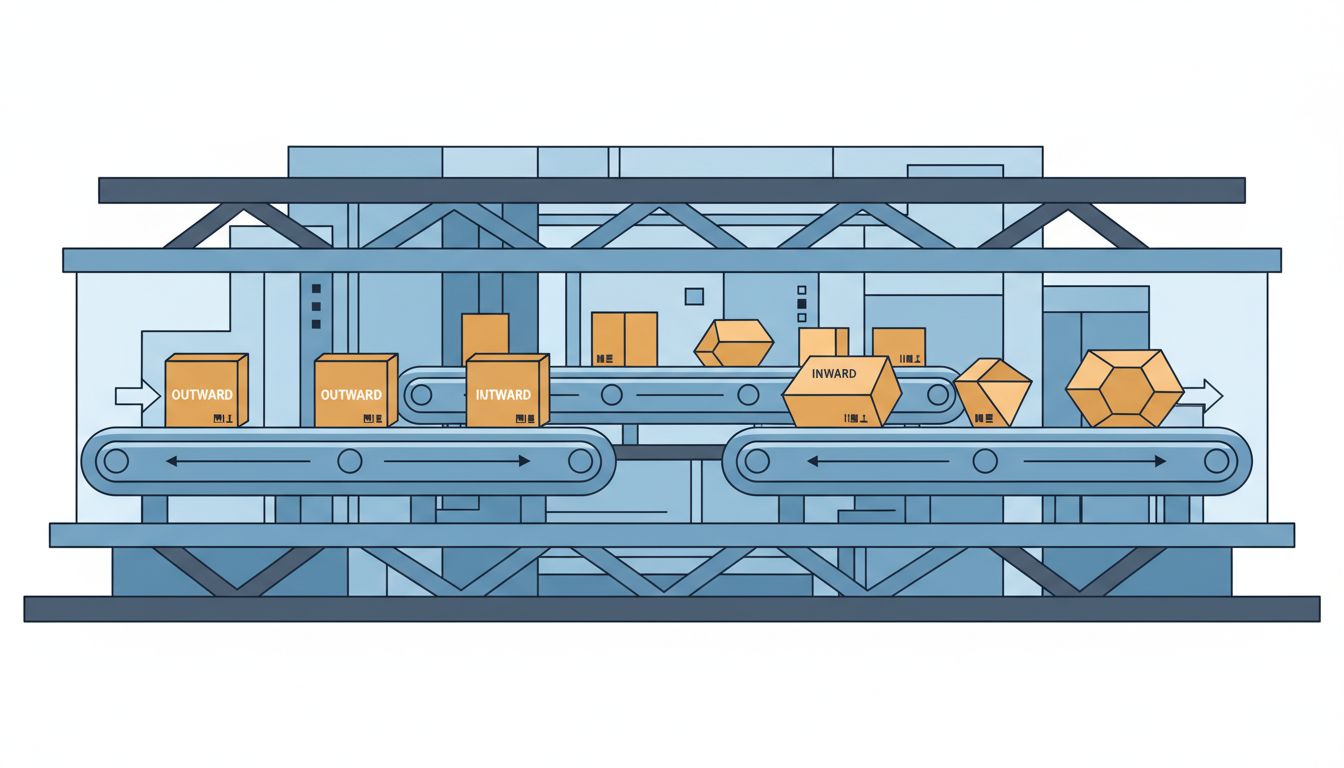
The second category is data portability. Can you get your data out, and in what format? This gets some attention, particularly after GDPR pushed vendors to offer data export features. But raw data portability is less useful than it sounds if the processes built around that data are not portable.
The third category, the one that destroyed the IT director’s migration plan, is workflow and knowledge lock-in. It lives in the proprietary logic of your pipelines, your integrations, your automations, and the institutional memory of the people who built them. This kind does not show up in a vendor evaluation rubric. It accrues over time and becomes visible only when you calculate what it would cost to leave.
As noted elsewhere on this site, the entry price of software is often the least predictive number in the total cost calculation. Cheap or free tools can generate enormous exit costs through exactly this mechanism.
What We Can Learn
The financial services company’s situation is common enough that it should be treated as a default risk, not an edge case. Several things would have changed the outcome.
Audit lock-in risk before you’re invested, not after. The time to evaluate switching costs is during vendor selection, when you have leverage and alternatives. The relevant questions are: what happens to our data and logic if we leave, how long would migration take, and what would it cost at current scale? Most vendors will answer these questions honestly if asked directly. Avoidance of the question is itself a signal.
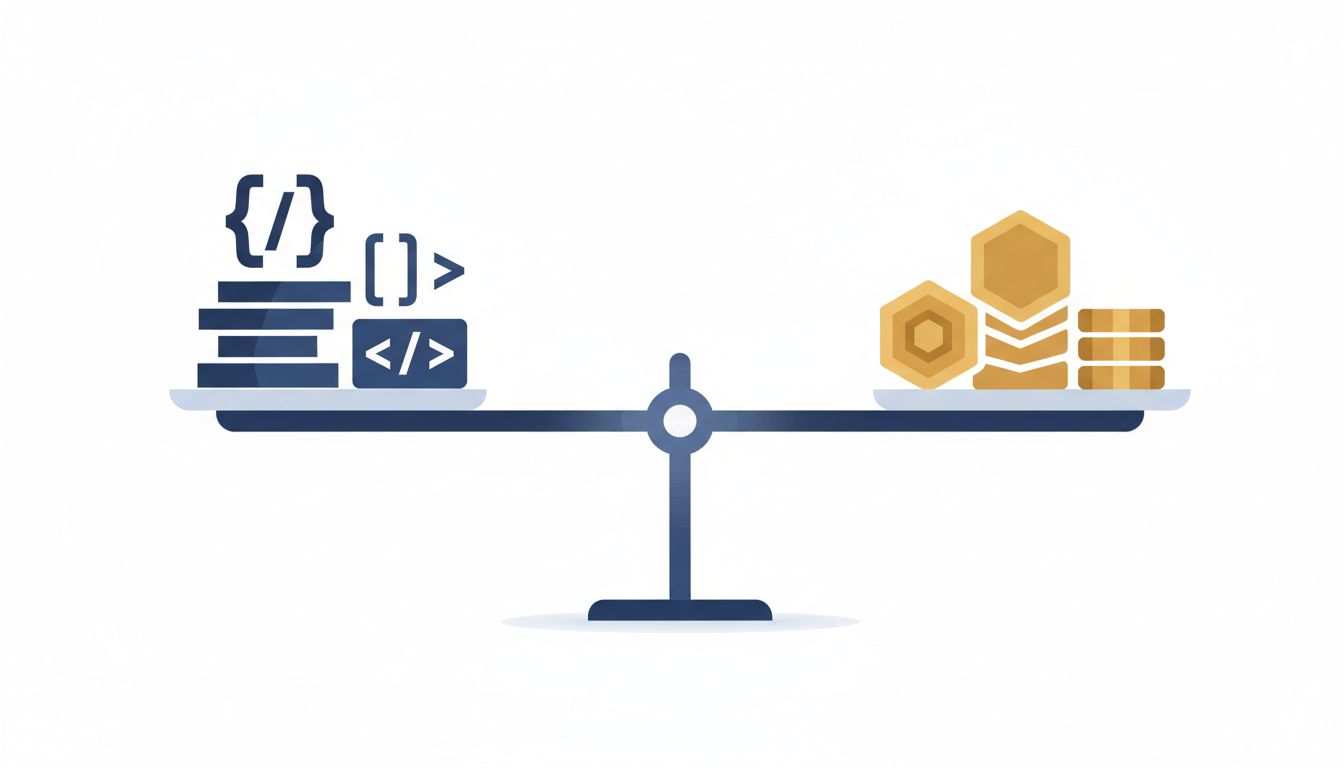
Design for portability as a technical requirement. This is harder than it sounds because proprietary tools often exist precisely because they’re more convenient than open standards. But teams that use open formats where possible, document their integrations clearly, and avoid over-relying on vendor-specific features are building optionality. That optionality has real financial value, even if it never appears in the budget.
Separate the annual cost conversation from the total cost of ownership conversation. Vendors offering lower annual fees are often not offering lower total costs. The migration cost of leaving your current vendor is a sunk cost only if you stay. If you switch, it’s a direct expense. Any honest comparison has to include it.
Treat proprietary knowledge as a liability, not just an asset. When your team’s skills are organized around one vendor’s tools, you have created human capital that doesn’t transfer. This matters for headcount planning and for risk management. Teams with portable skills (SQL over Informatica’s mapping language, standard APIs over proprietary connectors) retain their value if the vendor relationship changes.
None of this argues against using enterprise software with network effects and deep integrations. It argues for pricing those relationships correctly from the start. The IT director who walked into a failed negotiation didn’t make a mistake in 2015. He made it in 2005, the first time someone built a pipeline in a format nobody else could read, and nobody wrote that decision down as a cost.
The most expensive moment in a vendor relationship is not signing the contract. It’s discovering, a decade later, that you never really had the option to leave.