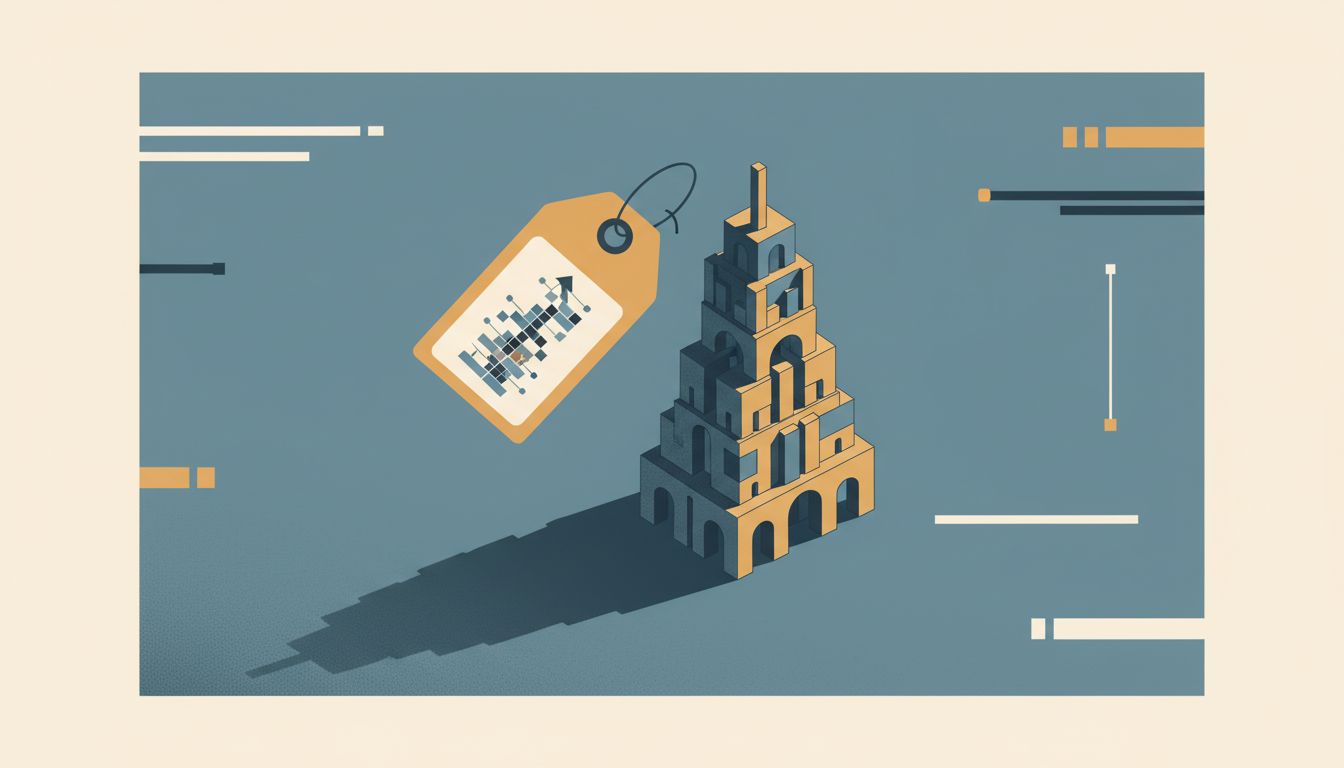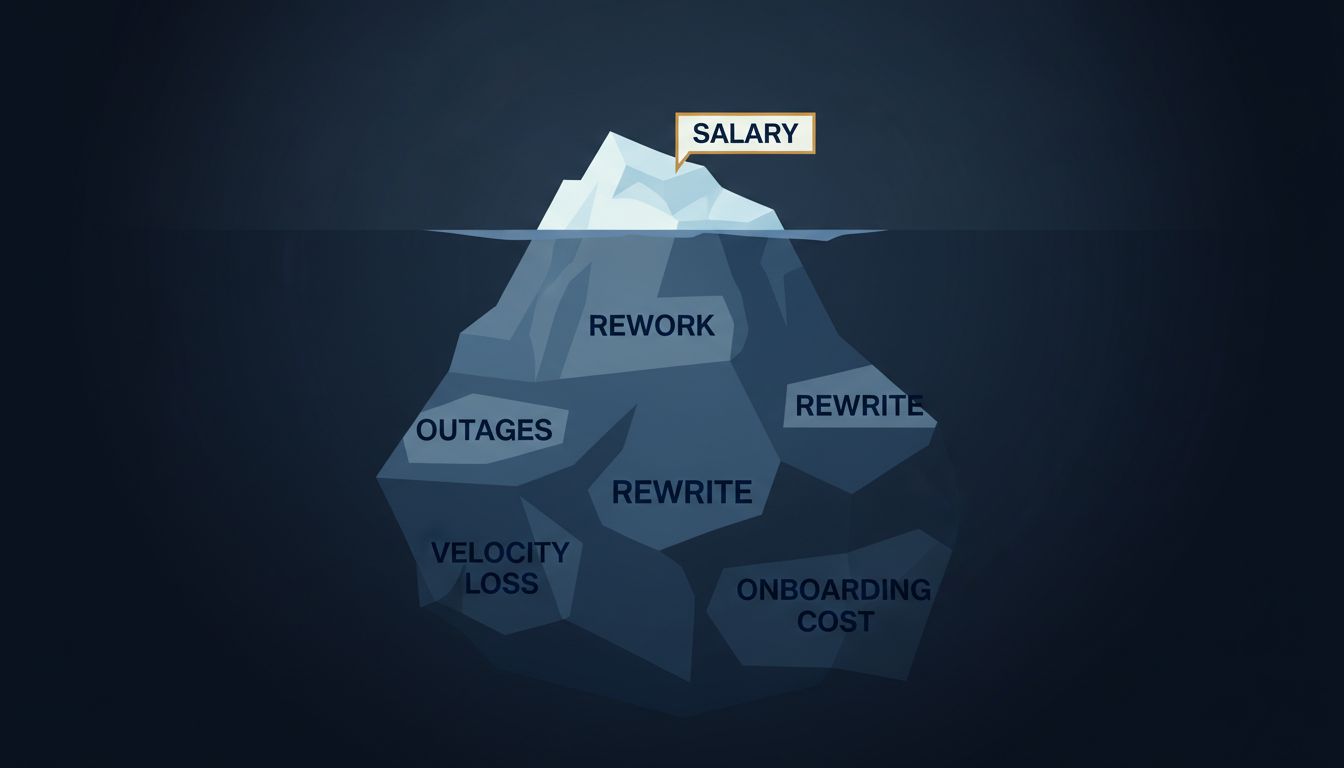

The feature you’ve been begging for is already built. It has been for months, possibly longer. It’s sitting in a staging environment, tested, stable, and ready to ship. The company that built it knows you want it. They’re just not going to give it to you yet. This is not negligence or bureaucratic drift. It is strategy, and once you understand it, you’ll never look at a product roadmap the same way again.
This pattern shows up across the industry with remarkable consistency, and it connects to a broader truth about how tech companies deliberately launch products and features in ways that seem irrational but aren’t. The economics of withholding are, in many cases, more compelling than the economics of shipping.
The Sequencing Game
Feature sequencing is one of the most underappreciated disciplines in product management. When a company has three valuable features ready to ship, releasing them simultaneously is almost always the wrong call. Each release is a news cycle, a press opportunity, a reason for lapsed users to return, a justification for a pricing conversation with enterprise clients. Ship everything at once and you get one moment. Sequence it over six months and you get six moments.
Apple has built an entire corporate identity around this principle. The technical groundwork for features that debut in a September keynote is often visible in code repositories and regulatory filings months or years earlier. The company understands that scarcity, even artificial scarcity of features you’ve already built, creates anticipation that marketing budgets cannot manufacture.
Smaller companies play the same game with less fanfare. A B2B SaaS platform sitting on a polished reporting dashboard will often hold it back until a competitor’s equivalent ships, then release it as a direct response. The feature becomes a defensive weapon rather than a routine update, and its perceived value spikes accordingly.
Pricing Tier Architecture
The most commercially ruthless version of feature delay is tier-based gating. Here, the delay is not temporal but structural. The feature exists. It works. And paying an additional fee is all that separates you from it.
This is how enterprise software commands prices that dwarf consumer equivalents despite often running on identical underlying code. The feature set is the fence. Build enough fence and you have a pricing model. Companies spend considerable engineering time not building new things but deciding which existing things to hide from which users.
The sophistication here is real. Releasing a feature too early into a lower tier cannibalizes upgrade incentives. Holding it too long frustrates power users who will seek alternatives. The optimal release window is a function of churn data, sales pipeline velocity, and competitive intelligence, not engineering readiness.
Testing as a Delaying Mechanism (and Vice Versa)
There is a legitimate reason for delayed releases that the industry sometimes uses as cover for strategic ones: safety. Shipping broken software is expensive in ways that compound badly over time. Responsible teams run features through internal testing, then limited beta groups, then staged rollouts to increasingly large user populations.
The problem is that this genuinely sound practice is also the perfect institutional excuse for delays that have nothing to do with safety. “It’s still in testing” is unfalsifiable from the outside. And because tech companies already test new features on millions of real users without disclosure, the line between testing and strategic withholding is blurrier than users assume.
Engineering teams are often not the decision-makers here. A feature can be green-lit by every technical reviewer in the organization and still sit in a queue because a product manager is waiting for Q3, or because the sales team wants to announce it at a conference, or because a competitor hasn’t shipped their version yet and the company prefers to let them go first, absorb the early criticism, and then enter the market with a more refined alternative.
The Competitor Clock
Competitive timing is perhaps the most tactically interesting reason companies delay finished features. Releasing before a competitor establishes a reference point means your product gets judged in a vacuum. Releasing after means you get to be better, on record, with reviewers already primed to make the comparison.
This is the opposite of the first-mover intuition that dominates early-stage startup thinking. For established players with distribution advantages, being second (with a superior or even merely comparable product) is often more commercially efficient than being first. Let your competitor spend the marketing budget educating the market. Then show up with the feature you built six months ago and call it a response.
This calculus also explains why certain features seem to arrive everywhere simultaneously. Companies in competitive markets are watching each other’s release schedules closely enough that pent-up, finished features often ship in tight clusters, creating the false impression of an industry-wide engineering breakthrough when the reality is an industry-wide strategic release decision.
What This Means for Users
The practical implication is worth sitting with. When a company announces a feature on a roadmap, the engineering work is often already done or nearly done. The announcement is a market signal, a way of testing demand, managing competitor expectations, or buying time for a pricing restructure. The roadmap is a communications document as much as it is a planning document.
For users, this creates a peculiar dynamic. Patience is not rewarded because companies are working faster. It is sometimes rewarded because companies have already finished and are waiting for the right moment to hand over what they built. The relationship between “when it will be ready” and “when you will get it” is more complicated than any product update email will ever admit.
Understanding this does not make the waiting easier. But it does reframe what you’re actually waiting for. In most cases, it is not the engineers to finish. It is the strategists to decide. Those are very different clocks, running on very different logic, and only one of them appears on the roadmap.