Every major tech company has a graveyard. Not of failed products, but of finished ones. Features that were fully built, tested, sometimes even documented, and then quietly shelved. From the outside, this looks like waste. Millions of engineering hours, gone. From the inside, it looks like something else entirely.
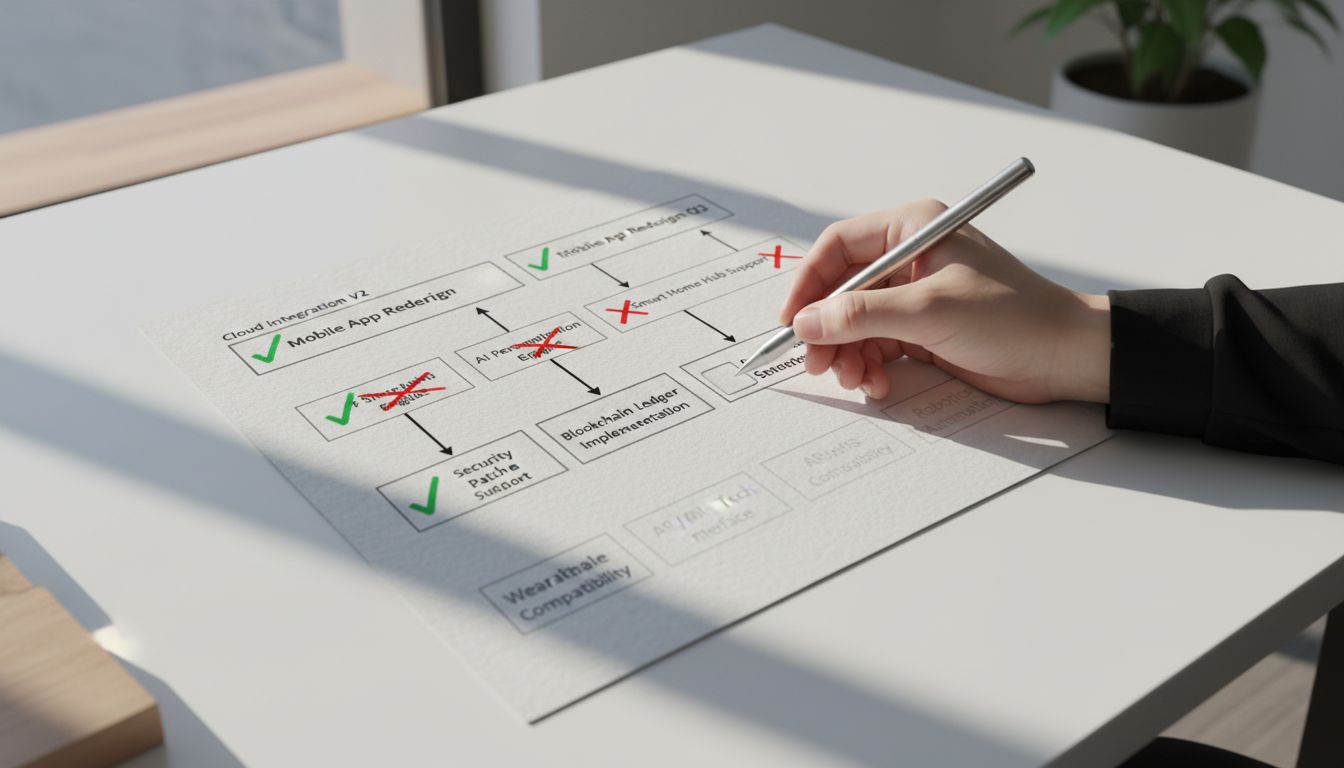
This pattern shows up across the industry with enough regularity that it cannot be explained by accident. Google has built and buried entire product lines. Apple ships hardware with capabilities locked behind software that may never arrive. Meta has warehouses of prototype hardware that will never reach a consumer shelf. Understanding why requires thinking about software development less like engineering and more like chess. And just like in chess, the pieces you don’t move can matter as much as the ones you do. This connects to a broader pattern explored in Tech Companies Build Features They Never Plan to Release. The Reason Is More Strategic Than You Think.
The Option Value of a Built Feature
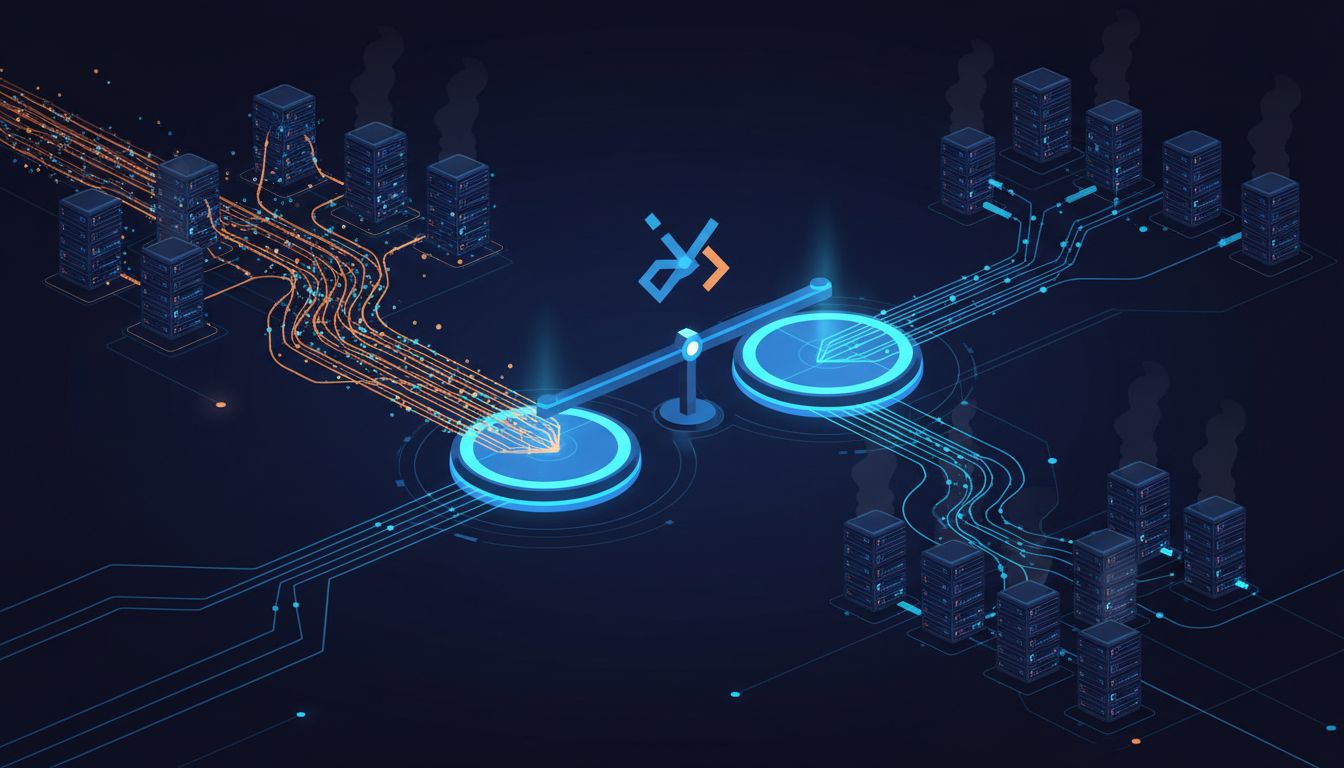
In finance, an option gives you the right, but not the obligation, to do something later. Tech companies think about unreleased features the same way. Building something and sitting on it creates optionality. You can release it when the market is ready, when a competitor threatens your position, or when a regulatory window opens.
Apple is the clearest example of this in practice. The company has shipped iPhones with NFC chips for years before enabling them for third-party payments. The hardware capability existed. The business conditions did not. When Apple Pay launched, the infrastructure was already in millions of pockets. The rollout looked seamless because the hard part had been done quietly, in advance.
This is not a bug in the product development process. It is the product development process, operating exactly as intended by a company thinking multiple moves ahead.
Competitive Signaling and the Patent Trap
Some features get built specifically to confuse competitors. If your engineering team builds and patents a particular approach to, say, on-device machine learning or a new compression algorithm, you have accomplished two things simultaneously. You have prevented a rival from using that approach, and you have forced them to spend time and resources figuring out whether you are going to deploy it.
Big Tech’s Patent Portfolios Are Not About Innovation. They Are About Keeping You Out. This is the portfolio logic applied at the feature level. The goal is not always to ship. Sometimes the goal is to occupy territory.
This creates a peculiar dynamic where engineering teams build things they know will never reach users. The work is real. The strategic intent is real. The release is never part of the plan.

When the Feature Is the Research
There is a third category of never-released features that gets overlooked: the ones built specifically to generate data about what users would do with them. This is distinct from a traditional beta test. The feature might never reach external users at all. It gets built, tested internally, and then retired, but the behavioral and architectural knowledge it generates is the actual deliverable.
This approach is surprisingly common in AI development. Building a feature that uses a particular model architecture teaches you things about performance, latency, and failure modes that you cannot learn from benchmarks alone. The feature is a research instrument disguised as a product roadmap item. The connection to More Training Data Makes AI Systems Worse, and the Reason Is Hiding in Plain Sight is direct: teams learn more from controlled, deliberate construction than from throwing more inputs at a problem.
Similarly, teams building at speed sometimes use unreleased features as cognitive scaffolding. Elite Software Teams Use a Cognitive Science Trick to Ship 3x Faster and Most Developers Have Never Heard of It touches on how the act of building, even when the output is not shipped, sharpens the mental models that make future work faster and less error-prone.
The Moat That Users Never See
Perhaps the most strategically sophisticated version of this behavior involves building features specifically to raise the cost of switching platforms. If a company builds deep integrations, personalization layers, or workflow tools that live inside its ecosystem, even unreleased versions of those tools create lock-in. Users who are aware that more capability is coming are less likely to leave. The promised feature functions as a retention mechanism without ever being deployed.
This maps onto the same logic behind Tech Companies Intentionally Design Software to Die in Five Years and the Business Logic Is Airtight. Product lifecycles are managed deliberately. What gets released, and when, is a decision shaped by competitive positioning, not just technical readiness.
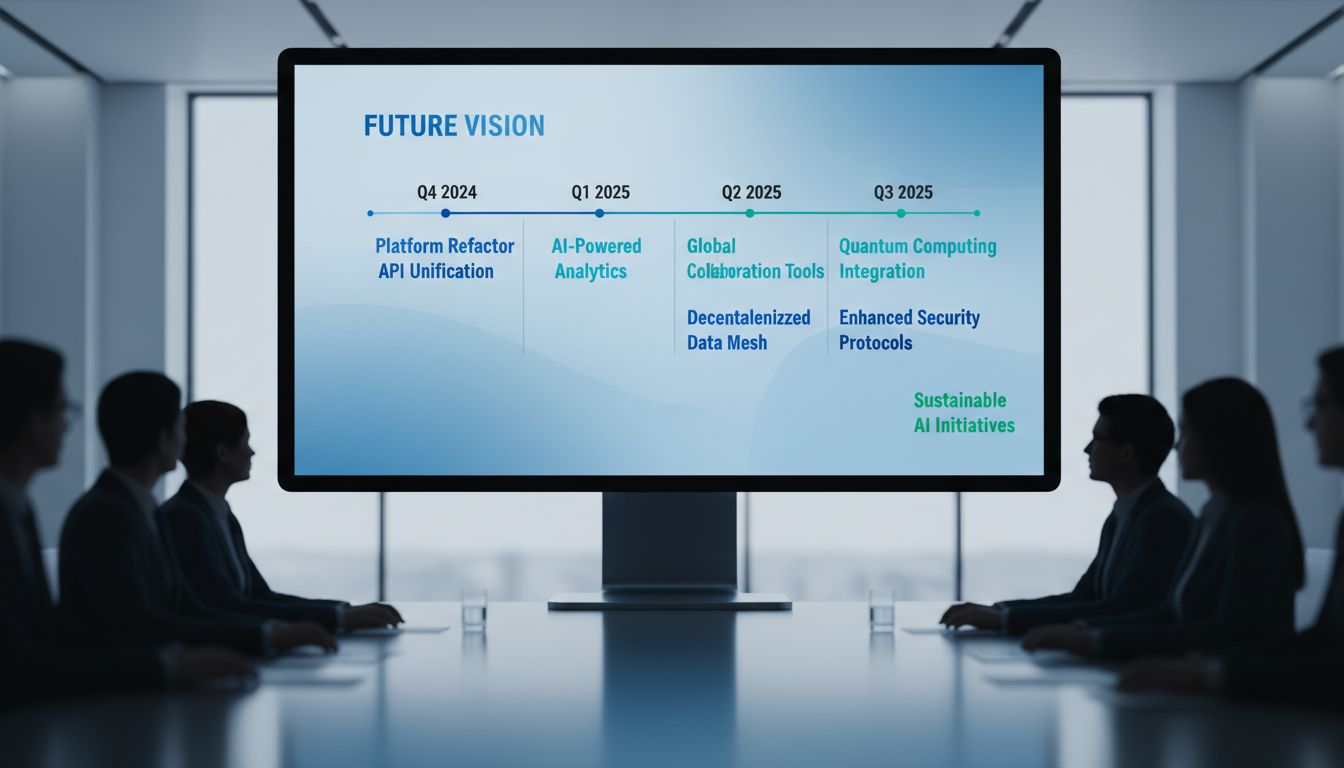
The most honest version of this is probably Salesforce, which has a well-documented history of announcing features in roadmaps long before they are ready. The announcement is the product, in a sense. Enterprise buyers make multi-year purchasing decisions. A credible roadmap keeps customers from evaluating alternatives, even when the features on that roadmap are months or years from shipping.
What This Means for the Rest of Us
If you are a developer, product manager, or founder, the takeaway here is not cynical. It is clarifying. Not every feature you build needs to ship to justify the investment in building it. The act of building creates knowledge, competitive positioning, optionality, and organizational capability that has value independent of the release.
The mistake is treating an unreleased feature as automatically a failure. Sometimes the decision not to release is the smartest move a team makes. Understanding that distinction requires being honest about what you are actually trying to accomplish when you add something to a roadmap.
And it requires understanding that the companies you compete with are almost certainly thinking this way already. The features you never see are doing work you never notice. That is not an accident. It is strategy.