Imagine you’re building a product that users genuinely love. Engagement is through the roof. Retention is strong. And then someone in a leadership meeting says, out loud, ‘We should make this work worse.’ You’d expect that person to be escorted out of the building. Instead, everyone nods. This is not a hypothetical. It happens constantly, in companies of every size, and it is one of the most misunderstood dynamics in all of tech economics.
This pattern sits alongside a whole family of counterintuitive business decisions that look like mistakes from the outside but are coldly rational from the inside. Tech companies launch products they know will fail for similar reasons and the strategic logic is the same: deliberate constraint is often more valuable than unconstrained capability.
The Artificial Ceiling Is the Product
Let’s be specific. Spotify limits audio quality on its free tier even though serving higher bitrates would cost them almost nothing in marginal terms. Dropbox caps free storage at a level that is just large enough to be genuinely useful and just small enough to eventually be insufficient. Slack archives messages after 90 days on free plans, not because storing old messages is expensive, but because those old messages are the exact thing that makes a team feel locked in enough to pay.
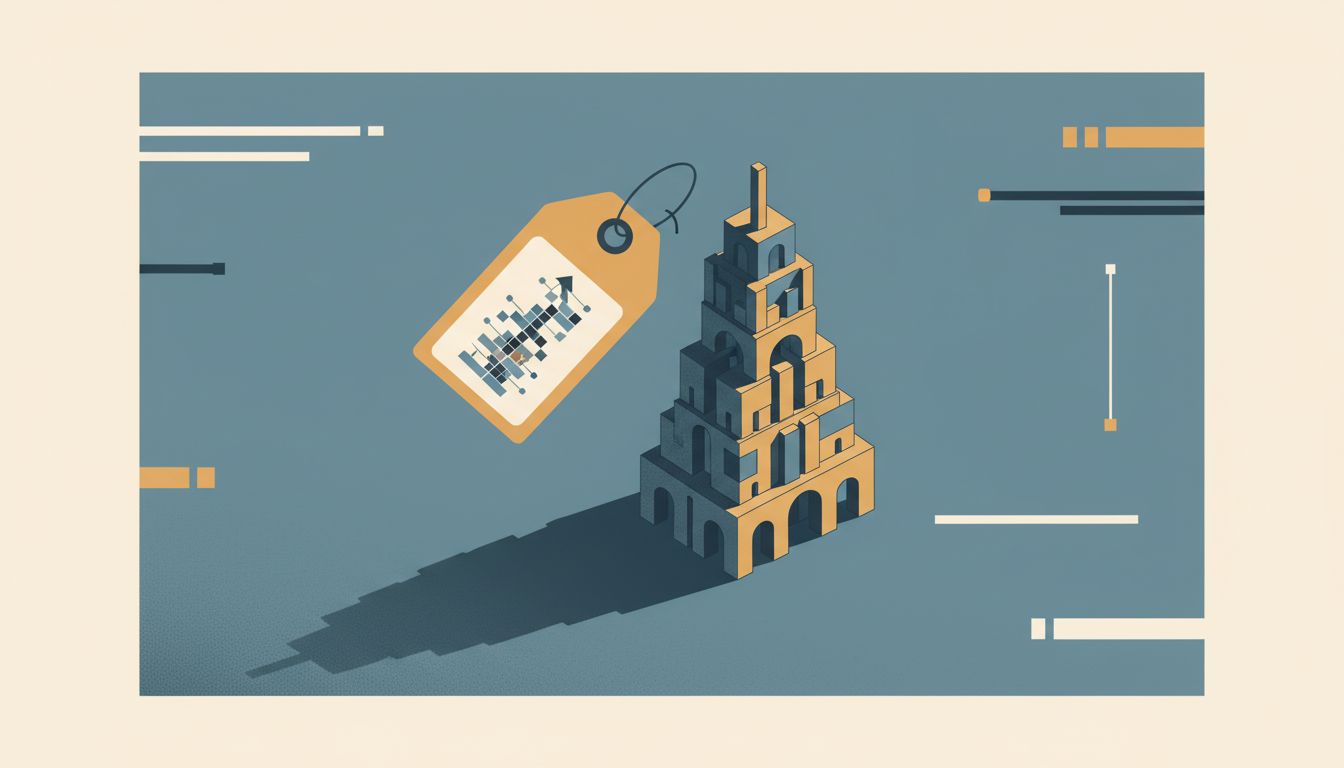
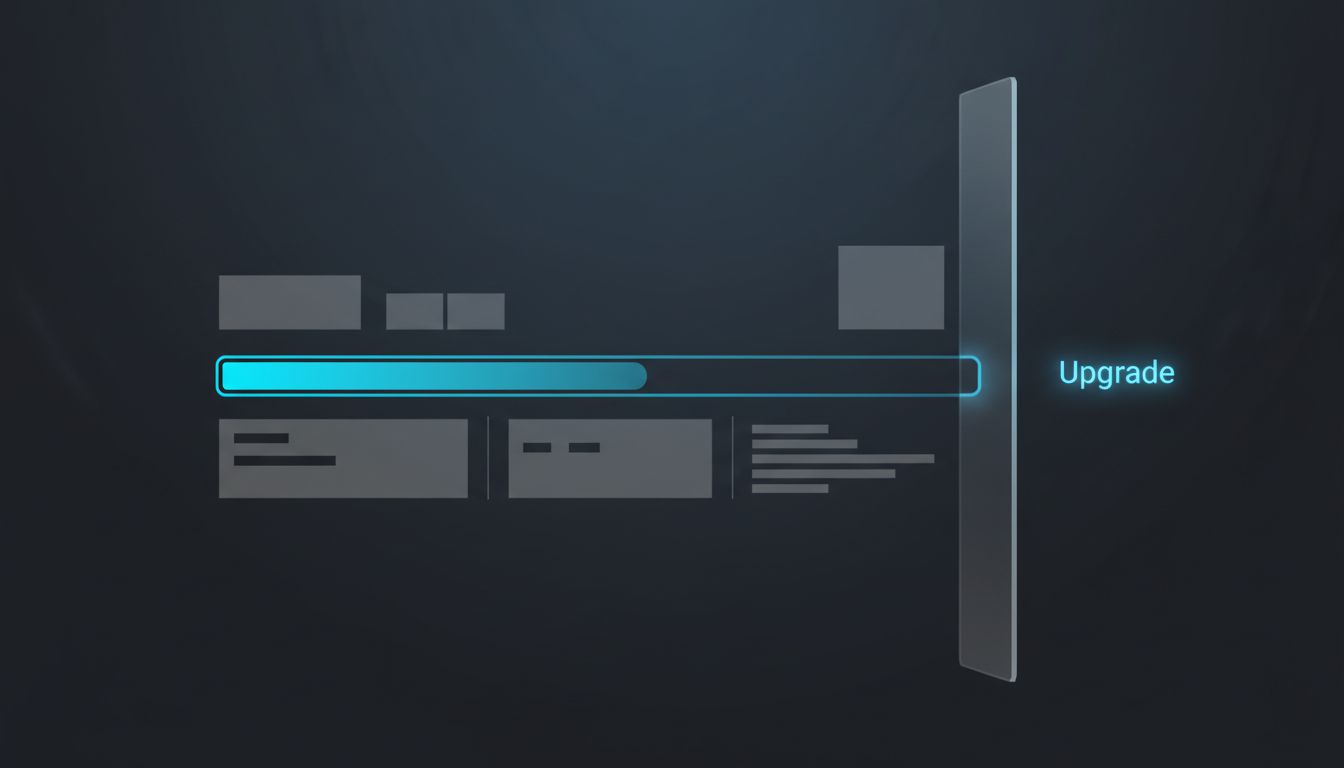
These are not engineering constraints. They are pricing architecture. The feature limit is the product. The ceiling exists to make you aware of the floor above it.
This is the core logic of freemium, and it is worth understanding in full because it is more sophisticated than most people give it credit for. The goal is not to annoy free users into paying. The goal is to let free users experience just enough value that the upgrade decision feels obvious rather than speculative. You are not being sold a feature. You are being sold the memory of already having used that feature.
Why More Would Actually Hurt
Here is the part that surprises people: giving users unrestricted access to a powerful feature often reduces conversion rates. This has been documented repeatedly in SaaS pricing experiments and it makes sense once you understand the psychology involved.
When everything is available, users do not form a clear mental model of what they are missing. There is no felt absence, and without felt absence there is no upgrade motivation. The constraint does not just protect revenue. It actively manufactures desire.
This is why SaaS companies lose money on their cheapest tier on purpose. The cheap tier is not a product. It is a distribution channel for the expensive tier. Every dollar lost on a free or near-free plan is a customer acquisition cost that happens to come bundled with habit formation.
The companies that figured this out earliest built it into their architecture from day one. The companies that figured it out late had to make the painful public move of taking away features users already had, which generates the kind of backlash that ends careers and occasionally companies.
The Infrastructure Argument Is Usually a Lie
When companies limit features, their public explanation is almost always infrastructure cost. We cannot support unlimited uploads for free users. Serving real-time collaboration at scale is expensive. Storing your data indefinitely is not economically viable.
Some of this is true. Most of it is not the actual reason.
Cloud storage costs more than physical hard drives not because the economics of storage are brutal but because storage is not what is being sold. The storage limit is a forcing function. The real product is the workflow lock-in, the integrations, the collaboration layer, the organizational memory that becomes impossible to migrate once it lives in someone else’s infrastructure.
The infrastructure argument is a socially acceptable way to implement a pricing decision. Saying ‘we limit this because it helps us convert users to paid plans’ is honest but uncomfortable. Saying ‘we limit this because servers are expensive’ is also partially true and much easier to communicate without generating a Reddit thread about corporate greed.
When Companies Get It Wrong
The strategy fails in two predictable ways.
First, when the ceiling is set too low. If the free tier is so limited that users cannot experience genuine value, they churn before they ever develop the habit that makes them want to upgrade. The limit has to land in a very specific psychological window: useful enough to matter, constrained enough to frustrate growth.
Second, when a competitor offers the ceiling feature for free. This is the scenario that keeps product managers awake. If someone else gives away what you are charging for, the entire freemium architecture collapses. This is why incumbents watch free tiers obsessively and why successful startups deliberately choose crowded markets. Attacking a premium feature with a free offering is one of the oldest and most effective competitive moves in software.
The companies that navigate this best are the ones that build ceiling features around data and network effects rather than raw functionality. You can copy a feature. You cannot easily copy a user’s organizational history, their custom workflows, or the fact that their entire team is already trained on one interface.
What This Means If You Are Building Something
If you are a founder or product person reading this, the takeaway is not ‘artificially limit your product.’ The takeaway is that the placement of your limits is one of the most important product decisions you will make, and it deserves the same rigor you give to the features themselves.
The questions worth asking are not just ‘what should we charge for’ but ‘what does the free user need to experience before the upgrade feels inevitable’ and ‘what does the paid user need to do before leaving feels impossible.’
The feature limit is not a punishment for non-paying users. It is a carefully calibrated introduction to what you are actually selling. The best companies treat it that way. The worst companies set it once, forget about it, and then wonder why their conversion rates have stalled.
Every constraint in a product is a choice. The ones that look accidental are usually the most deliberate of all.