
Your laptop was fast when you bought it. The software running on it was not always. Within a year or two, applications that once launched instantly now hesitate. Browsers that rendered pages in milliseconds now think about it. The machine did not change. The strategy did.
This is not decay. It is design. Across the software industry, performance degradation over time functions less like a bug and more like a revenue mechanism, one that is quietly baked into product roadmaps the same way planned obsolescence was once baked into automobile manufacturing. Understanding why requires looking not at engineering teams but at the business logic sitting above them. As we have explored before with how companies engineer software to expire on purpose, the incentive structures that govern software development rarely align with the user’s desire for a product that simply keeps working well.
The Feature Bloat Spiral
The most common mechanism for software slowdown is feature accumulation, and it operates almost automatically once a product reaches maturity. A team ships version 1.0. It is lean, fast, and does one thing well. Users adopt it. The product grows. Stakeholders demand features. Competitors ship features. The roadmap fills.
Each new feature adds weight. Background processes multiply. Memory footprints expand. The application that once used 200 megabytes of RAM now consumes 2 gigabytes doing the same core task it always did. The engineering team knows this. Product management knows this. The decision to ship anyway reflects a calculation: retaining existing users through feature parity with competitors is worth more, in the short term, than the goodwill generated by keeping the product fast.
This calculation is rarely made explicitly. It emerges from organizational incentives. Engineers are rewarded for shipping features, not for maintaining performance baselines. Product managers are measured on feature adoption, not on load times for users who already converted. The slowdown accumulates as a byproduct of hundreds of individually defensible decisions.
Upgrade Pressure as Business Model
Here is where the economics become explicit. Slow software is not just a byproduct of feature bloat. For some companies, it is the mechanism that drives upgrade revenue.
The pattern is most visible in the relationship between software updates and hardware purchases. When an operating system update adds features that require more processing power, older machines slow down. Users experience this as their hardware aging out. The natural response is a new device. The economics of deliberately slowing down old hardware when new models launch are well documented in the smartphone space, but the dynamic extends across the entire software ecosystem.
Enterprise software operates the same mechanism through a different lever. When a vendor stops optimizing older versions of a product, performance relative to newer releases degrades. The sales team arrives, benchmarks in hand, to explain that upgrading to the current version will restore speed. The customer pays for the upgrade. The cycle repeats. This is not so different from how software licenses cost more than the hardware they run on, a pricing structure that only makes sense when you understand the captivity it creates.
The Telemetry Tax
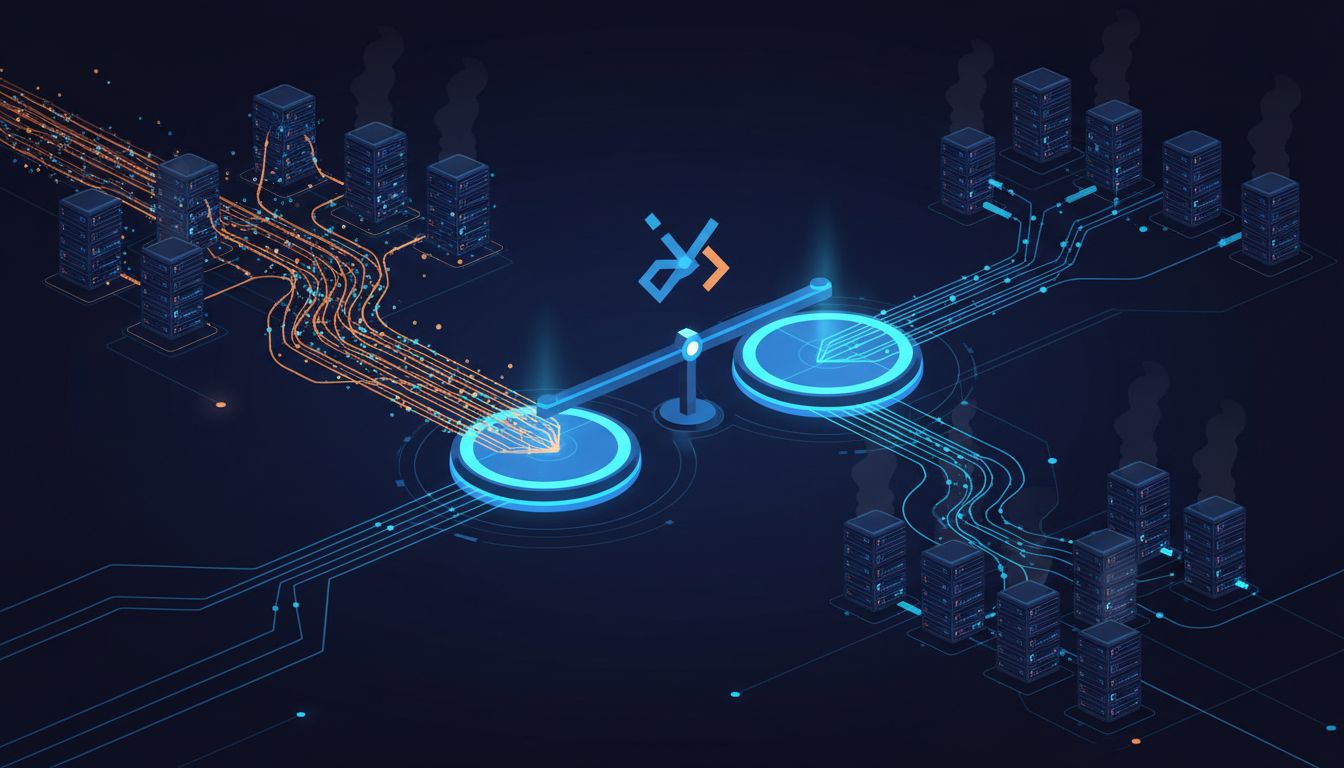
A less visible contributor to software slowdown is the infrastructure modern applications run underneath the surface. Every major application ships with analytics pipelines, crash reporting tools, behavioral telemetry, A/B testing frameworks, and advertising SDKs. Each of these systems runs background processes, makes network calls, and consumes CPU cycles.
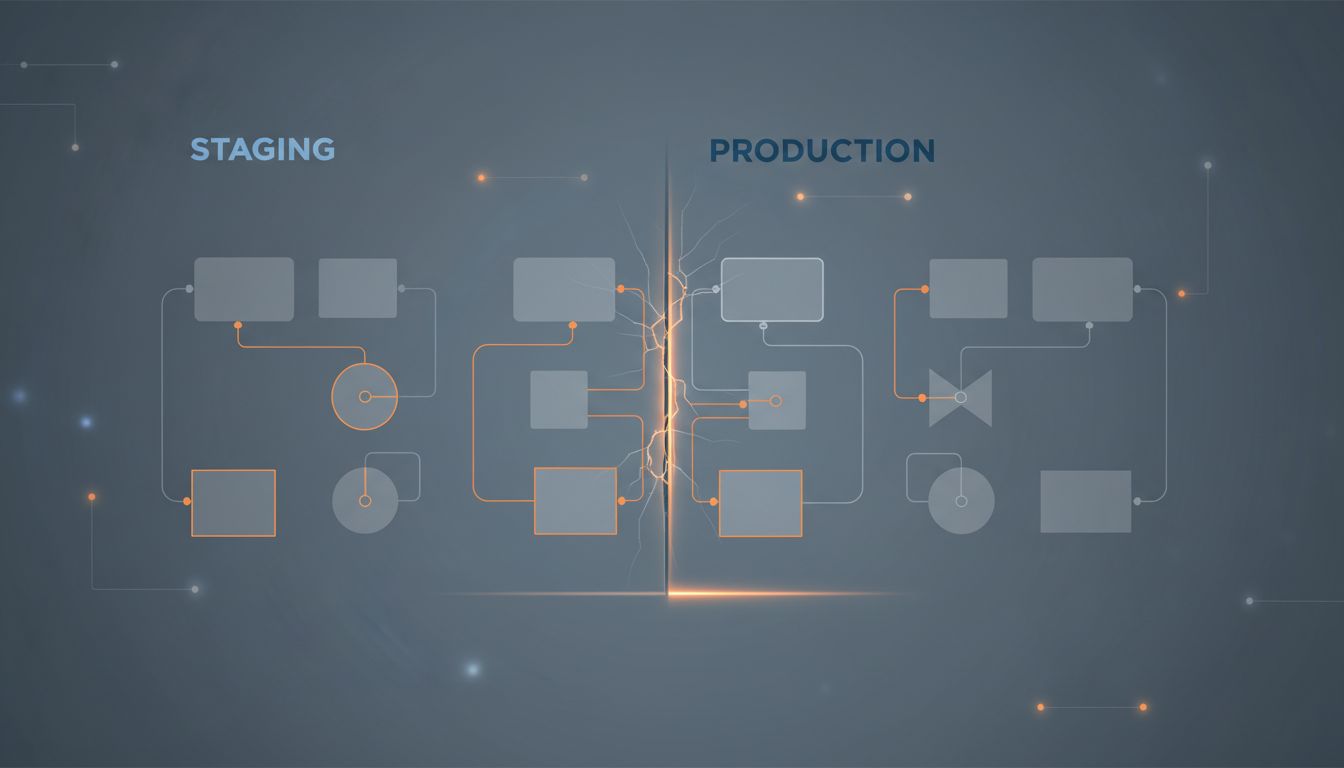
The user signed up for a text editor or a music player. What they received also includes a continuous data collection operation that runs in parallel with the product they thought they were using. Performance budgets that might have gone toward a faster interface go instead toward maintaining this data layer, because the data layer is often more valuable to the business than the interface itself.
This connects directly to the phenomenon of tech companies deliberately hiding their best features while surfacing others. The visible product and the invisible product are often different things entirely.
Why Performance Debt Gets Paid by Users
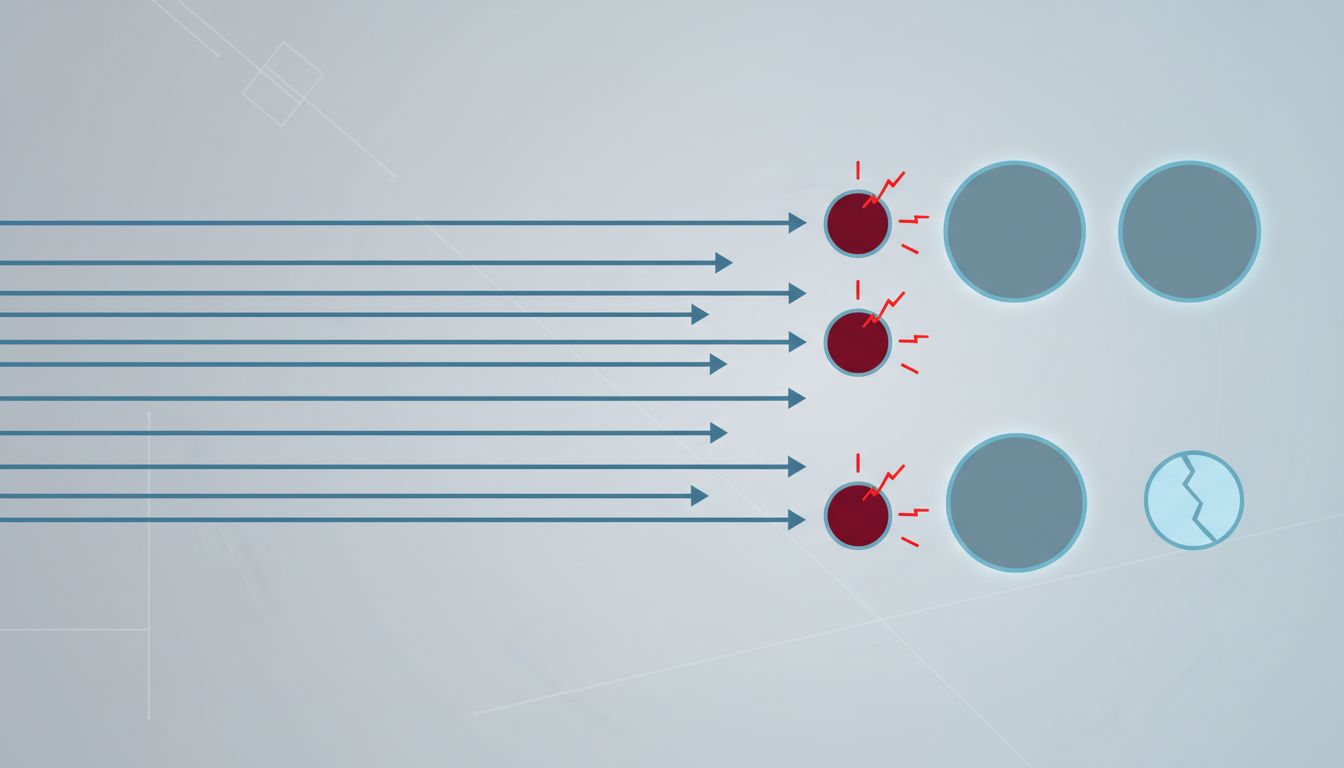
Software engineering has a concept called technical debt: shortcuts taken during development that create future costs. Performance debt works similarly, except the cost is not paid by the engineering team. It is paid by the user, in time, in frustration, and eventually in purchase decisions.
The business logic here is colder than it first appears. Fixing performance debt is expensive. It requires engineering time that could ship new features. It produces improvements that are difficult to market. A faster app is harder to put in a press release than a new feature. So the debt accumulates, the software slows, and the company redirects engineering capacity toward work that shows up in a changelog.
This same logic explains why software bugs are sometimes left unfixed on purpose. The calculus is similar: fix cost versus user impact, filtered through whatever metric the company is actually optimizing for. Performance rarely wins that argument unless it becomes a competitive differentiator.
What Users Can Actually Do
The honest answer is that most users have limited leverage over software performance decisions made at the organizational level. But some responses are more effective than others.
The most direct is reducing the surface area of software you rely on. Top performers who make their most distracting apps invisible report immediate productivity improvements, but there is a secondary benefit: fewer installed applications means fewer background processes competing for the same resources. A deliberate reduction in software load is a genuine performance intervention.
For enterprise buyers, performance benchmarks deserve to be contractual requirements rather than vendor promises. Agreements that specify acceptable load times, memory usage caps, and degradation thresholds over a defined period shift at least some of the accountability back toward the supplier. Few buyers currently negotiate these terms. The ones who do get better software.
For individual users, the single most effective intervention is recognizing the upgrade pressure for what it is. When software starts feeling slow, the question worth asking is not which new device to buy but which processes running in the background do not need to be there. The answer is usually several of them.
The slowdown is designed. The upgrade pressure is engineered. The telemetry tax is real. None of this is accidental, and none of it will change without users who understand the playbook well enough to push back against it.