Your enterprise software didn’t stop working because of age. It stopped working because someone, in a conference room years before you bought it, decided it should. The five-year expiration window built into most commercial software isn’t an accident of engineering complexity or the pace of technological change. It is a deliberate revenue architecture, precise enough to be considered a product feature in its own right.
This isn’t a fringe theory. It’s visible in the support lifecycle policies of virtually every major software vendor. Microsoft, Oracle, SAP, and Salesforce all publish “end of life” timelines that cluster around the five-to-seven year mark for mainstream support. What those documents don’t explain is why the number is so consistent across companies, product categories, and decades of technological change. The economics of enterprise software pricing offer the first clue: the price you pay rarely reflects what the software does. It reflects what walking away would cost you.
The Engineering of Expiration
Software doesn’t rust. Lines of code written in 2018 can, in theory, execute identically in 2035. So when a vendor announces that a product is “end of life,” they are not describing a technical limitation. They are describing a business decision dressed up in engineering language.
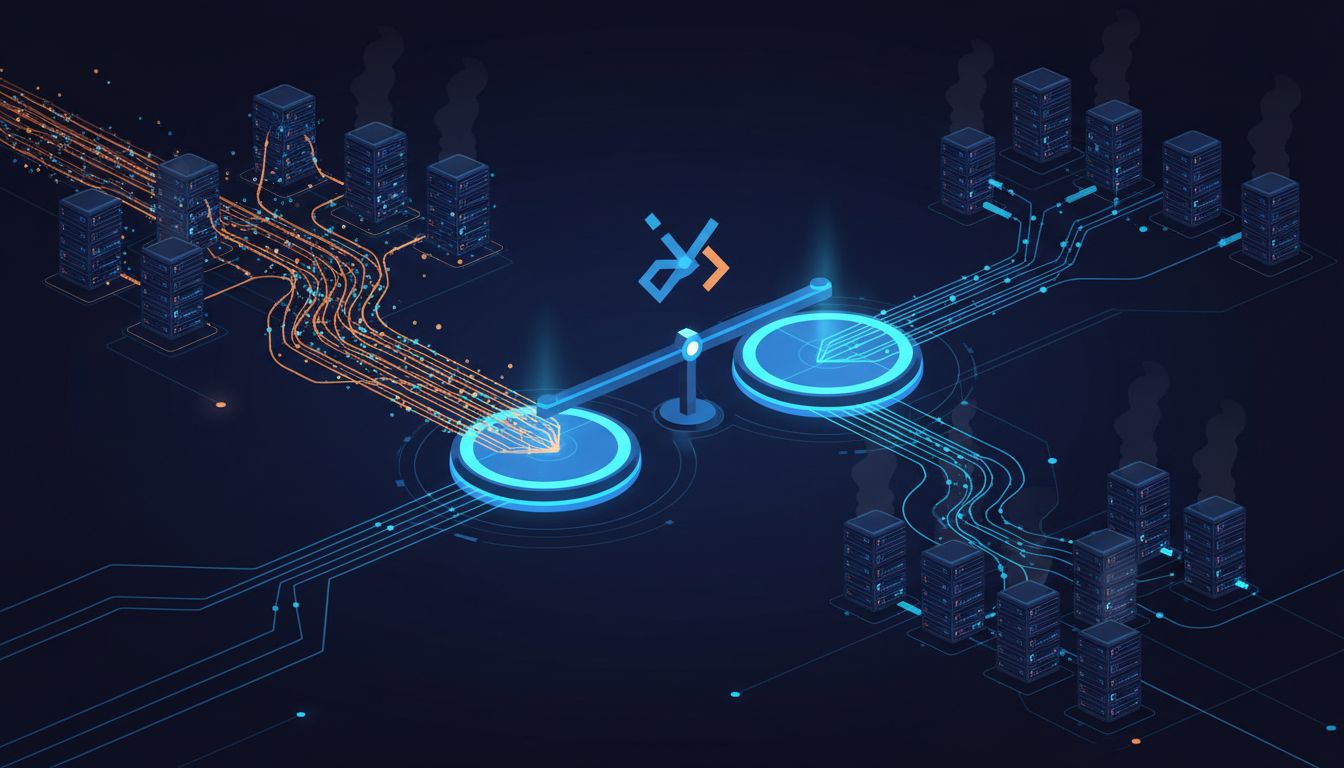
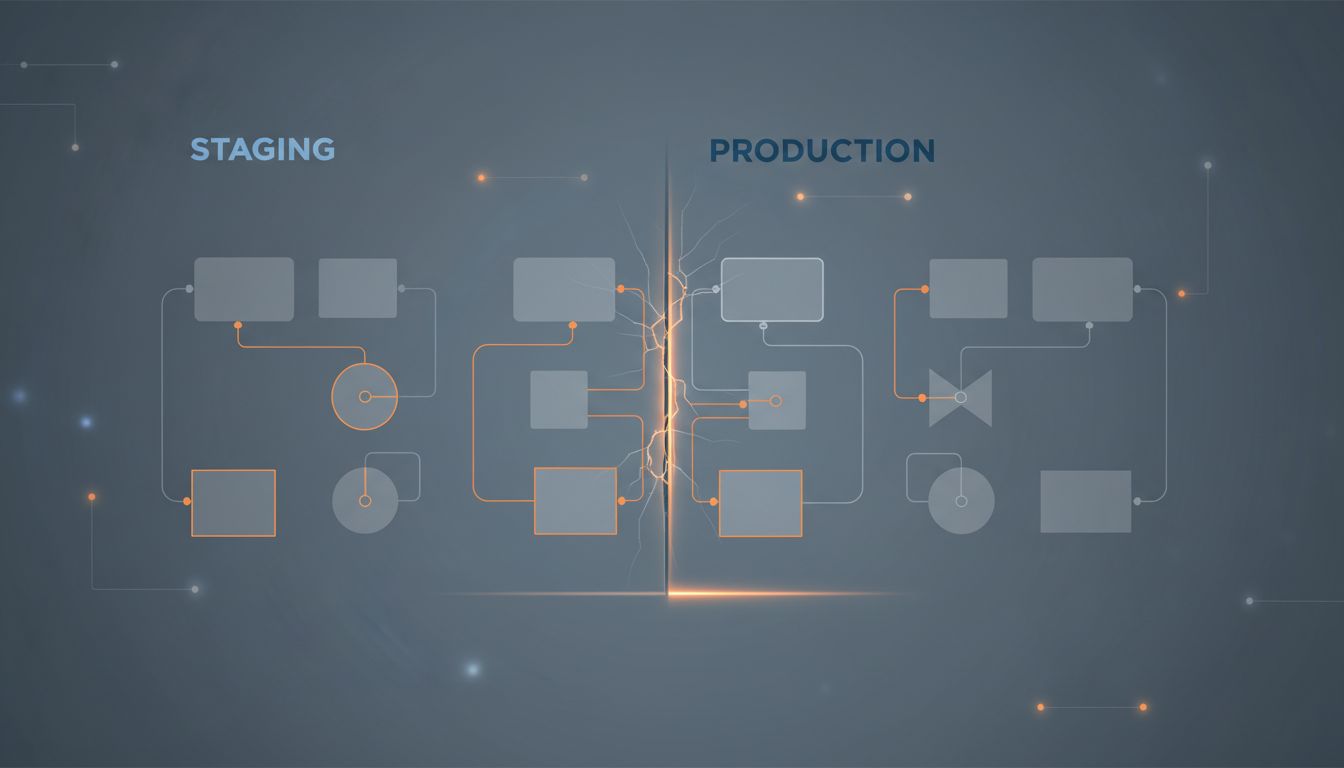
The mechanism works through dependency chains. A software product is never just its own code. It runs on operating systems, connects to databases, uses security libraries, and talks to third-party services, all of which evolve on their own schedules. Vendors control which versions of these dependencies they will support. When they stop certifying compatibility with newer environments, the software doesn’t technically break. It becomes exposed: security vulnerabilities go unpatched, integrations with updated systems fail, and compliance requirements go unmet.
This is where the five-year window becomes self-fulfilling. The vendor stops issuing security patches. Regulators flag the unpatched system as a liability. Your IT team warns leadership. A migration project gets budgeted. The vendor, conveniently, sells you the migration path.
A 2021 analysis by Gartner found that unplanned software migrations cost enterprises an average of 3.2 times more than planned ones, largely because rushed timelines create dependencies on vendor professional services. The vendor who engineered the expiration also profits from the emergency.
Why Five Years Specifically
The number is not arbitrary. It maps almost exactly to two overlapping business cycles.
First, enterprise budget cycles. Large organizations typically plan technology spending in three-to-five year windows tied to capital expenditure cycles. A product that expires in year five lands its renewal conversation precisely when budget authority is already being exercised for the next cycle. The sales motion doesn’t interrupt planning, it inhabits it.
Second, personnel turnover. The average tenure of a Chief Information Officer in the United States sits around four to five years. The person who negotiated the original contract, who understands the switching costs and the original vendor concessions, is statistically likely to be gone by the time renewal discussions begin. Their replacement is negotiating without institutional memory, which is a structurally weaker position.
Vendors understand this. Their account teams track CIO tenure data alongside contract renewal dates. The five-year expiration window isn’t just a revenue cycle. It’s a relationship reset button.
The Hidden Cost Architecture
The base license is rarely where the money is. Software companies have learned, over decades, to build revenue structures that become more lucrative over time rather than less. This is why the expiration strategy is so financially elegant.
Year one through three: adoption and integration. The customer embeds the software into workflows, trains staff, and builds custom configurations. Switching costs accumulate silently.
Year four: the upsell window. Vendors introduce new modules, AI-powered add-ons, and expanded seat licenses. The customer is too integrated to leave but functional enough not to panic. This is the highest-margin period.
Year five: the cliff. End-of-life announcements arrive. Extended support is offered at prices that can run 20 to 30 percent above standard annual fees, according to pricing analyses from research firm Forrester. The alternative is migration, which costs more. Both options generate revenue that the initial license price never could.
This pattern connects to a broader strategy visible across the industry. Tech companies have refined the art of launching products they know will require expensive follow-on services, and software expiration is one of the most reliable mechanisms for generating those follow-on revenues at scale.
What Customers Actually Pay
The math becomes stark when laid out over a decade. Consider a mid-sized company licensing an enterprise resource planning system for $2 million per year. Over five years, that’s $10 million. But the total cost of ownership studies consistently show that migration, integration, training, and customization during the “expiration” cycle add another 60 to 80 percent to that figure.
So the customer who budgeted $10 million over five years actually spent $16 to $18 million, and is now beginning the same cycle with a new product at a higher baseline price, because enterprise software costs rise at roughly 8 to 12 percent annually according to IDC’s software pricing index.
The vendor’s revenue, meanwhile, compounds. Each generation of the product captures more revenue than the last, not because the product improved proportionally, but because the customer’s switching costs grew.
What Happens When You Know the Game
Organizations that understand the expiration architecture negotiate differently. They push for contractual commitments on security patch timelines before signing. They document integration dependencies at implementation, not at renewal. They build internal transition budgets that activate automatically when end-of-life announcements arrive, rather than scrambling reactively.
Some have moved toward open-source alternatives specifically to escape the expiration cycle, though software licenses often cost more than the hardware they run on for structural reasons that aren’t easy to avoid even in ostensibly “free” ecosystems, where support contracts and managed services replicate the same economics.
The most defensible position is to treat every software contract as a five-year countdown beginning at signature, budget for the cliff before it appears, and negotiate extended support pricing into the original agreement when vendors are most motivated to close the deal. The vendor knows exactly when your software will “expire.” The question is whether your finance team does too.