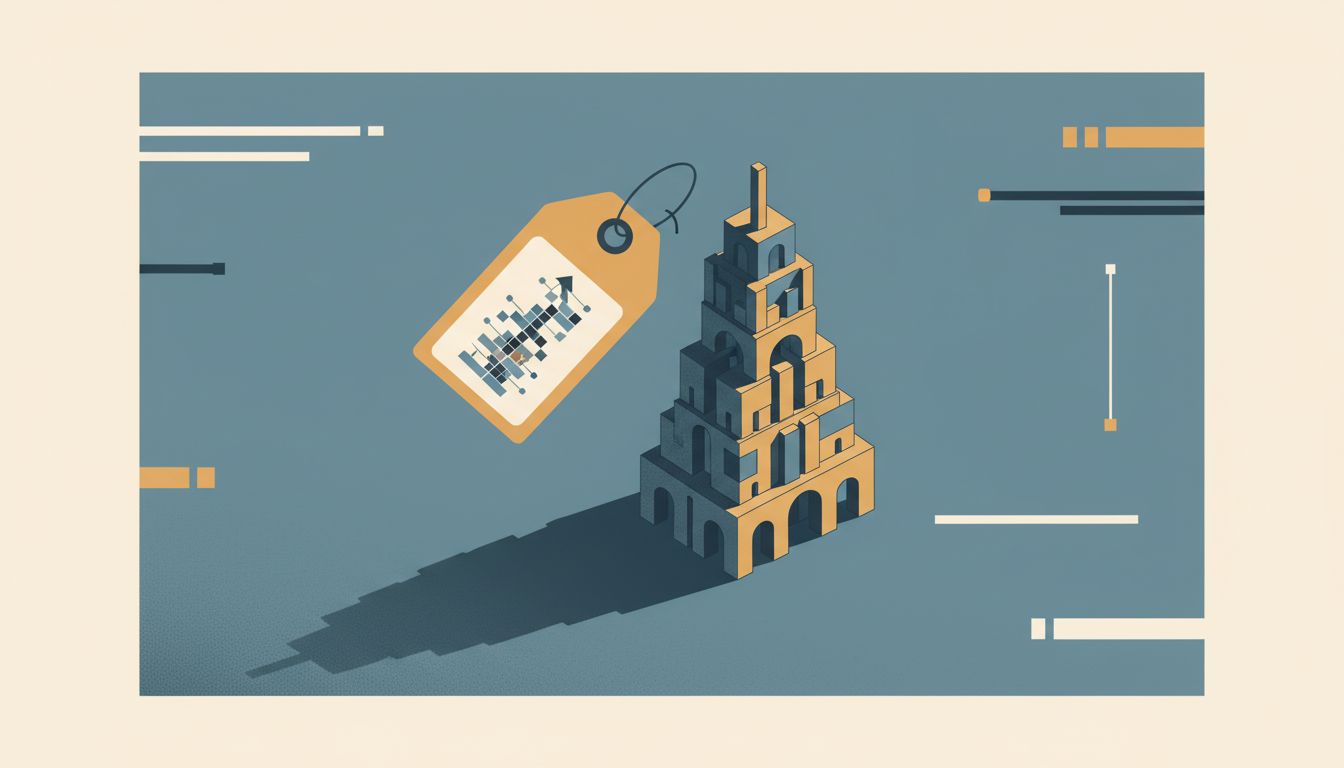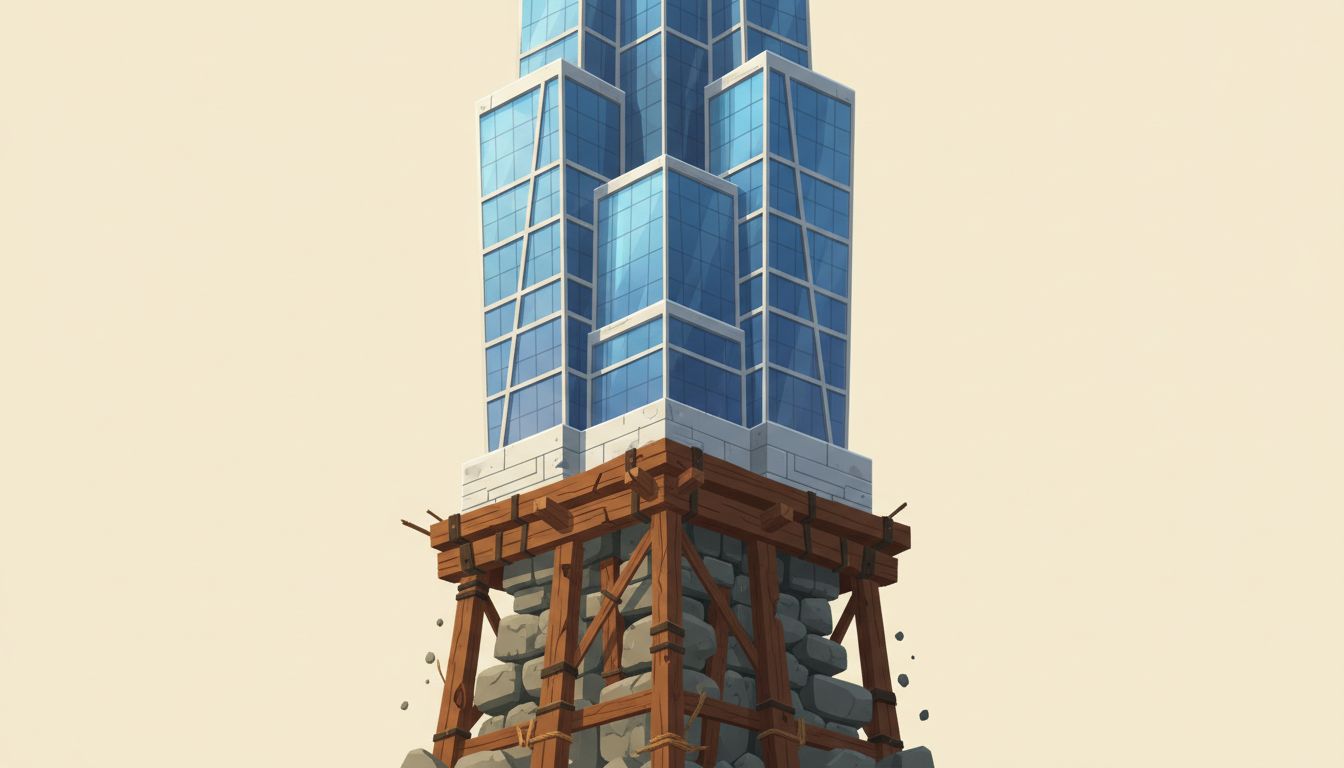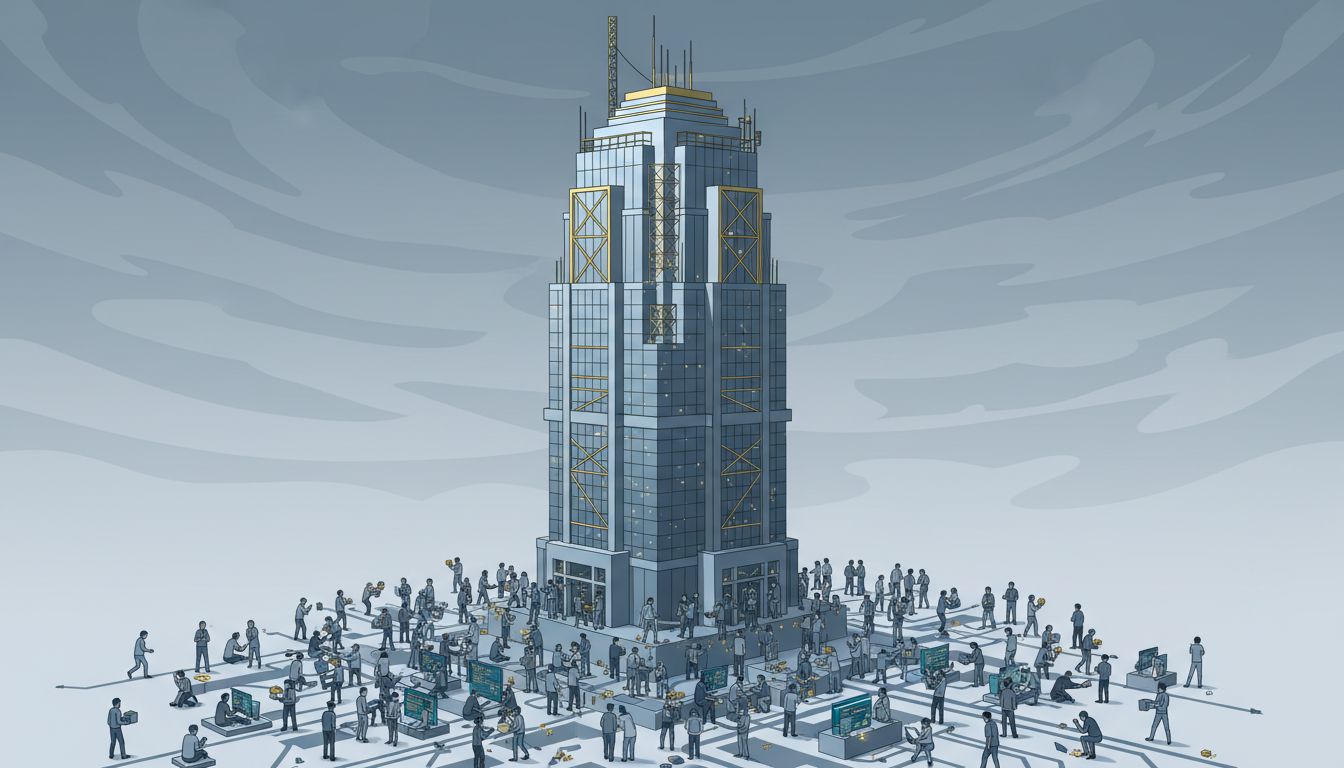

Your software didn’t just age out. It was designed to. The three-to-five year obsolescence cycle that governs most enterprise and consumer software isn’t a byproduct of rapid technological change. It’s an architectural decision made in product roadmap meetings, baked into licensing agreements, and enforced through deliberate deprecation policies that most users never read and companies rarely advertise.
This is planned obsolescence, ported from the automotive industry into the digital age, and it is now the operating foundation of the modern software economy. Tech companies intentionally design software to die in five years, and once you understand the mechanics, the frustration you feel when your perfectly functional app stops receiving security updates begins to look less like negligence and more like a precision instrument.
The Architecture of Expiration
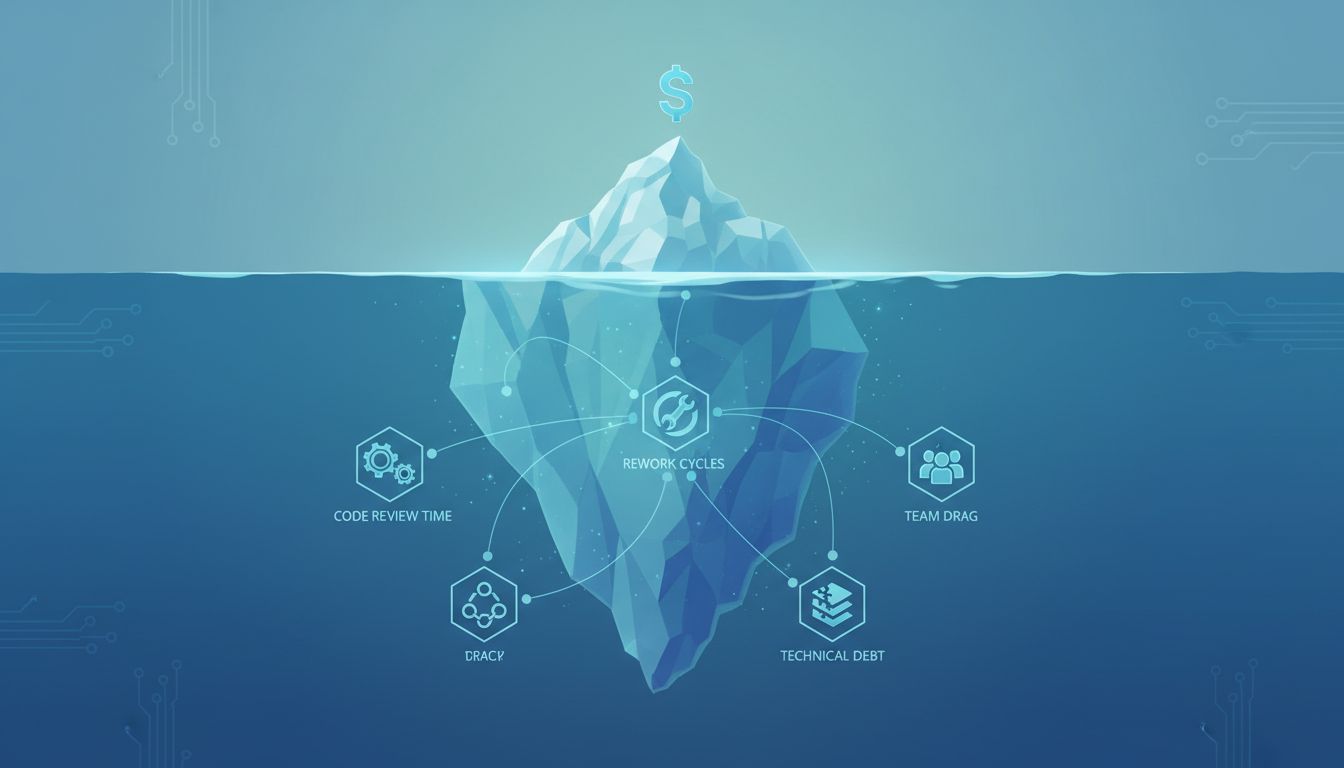
The obsolescence cycle works on two levels: the visible and the structural. At the visible level, companies announce end-of-life dates for software versions, cut off security patches, and gradually degrade compatibility with newer operating systems and file formats. At the structural level, codebases are built with dependencies that themselves carry expiration dates, creating a cascade effect that makes maintaining older software increasingly expensive, not just for the company, but for the customer.
Microsoft’s support lifecycle policy is the canonical example. Windows 10, a product that hundreds of millions of people use daily, carries a hard end-of-support date. After that date, the software continues to function, but without security updates, it becomes a liability. The message to users is clear: upgrade or accept escalating risk. The message to enterprise customers is even clearer, because they pay for extended support contracts that extend those timelines at considerable cost.
This is not accidental architecture. Engineers who build these systems understand dependency chains. Product managers who schedule end-of-life dates know exactly what pressure they are creating downstream.
Why the Cycle Is Almost Always Three to Five Years
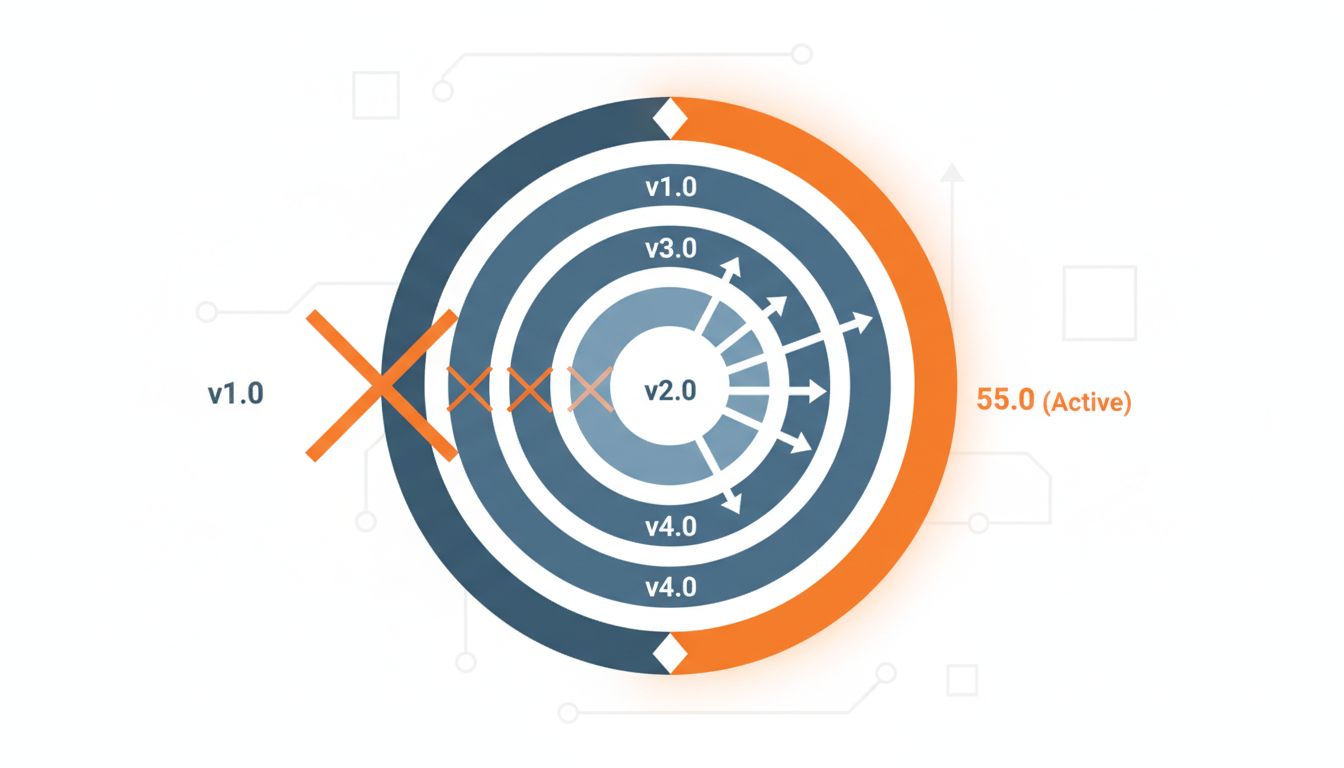
The three-to-five year window is not arbitrary. It maps almost perfectly onto enterprise budget cycles, which typically run on two-to-three year capital expenditure plans with one-to-two year runway for implementation. Software companies discovered decades ago that if you time your major releases and deprecations to coincide with when enterprise customers are already planning technology refreshes, adoption friction drops dramatically.
For consumer software, the cycle maps onto hardware replacement patterns. The average smartphone replacement cycle sits around three years globally. Laptop replacement runs slightly longer, at four to five years. Software companies that align their obsolescence timelines with hardware replacement windows can credibly argue that users upgrading their devices anyway will encounter minimal additional disruption.
The result is a synchronized ecosystem where hardware manufacturers, operating system vendors, and application developers all nudge users toward renewal at roughly the same cadence. This is not a formal cartel arrangement. It is something more durable: a convergent incentive structure where everyone at the table benefits from the same rhythm.
This pattern mirrors what happens in other corners of tech strategy. Just as tech companies launch features they know will fail to stake out competitive territory rather than satisfy immediate users, software deprecation serves a strategic purpose that extends well beyond the product being retired.
Subscriptions Changed the Math, But Not the Motive
The shift from perpetual licensing to subscription models has modified how obsolescence gets packaged, without changing its fundamental logic. Under perpetual licensing, a company needed you to buy a new version every few years. Under a subscription model, the product never technically expires, but features, integrations, and performance tiers create a different kind of pressure.
Adobe’s transition from Creative Suite to Creative Cloud is the textbook case. Customers who once paid several hundred dollars for Photoshop CS6 and used it for years now pay monthly fees for access to the current version. If they cancel, they lose access entirely. The obsolescence mechanism shifted from version deprecation to access withdrawal, but the economic outcome is identical: recurring revenue tied to continued dependency.
This also helps explain why software costs nothing to copy but sells for thousands. The marginal cost of distribution is near zero, but the value of the dependency relationship, the lock-in, the switching cost, the integration depth, is substantial. Obsolescence is one of the primary tools companies use to protect and monetize that dependency.
The Lock-In Layer Nobody Talks About
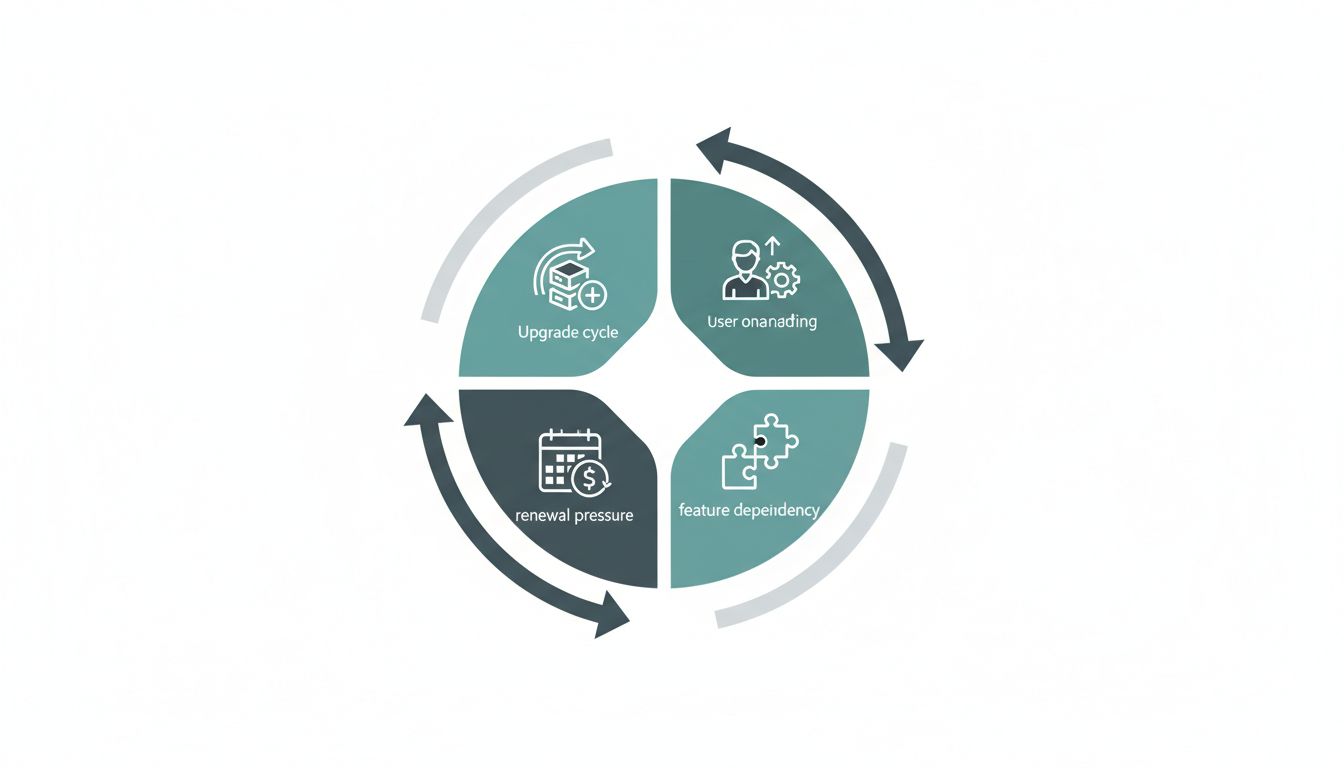
Beyond revenue, planned obsolescence serves a competitive function that gets almost no public analysis. When a company deprecates an old product version, it does not just push customers toward a new version. It resets the switching cost calculation.
Customers who have spent years building workflows, integrations, and institutional knowledge around a platform face a specific moment during every upgrade cycle: if they are going to absorb migration pain anyway, should they migrate to the competitor’s platform or stay within the existing ecosystem? Companies understand that this window of reconsideration opens during every major version transition, and they engineer upgrade paths that are just smooth enough to win that comparison, without eliminating the friction entirely.
This is a form of strategic friction management, not unlike the psychological architecture that tech companies use to make apps feel effortless through century-old design principles. The goal is not to remove all friction, but to ensure that your path has less friction than the competitor’s path.

What Users Can Actually Do About It
Understanding the mechanism does not neutralize it, but it changes how you make decisions about technology adoption. A few principles follow directly from this analysis.
First, evaluate software longevity before you evaluate features. A product with slightly fewer features and a transparent, customer-friendly lifecycle policy is almost always preferable to a feature-rich platform with opaque deprecation practices.
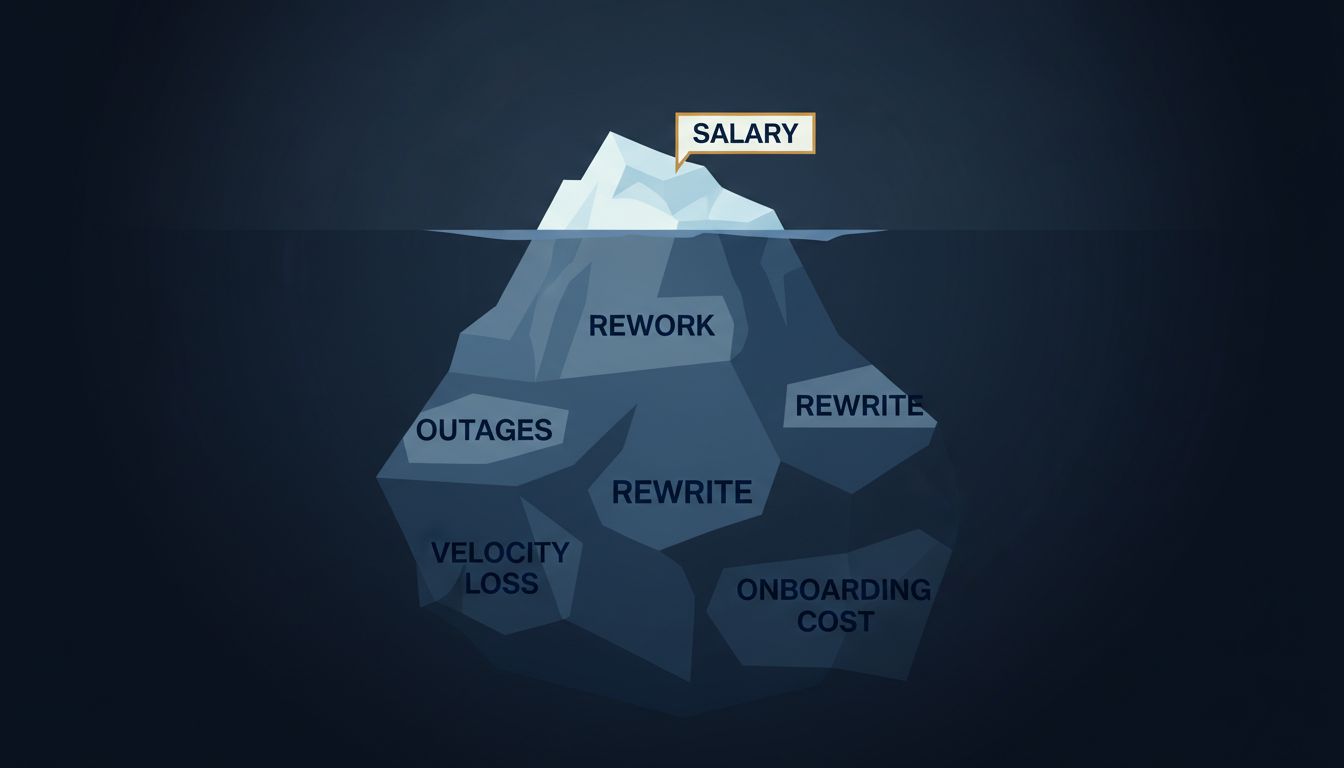
Second, treat migration costs as a first-class consideration when calculating the total cost of software ownership. Most procurement decisions focus on licensing fees and implementation costs while systematically underweighting the cost of the eventual migration that the vendor has already scheduled.
Third, pay attention to open standards compliance. Software built on open, portable data formats gives you exit options that proprietary formats deliberately foreclose.
The companies designing these systems are not villains. They are operating inside a rational economic framework where recurring revenue and managed dependency cycles produce predictable growth. But predictable for them does not mean good for you. The three-to-five year clock is already ticking on whatever software you deployed last year. The only question is whether you noticed when they started it.