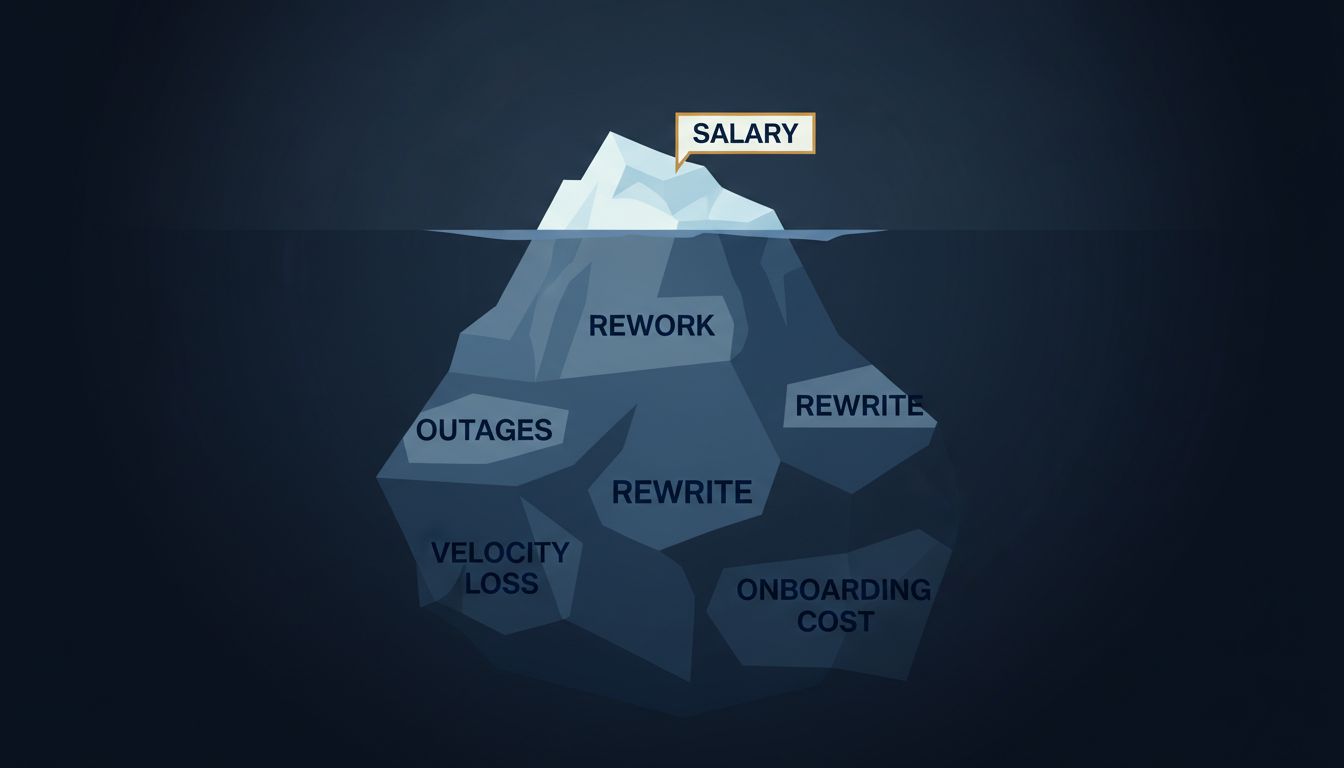

Losing money on purpose sounds like a failure of management. In most industries, it would be. But in tech, deliberately launching a product that bleeds cash is sometimes the most calculated move a company can make. Amazon sold the Kindle Fire at a loss of roughly $10 per device. Google gave away Gmail storage at a time when competitors charged for it. Spotify has never turned a consistent annual profit, yet its investors have valued it at tens of billions of dollars. These are not accidents. They are strategies.
Tech companies launching products they know will fail on purpose is a pattern so common in Silicon Valley that it has its own economic logic, and understanding it changes how you read every major product announcement.
The Loss Leader Is Not New. The Scale Is.
Retail stores have used loss leaders for over a century. Sell milk below cost, and customers walk through the door and fill their carts with higher-margin goods. Tech companies have taken this concept and scaled it to an almost absurd degree.
Amazon Web Services, now the company’s most profitable division, was originally subsidized by the retail operation. Amazon essentially used thin-margin e-commerce revenue to fund cloud infrastructure that would later generate operating margins above 30 percent. The loss period lasted years. The payoff reshaped the entire technology industry.
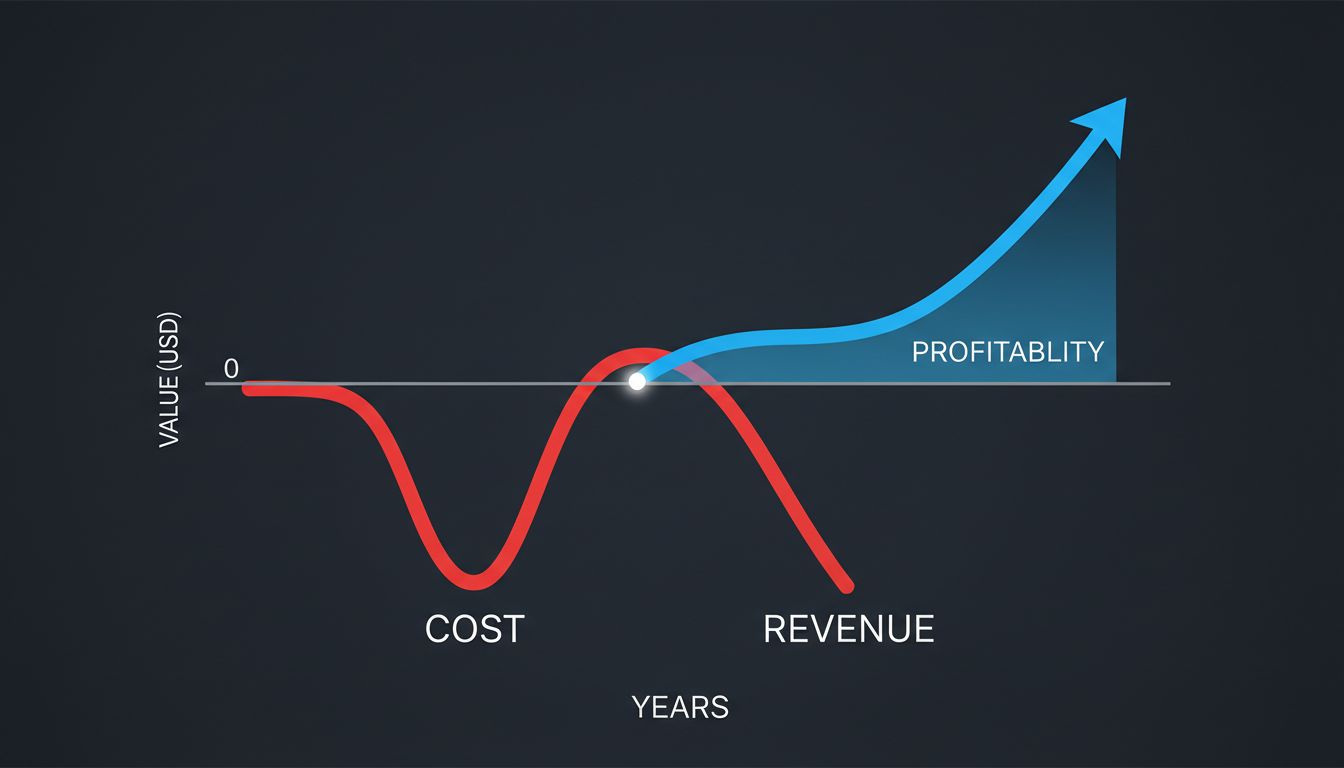
The pattern works because digital businesses have an unusual cost structure. Once infrastructure is built, the marginal cost of adding another user is close to zero. A company that loses $5 acquiring a customer today may earn $500 from that customer over five years, particularly if switching costs are high. This is the math that makes deliberate losses rational.
Platform Lock-In Is Worth More Than Immediate Revenue
When Amazon sells a Fire TV stick below cost, it is not selling hardware. It is selling access to a customer’s living room. Every movie rented, every Prime subscription renewed, every Alexa skill used flows back through Amazon’s ecosystem. The device is the door. The ecosystem is the house.
This thinking explains why platform companies generate 80% of their revenue from users who feel trapped, not loyal. The initial loss creates a switching cost. Once a customer’s habits, data, subscriptions, and muscle memory are embedded in a platform, the cost of leaving exceeds the cost of staying, even if the product is imperfect.
Game consoles have operated on this model for decades. Sony and Microsoft have historically sold hardware at or below manufacturing cost, then recouped revenue through game sales and online subscriptions. Nintendo has been the exception, typically selling hardware at a profit, which explains why its business looks so different from its competitors.
The numbers reinforce the strategy. A 2019 analysis of gaming hardware estimated that Sony’s PlayStation 4 sold at a loss of up to $60 per unit at launch, but generated an average of $130 in software revenue per unit within the first year. The hardware loss paid for itself before most customers noticed.
Data as the Hidden Product
Some tech companies lose money on a product because the product is not actually what they are selling. The real product is the data generated by using it.
Google’s free services, from search to maps to Gmail, are textbook examples. The company spends billions maintaining infrastructure that it gives away at no charge. The return is behavioral data that makes its advertising platform the most precisely targeted in history. In 2022, Google’s advertising revenue exceeded $224 billion. The cost of free Gmail looks different in that context.
This model has spread far beyond advertising. Fitness trackers sold at thin margins generate health data. Smart home devices sold cheaply generate behavioral data. The device is the sensor. The data is the asset. Companies that understand this are effectively paying customers (through subsidized hardware) to generate inventory (through usage data) that they sell to a different customer entirely (advertisers or insurers or researchers).

Competitive Blocking Is a Form of Defense
Not all deliberate losses are about long-term profitability. Some are about preventing a competitor from gaining ground.
When Microsoft launched Bing, few analysts believed it would overtake Google in search. Microsoft likely knew the same. But Bing gave Microsoft a foothold in search data and search advertising, kept its options open in AI-powered search, and prevented Google from operating in a completely uncontested market. The cost was billions in annual losses. The benefit was strategic optionality.
Similarly, how billion-dollar startups use the Goldilocks strategy to price out 90% of potential users reveals a related tactic where pricing is used not to maximize revenue but to control who enters a market and who gets squeezed out. A company willing to lose money can price a competitor out of existence, particularly if it has access to capital markets that the competitor lacks.
Uber’s early years were a clear example. By subsidizing rides to below-cost prices in city after city, it made it financially impossible for smaller competitors to build the same network density. The losses were staggering (Uber lost more than $8 billion in 2019 alone) but they bought market position that would have been impossible to acquire at a profit.

When the Strategy Fails
Deliberate losses only work under specific conditions. The company needs access to capital willing to wait for the long-term payoff. The market needs to be one where scale creates real competitive advantages. And the product needs to generate something valuable beyond revenue, whether that is data, lock-in, or competitive blocking power.
When those conditions are not met, deliberate losses are simply losses. WeWork burned through billions under the assumption that real estate was a technology market where scale would eventually produce margins. It was not, and it did not. The losses were deliberate in the sense that leadership chose them. They were not strategic in the sense that they led anywhere useful.
The discipline required to distinguish between a loss that builds something and a loss that destroys something is what separates the companies that emerge stronger from the ones that collapse. Tech companies don’t pivot because they failed. They pivot because they finally learned something. The same is true of deliberate losses. The learning is the point. The loss is the tuition.
For investors and analysts trying to evaluate whether a money-losing tech product is genius or recklessness, the question is not whether it is losing money. The question is what the company is buying with those losses, and whether that asset will be worth more than the cash spent acquiring it. Sometimes the answer is yes. History is full of companies that looked foolish for years before looking inevitable.