
If you have ever spent three hours reading API documentation only to get a cryptic 401 error, you might assume the company just has bad engineers. Sometimes that is true. But more often, the friction is intentional, and the reasoning behind it reveals something surprisingly strategic about how tech companies build ecosystems, not just products.
This pattern shows up across the industry in ways that are easy to miss until you see them clearly. It connects to a broader set of counterintuitive moves that tech companies make, similar to how some companies deliberately price premium products at a loss as a way to capture a market they plan to dominate later.
The Friction Filter
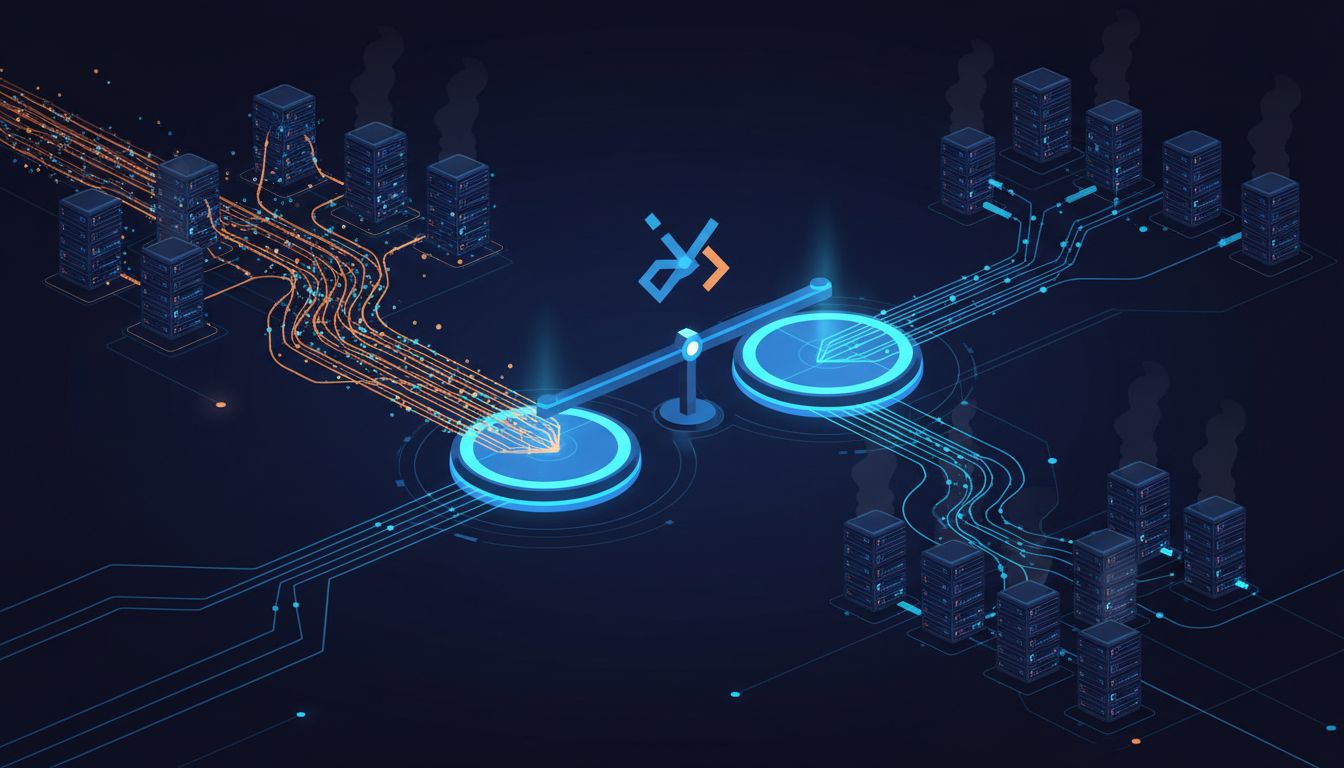
Here is the core mechanism. When a company launches an API, it is not trying to attract every developer on the internet. It is trying to attract a specific kind of developer: one who is motivated enough to push through difficulty, technical enough to build something serious, and invested enough to keep using the platform long term.
Complexity acts as a filter. A developer who gives up after twenty minutes of documentation is probably not going to build a production application on your platform. A developer who spends three days wrestling with authentication flows, asks questions in the forum, and eventually gets it working is exactly the person you want. They have already invested time. Psychologically, that investment makes them more committed to the platform going forward. Behavioral economists call this the sunk cost effect, and API designers exploit it deliberately.
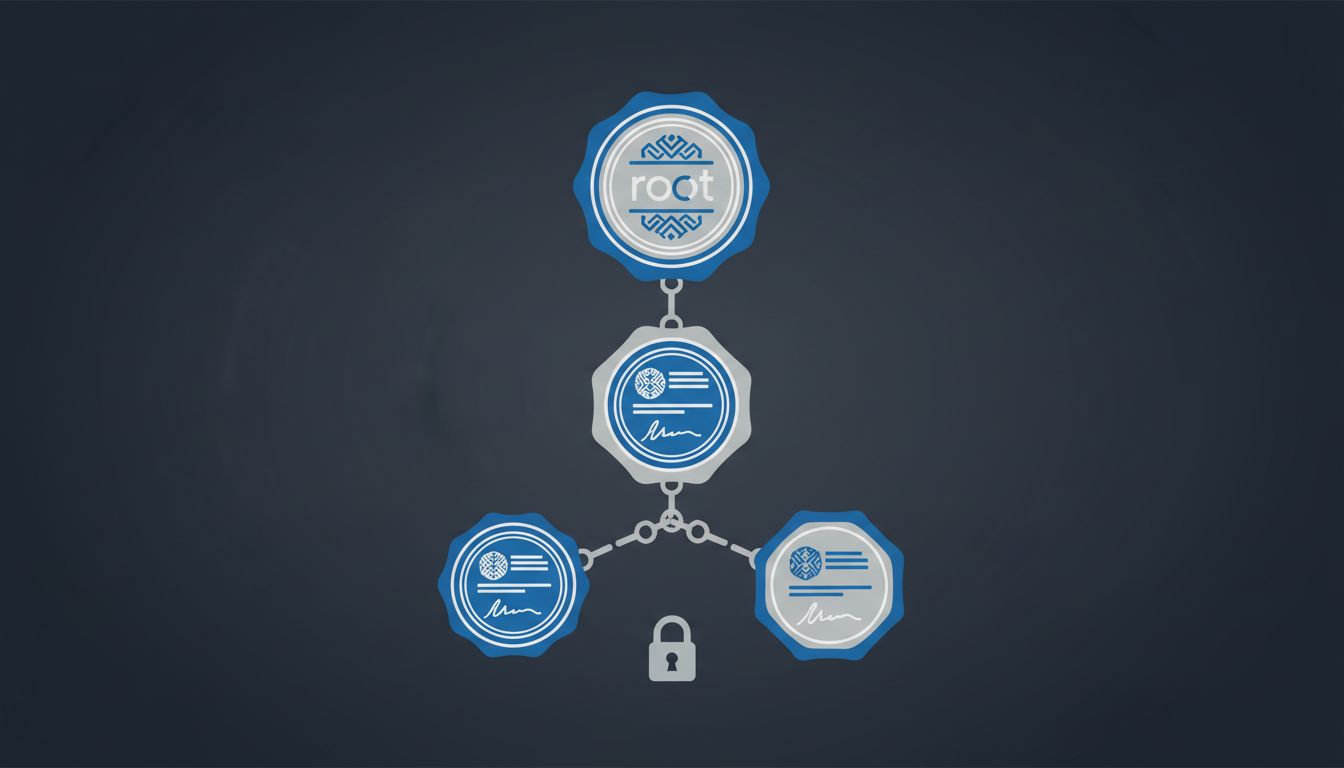
Stripe is the clearest example of this strategy done right. When Stripe launched, its API was technically more complex than some competitors. Developers had to understand concepts like idempotency keys, webhook signatures, and event objects just to process a basic payment. But every layer of complexity corresponded to a real-world edge case that would bite you later if you ignored it. The friction was educational. Developers who got through it understood payments more deeply, and they built more reliable products as a result. Stripe then had a community of highly capable users who were deeply embedded in the platform.

Complexity as a Moat
There is a second, colder reason for deliberate API friction: it creates switching costs. Once a developer has learned the quirks of your API, mapped its data models onto their own codebase, and built error handling around its specific failure modes, moving to a competitor means starting that entire process over.
This is not accidental. It is a moat, and it functions similarly to the way software companies deliberately design products that require constant updates to maintain dependency. The more idiosyncratic your API design, the more expensive it becomes for users to leave.
Amazon Web Services built its empire partly on this principle. AWS services are notoriously complex to configure. IAM policies alone have launched careers in specialization. But that complexity means that a company running production workloads on AWS has spent months or years building internal tooling, training staff, and integrating services in ways that are tightly coupled to AWS-specific abstractions. Migrating is not just technically hard. It is organizationally hard, and that is the point.
The Developer Community Flywheel
Friction also has a community-building function that is easy to overlook. When an API is genuinely hard to use, developers who figure it out become a valuable resource for those who have not yet. They write blog posts. They answer Stack Overflow questions. They build libraries and SDKs that abstract away the rough edges. This organic ecosystem of secondary resources is enormously valuable to the API provider, and it costs them almost nothing.
The company gets a community of deeply engaged developers who have a stake in the platform’s success. Those developers then evangelize the product to their colleagues, not because they were asked to, but because they went through the learning curve together and feel a kind of shared accomplishment. It is the tech equivalent of hazing, but for building loyalty.

This is also why tech companies deliberately hire their own users as employees. The developers who became power users by pushing through the hard documentation are exactly the people who understand the product deeply enough to improve it.
When Companies Simplify, and Why the Timing Matters
Here is where the strategy gets more nuanced. Deliberate friction works in the early stages of a platform’s lifecycle. But companies do eventually simplify their APIs, and the timing of that simplification is as strategic as the original complexity.
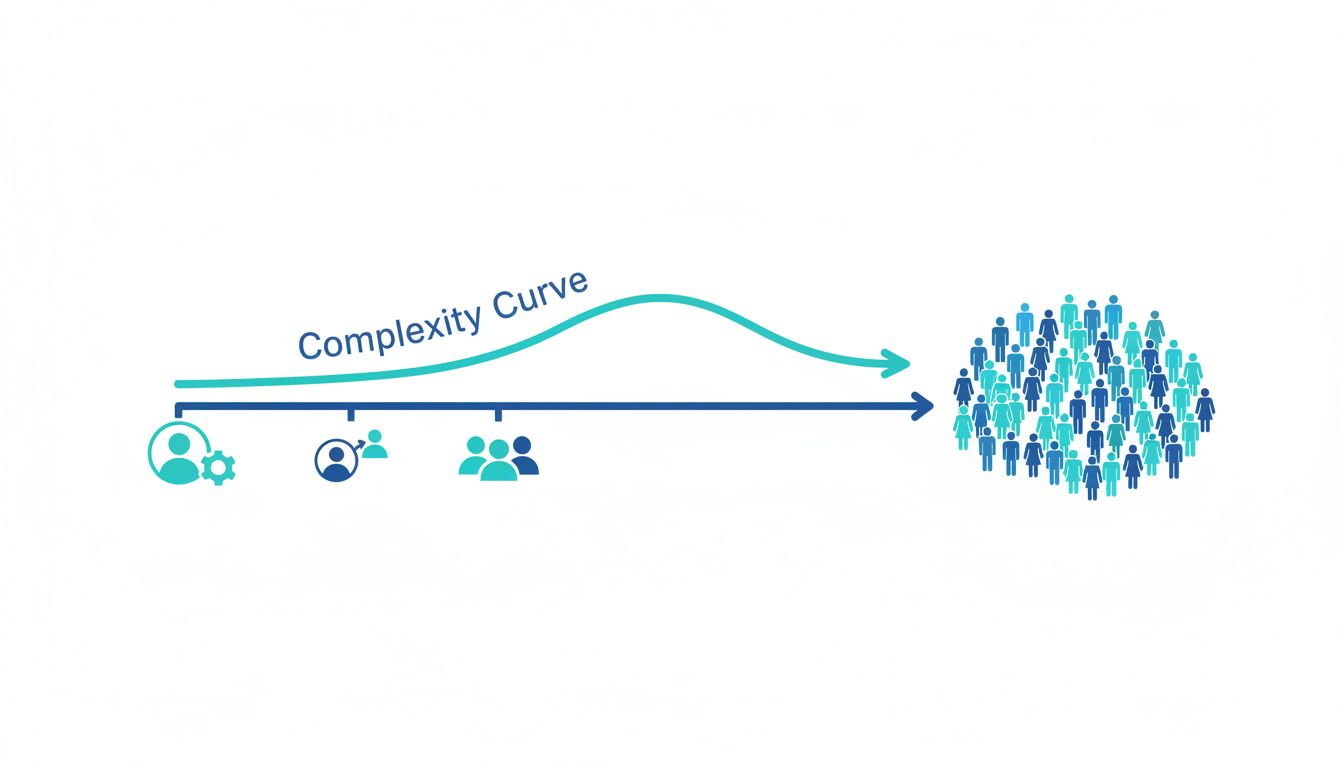
Companies simplify when they want to expand their addressable market. Early Stripe targeted sophisticated engineering teams at well-funded startups. Later Stripe, with products like Stripe Checkout and no-code payment links, targeted small business owners with no engineering staff at all. The complexity that served as a filter early on would have been a barrier to that second phase of growth.
The pattern is: start complex to build a core of committed, high-value users who create the ecosystem and set the quality bar. Then simplify to scale broadly once the ecosystem is mature enough to support less sophisticated users. The early users become the credibility engine that makes the product trustworthy to the later, less technical audience.
This sequencing also mirrors a strategic principle that applies to startups more broadly. Early-stage startups often win by knowing less than their competitors, not more, because it forces them to listen carefully to the specific users who are willing to push through difficulty to use a rough product. Those early adopters reveal what actually matters.
The Line Between Strategic Friction and Just Bad Design
It is worth being honest about one thing. Not all API friction is strategic. Some of it is genuinely bad design, poor documentation, or organizational dysfunction. The trick is knowing the difference.
Strategic friction has a logic to it. Each difficult step corresponds to something real: a security requirement, a data model that reflects actual business complexity, a configuration option that gives power users meaningful control. The friction is proportional to the depth of the capability being unlocked.
Accidental friction is arbitrary. It is the result of internal jargon leaking into public documentation, authentication flows that reflect legacy system constraints rather than security best practices, or error messages written for the engineer who built the system rather than the developer trying to use it.
The best API teams know the difference and deliberately protect the strategic friction while aggressively removing the accidental kind. That distinction, knowing which hard parts to keep and which to eliminate, is genuinely one of the harder problems in developer experience design.
So the next time you hit a wall in an API’s documentation, it is worth asking: is this friction protecting me from a real complexity I will need to understand eventually? Or is this just noise? The answer tells you a lot about how seriously the company takes the developers it is trying to attract, and whether the ecosystem they are building is worth joining.