Your phone feels slower than it did two years ago. Your laptop groans under apps that once launched instantly. You blame aging hardware, bloated updates, or just the entropy of modern computing. You are wrong on all counts. The slowdown is not a bug. It is, in the coldest sense of the phrase, a feature.
This is one of the most consequential and least discussed strategies in consumer technology, sitting at the intersection of product design, behavioral economics, and upgrade cycles. Understanding it changes how you see every loading spinner, every laggy scroll, every inexplicably sluggish update. And it connects directly to why tech companies design software to be hard on purpose, a pattern that runs far deeper than most users suspect.
The Upgrade Treadmill Is Engineered, Not Accidental
The most visible example came in 2017, when Apple confirmed what millions of iPhone users had suspected for years: the company was throttling processor performance on older devices. Apple framed this as battery management, a way to prevent unexpected shutdowns as lithium-ion cells aged. Both things can be true simultaneously. The throttling did protect batteries. It also made three-year-old phones feel dramatically slower than new models, right around the time Apple wanted customers shopping for upgrades.
The resulting class action settlement cost Apple over $500 million. The practice, in various forms, continued industrywide.
Microsoft has run a quieter version of the same playbook with Windows. Each major release ships with feature sets that demand more RAM, more storage, more GPU overhead than the previous version required. The hardware minimums printed on the box are technically accurate and practically insufficient for a fluid experience. The gap between “runs” and “runs well” is where upgrade pressure lives.
Feature Bloat as Strategic Weight
There is a second mechanism at work, less cynical in origin but equally effective in outcome: feature accumulation. Software teams ship new capabilities continuously, and each addition carries computational weight. Animation layers, telemetry pipelines, background sync processes, AI inference engines running locally, these are real features that real users sometimes want. They also consume resources in ways that compound over time.
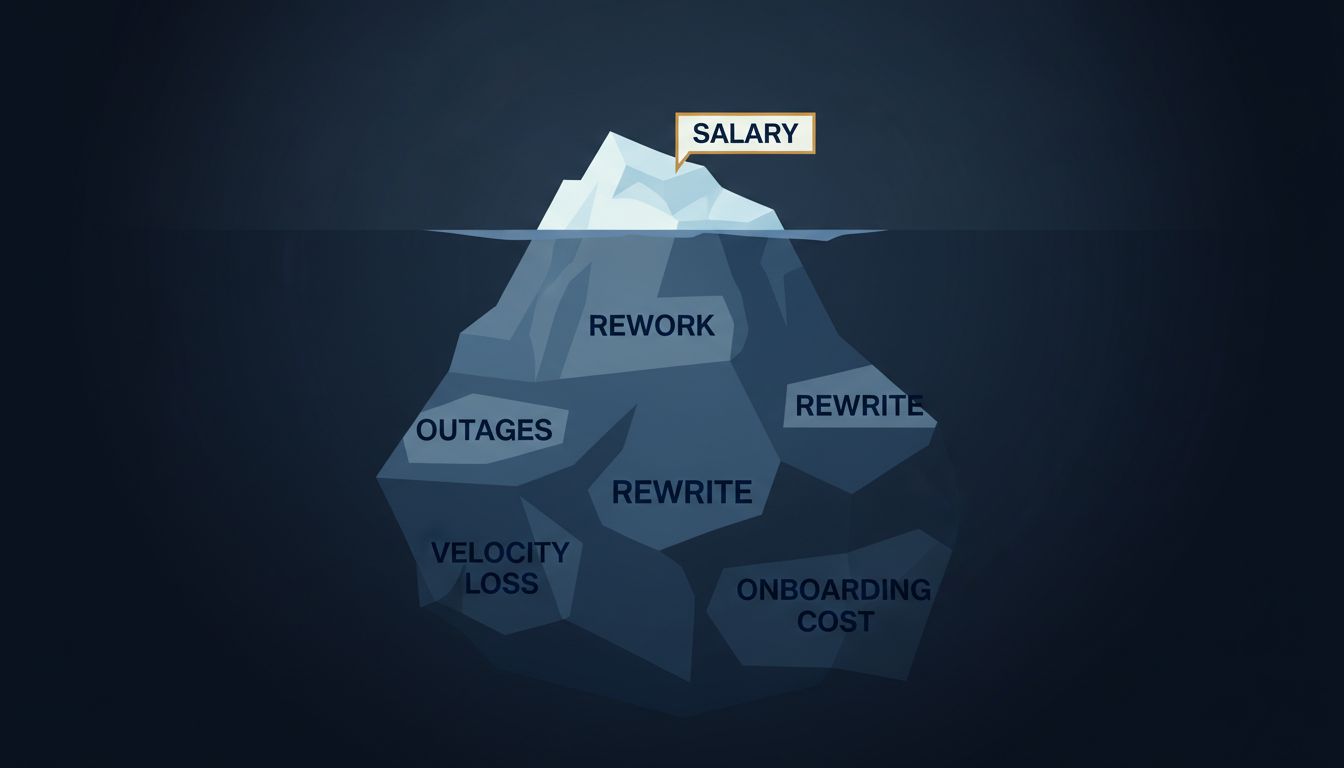
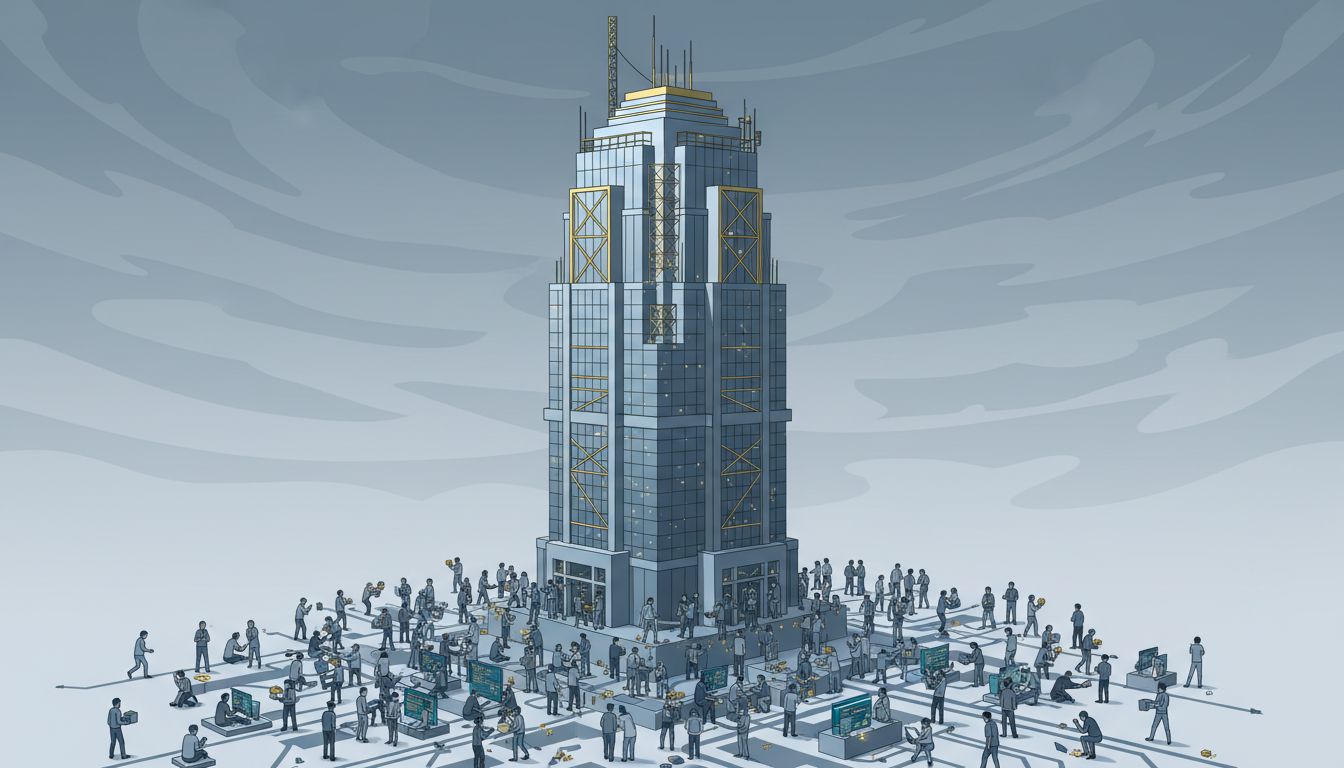
The problem is that product teams are almost never incentivized to remove. Adding earns headlines and satisfies stakeholders. Removing is invisible work that generates no press release. The result is what engineers call “code rot,” though a more accurate term might be “strategic sediment.” Each layer of new functionality settles atop the last, and older hardware sinks under the cumulative weight.
This connects to a broader pattern in how software is built and maintained. Fixing software bugs costs dramatically more than preventing them, and the same logic applies to performance regressions. Once slowness is baked into an architecture, the cost of reversing it often exceeds the cost of simply releasing a faster product on new hardware.
The Telemetry Loop You Don’t Know You’re In
Here is where the strategy becomes genuinely sophisticated. Major platforms run continuous A/B experiments on their user bases, testing interface changes, feature rollouts, and yes, performance thresholds. Tech companies test new features on millions of real users without telling anyone, and performance degradation is no exception to this testing culture.
The data these companies collect is extraordinarily precise. They know exactly how many milliseconds of added latency it takes before a meaningful percentage of users begins Googling new phone models. They know which user segments tolerate slowness and which immediately churn. They can dial performance variables with the same granularity that a pharmaceutical company titrates a dosage.
This is not speculation. It is the logical outcome of having both the technical capability to measure everything and the financial incentive to optimize for hardware sales or subscription upgrades. When cloud giants can cut their own infrastructure costs by 70% and still raise your prices, it becomes clear that the relationship between what technology costs to run and what users are charged has always been a strategic variable, not a technical constraint.
What This Means for Enterprise Software
Consumer devices get the headlines, but enterprise software is where intentional degradation becomes truly audacious. Companies like SAP, Oracle, and Salesforce sell “upgrades” that frequently make core workflows slower and more complex than the previous version. Users notice. Adoption suffers. IT departments file complaints.
And yet the contracts renew, because the switching costs are catastrophically high. The software is slow, but leaving is slower still. Enterprise vendors understand this with uncomfortable precision. Slowness, in this context, is a moat.
The dynamic is particularly sharp in productivity software. Microsoft 365 ships updates that add features most enterprise users will never touch while degrading performance on the workflows they run all day. The product team is not incompetent. The product team has different priorities than the end user does, and those priorities are shaped by renewal metrics, not satisfaction scores.
The User Who Notices and the User Who Doesn’t
Not all users respond to induced slowness the same way, and tech companies know this too. Heavy power users, the people who track benchmarks and read release notes, notice performance regressions immediately and complain loudly. But they represent a small fraction of any user base and are rarely the most profitable segment.
The majority of users experience slowness as vague dissatisfaction. They don’t know that last quarter’s update added three background processes. They just know their phone feels old. That feeling is the product. It is manufactured at scale and distributed through the update mechanism that users have been trained, across decades, to trust.
Research on digital behavior consistently shows that users who strip away tool complexity and resist the upgrade treadmill often outperform those who chase the latest hardware and feature sets. Digital minimalists who ignore most tech trends on purpose consistently outperform everyone who doesn’t, not because old tools are better, but because the upgrade compulsion itself is a productivity tax.
The companies inducing that compulsion know this. They have read the same research. Their business model depends on you not acting on it.
The Uncomfortable Conclusion
Deliberate software degradation is not a conspiracy requiring shadowy intent. It is the predictable output of rational incentive structures operating at scale. When a company’s revenue depends on hardware upgrades or subscription tier increases, and when that company controls both the software and the performance data, slowness becomes a lever. It would be surprising if they didn’t pull it.
The honest response is not outrage but literacy. Knowing that your apps are slower by design changes what you do with that slowness. Before you buy the new phone, it is worth asking whether you are responding to a genuine need or to a carefully engineered feeling that your current hardware is no longer enough. In most cases, the hardware is fine. The strategy is working.