The popular defense of planned obsolescence in tech goes like this: software grows more complex over time, new features demand more processing power, and older hardware simply cannot keep pace. This explanation is technically true and almost entirely beside the point.
The more honest framing is this: tech companies have strong financial incentives to ensure older hardware feels inadequate, and they make engineering decisions that serve those incentives. Calling this accidental is like calling a toll road accidental. The structure exists because someone built it that way.
The Battery Throttling Case Was Not an Outlier
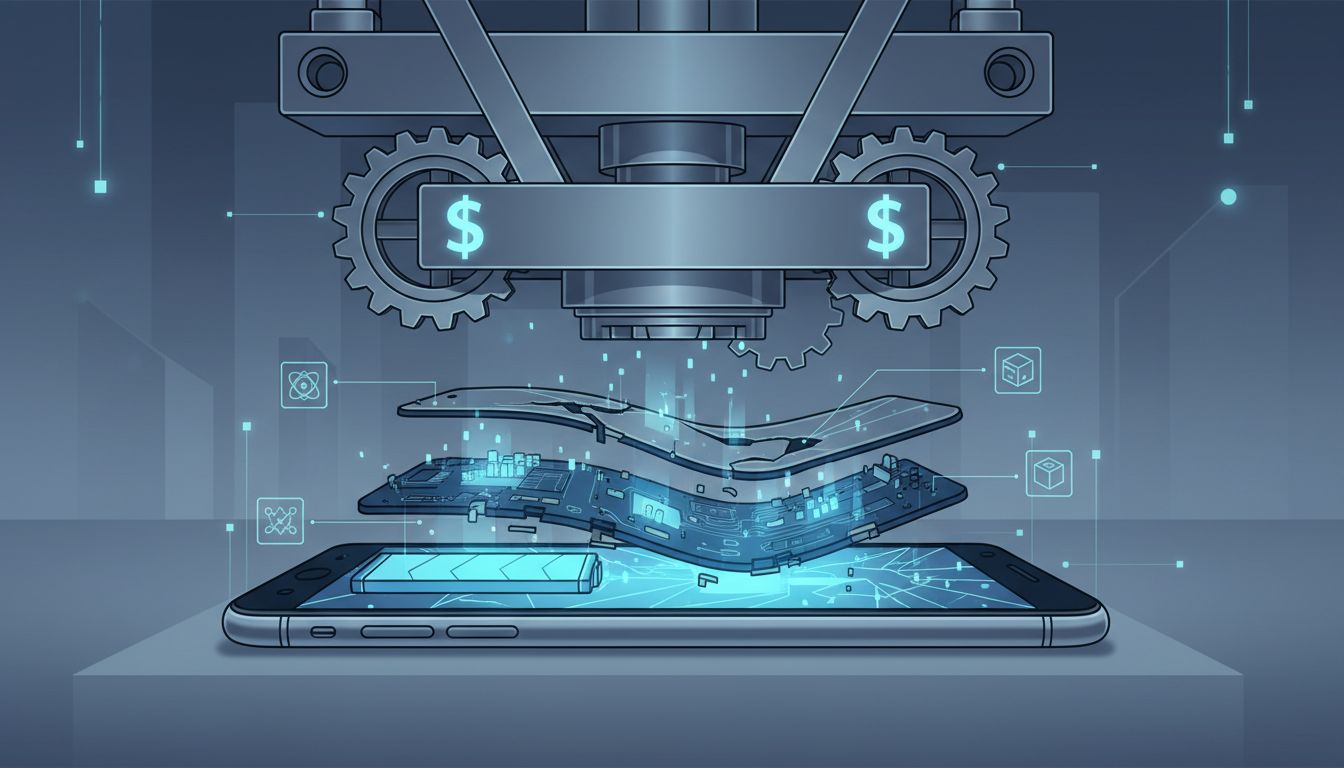
In 2017, Apple confirmed it had been deliberately throttling processor performance on iPhones with degraded batteries, without telling users. The stated reason was to prevent unexpected shutdowns. That explanation holds up under technical scrutiny. The problem is that Apple never offered a cheaper battery replacement as a first option, never disclosed the throttling behavior in its software notes, and never gave users a visible choice. The fix that would cost $29 was invisible; the upgrade that would cost $999 was prominently advertised.
Apple settled a class-action lawsuit for $500 million in 2020 without admitting wrongdoing. The settlement affected users of the iPhone 6, 6 Plus, 6s, 6s Plus, 7, 7 Plus, and SE. That is not a small footnote. That is a company-wide policy affecting hundreds of millions of devices.
The framing of “protecting the user experience” does real work here. It is not false, exactly. But it systematically excludes cheaper alternatives and leaves users with one practical path forward: a new device.
Software Bloat Is a Policy Choice, Not an Accident
As software gets slower because faster hardware gives developers permission to stop caring, the ecosystem as a whole conspires to make older hardware feel sluggish even when the hardware itself has not changed. Operating system updates add features that older chips were never designed to run efficiently. App developers target current hardware specs because that is where most active users are. The result is that a three-year-old device running current software feels noticeably slower than the same device did when new, even though nothing physical has degraded.
This is not inevitable. Google’s Android Go program demonstrates that a stripped-down OS can run competently on modest hardware. The mainstream Android and iOS releases make no such concession, because making older devices feel adequate reduces upgrade pressure. Developers at large companies are not unaware of this dynamic. They are simply not rewarded for optimizing it away.
The Services Business Depends on a Growing Device Base
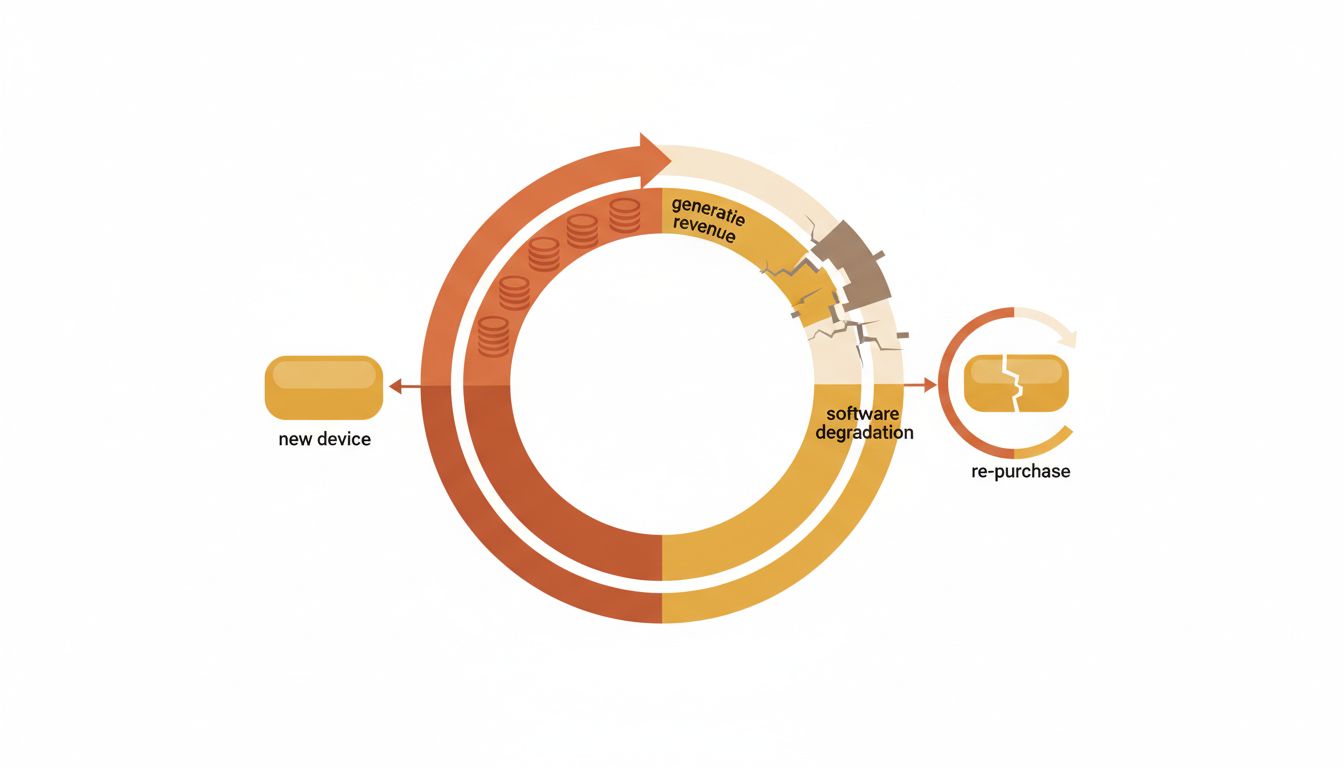
Apple’s services segment, which includes the App Store, iCloud, Apple Music, and Apple Pay, generated over $85 billion in revenue in fiscal year 2023. That number grows when the installed base of current-generation devices grows. Users on older hardware are more likely to be outside the payment ecosystem, running outdated app versions, or ineligible for new services entirely.
This creates a direct financial incentive to retire older hardware through software pressure rather than hardware failure. A phone that breaks is gone. A phone that feels unbearably slow still exists in the upgrade funnel, pushing its owner toward a new device that re-enters the services ecosystem. The device is not the product. The device sale is the entry fee.
The Counterargument
The strongest defense of this behavior is also the most honest one: genuine technical progress creates genuine incompatibility, and consumers benefit from companies that push the frontier rather than maintaining backward compatibility indefinitely. Microsoft’s decision to exclude older processors from Windows 11 support was controversial, but the TPM 2.0 requirement and the focus on newer security architectures reflect real security tradeoffs, not pure marketing.
There is also something to the argument that supporting a long tail of old devices imposes real costs on developers and creates real security risks for users who stay on outdated software. Android’s fragmentation problem, where older devices receive no security updates and remain vulnerable for years, is a genuine harm.
But this defense works best when companies are transparent about what they are doing and offer users genuine alternatives. Apple’s throttling was the opposite of transparent. Offering a $29 battery replacement as a clearly communicated first option would have served the stated goal (preventing shutdowns) without funneling users toward upgrades. The transparency and the alternative were both absent. That gap is where the motive lives.
The Structure of the Incentive Is the Problem
The tech industry does not need a conspiracy to produce deliberate obsolescence. It needs exactly what it has: a business model where recurring hardware upgrades and services subscriptions are the primary revenue drivers, where engineers are optimizing for current hardware, and where the costs of making older devices feel slow are borne by consumers rather than companies.
When the incentive points in one direction and the outcome consistently follows, the cause is the incentive. The battery throttling settlement, the App Store’s minimum iOS requirements, the annual operating system updates that slow older chipsets: these are not isolated failures. They are a coherent system producing a predictable result.
Consumers who understand this are not powerless, but they are operating against a current. The companies with the most to gain from upgrade cycles control the software, the update schedules, and the repair options. Clarity about that structure is more useful than the comfortable fiction that your old phone slowed down on its own.