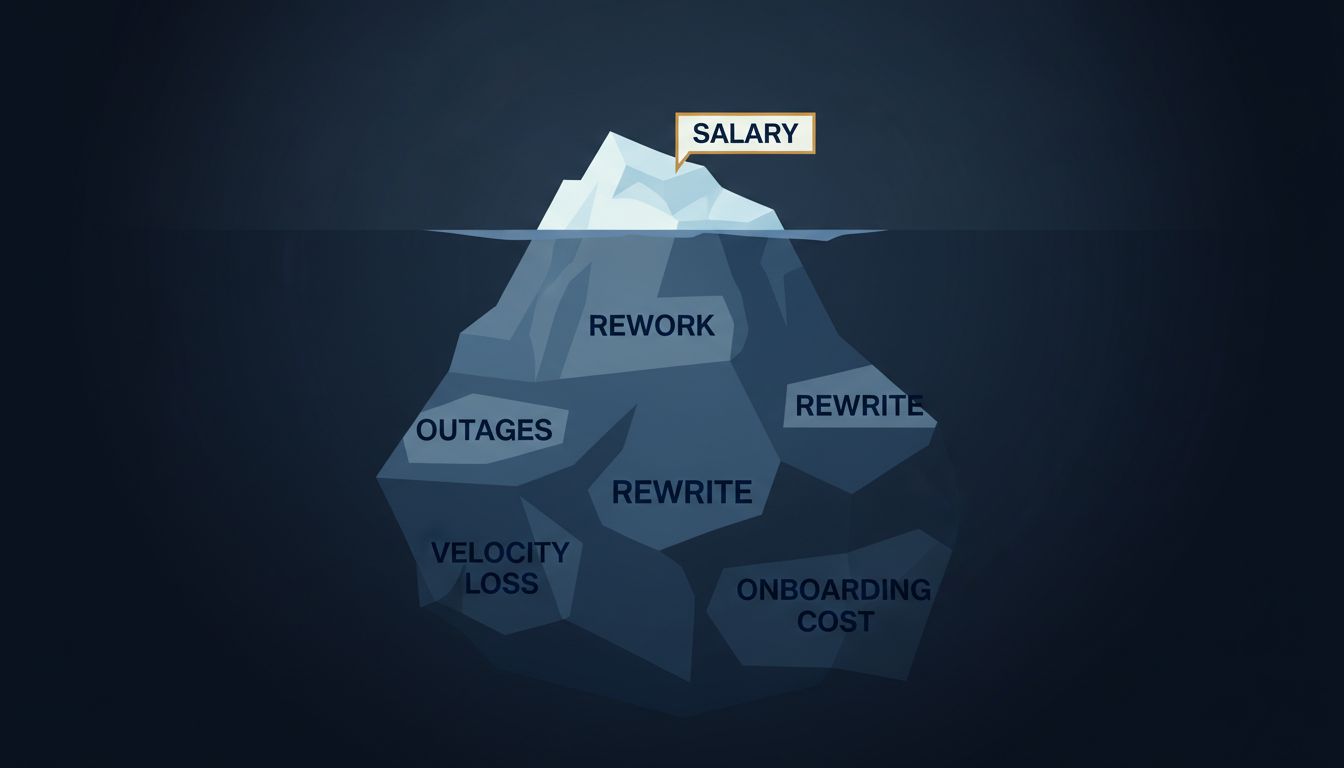
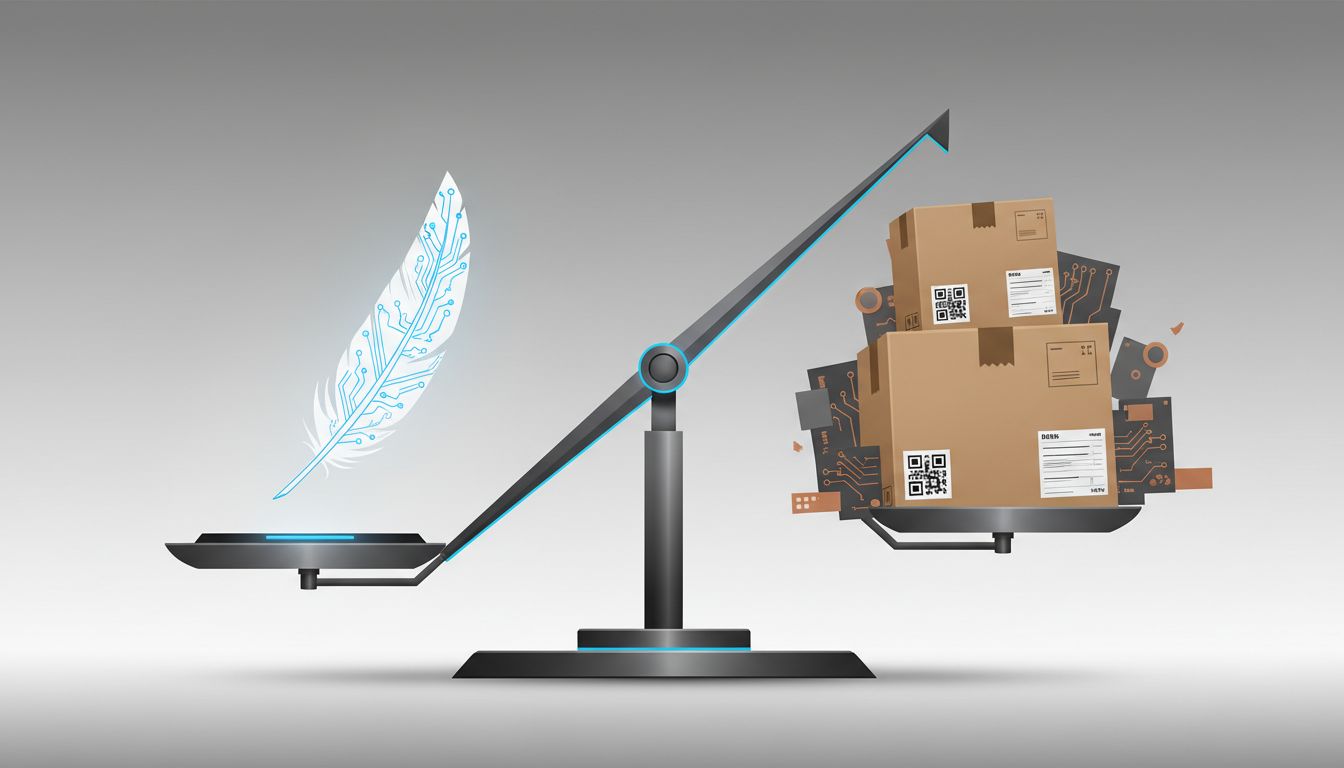
The premise sounds conspiratorial until you run the numbers. Slowing down old hardware through software updates costs a company nearly nothing to execute and generates upgrade revenue on a reliable cycle. A trade-in program, by contrast, requires logistics, refurbishment, resale infrastructure, and a margin hit on every returned device. The choice between these two strategies is not a mystery once you treat it as a business decision rather than a moral failing.
This is not a defense of the practice. It is an explanation of why the incentive structure points so consistently in one direction.
1. Software Slowdowns Are Essentially Free to Deploy
The marginal cost of pushing a software update that increases processing overhead on older chips is zero. The update ships alongside genuine security patches and feature additions, so the engineering work is already budgeted. What gets added to old hardware is not a malicious line of code so much as a resource requirement that the older chip handles less gracefully than newer silicon.
Apple made this concrete in 2017 when it confirmed it was throttling battery performance on older iPhones to prevent unexpected shutdowns. The French government fined Apple 25 million euros for the practice in 2020. The fine was real, but relative to Apple’s quarterly revenue at the time (over $90 billion), it was the cost of a rounding error. The throttling, meanwhile, had been standard practice for years. That is the asymmetry at the heart of this strategy: the enforcement cost is a known, manageable number, and the upgrade revenue it drives is not.
2. Trade-In Programs Require Physical Infrastructure That Eats Margin
Apple, Samsung, and Google all run trade-in programs, but they are carefully designed to minimize the company’s exposure to actual hardware. In most cases, the trade-in value is applied as a credit toward a new purchase, the old device is shipped to a third-party refurbisher, and the company captures the margin on the new sale without bearing the cost of refurbishment. The programs exist primarily as a sales tool, not a genuine hardware recovery operation.
Building out a full trade-in infrastructure, meaning receiving, grading, repairing, repackaging, and reselling millions of devices per year, requires capital investment that most companies would rather not make. Apple’s certified refurbished store sells a fraction of the devices the company ships annually. The economics of secondary markets are thin, and they compete directly with new device sales. A company that aggressively recovers and resells its own hardware is, in effect, subsidizing the choice to not buy new.
3. Upgrade Cycles Are a Revenue Model, Not a Side Effect
The smartphone industry settled on roughly a two-to-three year replacement cycle, and that cycle is not accidental. It aligns with carrier contract lengths, with the depreciation curve on consumer psychology, and with the cadence of meaningful hardware improvements. Software that runs comfortably on a four-year-old device disrupts that cycle. Software that runs sluggishly on the same device reinforces it.
This is not unique to consumer electronics. As we’ve noted elsewhere on this site, the distinction between deliberate obsolescence and structural obsolescence has largely collapsed. When new software versions are written for the performance envelope of new hardware, old hardware degrades as a natural consequence, with no intent required. Intent or not, the business outcome is identical: shorter replacement cycles, predictable revenue, and a growing installed base on current-generation devices that supports services revenue.
4. Regulators Are Reacting, But Slowly Enough That the Strategy Still Pays
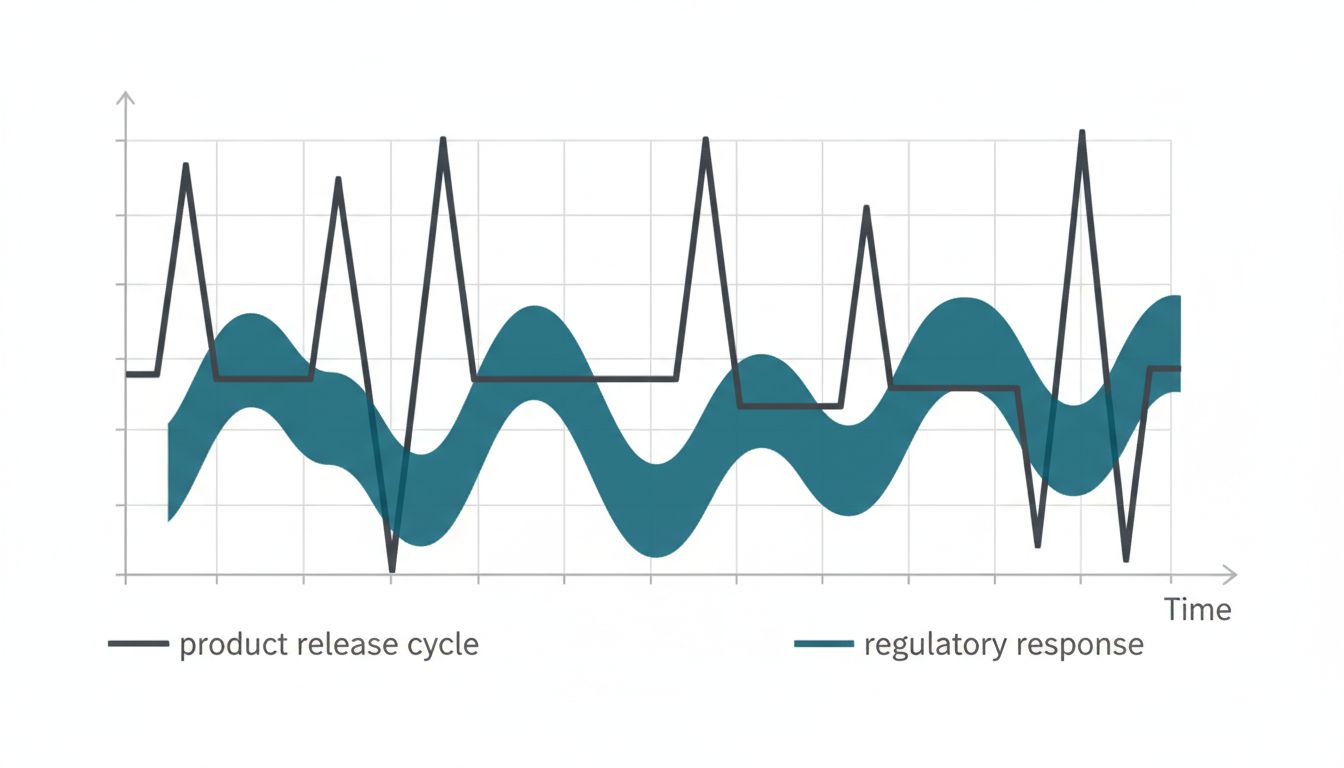
The European Union’s right-to-repair directive, which came into force in 2024, requires manufacturers to provide spare parts and repair documentation for certain product categories. France’s repairability index, introduced in 2021, forces manufacturers to publicly score how repairable their devices are. These are real constraints, and they are pushing some manufacturers toward longer software support windows.
But the regulatory timeline moves at a pace that favors incumbents. Apple extended its software support window for iPhones in recent years, in part in anticipation of European requirements, but the company still controls when support ends and what that support includes in terms of performance. A device receiving security updates but not performance optimizations is technically supported while functionally declining. Regulators have not yet written rules specific enough to close that gap.
5. The Announced Trade-In Is a Marketing Tool; the Slowdown Is the Actual Mechanism
When Samsung or Apple announces a trade-in promotion, it gets press coverage. It signals environmental responsibility and customer consideration. What it actually does is lower the psychological barrier to purchasing a new device by reducing the perceived sunk cost of the old one. The promotion captures customers who were already considering an upgrade and converts fence-sitters by eliminating one objection.
The slowdown, meanwhile, works on a longer timeline and a much larger population. It does not require the customer to opt in. It does not require a marketing campaign. It operates on every device simultaneously, and it converts customers who had no intention of upgrading into customers who feel they have no choice. That is a more powerful mechanism, and it explains why trade-in programs are permanent fixtures of marketing budgets while performance optimization for older hardware remains consistently deprioritized in engineering roadmaps.
6. The Users Who Notice Are Not the Users Who Drive Revenue
Power users who track benchmark scores and notice performance degradation are vocal but economically marginal. They are also the most likely to pursue alternatives, whether that means flashing a custom ROM, buying a refurbished device, or switching platforms entirely. Companies have largely priced this population out of their retention calculations.
The median smartphone user replaces their device when it feels slow, not when a benchmark confirms it has degraded. That subjective threshold is exactly what software updates are calibrated to reach. It is worth noting that the experience of perceived slowness on modern hardware often has more to do with software bloat than silicon limits, a dynamic explored in why a 2009 ThinkPad running Linux feels faster than your brand new laptop. The slowdown does not need to be dramatic. It needs to be persistent enough that a new device, handled in a store, feels noticeably better. That comparison moment is where upgrade decisions get made, and it is what the entire strategy is engineered to produce.