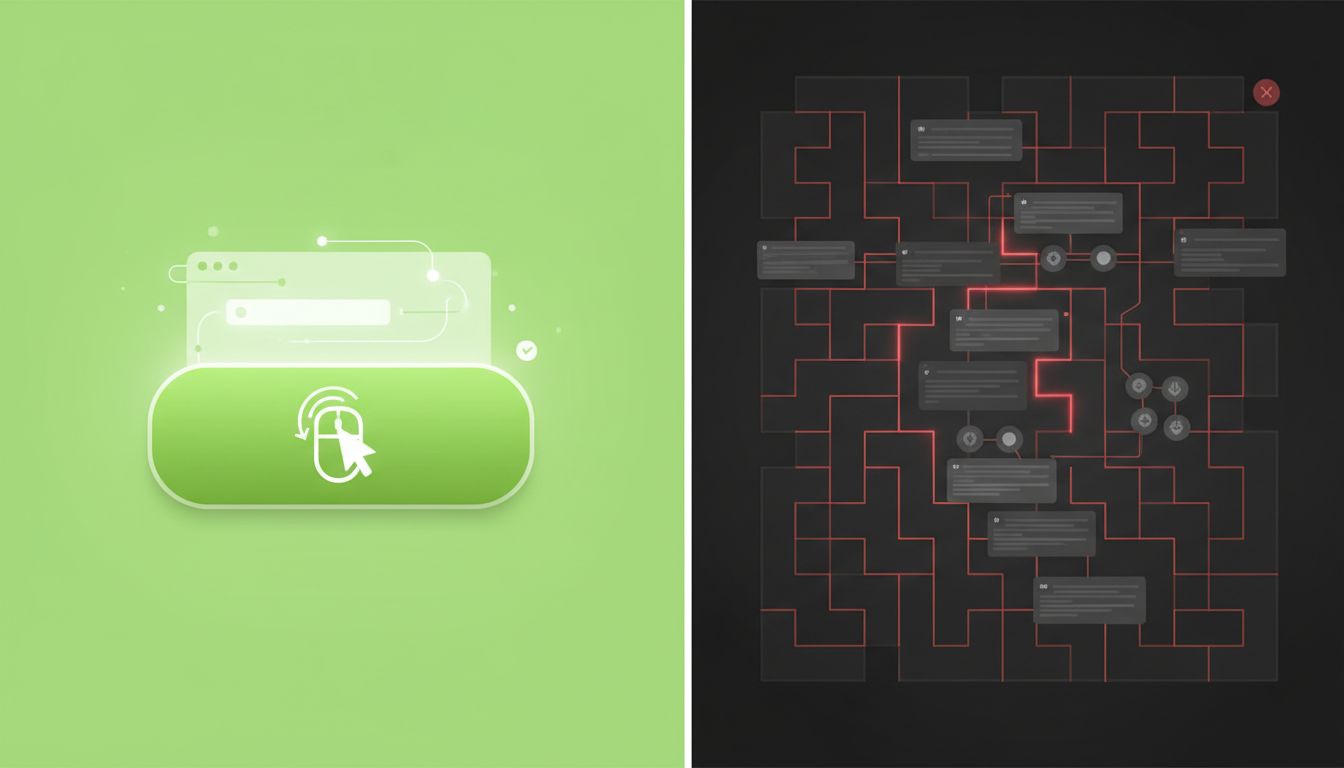
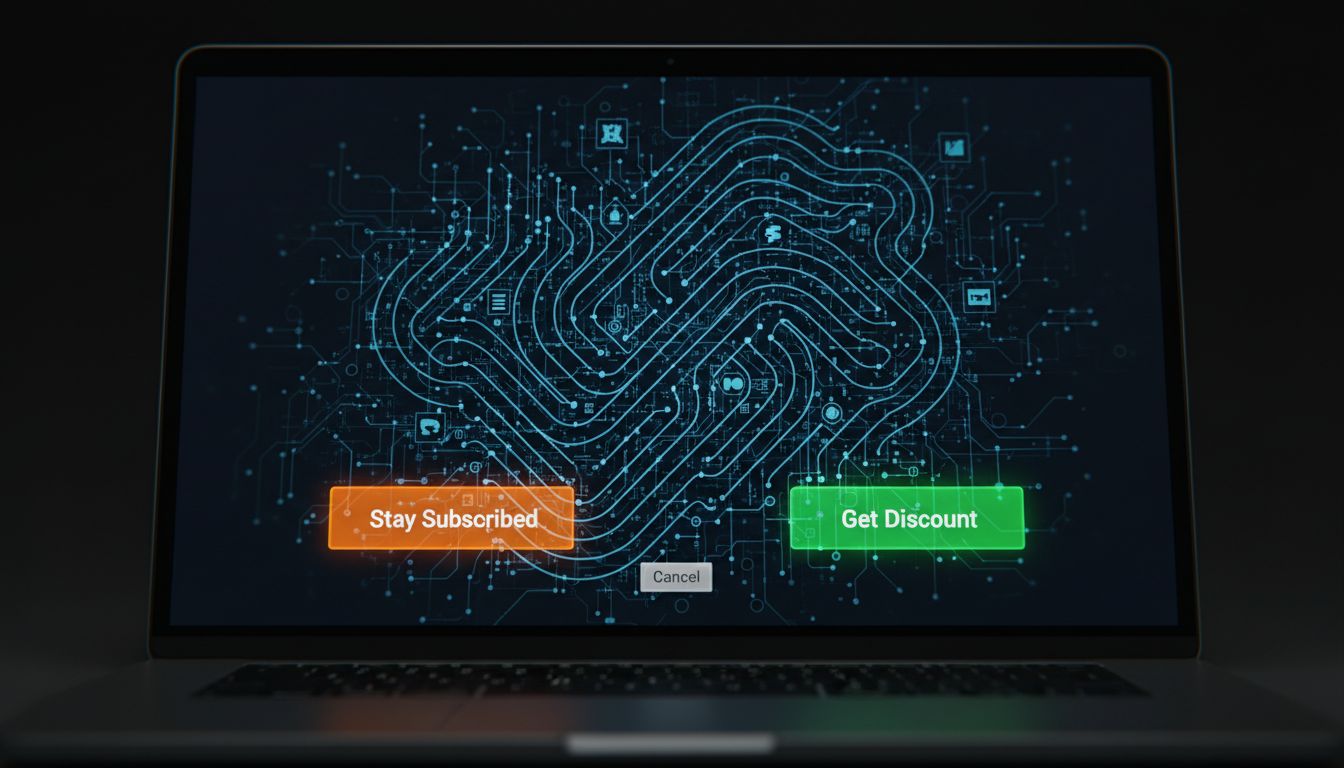
The cancel button is there. It’s just gray, small, and buried three screens deep. When you finally find it, you’re asked to confirm your cancellation, then offered a discount, then shown a summary of everything you’d lose. By the time you reach the actual exit, a meaningful percentage of users have already given up. This is not a design oversight. It is the design.
Deliberate friction, the practice of making certain actions harder than they need to be, has become one of the most powerful and least discussed tools in the tech industry. Unlike color psychology or algorithmic feeds, friction operates below the level of conscious awareness. You don’t notice it. You just feel slightly tired, slightly confused, and slightly more likely to do what the company wanted you to do in the first place.
The Asymmetry Is the Point
Sign up for almost any major software service and the process takes under two minutes. Enter an email, create a password, maybe click a confirmation link. The engineering behind that smoothness is substantial. Companies spend millions optimizing onboarding flows, reducing every possible point of hesitation.
Cancellation is engineered with equal care, but toward the opposite goal. Research published in the Journal of Marketing found that subscription services with difficult cancellation processes retain between 15 and 20 percent more customers than those with simple off-ramps. That retention doesn’t come from satisfaction. It comes from exhaustion.
This asymmetry is a direct expression of business priorities. Software subscription economics depend on lifetime customer value, and every month a user stays, whether happily or grudgingly, improves that number. From an accounting perspective, a frustrated user who can’t figure out how to leave looks identical to a loyal one.
Friction as a Behavioral Lever
Not all deliberate friction is predatory. Some of it is genuinely useful, and understanding the difference reveals how precisely these tools can be calibrated.
Consider two-factor authentication. Adding a second step to login is pure friction by definition. It slows you down, it requires a second device, and it occasionally locks you out entirely. Yet most users accept it, because the cost of the friction is lower than the perceived risk it protects against. Companies that introduced two-factor authentication saw initial dropout rates at login, but long-term retention improved because breached accounts are far more damaging to trust than a minor inconvenience.
The same logic, applied in reverse, governs dark patterns. When Amazon introduced its one-click ordering in the late 1990s, the explicit goal was to remove every moment of hesitation between impulse and purchase. The company later patented the concept. Reducing friction at the moment of buying and increasing it at the moment of canceling are two sides of the same behavioral coin.
This dynamic extends well beyond subscriptions. Social media platforms have spent years studying exactly how much friction to place between a user and the exit. Log out of Facebook and you’ll notice the option is not in the most intuitive location. The platform isn’t hiding it exactly. It’s just not surfacing it with the same visual weight as the notifications, the messages, the content designed to pull you back in. The invisible machinery of algorithmic feeds does its work most effectively when the alternative, leaving, feels slightly harder than staying.
When Friction Punishes Competitors
The most sophisticated uses of deliberate friction aren’t aimed at individual users. They target competing platforms.
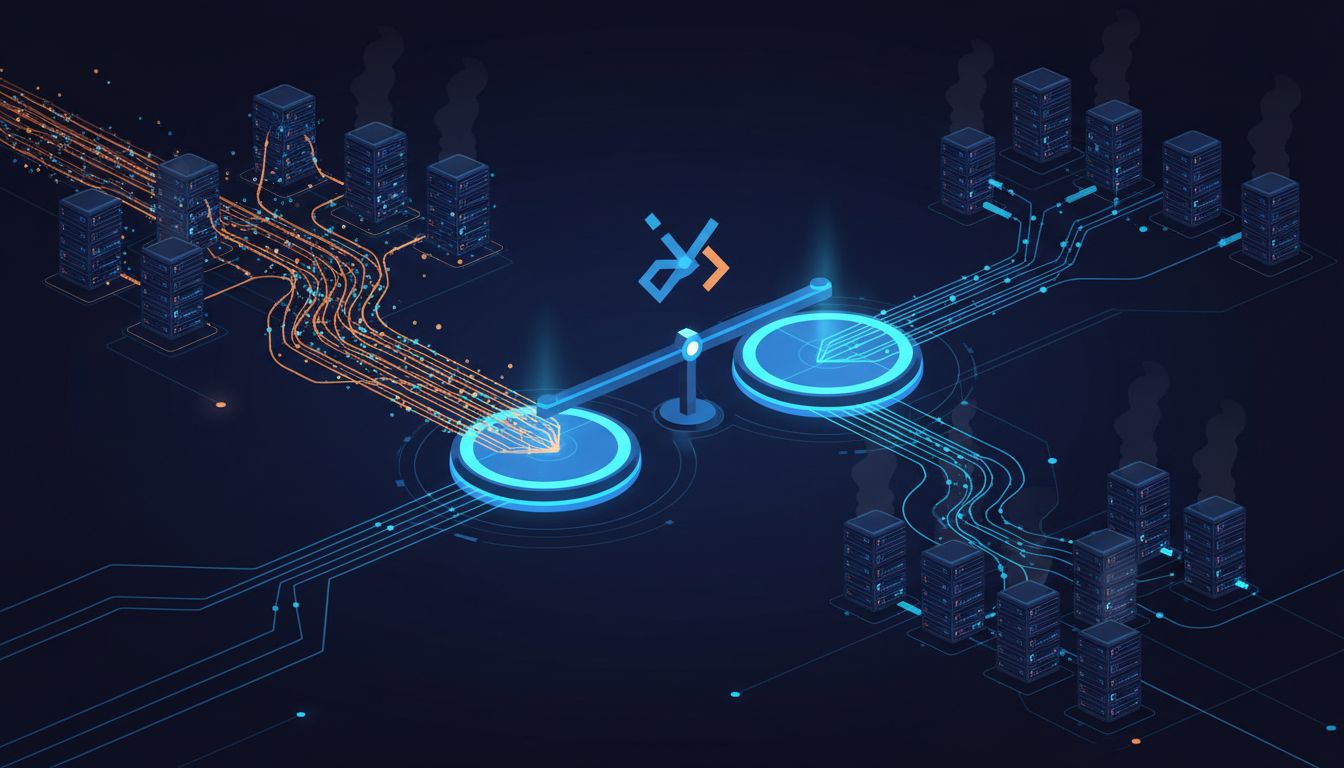
Data portability is a clean example. Every major platform stores years of your data: photos, messages, contacts, purchase history, documents. Technically, you can export it. In practice, the export files arrive in proprietary formats, split across multiple downloads, incompatible with the interfaces of rival services. The friction of migrating isn’t accidental. It is the moat.
This strategy compounds over time. The longer a user stays on a platform, the more data accumulates, and the higher the switching cost climbs. A person with three years of Google Photos, Gmail history, and Drive documents faces a genuinely significant project to move to any alternative. Platform companies don’t need to crush competitors. They just need to make leaving inconvenient enough that most people never start.
Enterprise software takes this further. Systems like SAP or Oracle are famously difficult to learn, migrate to, and migrate away from. The complexity isn’t purely technical necessity. Part of it is structural stickiness. Once a company’s workflows, reporting, and institutional knowledge are built around a specific system, the friction of switching becomes existential. The hidden reason enterprise software looks so bad is often that looking good was never the primary design goal. Retention was.
The Quiet Reversal
Here’s the uncomfortable reversal happening right now: some of the same companies that built these friction engines are starting to reduce them, not because of ethics, but because of regulation.
The European Union’s Digital Markets Act now requires major platforms to provide workable data portability and interoperability. Apple was forced to allow alternative browser engines on iOS in European markets. Google faced requirements to present search engine choices at device setup rather than defaulting silently to its own product. In each case, regulators essentially mandated the removal of friction that companies had spent years carefully constructing.
The market response is telling. When Apple made it easier to change default apps in iOS 14, third-party browsers and mail clients saw measurable upticks in adoption. Users hadn’t been uninterested in alternatives. They had been successfully worn down by the effort required to reach them.
This pattern suggests something important about the nature of deliberate friction as a business strategy. It works precisely because most people have a limited budget of attention and effort. Productive people often respond to this by simply deleting apps rather than managing them, a kind of radical friction-avoidance. But for the majority of users, friction shapes behavior quietly and persistently, in ways that rarely rise to conscious recognition.
What This Means for Anyone Using Software
The practical implication is straightforward: when something feels unnecessarily hard to do in an app or service, it is worth asking who benefits from that difficulty. The answer is almost never you.
Friction is not neutral. It is directional. It pushes behavior toward outcomes that companies have deliberately chosen, and it does so most effectively when users mistake engineering for accident. The cancel button is exactly where it was designed to be.