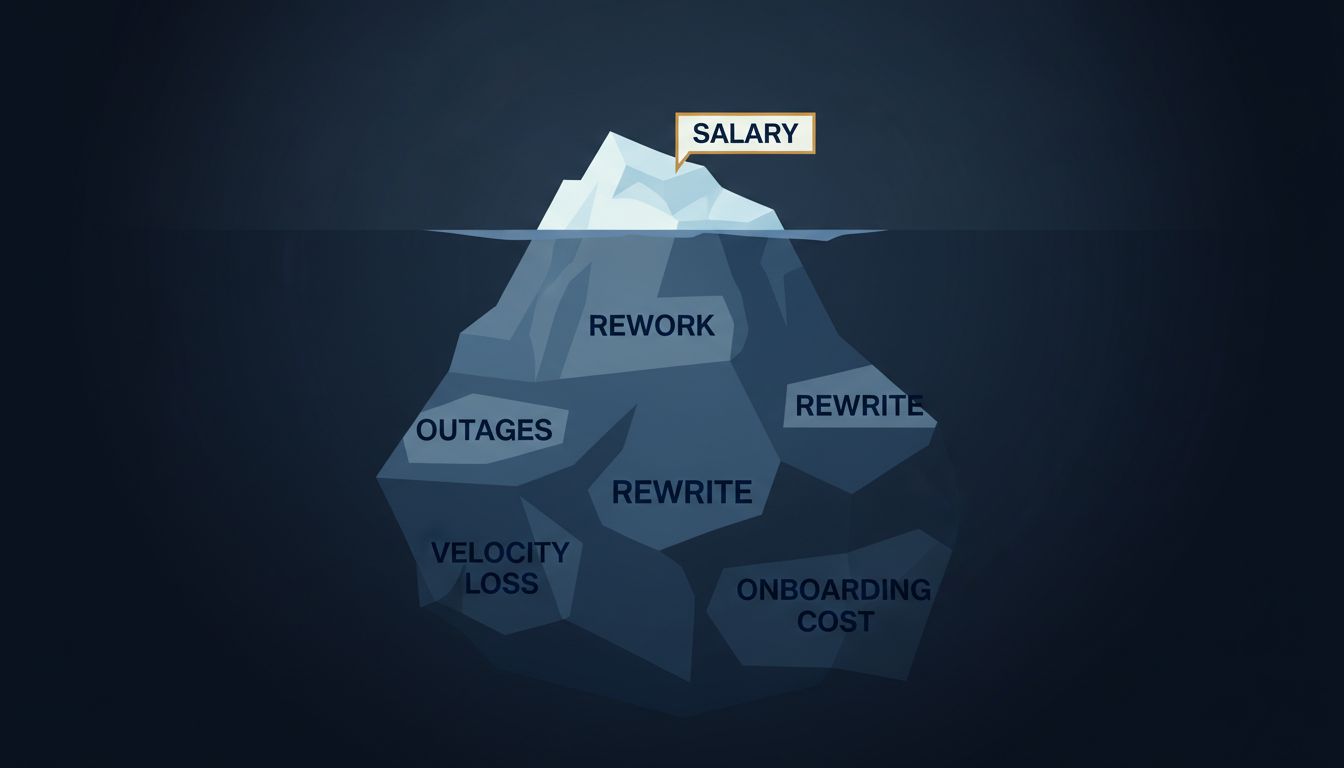

The conventional wisdom about technical debt is that it slows companies down. Accumulated shortcuts, sprawling legacy code, and decade-old architectural decisions create drag. Smart companies pay it off. The conventional wisdom is wrong, at least for companies that are already winning.
The messiest parts of dominant tech products are often their strongest competitive moats. Feature debt, the accumulated weight of years of user behavior baked into a product’s design, doesn’t just slow incumbents down. It slows everyone else down more. And the biggest players know it.
Complexity Is Expensive to Replicate, Not Just to Build
When a competitor sets out to clone a successful product, they face two separate problems. The first is obvious: building what users can see. The second is nearly invisible and far more expensive: replicating how those features behave under the specific conditions millions of users have created over years.
Consider Excel. Microsoft has spent decades accumulating quirks in its calculation engine, from specific rounding behaviors to the way certain functions handle edge cases. None of these were intentional design decisions. They were bugs that became features because enough users built workflows around them. Google Sheets can match Excel’s feature list on paper. It cannot match the specific texture of Excel’s misbehavior, and that gap costs enterprise customers real money to bridge. That’s not an accident of history. It’s a structural advantage that accrues to incumbents automatically.
The same dynamic runs through Salesforce, which has added functionality continuously for over two decades without retiring much of anything. The product is famously difficult to use. It is also nearly impossible to displace once a company’s sales processes have been built around its particular logic.
Switching Costs Compound With Every Added Layer
Feature debt raises switching costs in a way that clean, well-designed products simply cannot. A well-architected product is, almost by definition, easier to migrate away from. Its data is structured predictably. Its logic is documented. A competitor can map it.
A product shaped by years of organic growth, special-case handling, and negotiated compromises with large enterprise customers is something else entirely. It contains institutional knowledge that lives nowhere except in the product itself. Users don’t just learn it; they build workflows that depend on its specific behaviors. That’s why software licenses cost more than hardware, and why the stickiest software tends to be the least elegant.
This is why Bloomberg Terminal, despite its notoriously dated interface, has held its position in financial markets for decades. The product is genuinely difficult to use. It is also genuinely difficult to leave, because traders have spent careers learning its specific idioms.
Large Customers Turn Feature Requests Into Competitive Traps
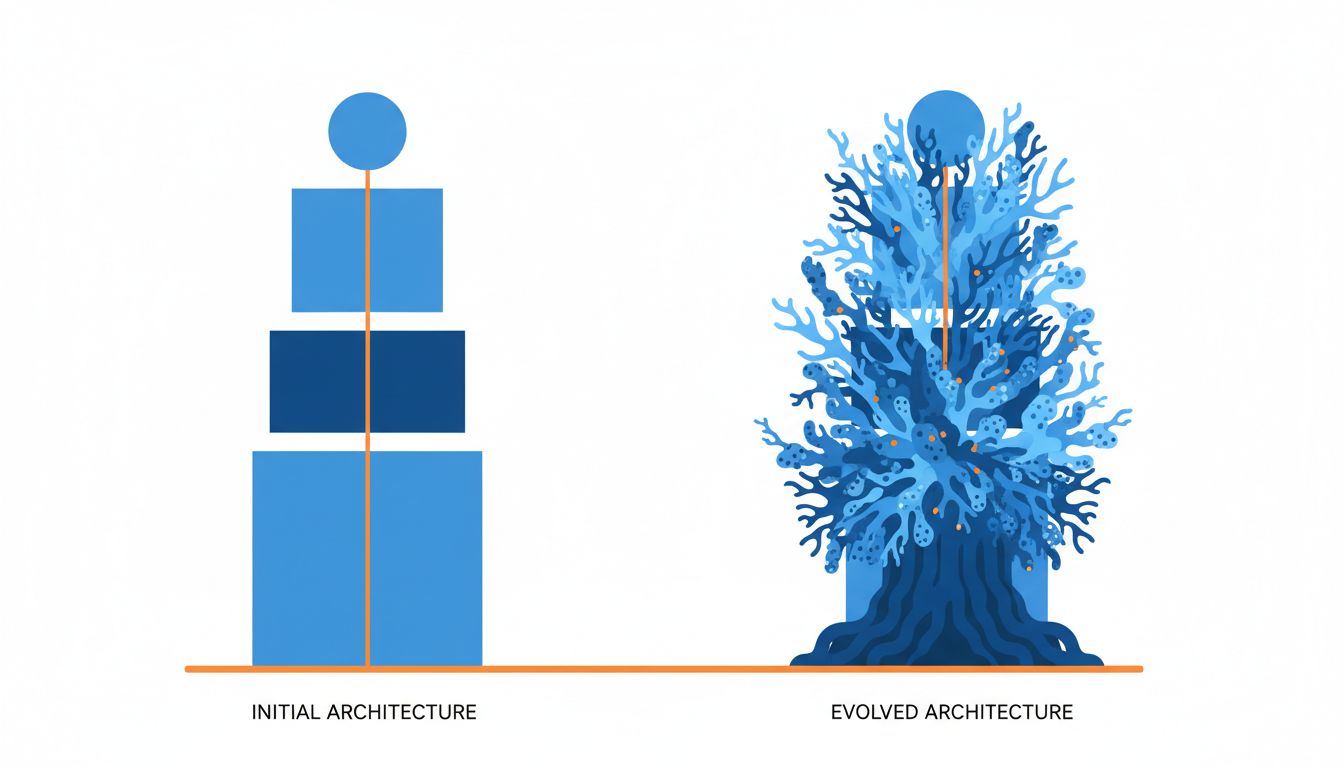
Tech giants accelerate this dynamic by letting large customers shape the product. When a Fortune 500 company pays for a customized workflow or a specific integration behavior, that feature gets added to the core product. Multiply that across hundreds of enterprise contracts and you get a product that reflects the specific, idiosyncratic needs of a particular generation of large buyers.
A startup trying to compete cannot serve those buyers without matching those behaviors. But matching those behaviors requires either building years of technical history from scratch, or inheriting all the architectural compromises the incumbent made along the way. Neither path is fast or cheap.
Salesforce’s acquisition strategy is partly a response to this: rather than letting challengers accumulate their own debt-based moats in adjacent categories, Salesforce acquires them first, inheriting their complexity and knitting it into its own.
The Counterargument
The obvious pushback is that feature debt does create real vulnerability. Microsoft’s browser dominance collapsed partly because Internet Explorer became so burdened with legacy compatibility requirements that it couldn’t compete on performance or standards compliance. Chrome entered a market controlled by an incumbent and won by building something cleaner.
This is true, but it applies most strongly in consumer markets where users can switch at low personal cost. In enterprise software, the dynamic inverts. The switching cost isn’t just learning a new tool; it’s convincing a procurement department, retraining staff, migrating years of data, and rebuilding integrations. Those costs rise with complexity rather than falling. The messier the incumbent’s product, the harder it is to leave, even when a better alternative exists.
Consumer products with high engagement and deeply personalized data, think Gmail’s years of search history or Spotify’s recommendation model trained on a decade of listening habits, behave more like enterprise software than people admit. The complexity lives in the data, not the code, but the switching cost is just as real.
Intentional Neglect Is a Competitive Strategy
None of this requires a conspiracy. No product manager at Microsoft is planning to make Excel weirder on purpose. But the largest tech companies have figured out, whether explicitly or through accumulated intuition, that cleaning up legacy complexity carries a real risk: it makes the product easier to copy.
The rational response is to invest in new features rather than architectural clarity. Ship more, refactor less. Let the product grow into something only years of use can reproduce. This is why software updates sometimes make products slower rather than faster, and why the products with the most active development tend to feel the least coherent.
The implication for competitors is stark. Trying to out-clean an incumbent is almost always a losing strategy in markets where switching costs are high. The cleaner product loses to the more familiar one. The better-designed challenger loses to the one that already has five years of a user’s data.
Feature debt is not a failure of discipline. For companies that are already dominant, it is one of the most effective competitive defenses available, and it gets stronger every year without requiring any deliberate investment at all.