
The best software Google ever shipped was called Google Reader. It launched in beta, stayed in beta for years, and accumulated a devoted following before the company killed it in 2013. The most passionate users of early Gmail, early Slack, early Notion, all share the same memory: it was better back when it was unfinished. This is not nostalgia. It is a pattern, and it reveals something important about how the technology industry actually works.
This connects directly to how tech companies think about product lifecycles more broadly. The beta label is rarely a warning. More often, it is a strategy.
The Myth of the Unfinished Product
When a tech company ships beta software, the conventional assumption is that the product is incomplete, unstable, and shipped ahead of schedule under competitive pressure. Sometimes that is true. But the more interesting explanation, the one that holds up across dozens of product launches from Google, Apple, Microsoft, and a generation of well-funded startups, is that the beta release is often the most intentional version of the product that will ever exist.
Beta software is built by small, focused teams with a narrow mandate. There is no product committee bloat, no legal review waterfall, no design-by-consensus death march. The team ships what they believe in, and they ship it fast. The result is frequently a piece of software with a clear point of view, responsive to its users, and free from the accumulated compromise that defines most final releases.
This is not accidental. It is organizational.
What Happens Between Beta and Release
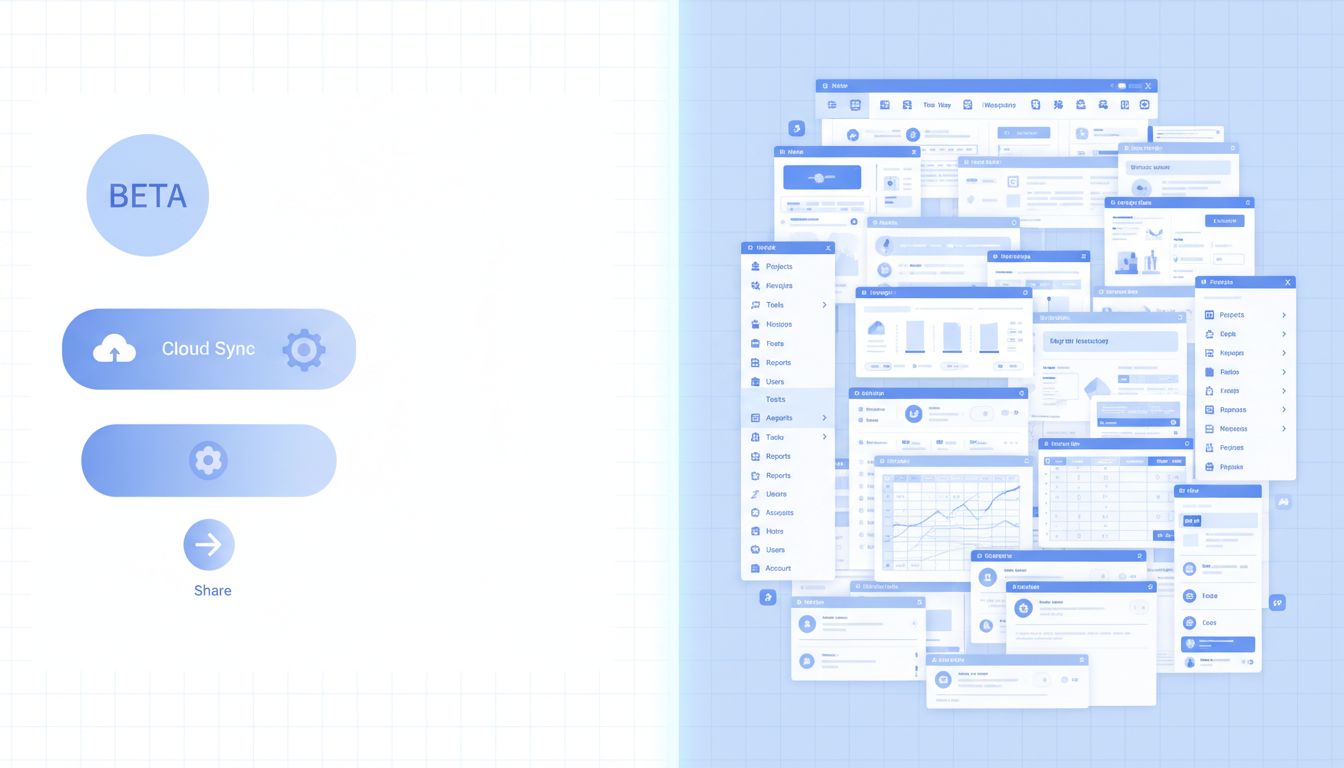
The degradation of software quality between beta and general availability follows a predictable trajectory. As a product moves toward official release, it attracts institutional attention. Legal teams flag liability concerns. Marketing teams want feature parity with competitors. Enterprise sales teams request configuration options that no individual user would ever need. Each request is individually reasonable. Collectively, they transform a product with a soul into a product with a specification sheet.
This is the same force behind why successful apps actually remove features after they become popular. The economics of serving a mass market punish clarity and reward coverage. Beta software, by contrast, serves a small audience with a specific problem, and that constraint produces better design almost every time.
Gmail spent years in invitation-only beta while Google refined the product without the noise of a billion users. Slack operated in a quasi-beta state for months before its public launch, gathering feedback from a curated audience of teams who were already motivated to make it work. Notion was considered unfinished by its own founders well into the period when it had already converted tens of thousands of paying users.
In each case, the beta period was the product at its most coherent.
The Beta Period as a Data Collection Machine
There is a second function of beta software that gets far less attention than it deserves, and it is arguably more important than the quality argument. Beta releases are extraordinarily efficient instruments for collecting behavioral data on users who are highly motivated, self-selected, and forgiving of friction.
A user who signs up for a beta product has already cleared a psychological barrier. They have accepted imperfection in exchange for early access. This means they will use the product in ways that a mainstream user would not, push it into edge cases, tolerate bugs, and articulate their frustrations with unusual clarity. The data and feedback generated during a beta period is often worth more to a product team than anything they will collect in the first year of general availability.
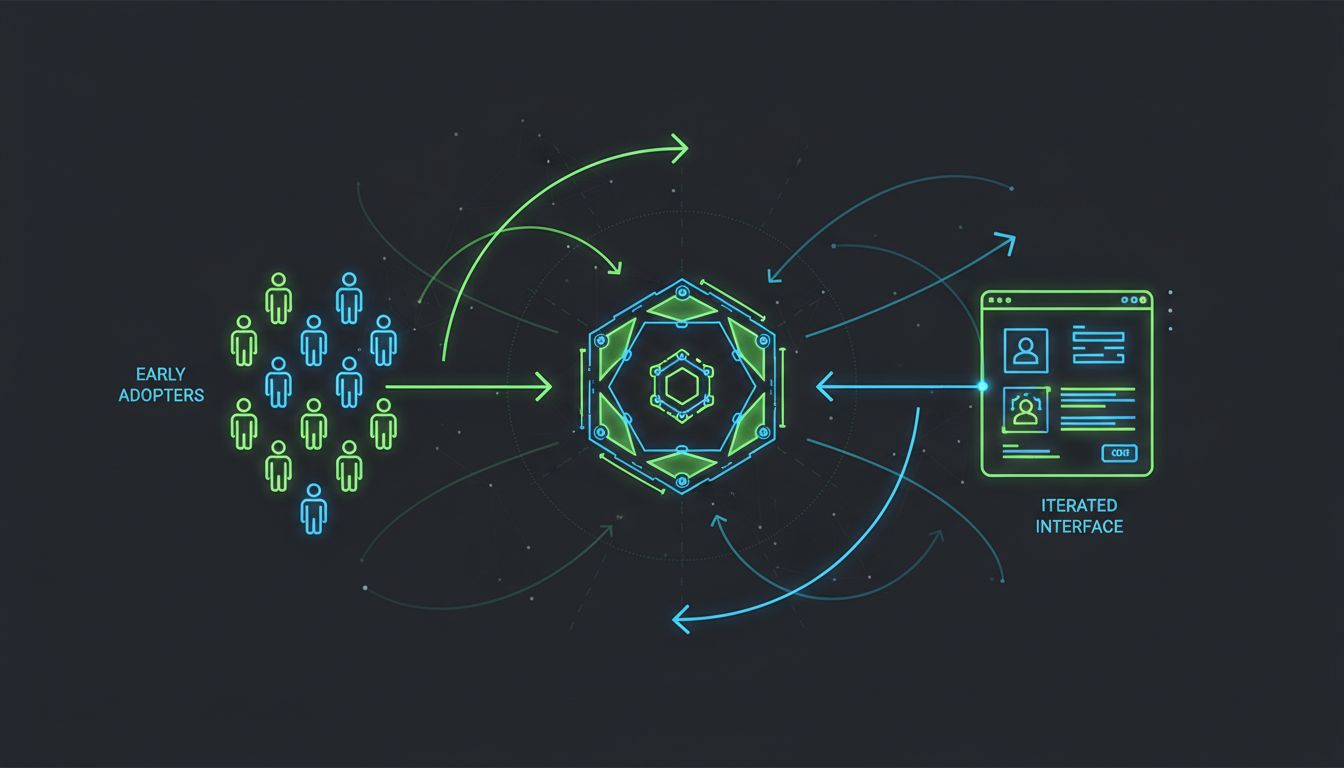
This is why the beta label has become something tech companies strategically extend, not rush to remove. Keeping a product in beta maintains the expectation of imperfection while preserving the engagement of a motivated user base. It is, in a very real sense, a deliberate launch with missing features. The incompleteness is not a flaw in the plan. It is the plan.
The Counterintuitive Economics of Imperfection
Here is where the strategy becomes genuinely strange. Beta software is often better than final software not just despite its constraints, but because of them. Small teams with limited resources cannot afford feature bloat. They cannot build everything, so they build the one thing that matters most. And because they are shipping to users who are already bought in, they can iterate rapidly without the reputational risk that comes with a formal product launch.
This maps onto a broader pattern visible across the industry. Tech companies sometimes launch products they know will lose money precisely because the learning, the data, the market positioning, is worth more than the revenue. Beta software operates on the same logic. The “unfinished” product is often a remarkably cheap way to buy market intelligence, cultivate an advocate community, and establish category presence before competitors can respond.
The economics get even stranger when you consider what happens to the beta users themselves. They become evangelists. They write the blog posts, record the demo videos, and convert their colleagues. By the time the product reaches general availability, its most effective marketing has already been done by people who were, technically, testing unfinished software.

Why Final Releases Disappoint
The disappointment that follows a formal product launch, the moment when longtime beta users suddenly complain that the product “lost what made it special,” is not a coincidence and it is not sentimentality. It is a rational response to a real change in the product.
When software exits beta, the team that built it is frequently no longer the team running it. Product managers inherit roadmaps shaped by enterprise contracts and competitive benchmarking. The original constraints that produced the product’s best qualities are lifted, and with them goes the discipline that made those qualities possible. Features accumulate. Interfaces become negotiated settlements between competing stakeholders. The product becomes, gradually, everything to everyone, which is the reliable path to being the best option for no one.
The veterans who remember the beta period are not wrong. They experienced a version of the product that was, by almost any measure of intentionality and clarity, superior to what replaced it. The final release did not improve on the beta. It simply served a different master.
Understanding this is not just useful for nostalgic power users. It is essential for anyone trying to evaluate a tech company’s product strategy, or build one. The beta is where a company’s actual values are visible. Everything that comes after is politics.