I bought a Kindle years ago for something like $79. I have probably spent fifteen times that on ebooks since. Amazon knew exactly what it was doing. I did not.
That transaction is the whole playbook, just compressed into one embarrassingly clear example. Tech giants have spent two decades perfecting the art of selling you hardware at or below cost, then recouping that investment (and then some) through the software, subscriptions, and services attached to it. The hardware is the invoice delivery mechanism. The invoice itself arrives monthly, forever.
Here is how each major player runs this, and what it actually costs you.
1. Amazon Turned the Kindle Into a Bookstore You Carry
When Amazon launched the Kindle in 2007, it priced the device at $399. That was unusual for Amazon, which had no history of making hardware. What followed was a decade of price drops, eventually getting entry-level Kindles down to the $80-100 range, where they’ve largely stayed. Amazon has never disclosed whether it makes money on Kindle hardware, but multiple analyst estimates over the years have put the margin on basic models close to zero or slightly negative.
That doesn’t matter, because the device is a reading platform that only natively supports content purchased from Amazon. Your library lives in Amazon’s ecosystem. Switching to a Kobo or a physical bookstore means abandoning every book you’ve already bought. The Kindle is a physical manifestation of lock-in, and the friendlier the price, the more people walk into it.
The Fire tablet line takes this further. Amazon has sold Fire tablets for as low as $50, which is remarkable for functional hardware. The catch is immediately obvious when you use one: it runs a forked version of Android called Fire OS, has no Google Play Store, and pushes Amazon content everywhere. You didn’t buy a tablet. You bought a permanent Amazon storefront.
2. Google’s Nest Devices Are Surveillance Hardware With an Advertising Address
Google sells Nest thermostats, speakers, cameras, and displays at prices competitive with or below what you’d expect from standalone hardware companies. The Nest Learning Thermostat launched at $249, and Google has offered Nest Mini speakers for free in various promotions.
The product Google is actually building is a behavioral dataset tied to your home. What time do you wake up? When are you away? What do you ask a speaker in your kitchen at 7am? This feeds Google’s advertising and personalization infrastructure. Google’s core business is still selling ads against user intent signals, and a device that lives in your home generates intent signals no search box can match.
There’s also the Services dependency angle. Once your home runs on Nest, you’re running Google Home routines, integrating with Google Assistant, and your data lives in Google’s cloud. None of that migrates cleanly to Apple Home or Amazon Alexa. Tech giants don’t expand randomly. The order they enter markets is the strategy. Google’s push into home hardware was never about thermostats. It was about securing a room that wasn’t already covered.
3. Apple Charges Full Price and Still Locks You In. Tighter.
Apple is the interesting exception. The company charges premium prices for hardware, makes substantial margins on iPhones and Macs, and still manages to run one of the most effective ecosystem lock-in strategies in the industry. The loss-leader logic doesn’t apply here in the traditional sense, but the underlying mechanism is identical.
Apple’s real margin expansion over the past decade has come from Services, which includes the App Store, Apple Music, iCloud, Apple TV+, Apple Arcade, and Apple Pay. Services revenue crossed $85 billion annually as of their fiscal year 2023. The hardware sells at full price, but it sells because it’s the only way to access that ecosystem, not despite the price. iMessage alone keeps a meaningful percentage of iPhone users locked in. Try switching to Android and you lose iMessage group threads, FaceTime, Handoff, AirDrop, and the invisible social cost of the green bubble.
Apple doesn’t need to discount hardware because the hardware itself is the moat. They’ve just made it a premium moat, which is arguably more elegant than what Amazon does.
4. Gaming Consoles Invented This Playbook Before Silicon Valley Claimed It
Everyone in tech acts like ecosystem lock-in via cheap hardware is a startup-era insight. It isn’t. Sony and Nintendo had it figured out in the 1980s. Consoles have historically been sold at or below manufacturing cost, with the profit model built on software licensing fees charged to game publishers, typically a royalty per unit sold.
Microsoft took this model and ran it into subscription territory with Xbox Game Pass. The console hardware (the Xbox Series S launched at $299, below most estimates of its production cost) is essentially a subscription delivery device. Microsoft has said publicly that they don’t need to profit on hardware if users are paying for Game Pass. The $299 box is the on-ramp to $14.99 per month, indefinitely.
This is the purest version of the playbook, and the consumer generally understands the deal. What’s shifted in the broader tech industry is that consumers don’t understand the deal when they buy a smart speaker or an e-reader. The value exchange is less visible.
5. The Exit Cost Is the Actual Price of the Hardware
Here’s the thing nobody puts on the box. The real cost of loss-leader hardware isn’t the sticker price. It’s the cost of leaving.
If you’ve spent five years buying Kindle books, you have a library of DRM-protected files that Amazon licenses to you but doesn’t actually let you own. Your photos are in Google Photos. Your smart home runs on Alexa routines. Your kids’ game saves are in a PlayStation account. The switching cost of leaving any of these ecosystems isn’t just inconvenient, it’s expensive. You’re not just buying new hardware when you switch. You’re writing off years of accumulated purchases and data.
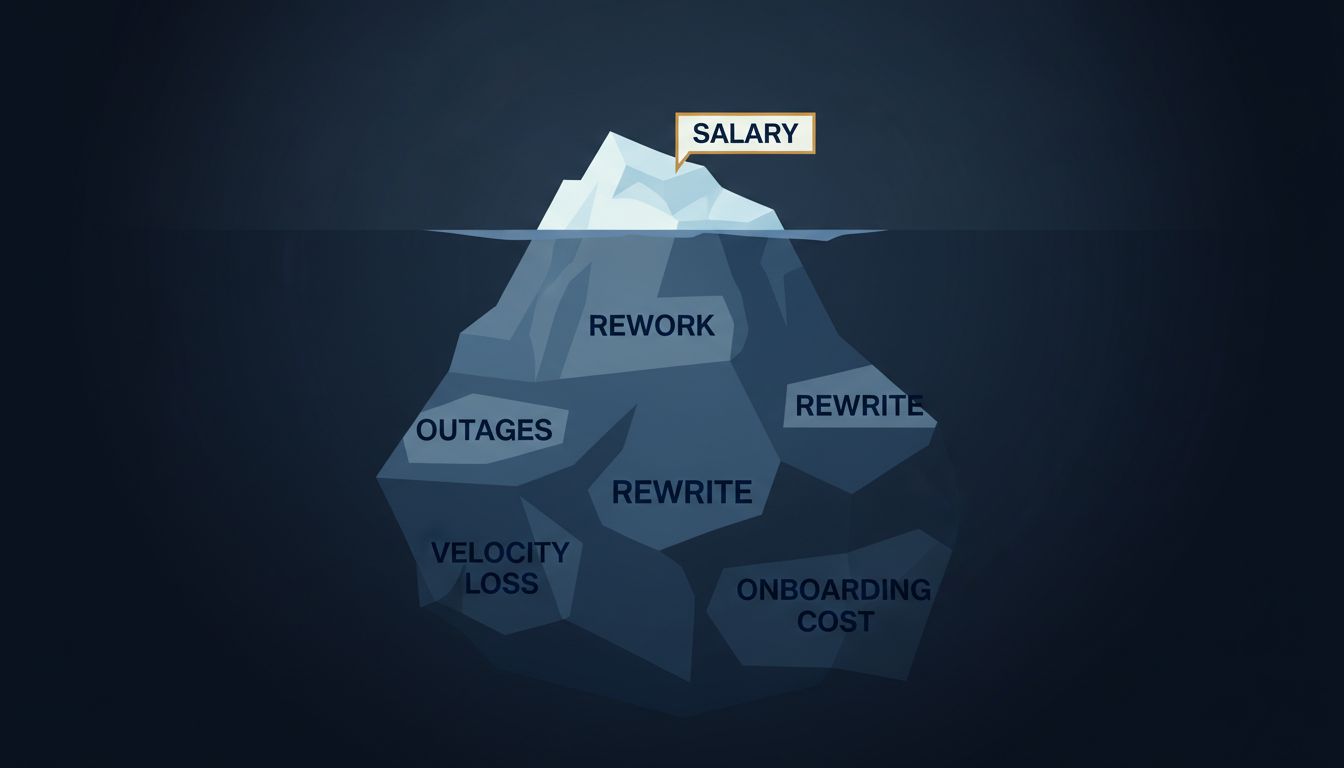
This is why per-user pricing models and subscription services compound so effectively on top of hardware ecosystems. The device gets you through the door. The subscription keeps you paying. The accumulated data and purchases make leaving feel impossible. The cheap hardware at the beginning of this story isn’t a deal. It’s a deposit.
None of this means you shouldn’t buy a Kindle or a Nest speaker. Some of these products are genuinely good. But you should buy them knowing what you’re agreeing to, because the company selling it to you absolutely knows.