The Simple Version
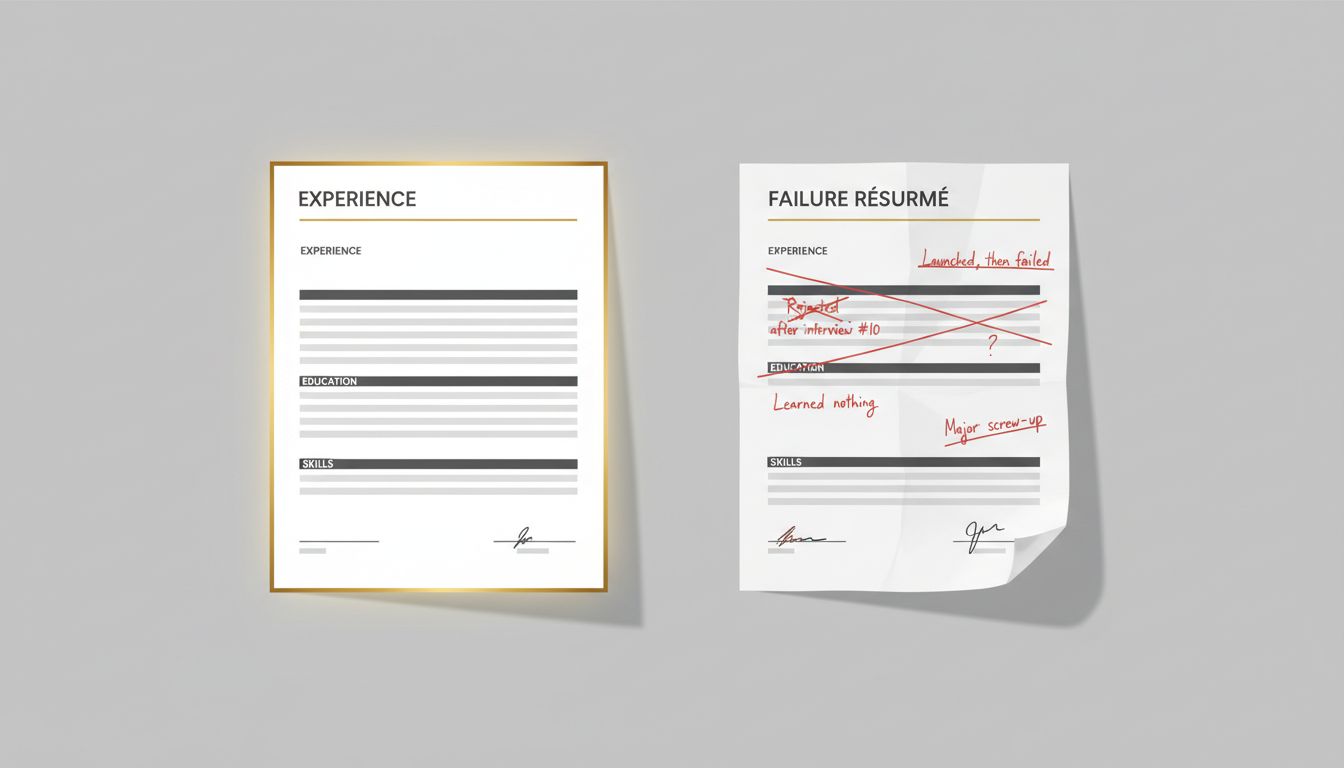
A failure résumé is exactly what it sounds like: a structured document where a candidate lists their most significant professional failures, what went wrong, and what they learned. A growing number of tech companies use them, or variants of the same idea, during hiring because past failure, handled well, is a better predictor of future performance than a polished record of success.
Why a Clean Track Record Is Actually Suspicious
Conventional résumés select for survivorship bias by design. The person in front of you has curated a decade of career highlights. What you don’t see is the project that collapsed, the product launch that flopped, the team they couldn’t manage. And in fast-moving tech environments, that hidden material is often more diagnostic than anything on the page.
The underlying insight isn’t new. Researchers studying expert performance have long noted that deliberate exposure to failure, and the cognitive processing that follows, is one of the main mechanisms by which people actually get good at complex tasks. A candidate who has never failed in a significant way either hasn’t been tested hard enough or has been quietly avoiding risk. Neither is what you want in a fast-growth company.
Bridgewater Associates, the hedge fund that operates one of the most demanding feedback cultures in finance, has been requiring employees to document and share their mistakes internally for years. The practice at Bridgewater is about organizational learning, but the same principle scales to hiring: the person who can articulate a failure clearly, including their own role in causing it, is telling you something important about their self-awareness and their ability to update their beliefs under pressure.
What the Document Actually Tests
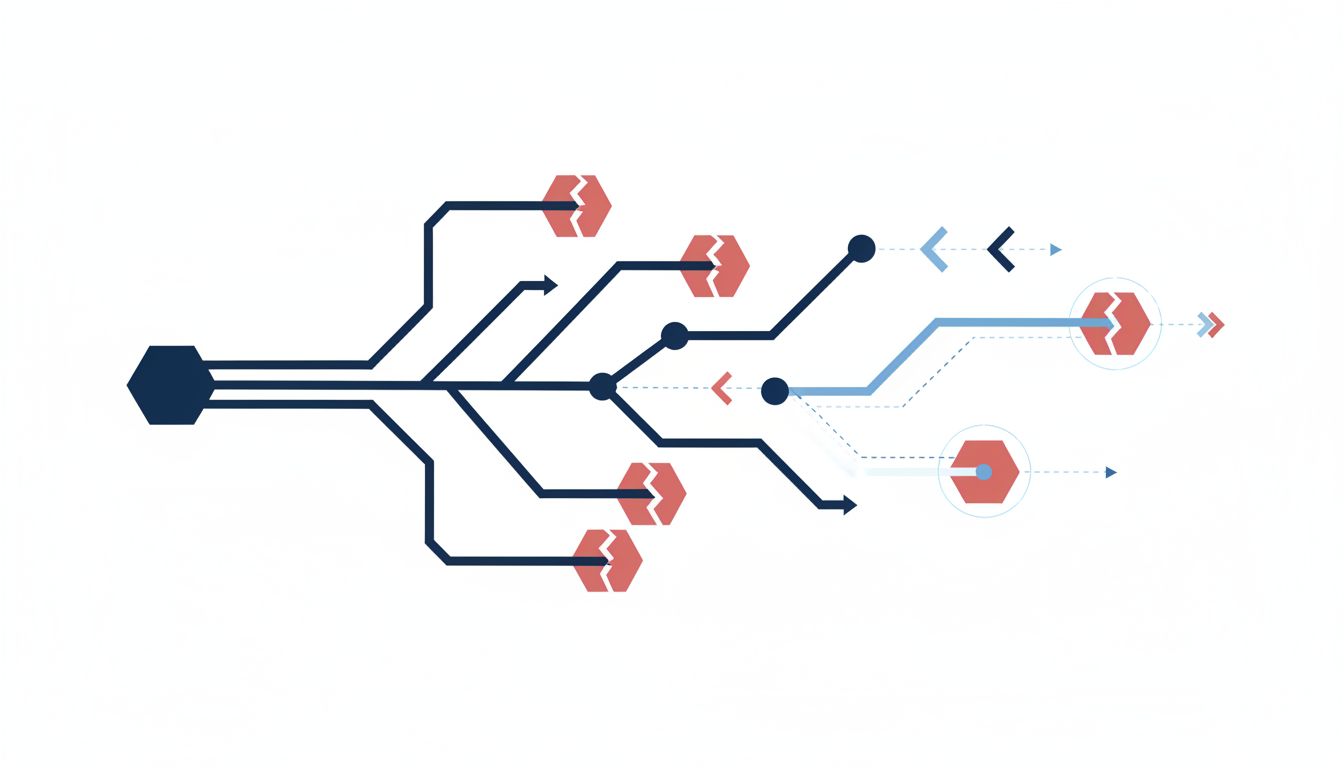
The failure résumé functions as a structured stress test on three things that are otherwise very hard to assess in an interview.
Attribution accuracy. When a project fails, most people blame external factors. The market shifted. The team wasn’t resourced properly. Leadership changed direction. All of those things may be true, and they’re also partial truths that can conceal a candidate’s actual contribution to the outcome. A well-constructed failure résumé asks candidates to break down what specifically went wrong and to name the decisions they made that made it worse. Interviewers can then probe: did the candidate fight for the right call? Did they see the problem coming? Did they change course when they had information that warranted it, or did they stick to a plan because they were committed to being right?
Speed of learning. The more interesting question isn’t what went wrong but when the candidate figured it out and what they did next. A product manager who recognizes a flawed assumption three weeks into a six-month project and pivots is more valuable than one who recognizes it at the post-mortem. You can read the timeline of someone’s self-awareness directly off of how they narrate a failure.
Tolerance for discomfort. The act of writing a failure résumé is itself a filter. Candidates who find it genuinely uncomfortable to document failure, who soften every entry with qualifications or reframe every mistake as a learning moment without actually admitting the mistake, are showing you something. The willingness to be precise about what went wrong, without excessive hedging, correlates with the kind of intellectual honesty that’s hard to fake once someone is on the job.
How Companies Actually Use Them
The implementation varies considerably. Some companies, particularly early-stage startups, ask candidates to submit a written failure résumé before an initial interview and use it as the primary discussion document. Others build the same content into their interview structure through what’s sometimes called a “pre-mortem interview,” where the candidate is asked to walk through a past project and identify all the points where it could have gone worse and why it didn’t.
A few companies go further and ask candidates to do the exercise in real time: describe a current or recent project and identify where it’s most likely to fail. This tests something distinct, specifically whether someone can apply failure analysis prospectively rather than just in retrospect.
The format matters less than the underlying discipline. What you’re trying to surface is whether the candidate has a genuine mental model of how things go wrong, or whether they’ve just memorized the “tell me about a failure” answer that every interview prep guide recommends. (The standard coached answer involves a modest early-career mistake, a clearly articulated lesson, and a story about how it made everything better. It’s almost entirely useless as a signal.)
The Real Limitation Nobody Talks About
Failure résumés are a genuinely useful tool and they’re also subject to the same structural problems as every other hiring signal: they advantage candidates who are comfortable with self-disclosure, who have had access to environments where failure was a learning experience rather than a career-ending event, and who have been coached on how to present vulnerability strategically.
There is a version of the failure résumé that becomes another performance, another way for skilled self-presenters to differentiate themselves from candidates who are equally capable but less rehearsed in the particular dialect of Silicon Valley self-reflection. If everyone at a company is articulate about their failures in the same way, using the same vocabulary of growth and iteration, that’s probably not diversity of thought. That’s a monoculture that has learned to do a new kind of impression management.
The companies that use this tool well treat it as a conversation starter, not a scoring rubric. They push back on the prepared narratives. They ask follow-up questions that the candidate couldn’t have scripted. They pay attention to where the discomfort is real versus where it’s performed.
As a signal, documented failure beats a clean résumé. As a system, it only works if the interviewers are good enough to use it honestly, which is, ultimately, the constraint that limits every hiring practice worth having. The talent competition in tech has made companies more creative about assessment tools, but creativity in the process doesn’t substitute for judgment in the room.