
There’s a specific kind of frustration that comes from walking out of a meeting having discussed almost nothing on the agenda. You spent two hours building slides, reviewing data, anticipating objections. Then someone mentioned a thing that happened last Tuesday, and the next forty-five minutes belonged to that thing. Your careful preparation sat there like a compiled binary nobody ran.
This isn’t a failure of discipline or focus. It’s the normal behavior of a room full of people with different contexts, different pressures, and different definitions of what this meeting is even for. Understanding that doesn’t make it less maddening, but it does suggest a better way to prepare.
Why Preparation Usually Misfires
Most meeting preparation is really document preparation. You write the agenda, build the deck, marshal your evidence. This is useful work, but it optimizes for a meeting that unfolds linearly, where people absorb information in the order you present it and respond predictably. Real meetings don’t work that way.
The mismatch has a structural cause. An agenda tells people what you plan to cover. It doesn’t tell them what they need to resolve, what they’re worried about, or what political context they’re carrying in from their morning. By the time everyone is in the same room (or the same Zoom grid), you have a collision of mental states that your linear agenda can’t accommodate.
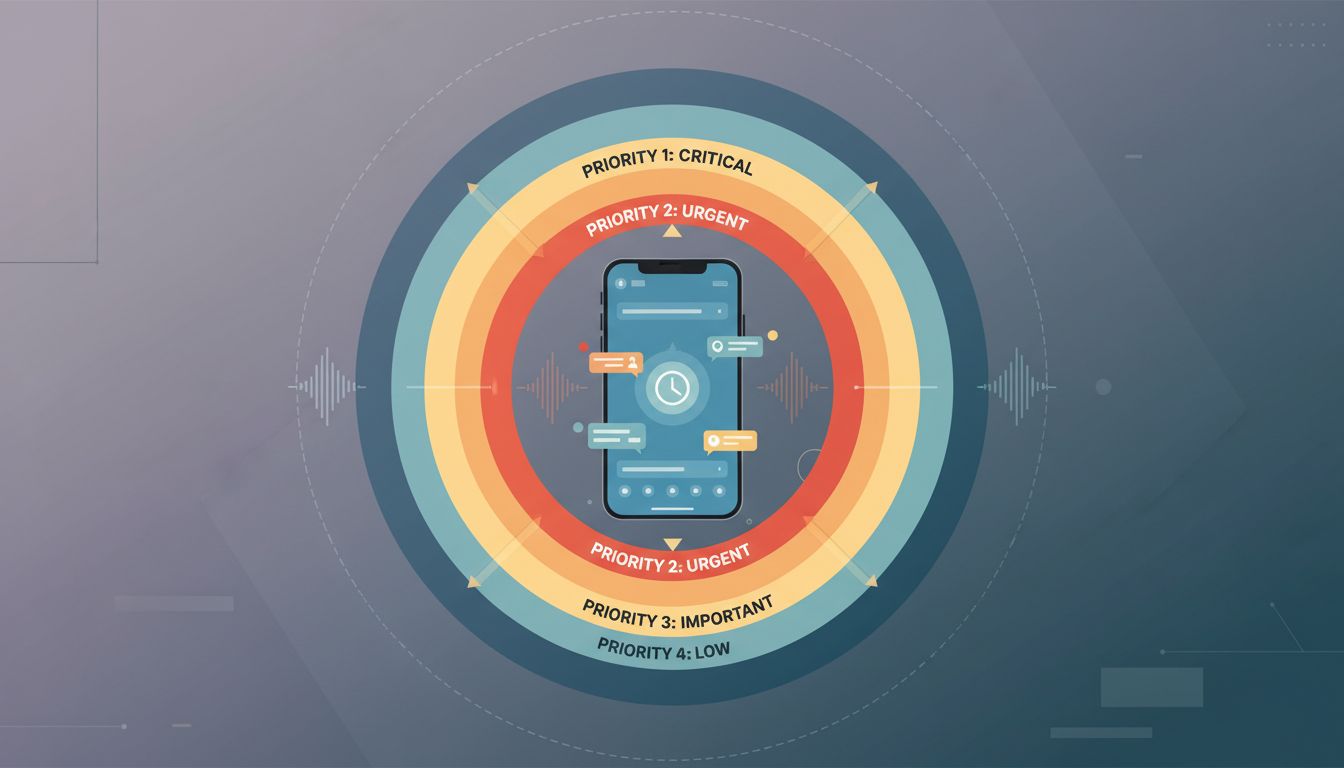
Think about how this plays out in code review. You come in having read the diff carefully, ready to discuss your specific concerns about error handling in one module. But the author spent their morning in a crisis involving the deployment pipeline, so their attention is split, and a senior engineer just asked a high-level question about whether this feature should exist at all. The conversation you prepared for vanished before it started. What you actually need to navigate is a room with three different altitudes of concern happening simultaneously.
The Briefing Model vs. The Negotiation Model
Most meetings are designed as briefings but function as negotiations. A briefing assumes that information flows one direction and the recipient’s job is to receive it. A negotiation assumes that multiple parties have things they need from each other, and the meeting’s job is to surface and resolve the tension between those needs.
When you prepare a briefing and walk into a negotiation, you’re bringing a screwdriver to a situation that needs a wrench. Your carefully prepared content becomes a liability because you’re defending it rather than using it.
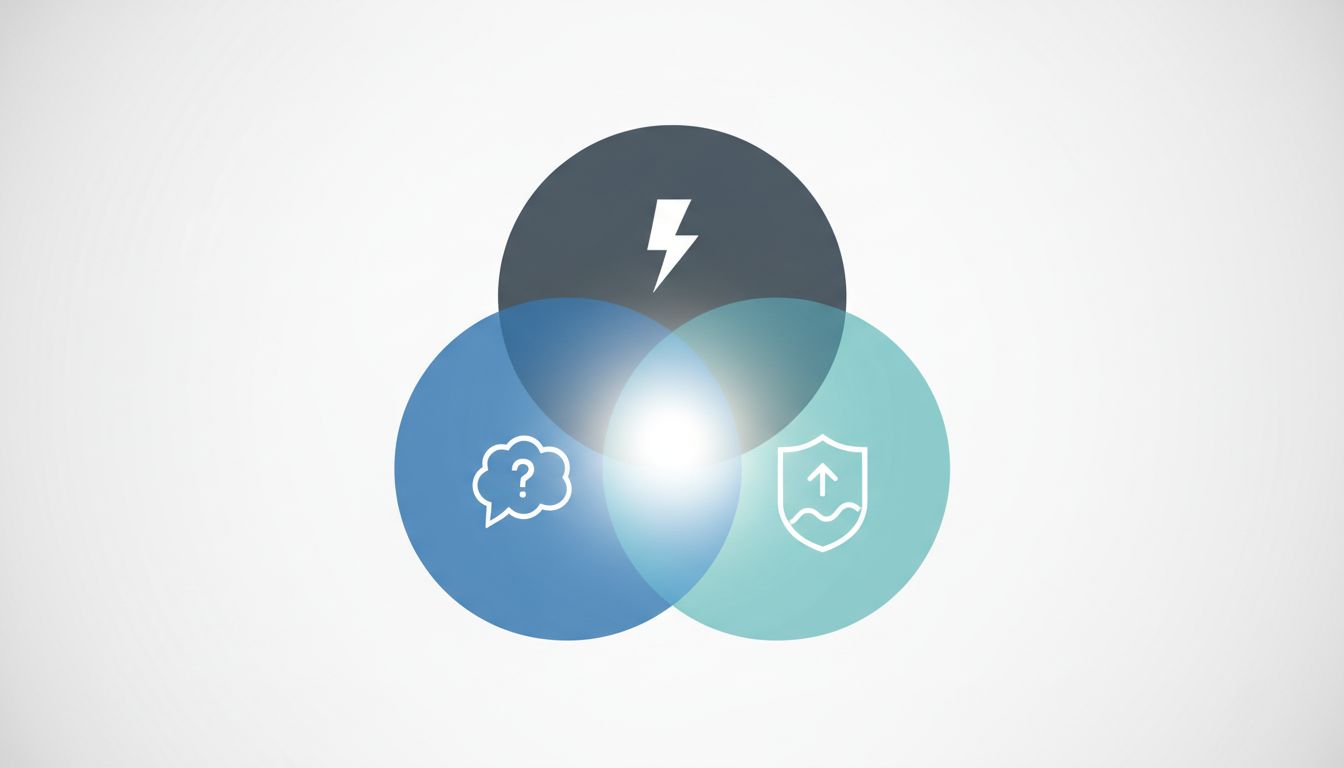
The more productive framing is to ask, before any meeting: what does each person in this room need to leave with? Not what you need to tell them, but what they need. A VP needs to leave knowing whether a decision is safe to make. An engineer needs to leave knowing what’s actually decided so they can act. A product manager needs to leave with alignment so they stop fielding conflicting requests. These are different needs, and a meeting that serves all of them looks different from one that serves none of them.
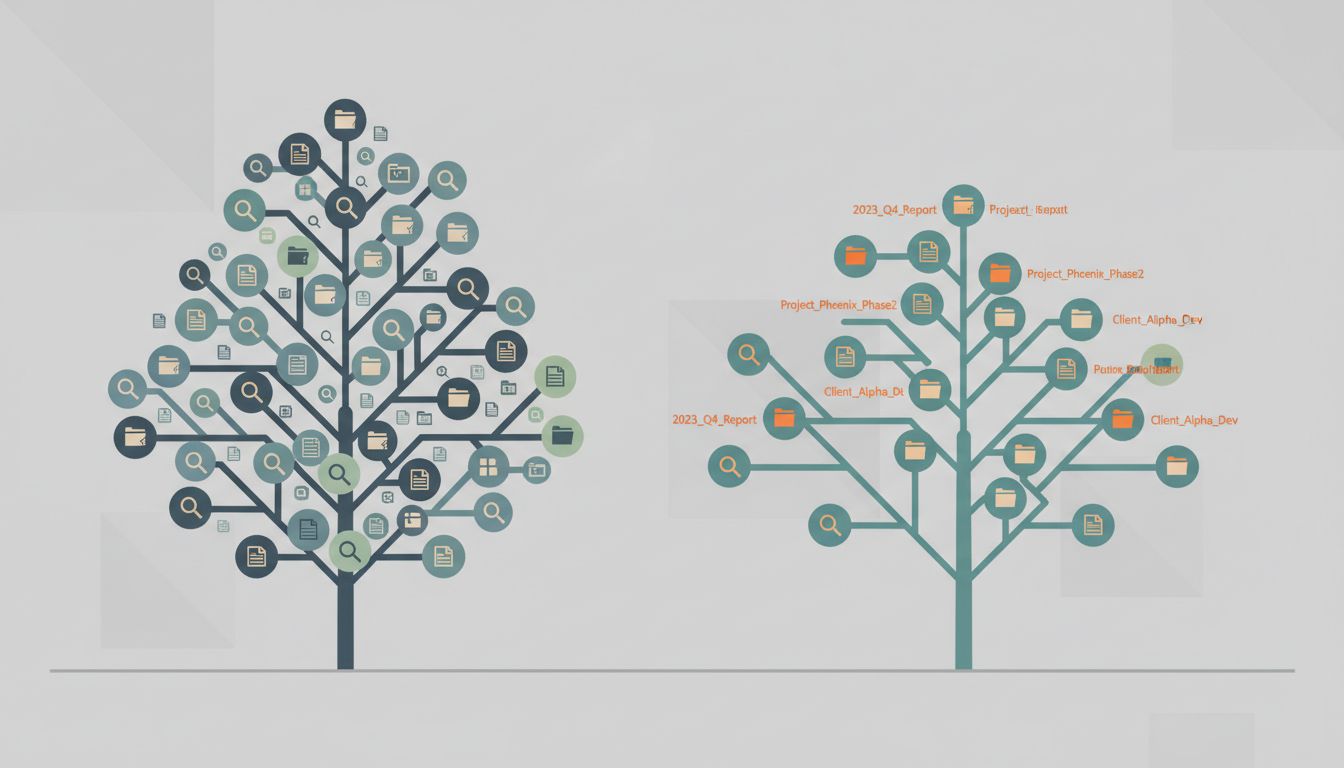
This reframe also changes what good preparation looks like. Instead of building a deck that tells your story from start to finish, you build a set of materials that can be entered from multiple points. Your data exists not to be presented in sequence but to be referenced when someone asks a question. Your agenda becomes a menu rather than a script.
Adaptive Preparation Is Still Preparation
None of this is an argument against preparing. It’s an argument against over-investing in a single path through the meeting. The distinction matters because the failure mode isn’t preparing too much, it’s preparing inflexibly.
One concrete technique: for any meeting that involves a decision, write down the three most likely ways the conversation could go sideways. Not the three objections you hope to receive, but the three ways the meeting could depart from the agenda entirely. Someone raises a prerequisite question you thought was settled. A stakeholder who wasn’t looped in has a strong opinion. The scope turns out to be larger than anyone realized. If you’ve thought through these forks in advance, you’re not scrambling when they happen. You have something like a mental jump table: if this comes up, here’s where I want to land.
This is related to how good incident response works. The teams that handle outages well aren’t the ones that predicted exactly what would fail. They’re the ones who practiced being adaptive under pressure, so when something unexpected happened, they had a process for navigating uncertainty rather than just a runbook that assumed the known failure mode. A meeting isn’t an incident, but the cognitive posture is similar.
What to Actually Bring Into the Room
If you accept that the meeting will drift, your goal shifts from controlling the content to anchoring the outcome. The most useful thing you can bring into any meeting is a clear sense of what needs to be true when you leave. Not a slide, not a talking point, a sentence: “We need to leave this meeting knowing whether we’re building feature X this quarter or not.”
With that anchor in place, you can let the conversation range. Someone wants to talk about last Tuesday’s thing. Fine, follow it, and then ask: does this change our answer about feature X? Usually it does or it doesn’t, and either way you’re moving toward the thing that matters.
This also changes how you close meetings. The standard close is a recap of what was discussed. A better close is confirmation of what was decided and what happens next, even if what was discussed bore almost no resemblance to the agenda. Nobody cares about the path. They care about where they ended up.
The Prepared Mind, Not the Prepared Deck
The goal of meeting preparation should be a prepared mind, not a prepared artifact. The deck is a tool. The real output of your preparation is knowing your material well enough to discuss it from any angle, knowing your audience well enough to anticipate their concerns, and knowing the decision you need well enough to recognize when you’ve reached it.
That kind of preparation is harder to show someone. It doesn’t render as a slide count or a page of notes. But it’s what actually serves you when someone asks a question that wasn’t on the agenda, which is most questions in most meetings.
You can’t predict the meeting. You can show up equipped for the one that actually happens.