
The simple version
Every time you switch from one task to another, your brain pays a tax to reload the mental state of the new task. Do that enough times per day and you’ve lost hours without a single unnecessary meeting on your calendar.
What context switching actually is
In computing, a context switch happens when an operating system pauses one process and resumes another. The CPU has to save the current process’s state (registers, memory pointers, where it was in execution) and load the saved state of the next one. This takes real time and real resources. The processor isn’t doing useful work during that swap.
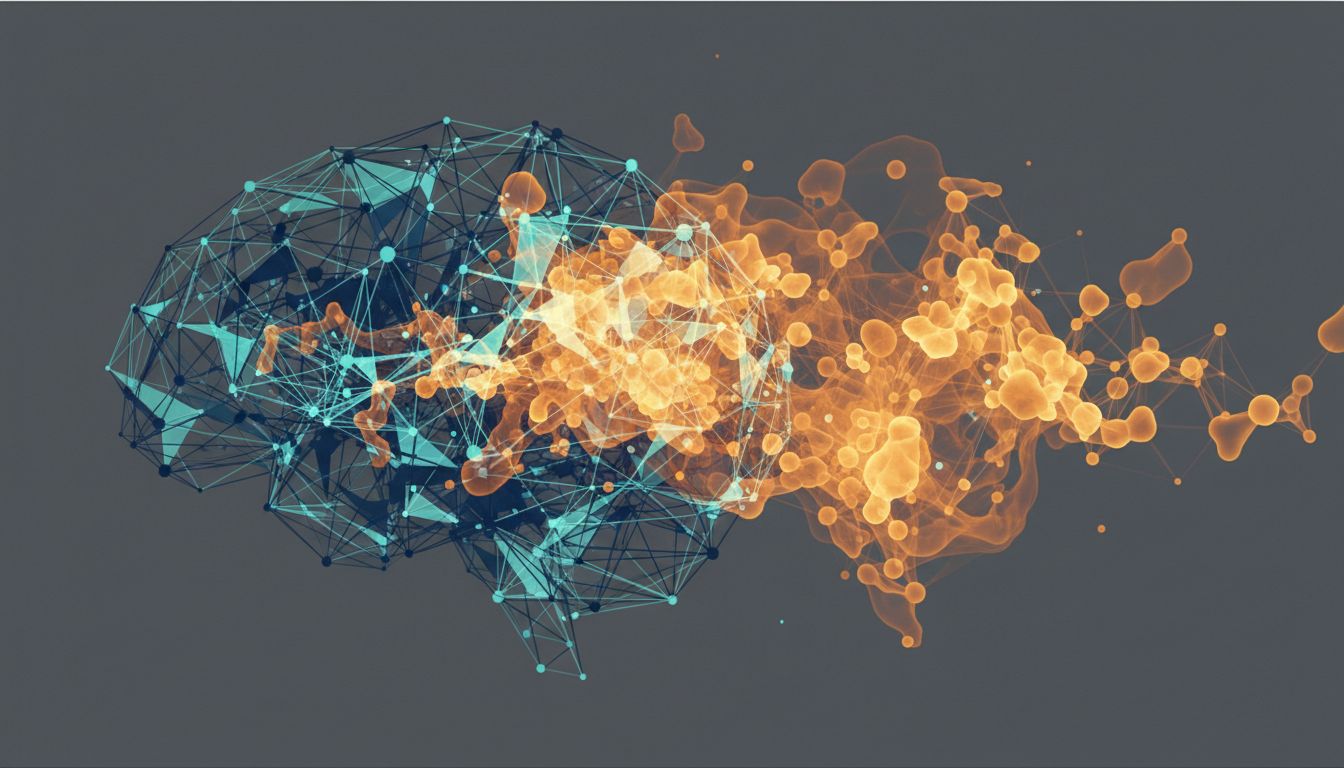
Your brain does something structurally similar. When you’re deep in a problem, your working memory is loaded with the relevant details: the shape of the codebase you’re navigating, the argument you’re building in a document, the variables in the negotiation you were thinking through. When something interrupts you and you switch tasks, that loaded state has to be written out and a new one loaded in. Unlike a CPU, though, your brain doesn’t do this instantly or reliably. The research on this, from Gloria Mark at UC Irvine and others, consistently finds that it takes around 20 minutes to fully recover deep focus after an interruption.
That number feels dramatic until you map it to a typical knowledge worker’s day. If you get interrupted or self-interrupt six times before lunch, you may never reach deep focus at all.
Why meetings aren’t the main villain
Meetings are a visible, scheduled cost. You can see them on your calendar, resent them, and, in theory, push back on them. The hidden costs are the ones you don’t notice adding up.
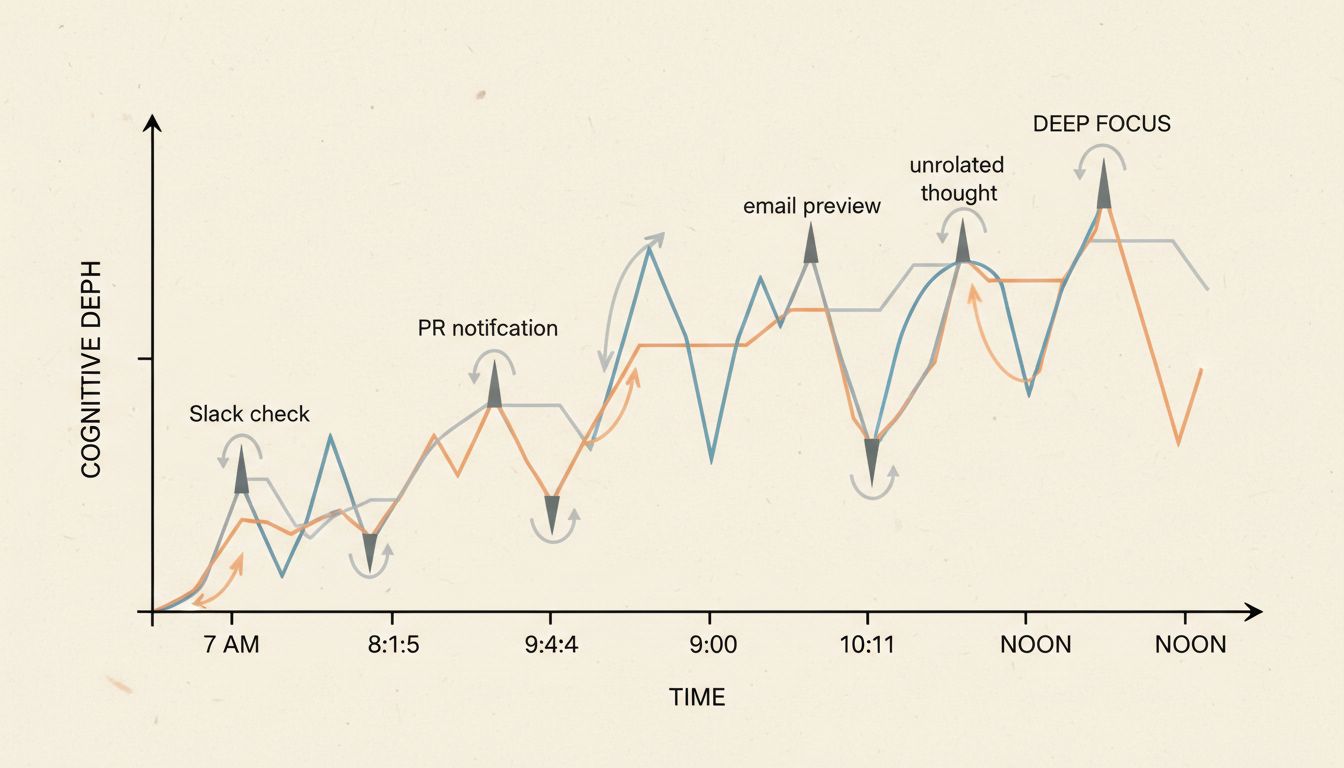
Consider what a typical morning looks like without a single meeting. You open your laptop and check Slack before you’ve started anything. You respond to two messages. You open the task you planned to work on, but there’s a notification about a PR comment, so you glance at it. You come back to the task. Thirty minutes later, an email arrives and you see the preview in the corner of your screen. You don’t read it fully, but the preview was enough to introduce a new thought. You come back to the task again, but now you’re also half-thinking about the email.
None of these were meetings. All of them were context switches.
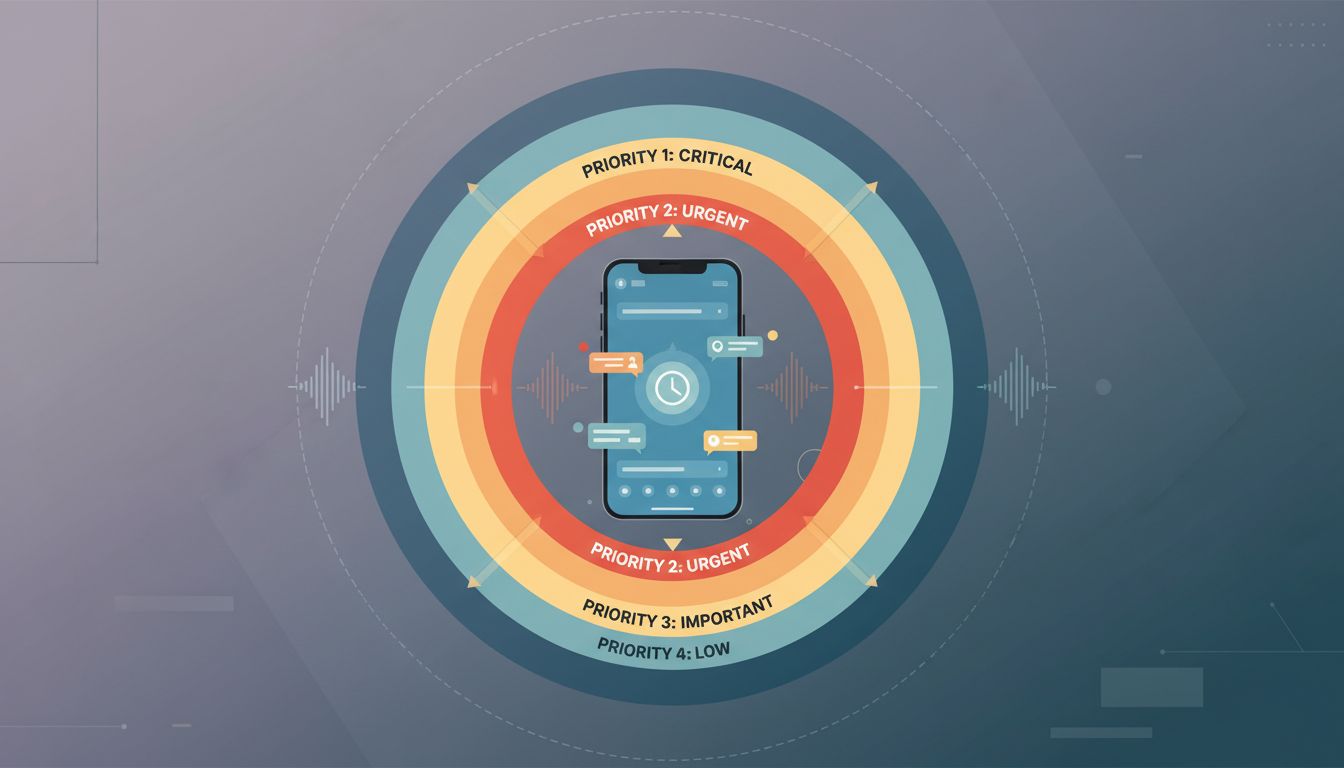
The insidious thing is that many of these switches feel productive. Responding to a Slack message feels like helping your team. Checking the PR comment feels like staying on top of the codebase. These aren’t bad things in isolation. The problem is the frequency and the assumption that they’re free. They’re not free. Notifications Are Interruptions You Scheduled Yourself
The difference between switching tasks and switching modes
Not all context switches are equal. There’s a meaningful difference between switching tasks within a single mode of thinking and switching between different cognitive modes entirely.
If you’re writing a technical design document and you pause to look up a specific API reference, that’s a small switch. Your brain is still in the same general mode: analytical, detail-oriented, working through a structured problem. You can come back quickly.
But if you’re in the middle of writing that same document and you switch to a conversation that requires emotional attunement (a difficult 1:1, a tense Slack thread with a stakeholder), you’ve switched cognitive modes entirely. The recovery cost is much higher because the mental posture required is fundamentally different.
This is why many developers find that a single difficult code review, not a meeting, can derail an afternoon of focused work. Code review requires you to load someone else’s mental model of a problem, reason about their decisions, and formulate careful feedback. That’s expensive. Doing it in the middle of your own deep work is expensive twice.
The task manager problem
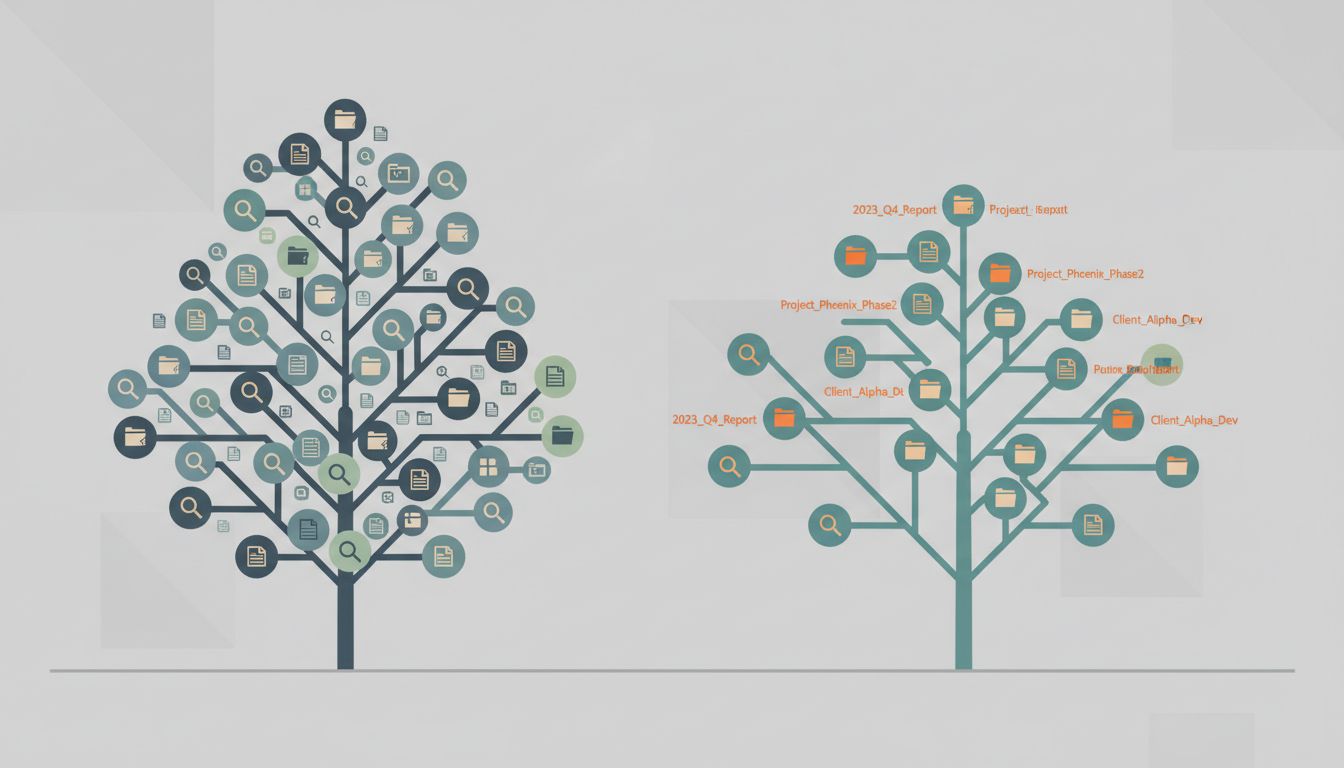
There’s a subtler form of context switching that productivity systems often make worse rather than better. Every unresolved decision in your task manager is a small background process consuming cognitive resources. You open your to-do list to find the one thing you’re supposed to focus on, and instead you see 47 other things. Each one you scan is a brief context load that adds noise to your current working memory.
Your Task Manager Is a Graveyard for Unmade Decisions
The fix here isn’t a better task manager. It’s deciding, at the start of each block of work, exactly what you’re doing and closing everything else. This sounds obvious and is rarely practiced, because the pull toward availability (appearing responsive, staying looped in, not missing things) is social and cultural, not just habitual.
What actually helps
The most effective interventions work by reducing the number of context switches, not by trying to make each individual switch faster.
Time-blocking gets most of the credit in productivity writing, but the detail that matters is making blocks large enough to actually load context and do something useful before you have to unload it again. A 45-minute block for deep work is marginal. A two-hour block where the first 20 minutes are considered loading time is genuinely different.
Batching communication is the other lever. Reading and responding to Slack twice a day instead of continuously isn’t antisocial; it’s the only way to make deep work compatible with being on a team. The resistance to this is usually social, not practical. Most messages that feel urgent at 10 AM are fine to answer at 2 PM, and most teams adapt quickly once they understand the reason.
The harder shift is being honest about which of your interruptions are externally imposed and which you’re creating for yourself. Checking Slack before you’ve started work, opening email in the middle of a focused session, leaving 12 browser tabs open during writing, these are self-inflicted context switches. They feel like staying informed. They cost the same as any other switch.
The premise of most productivity advice is that you need better systems. The more uncomfortable premise is that you need fewer things open, fewer threads partially loaded, fewer half-made decisions sitting in your field of attention. That’s harder to sell, but it’s closer to true.