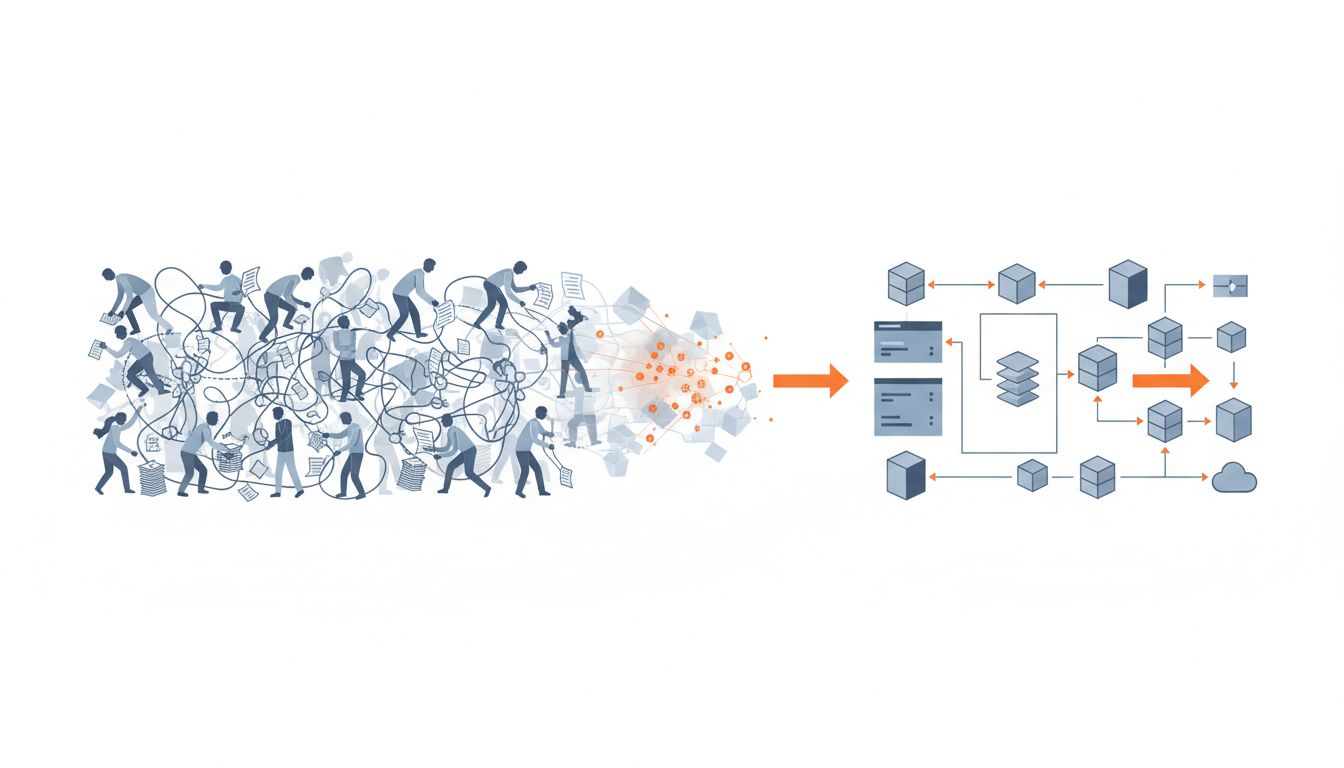
A friend of mine spent eighteen months building a marketplace for freelance translators. He had the domain expertise, a co-founder who could sell, and enough runway to find out whether anyone cared. Nobody did. Not enough, anyway. But while he was building it, he kept running into the same problem: coordinating projects across contractors in different time zones was a mess. The existing tools were either overbuilt enterprise software or spreadsheets held together with optimism. So he built a thin internal tool to solve it. Six months after killing the marketplace, that tool was his company.
This is not a unique story. It is practically the default story.
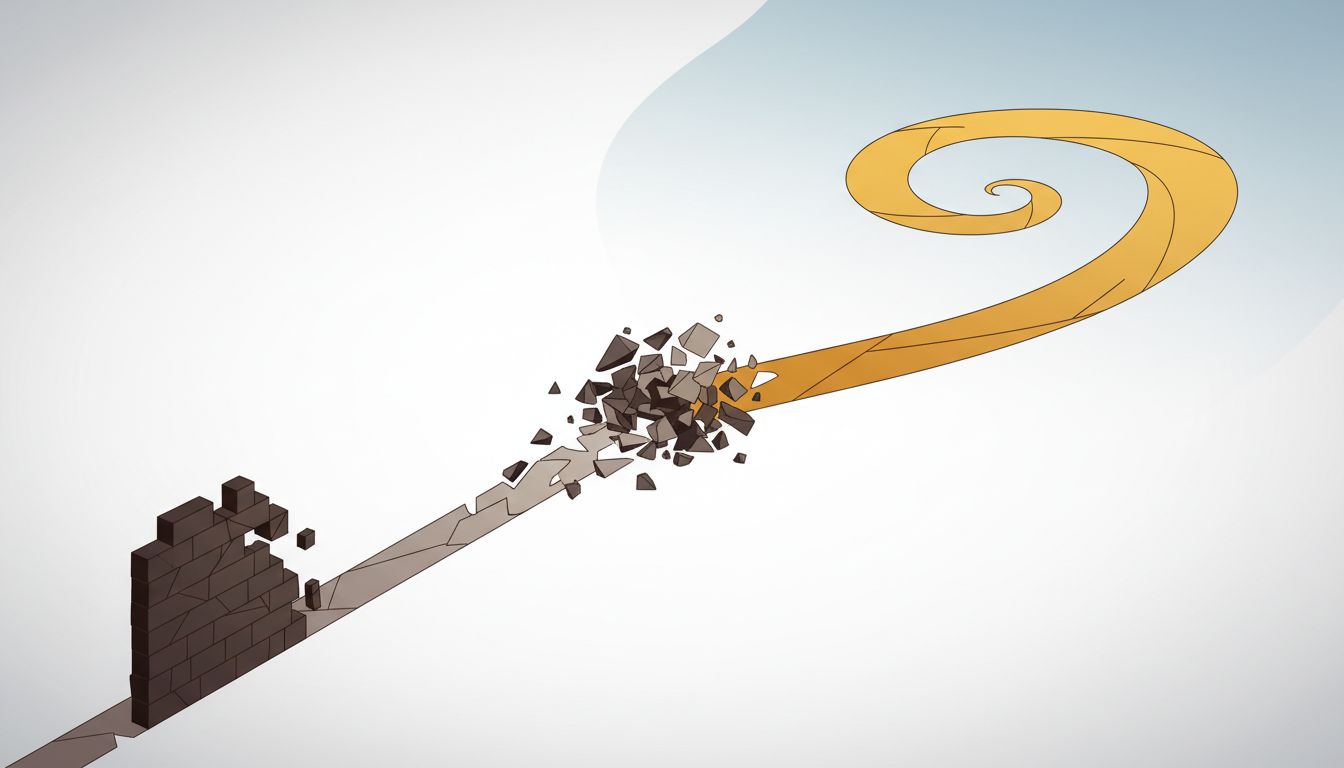
The first idea is not worthless. It is the tuition. The second idea, the one that emerges from the ruins of the first, is the one built on actual evidence about what the world needs and what a particular founder can deliver. I am not saying pivots always work or that iteration is magic. I am saying that the second idea almost always has a structural advantage over the first, and most founders are too attached to their original thesis to see it clearly.
The first idea is a hypothesis, not a business
Every founder thinks their first idea is grounded in insight. Some are. Most are grounded in enthusiasm, which is a different thing. The insight feels real because the founder has been living with it, refining it in their head, stress-testing it against friendly conversations with people who want to be encouraging. That is not market research. That is confirmation bias with a pitch deck.
The first idea also tends to be defined by what the founder wishes were true: that there is a large, underserved market that happens to align with their background and interests. Sometimes that is accurate. More often, the market exists but the founder’s proposed solution does not fit it the way they imagined, or the market is not as eager to pay as early conversations suggested.
What the first idea produces, when founders stay with it long enough to feel the friction, is real data. Not survey responses. Actual resistance from actual potential customers who looked at the product and said no, or said yes and then churned, or said they loved it and still would not pay. That data is the raw material the second idea is built from.
Failure strips away the vanity
There is something that happens to a founder after their first idea starts visibly failing. The storytelling stops. The pitch reflexes go quiet. What replaces them is attention, the kind you only develop when you are genuinely trying to figure out what went wrong rather than convince someone you are right.
This is when founders actually listen to customers. Not to validate, but to understand. And in those conversations, patterns emerge. Problems the founder had not anticipated. Workarounds customers had built themselves. Adjacent pain points that were sharper and more urgent than the original problem the founder had been trying to solve.
Instagram started as Burbn, a check-in app. Slack was a gaming company. YouTube’s founders originally built a video dating site. In each case, the team was already in the field, already had relationships with early users, already understood one specific context deeply, and saw something real that their original thesis had missed. The second idea did not come from a whiteboard session. It came from paying attention after the first idea disappointed them.

The founder is better, not just the idea
Founders who are building their second idea inside the same company are also, simply, better operators than they were at the start. They have hired (and probably fired) someone. They have set up a bank account, argued with a lawyer about a terms of service, run a sales call that went sideways, and debugged a production incident at 2 a.m. The administrative and operational learning that happens in the first year is enormous, and it is entirely transferable.
This matters more than people acknowledge. Many first ideas fail not because the concept was wrong but because the team was not yet capable of executing it. The second idea gets the benefit of a team that has already compressed a lot of that learning. As anyone who has tried to sell a product before it’s fully built knows, the mechanics of early-stage selling are skills you develop through repetition, not inspiration.
The second idea has a smaller ego attached to it
The first idea is personal in a way that is genuinely dangerous. Founders pick their first idea partly based on identity: they are the person building the future of X, disrupting Y, reinventing Z. That identity becomes load-bearing. Challenging the idea starts to feel like challenging the person.
The second idea does not carry that weight. It was not the dream. It was the observation. Founders can hold it more loosely, which means they can iterate on it faster, kill features that are not working, and listen to feedback without getting defensive. That psychological flexibility is a real competitive advantage in the early stages when almost everything about the product is wrong and needs to change.
The counterargument
The obvious pushback is survivorship bias: we only hear about the pivots that worked. For every Instagram-from-Burbn story, there are hundreds of founders who pivoted into something equally nonviable, burned their remaining runway, and shut down anyway. A bad pivot does not become a good idea just because it is second.
This is true. The second idea is not automatically better. What it has is better inputs: real customer data, a more honest founder, and a team that has stopped performing and started observing. If a team pivots without genuinely interrogating why the first idea failed, they are just generating a second hypothesis with the same bad epistemics as the first.
The advantage is not mystical. It is informational. The second idea wins more often because it is built on evidence the first idea paid to collect.
Position restated, without apology
If you are a founder still white-knuckling your original thesis eighteen months in, the question worth asking is not whether you have been working hard enough. It is whether you have been paying attention. The best thing your first idea can do is teach you something true about the world. The second idea is where you put that truth to work.
Most startups that succeed did not succeed on the idea that got them funded. They succeeded on the idea they found while trying to make the first one work. That is not a pivot story. That is just how companies actually get built.