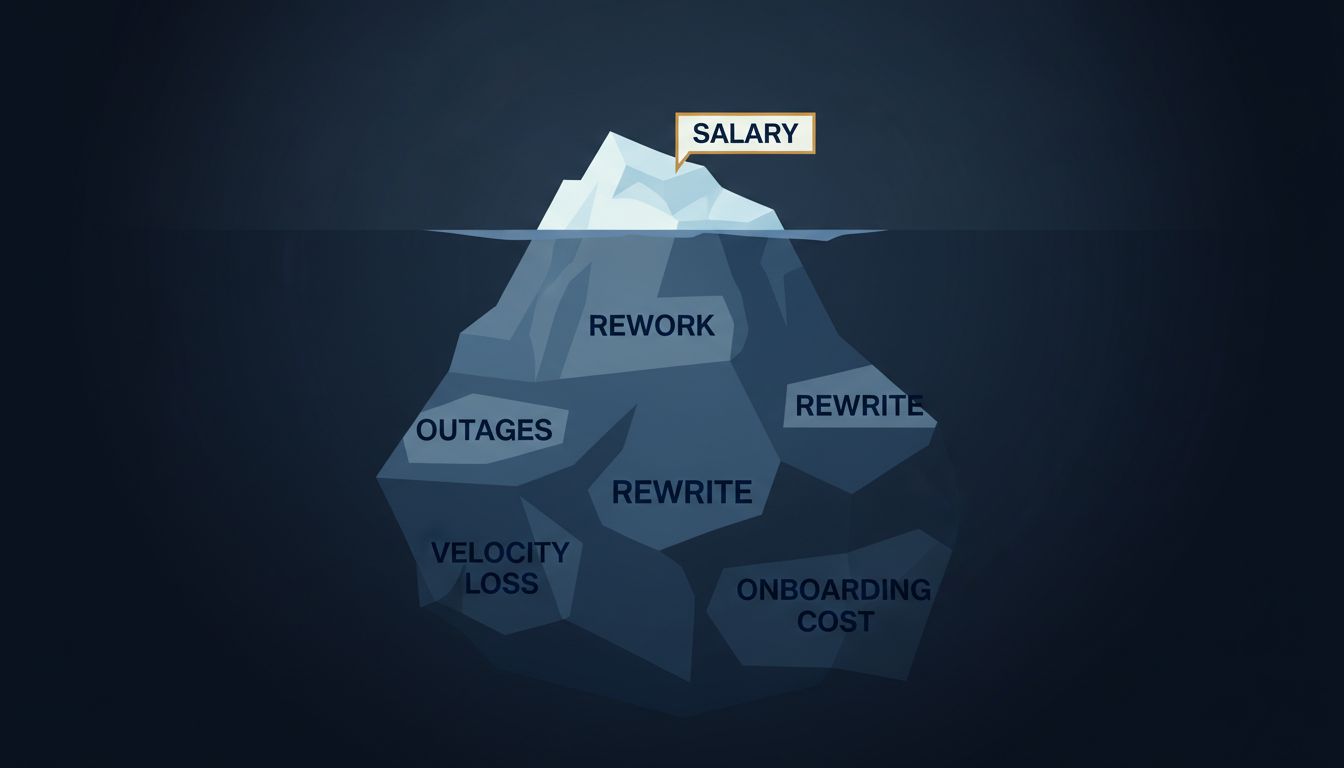
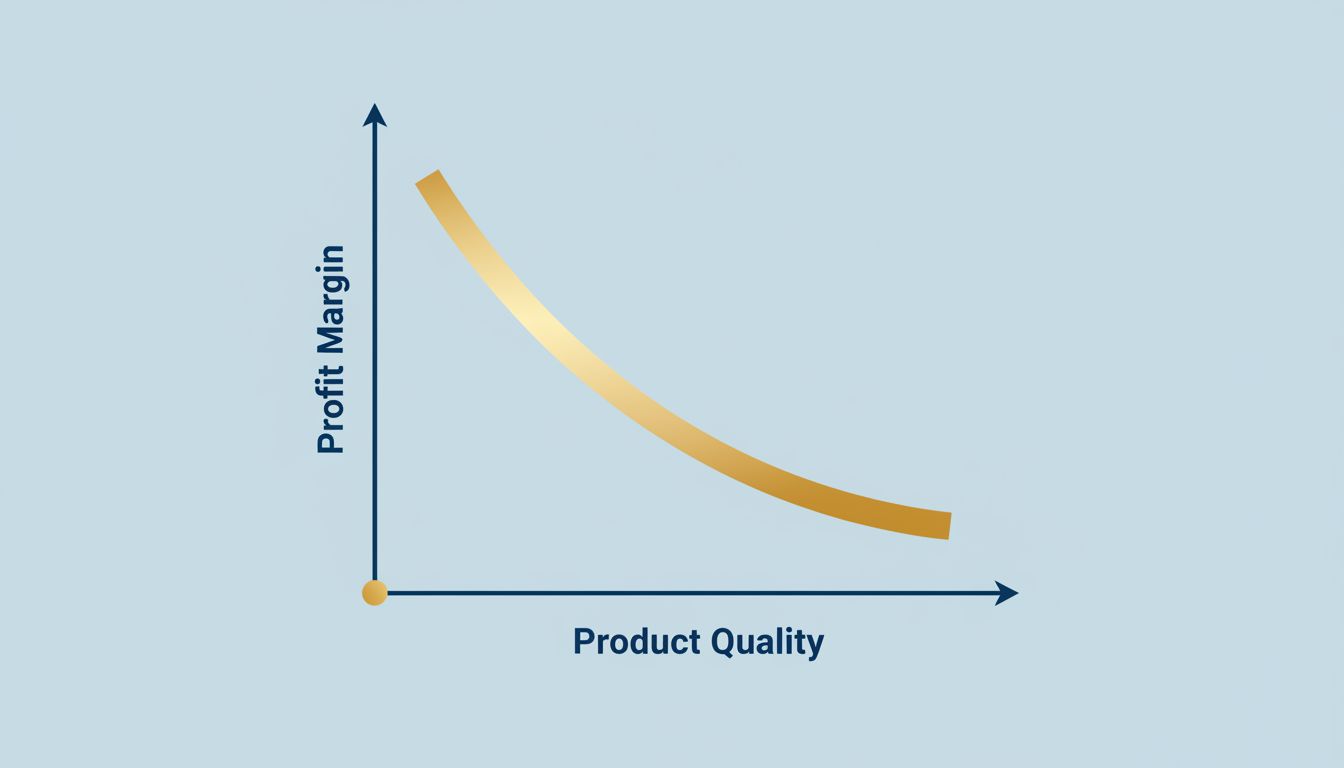
The most profitable product Microsoft sells is not Azure’s AI infrastructure or its Surface hardware. It is the enterprise licensing bundle that forces large organizations to pay for software they barely use, bundled with software they cannot live without. The most profitable product Google sells is not Search in its most useful form. It is Search with ads layered so thick that finding the actual answer requires scrolling past four sponsored results. The pattern holds across the industry: where you find the highest margins, you almost always find the weakest product.
This is not a coincidence. It is a structural feature of how dominant technology companies operate, and understanding it changes how you read every pricing announcement, every product launch, and every quarterly earnings call.
Captivity Makes Quality Optional
The relationship between product quality and profitability inverts once a company achieves sufficient lock-in. Before lock-in, quality drives adoption. After lock-in, quality becomes a cost center while extraction becomes the revenue strategy.
Consider enterprise software. Oracle’s database products have been described by their own customers as difficult, expensive, and painful to operate. Oracle’s operating margins have consistently ranked among the highest in the software industry. The customers who hate the product the most are also the ones who cannot leave it, because their entire data infrastructure was built around it over decades. Oracle does not need to improve the product. It needs to make leaving more expensive than staying.
This is the logic of switching costs taken to its extreme. Tech companies design pricing tiers so you always pick the one they want you to pick, but that trick only works in markets where you have a choice. In captive markets, they skip the psychological nudging entirely and just set the price.
The Best Products Attract Competition. The Worst Ones Repel It.
Here is the paradox that most analyses miss: exceptional products are their own competitive threat. If you build something genuinely great, you invite competitors to study it, copy it, and undercut you on price. Quality, in a competitive market, compresses margins.
A mediocre product embedded in critical infrastructure does the opposite. No competitor wants to build a better version of a legacy payroll system because the margin opportunity looks terrible from the outside and the sales cycle is brutal. The incumbent’s weakness is its protection.
This explains why the internal tooling at many large tech companies is notoriously bad, while their customer-facing products are polished. The customer-facing products live in competitive markets. The internal tools, once embedded, face no competition at all. IBM ran this playbook for decades. Its most profitable divisions were consistently its most legacy-burdened.
Advertising Is the Clearest Example
Google’s advertising business is the purest expression of this principle. Google Search at its best, with no ads, no SEO spam, and direct answers, is a genuinely excellent product. Google Search as it actually exists in most commercial queries is cluttered, manipulated, and frequently worse than asking someone who knows things.
The degraded version is also the profitable version. Every pixel of ad real estate added to a search results page is a pixel taken from the organic result that would have served the user better. Google knows this. The internal tension between its search quality teams and its ads revenue teams is not a secret. The ads team wins because that is where the money is, and the money is there precisely because users are captive. Switching to Bing or DuckDuckGo requires habitual effort. Most people never make the switch.
Facebook’s advertising products follow the same logic. Advertisers routinely report that Meta’s ad tools are opaque, inconsistent, and difficult to optimize. Meta’s advertising revenue per user has remained among the highest in the industry. The advertisers complain and keep paying, because the audience is there and the audience is nowhere else at the same scale.

The Counterargument
The obvious objection is Apple. Apple’s most profitable products, the iPhone and its services business, are also genuinely excellent. High quality and high margin coexist. Doesn’t that disprove the thesis?
Not quite. Apple is the exception that clarifies the rule. Apple achieves premium margins on quality products because it has built something rarer than lock-in: genuine desire. People do not stay on iPhone because leaving is painful. They stay because they prefer it. That is a different kind of captivity, and it requires continuous investment in quality to sustain.
But notice what happens when Apple moves away from desire-based retention toward obligation-based retention. iCloud storage pricing is not beloved. The App Store’s 30 percent commission is not considered generous by developers. Apple’s most controversial and criticized business practices are clustered precisely where it has shifted from earning loyalty to extracting from captivity. The pattern reasserts itself even at Apple.
Why This Matters Beyond the Balance Sheet
If you accept that dominant tech companies rationally maximize profit on their weakest products, then several things follow. Regulatory pressure on these companies is not about protecting consumers from bad actors. It is about correcting a structural incentive that rewards lock-in over improvement. Antitrust enforcement that increases switching costs, or reduces them rather, is the only mechanism that relinks quality to profitability.
For buyers, the implication is sobering. The moment a vendor’s product becomes essential infrastructure, your leverage as a customer is gone. The product will not improve at the rate it did when you were being courted. Power users who build systems that survive individual apps understand this intuitively. They architect for exit before exit becomes necessary.
The most valuable tech companies are not extracting profit despite having mediocre products in certain areas. They are extracting it because of them. Quality is a customer acquisition tool. Captivity is the business model.