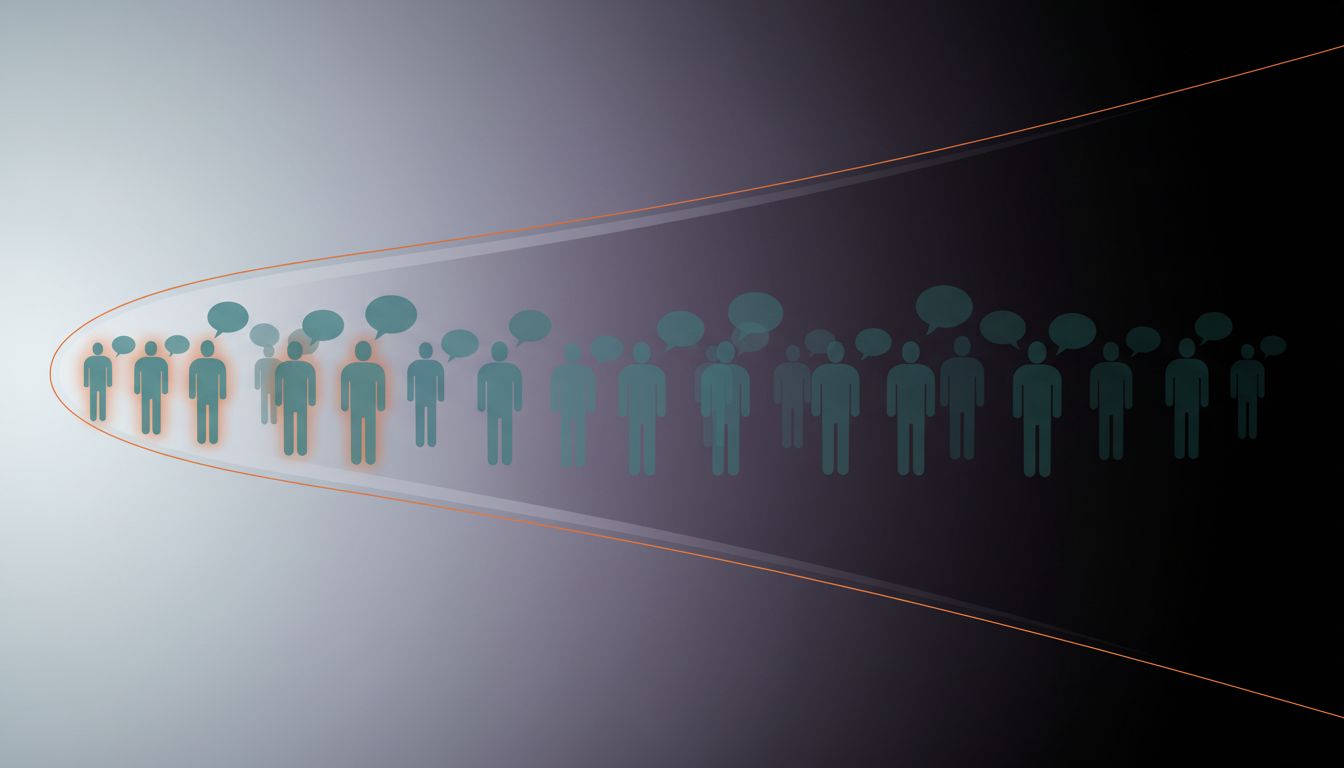
The most elegant form of censorship is the kind the target never notices. No suspension notice, no appeal process, no confrontation. Just a slow, invisible dimming of reach until the user is effectively talking to no one while believing they’re talking to everyone.
This is shadow banning. And despite years of public denial from major platforms, the evidence that it exists, is intentional, and is systematically applied is now overwhelming.
The Setup
Twitter, now X, became the clearest case study because of an unusual combination of factors: an aggressive research community, a series of leaked internal documents, and an ownership change that caused the company to contradict its own previous statements in public.
For years, Twitter’s official position was that shadow banning did not exist. In 2018, the company published a blog post specifically denying the practice after Vice reported that prominent Republicans were disappearing from search autocomplete results. Twitter’s explanation was that this was an unintentional “bug” related to account quality signals, not targeted suppression.
That explanation was, at minimum, incomplete.
Internal documents later made public, partly through the so-called Twitter Files released in late 2022 and partly through regulatory disclosures, showed that Twitter had developed a sophisticated system for quietly degrading the visibility of accounts without banning them. The system had names internally. Engineers called various components of it things like “search blacklist” and “trends blacklist” and “do not amplify.” These were not accident-prevention tools. They were deliberate levers.
What Actually Happened
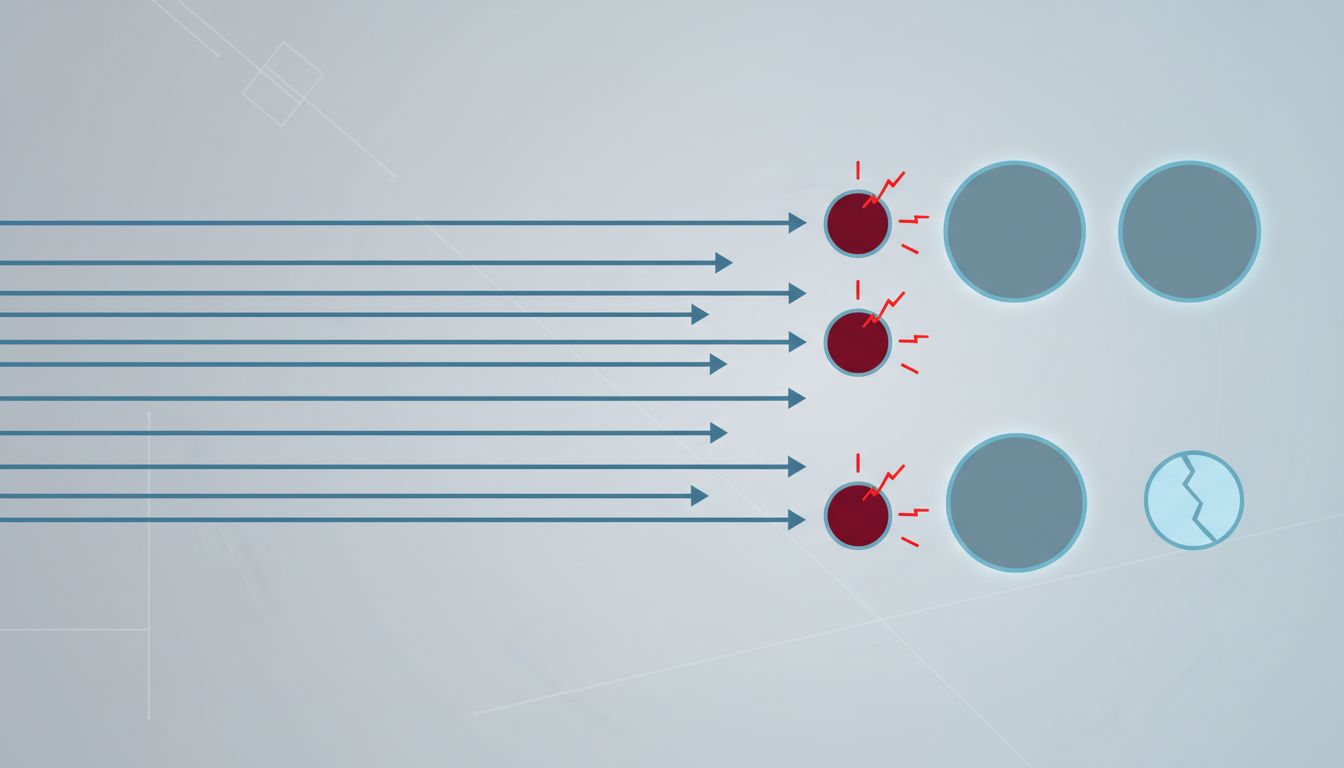
The mechanics matter here because they reveal the sophistication of the approach. Twitter’s systems did not simply suppress accounts. They suppressed content types, interaction patterns, and specific signals in ways that could be applied granularly. An account might appear in a follower’s timeline but be excluded from search. A tweet might be visible to the person who posted it but hidden from replies. A user might retain their full follower count while reaching a fraction of those followers.
The asymmetry was the point. If a user is told their account is suspended, they can appeal, migrate to another platform, or make noise publicly. If a user believes they’re participating normally, they keep posting, keep generating data, and keep not becoming a visible critic of the platform. The platform retains their content without retaining the disruption their large reach might cause.
This is not unique to Twitter. Reddit has long employed a system it calls “hellbanning” (or quarantining) for certain accounts and entire communities. YouTube has confirmed that it reduces recommendations for content it considers “borderline” without removing it, a policy that affects enormous volumes of video. TikTok’s leaked internal documents, reported by The Intercept in 2019, showed instructions for suppressing content from users deemed “ugly” or “poor-looking” as well as content showing political sensitivity in ways that varied by region. Instagram has been documented suppressing hashtags associated with protest movements while leaving those hashtags technically functional.

The common thread is plausible deniability. Each of these systems was built to be unfalsifiable from the outside. If a user complains their reach has dropped, the platform can attribute it to algorithm changes, engagement rates, or the inherent unpredictability of recommendation systems. None of these explanations are false. They’re just incomplete in a way that happens to be convenient.
Why Platforms Built These Systems
The honest answer involves three overlapping motivations, and they’re not equally defensible.
The first is genuine content moderation. Platforms face real pressure to limit harassment, spam, and coordinated inauthentic behavior without triggering the backlash that comes with visible bans. Quietly reducing the reach of a spam account is arguably less disruptive than a public suspension, and for certain categories of behavior, it’s probably more effective. Spammers who know their accounts are banned simply create new ones. Spammers who don’t know keep working the same dead accounts.
The second motivation is advertiser management. Advertising revenue depends on brand safety, and brand safety depends on controlling what content appears next to ads. Platforms discovered early that a public, rules-based content policy created constant controversy because every enforcement decision became a political event. Quiet algorithmic suppression let them manage advertiser concerns without the PR cost of explicit bans. This is the same logic that drives platforms to hide features that don’t serve monetization while keeping users engaged.
The third motivation is the most uncomfortable: behavioral control. Platforms with massive scale discovered they could shape political discourse, consumer behavior, and social norms through reach manipulation in ways that explicit rules never could. A rule against political content is debatable and enforceable by courts. An algorithm that happens to amplify certain political content and suppress other political content is a design choice.
Why It Matters
The shadow ban is a revealing artifact of platform power because it exposes the gap between what platforms claim to be and what they actually are.
Platforms present themselves as neutral infrastructure. The phone company doesn’t decide which calls matter. The road doesn’t direct traffic based on where it thinks you should go. But shadow banning is an assertion of editorial judgment made at algorithmic scale, applied without transparency, and structured specifically to avoid accountability. It is the opposite of neutral infrastructure.
This creates a specific and serious problem. Democratic discourse, market competition, and basic trust in digital communication all rest on an assumption that when you speak, your words travel as intended. Shadow banning breaks that assumption invisibly. A journalist who believes their reporting is reaching an audience may be reaching almost no one. A small business running organic social media may be generating engagement signals that look healthy internally while their content is being quietly buried. Neither would know.
The FTC and European regulators have begun looking at algorithmic suppression as a competition issue as much as a speech issue. If a platform can invisibly suppress the organic reach of competitors’ apps, partner links, or rival services, that’s not content moderation. That’s market manipulation executed through UI design.
What We Can Learn
The shadow ban case study teaches something important about how platform power actually works. The most consequential design decisions on major platforms are not the ones announced in press releases. They’re the ones that are never announced at all.
For users, the practical lesson is that reach metrics on any platform should be treated with skepticism. If your engagement has declined significantly without an obvious content change, the platform’s algorithm is the most likely explanation, and that algorithm is doing something you weren’t told about.
For regulators, the lesson is that transparency requirements need to be more specific than they currently are. Requiring platforms to disclose that they use algorithms is meaningless. Requiring them to disclose when and why specific accounts or content types receive reduced distribution is a different, harder, more useful ask.
For anyone building on top of these platforms, the lesson is the oldest one in the book. Platform companies retain ultimate control over the infrastructure their users depend on, and that control doesn’t need to be announced to be exercised. The reach your audience represents today is a courtesy, not a contract. The platforms built systems specifically so they could revoke it without you noticing.
That’s not a flaw in the design. That was always the design.