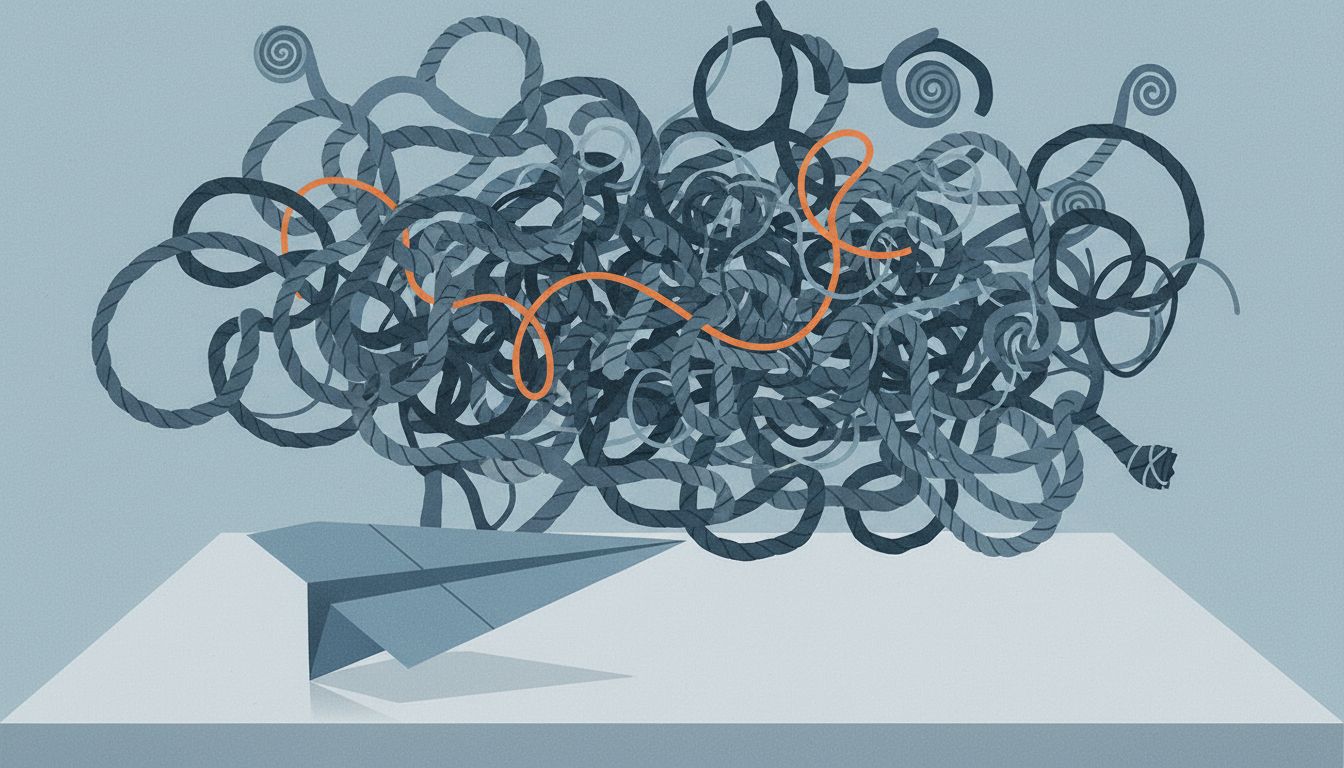
Most of us treat our attention like a cursor. Point it somewhere, do some work, move it somewhere else. The mental model is spatial and instant: attention goes where you direct it, and it goes there now.
The neuroscience says otherwise. Your attention doesn’t teleport. It drags. And understanding what happens during that drag is probably the most useful thing you can know about your own productivity.
The Switching Cost Is Real, and It Compounds
When you shift from one task to another, your brain has to do several things in sequence: suppress the rules and context of what you were just doing, activate the rules and context for the new task, and verify that the switch is complete. Researchers call this the “executive control” process, and it takes time. Not hours, but not nothing either. Depending on the tasks involved, the lag can stretch from a fraction of a second to over a minute for complex cognitive work.
The psychologist David Meyer, who has studied task-switching extensively, found that shifting between tasks can cost as much as 40 percent of your productive time when you’re doing complex work. That number sounds dramatic until you actually watch yourself in a two-hour block and count the interruptions.
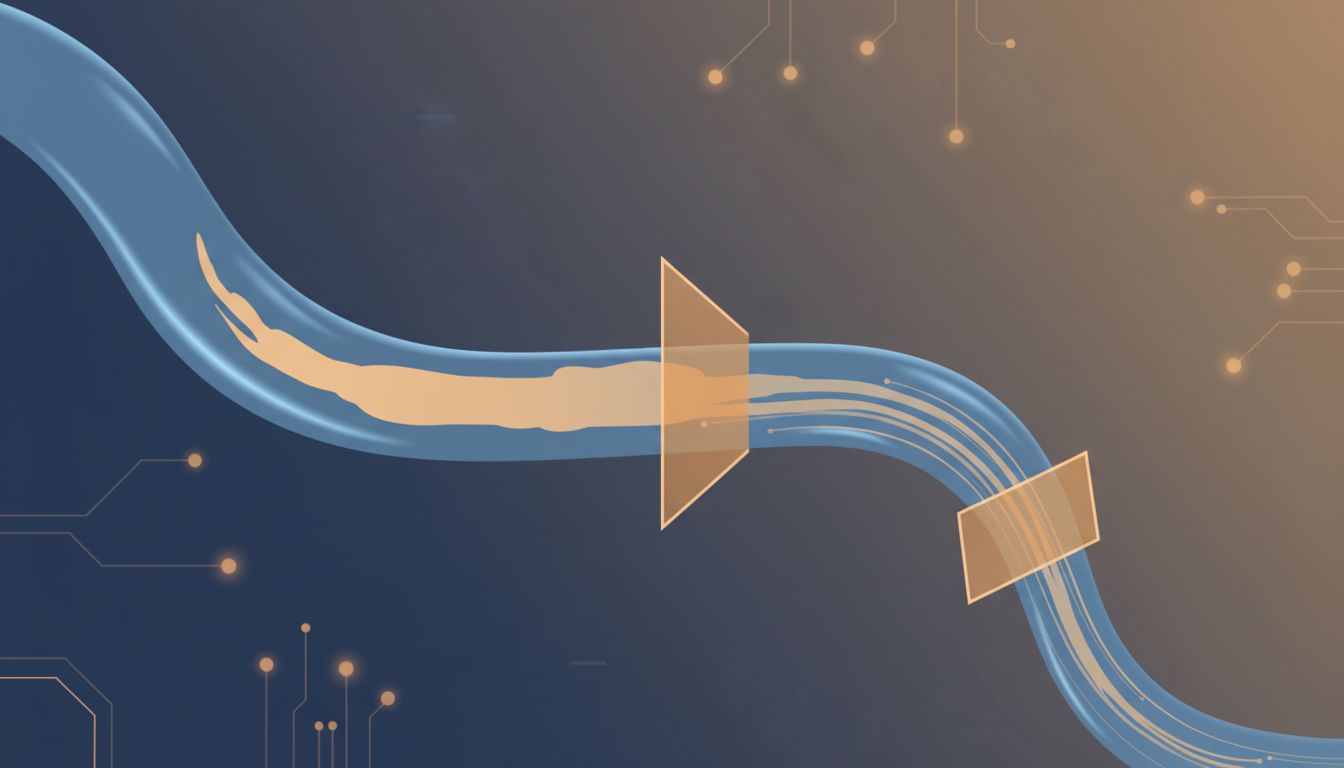
What makes this worse is that the costs aren’t linear. Each switch adds a small residue of the previous task that keeps competing for your attention. You’re writing a technical spec, someone pings you about a scheduling conflict, you deal with it, and then you go back to the spec. But part of your working memory is still holding the scheduling conflict. That’s not a metaphor. Your brain is genuinely still running a background thread on the interrupted task, and that thread consumes resources.
Why Interruptions Feel Smaller Than They Are
Here’s what makes this genuinely tricky: the subjective experience of task-switching doesn’t match the cognitive cost. A two-minute interruption feels like a two-minute interruption. But the actual recovery, getting back to the same depth of focus you had before, takes considerably longer. Gloria Mark’s research at UC Irvine found that it takes an average of about 23 minutes to fully return to a task after an interruption. Not because the interruption itself was long, but because the return journey has its own cost.
You’ve probably felt this without naming it. You’re deep in something, get pulled away, come back, and spend ten minutes reading what you’d already written as if you’re meeting it for the first time. That ramp-up isn’t laziness or weak concentration. It’s the actual cognitive cost of reconstruction.
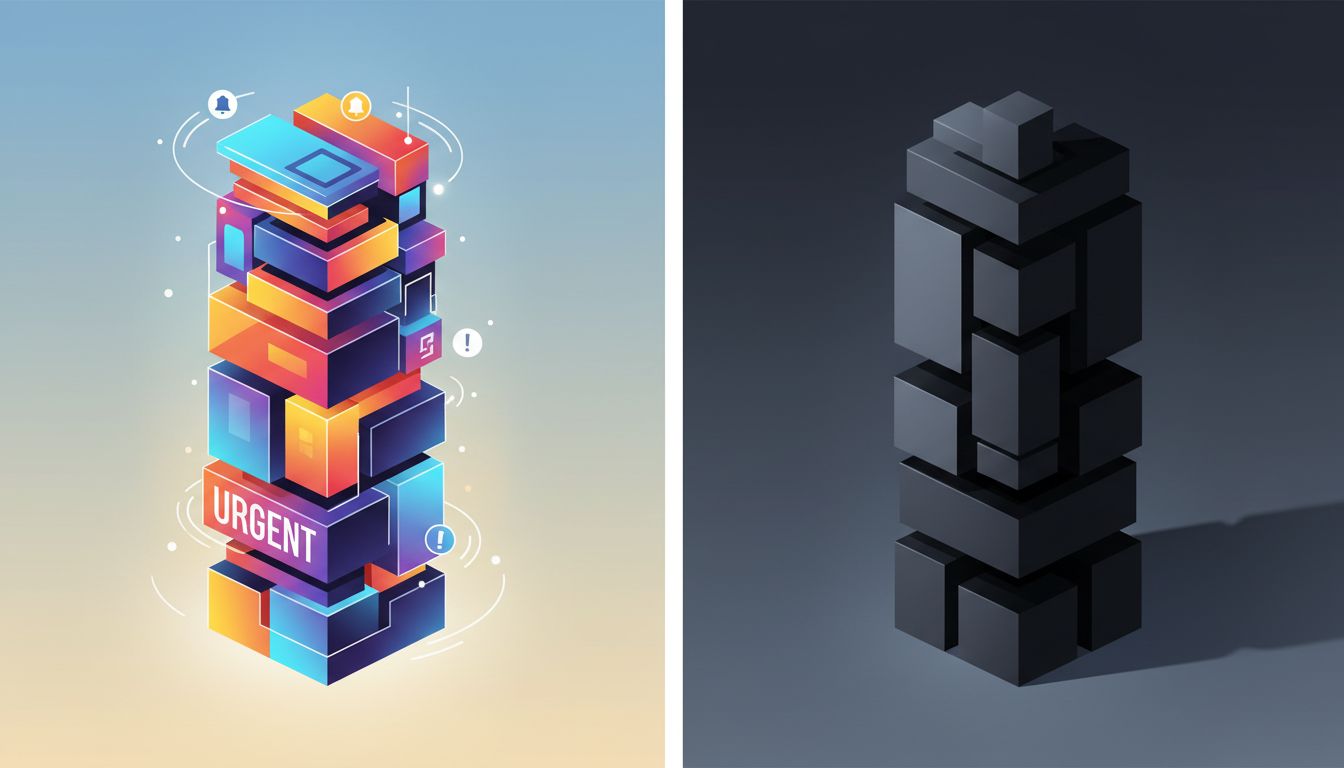
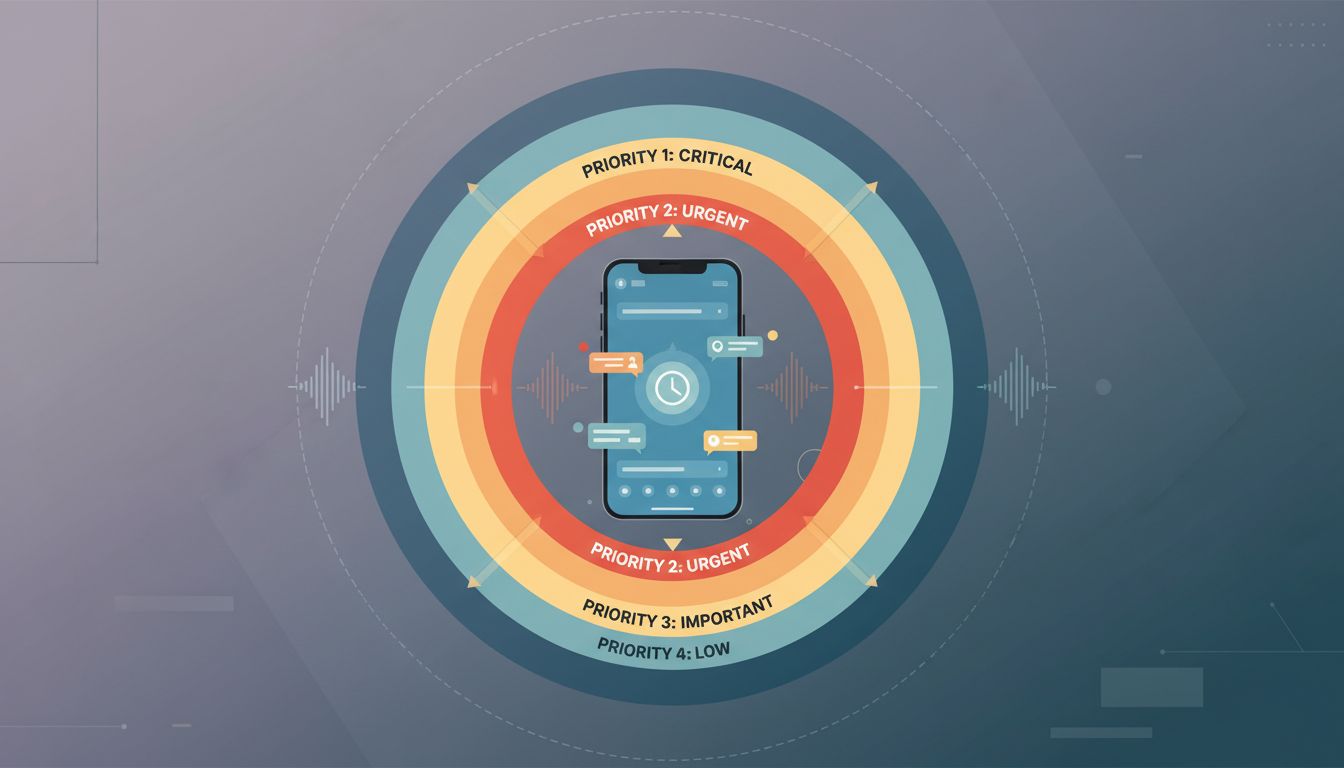
The problem is that modern work environments are designed almost perfectly to maximize this kind of interruption. Open offices, always-on chat, notification defaults that assume everything is urgent. The structure asks you to switch constantly and then wonders why output feels low.
What “Multitasking” Actually Is
There is no such thing as doing two cognitive tasks simultaneously. What people call multitasking is rapid serial task-switching: you’re doing one thing, then the other, then the first again, very fast. This distinction matters because it changes what you’re optimizing for.
If multitasking were real, the goal would be to do more things at once. Since it isn’t, the goal is to minimize switch frequency. Fewer switches per hour means less accumulated residue, less reconstruction time, and more time spent in the actual flow of a task rather than the approach to it.
Parallel tasks that don’t compete for the same cognitive resources are the exception. You can listen to music while folding laundry because those tasks draw on different systems. You cannot listen to a podcast while writing an email and do either well. Both demand language processing, and you’re time-sharing a single resource. Most knowledge work falls into this second category.
How to Actually Reduce Your Switch Rate
The most effective intervention is time-blocking, and not in the vague sense of “scheduling focused work.” The specific practice that helps is committing to a single task type for a defined window and treating all interruptions during that window as deferred rather than ignored.
This works because it changes what your brain has to do. Instead of deciding in the moment whether to respond to a ping, you’ve already made the decision. The cognitive overhead of that choice is front-loaded. During the block, your only job is to stay in the task.
A few practical adjustments that actually change behavior rather than just intentions:
Batch your communication. Email and chat are the primary sources of interruption for most knowledge workers. Checking them at defined intervals (twice a day is aggressive but effective; four times is more realistic) reduces the number of switches dramatically without meaningfully delaying anything that matters.
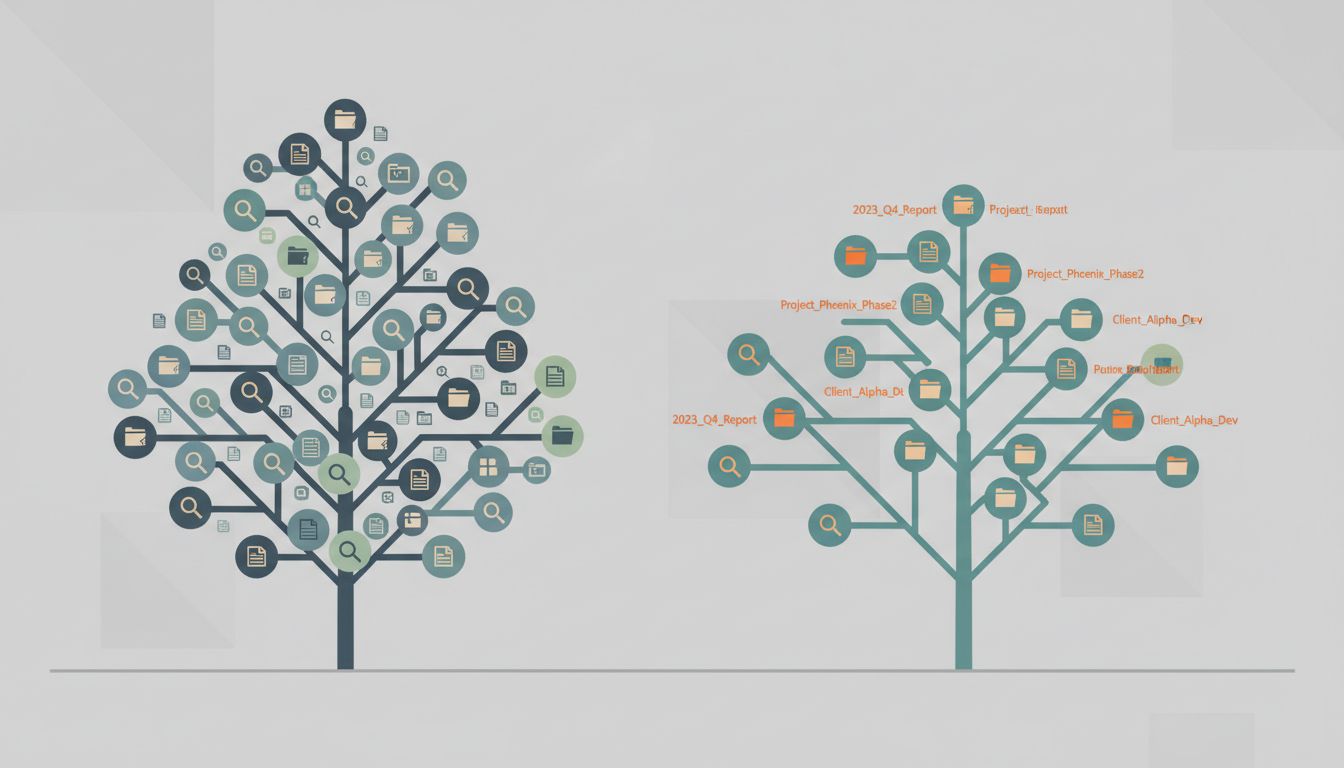
Make task context explicit before you leave it. Before you close a document or move on from a piece of work, write one sentence about exactly where you are and what the next action is. This sounds like overhead, but it cuts your reconstruction time significantly. You’re externalizing the context your brain would otherwise have to rebuild from scratch.
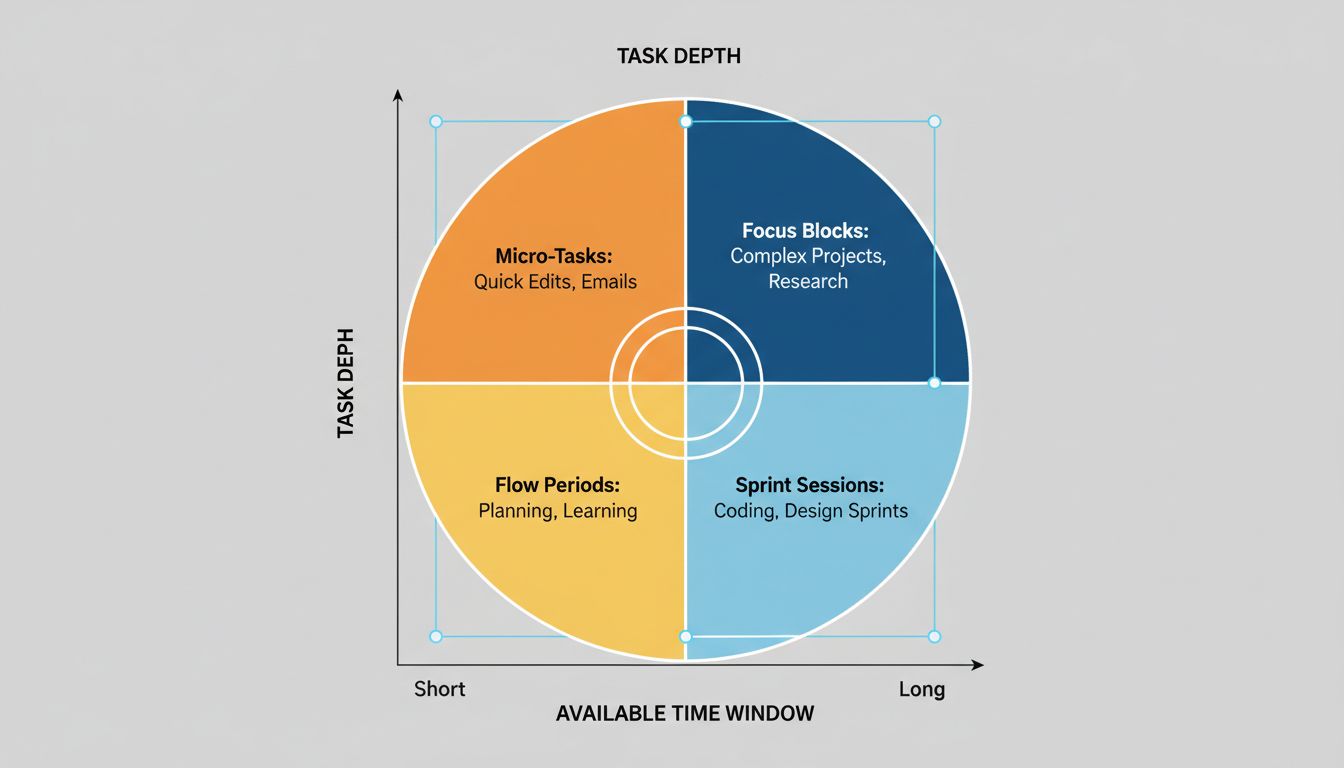
Match task depth to available window. A twenty-minute gap between meetings is not enough time to make real progress on a complex problem, because you’ll spend most of it ramping up and then stopping before you get anywhere useful. Save shallow tasks for shallow windows. This is counterintuitive because shallow tasks feel less important, but doing them in the gaps means your long windows stay intact for deep work.
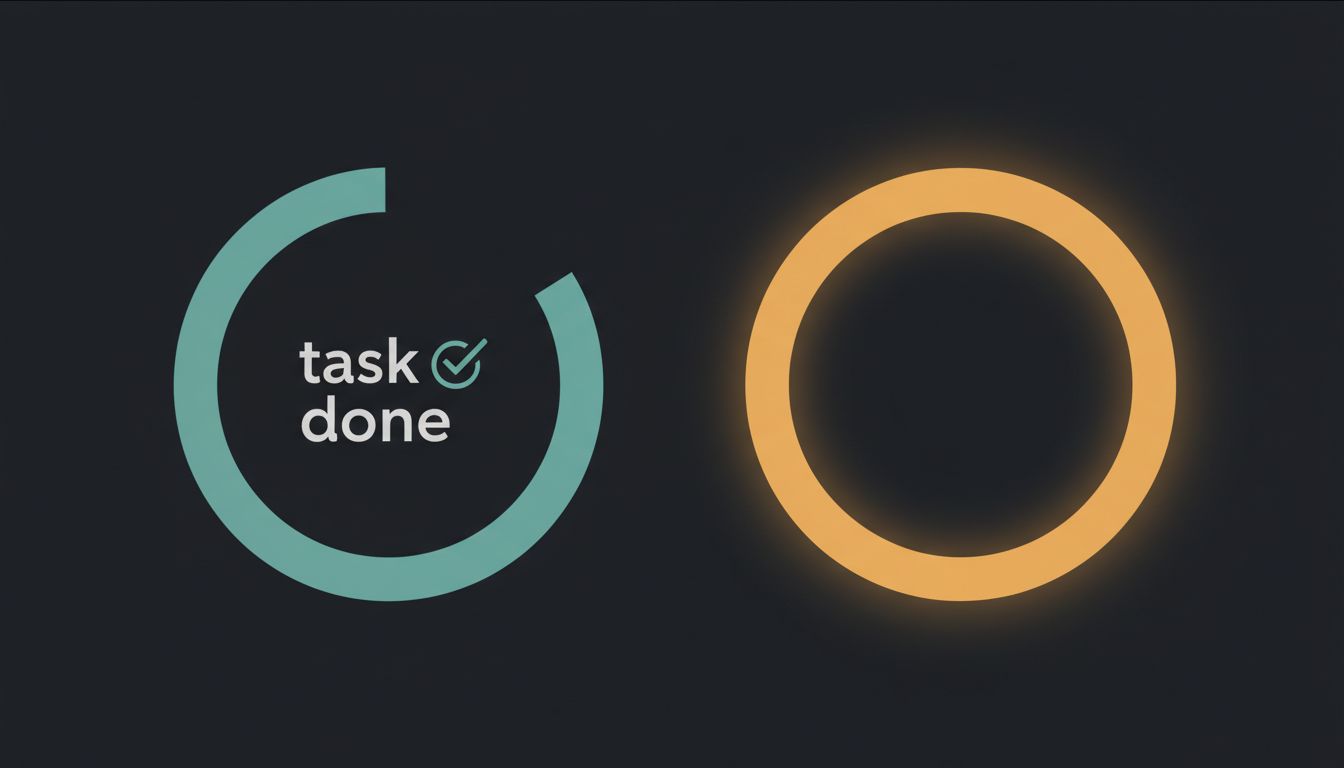
If you want to go deeper on how incomplete tasks and open loops affect your cognitive load throughout the day, Finishing Tasks Feels Productive. Closing Loops Actually Is. covers this from a complementary angle.
The Practical Upshot
You can’t change the underlying neuroscience. Your brain will always pay a switching cost, and that cost will always compound when you switch frequently. What you can change is the structure of your work so that you’re switching less.
The goal isn’t to eliminate interruptions entirely. It’s to stop treating your attention as infinitely elastic and start treating it as a limited resource with real recovery costs. Once you actually internalize that a two-minute distraction costs you twenty-plus minutes of recovery time, the calculus on what’s worth responding to immediately changes considerably.
Protect your long windows. Batch the short stuff. Write down where you are before you leave. These aren’t productivity hacks. They’re working with how your brain actually functions rather than the idealized version where attention is free and switching is costless.