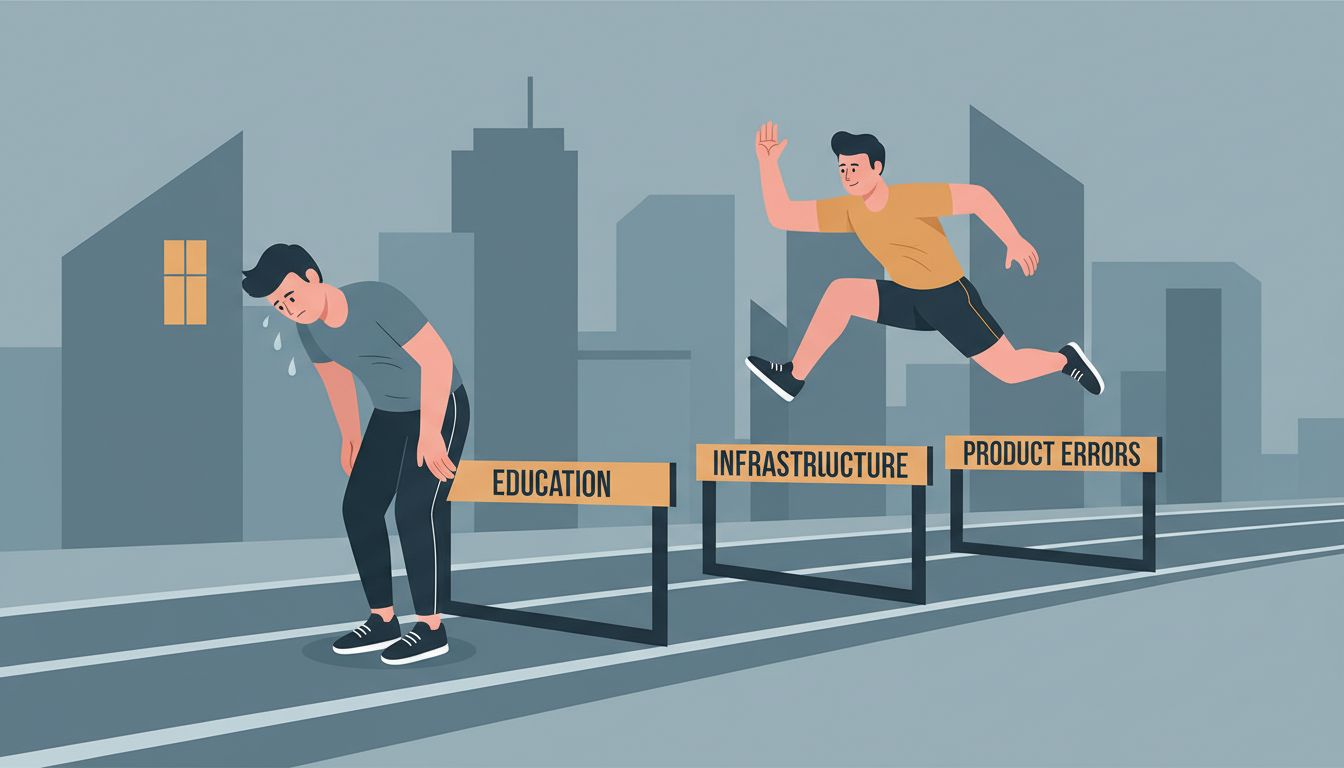

The instinct is to panic. A competitor announces a free tier, or goes fully free, and the sales team starts asking whether you should match it. The correct answer is almost never yes, but the reason why tells you something important about how SaaS pricing actually works.
Price is not just a number. It’s a signal, a filter, and a promise. When a competitor goes free, they aren’t just changing their economics, they’re changing the conversation your customers have with themselves about what your category is worth. That conversation is the thing you need to manage.
Free Doesn’t Mean Competitive Threat
The first thing to understand is that free products and paid products frequently serve different buyers. Slack’s free tier didn’t destroy paid messaging tools for enterprises; it created a generation of workers who expected messaging software to exist, which expanded the market for tools like Microsoft Teams. Dropbox’s free offering built habits that eventually converted into paid seats and, more importantly, normalized cloud storage across organizations that then bought Box or Google Drive for business use.
When a competitor goes free, the immediate question isn’t “will we lose customers?” It’s “which customers?” Companies that were shopping on price alone were always poor fits for a product with a premium price. Losing them to a free alternative isn’t churn that hurts, it’s clarification. The customers who stay, or who choose you over the free option, are telling you something valuable about where your actual value lives.
This is the filtering function of price. As one principle in pricing research consistently shows, buyers use price as a proxy for quality when they can’t fully evaluate a product before purchase. Pricing your product too low tells buyers it doesn’t work, and the same logic applies in reverse: dropping your price to match a free competitor signals that you believe your product is worth exactly what the free one is.
The Real Damage Is Narrative, Not Revenue
The genuine threat from a free competitor isn’t direct revenue loss in the near term. It’s the story that starts to circulate in your market. Sales cycles get longer. Procurement teams forward the competitor’s announcement and ask why they should keep paying you. Your sales team starts discounting to close deals that previously closed at full price.
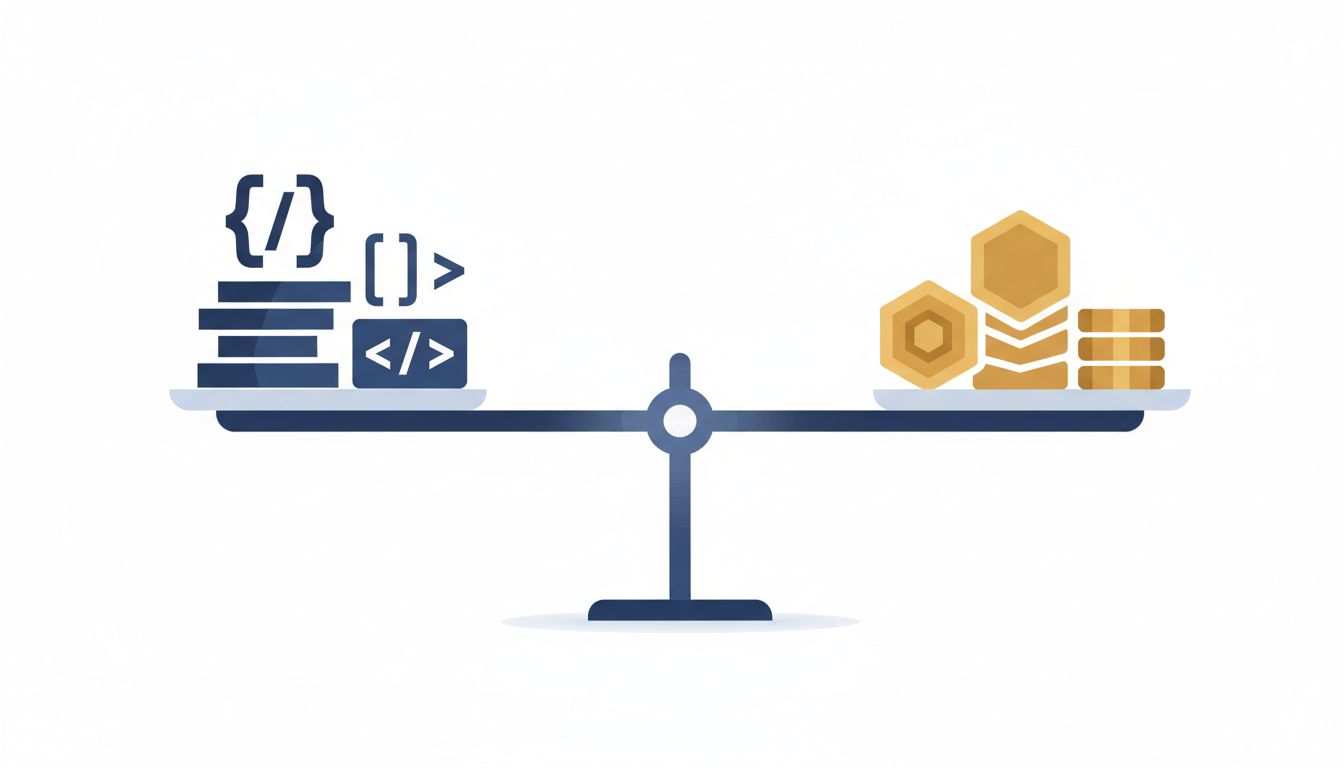
This is where the actual work happens. You need a crisp, honest answer to a question that customers are now asking explicitly: what do we get for paying that we don’t get for free?
The answer has to be specific. “Better support” and “enterprise-grade security” are non-answers, because every paid SaaS product claims them. The specific answer might be: data retention that meets your compliance requirements, or integrations your team already relies on, or SLAs with financial penalties attached, or a workflow that saves a particular role two hours per week. If you can’t name the specific value, you have a product problem that a pricing strategy can’t fix.
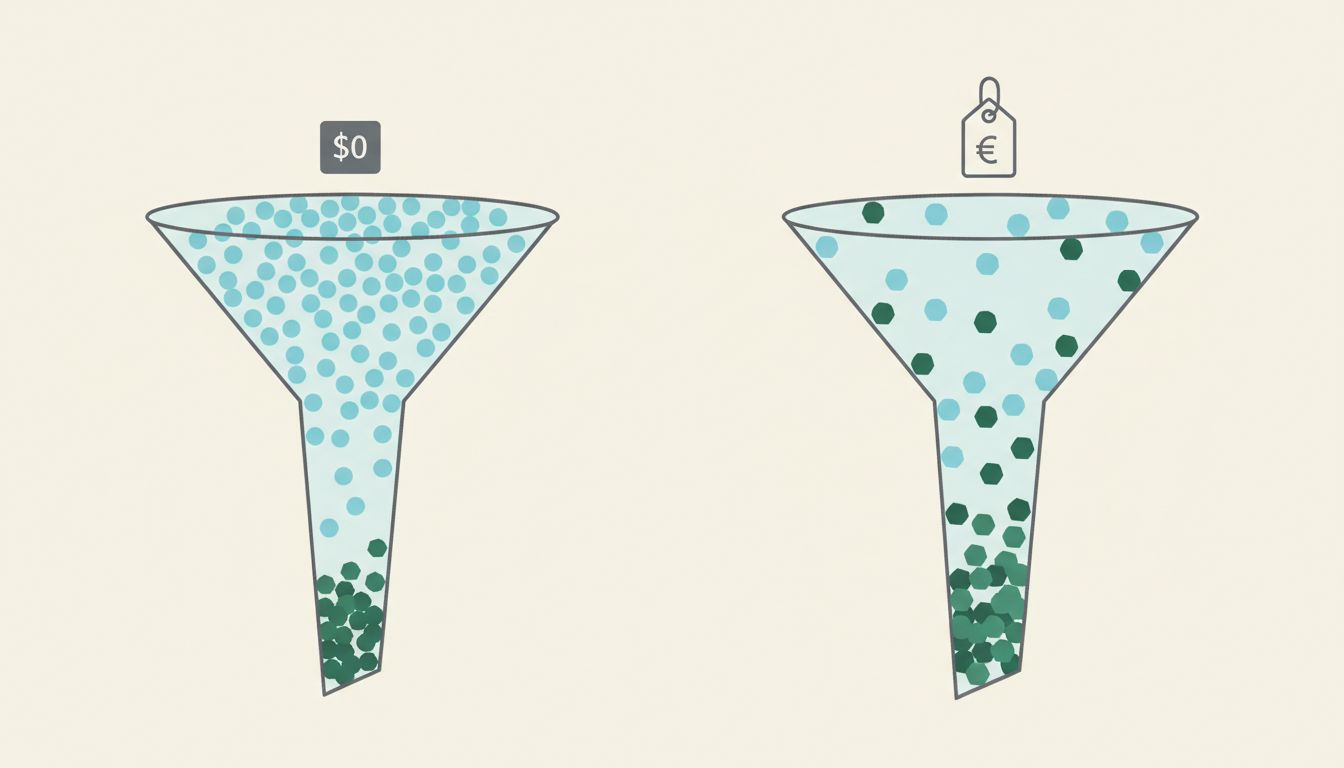
HubSpot handled this reasonably well when competitors began offering free CRM tiers. Rather than cutting price across the board, HubSpot expanded its own free CRM while drawing a sharper distinction around what the paid tiers actually delivered: deeper automation, reporting, and the Sales Hub features that matter at scale. The free tier became a funnel, not a concession.
When You Should Actually Respond on Price
There are conditions where a pricing response is warranted, and they’re narrower than most companies think.
The first is market commoditization. If the core functionality you charge for has genuinely become undifferentiated, meaning your free competitor does the same thing with the same reliability, then your pricing model probably needs to move up the value chain. You’re no longer selling the feature; you need to sell what happens because of the feature.
The second is when you’re losing deals in a segment where you genuinely want to compete. The key word is genuinely. Many companies discover, when forced to audit their customer mix, that the segment being disrupted by a free competitor was never particularly profitable or strategically important. Defending it with margin compression is a bad trade.
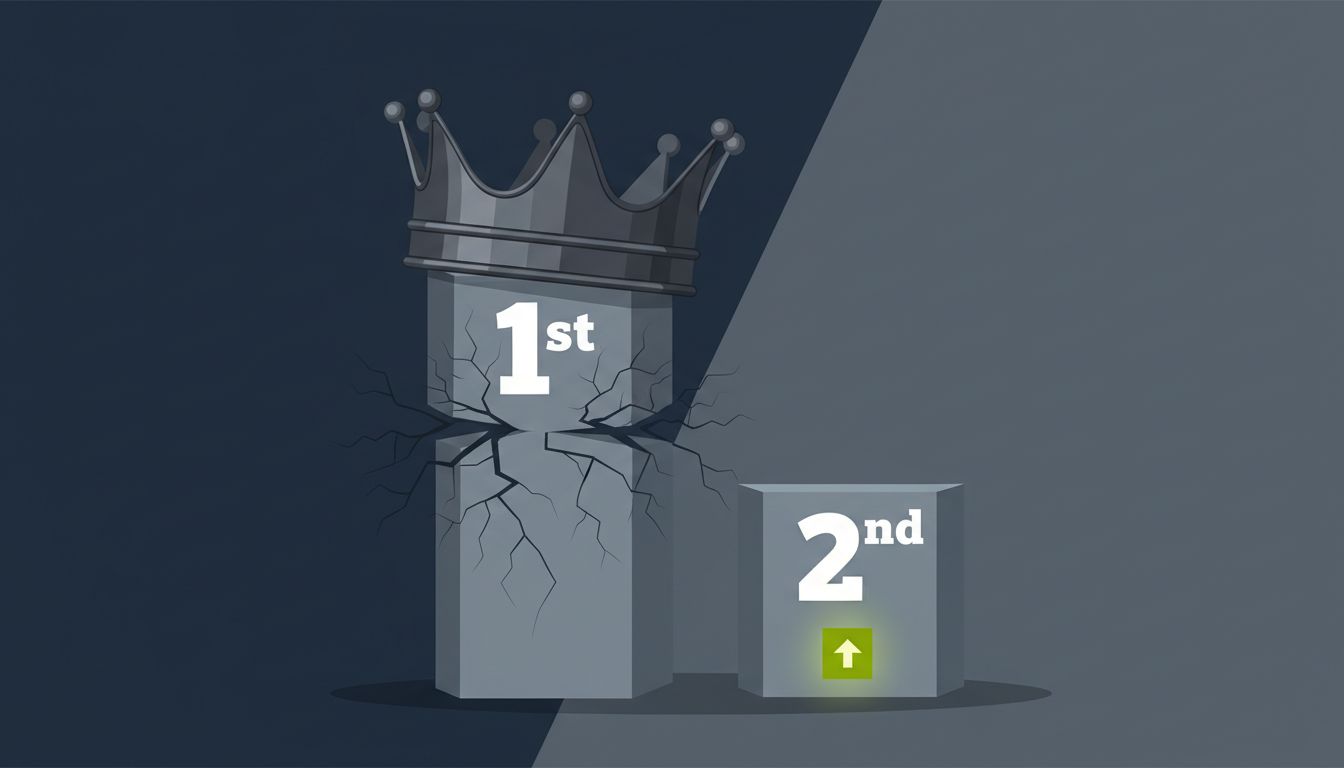
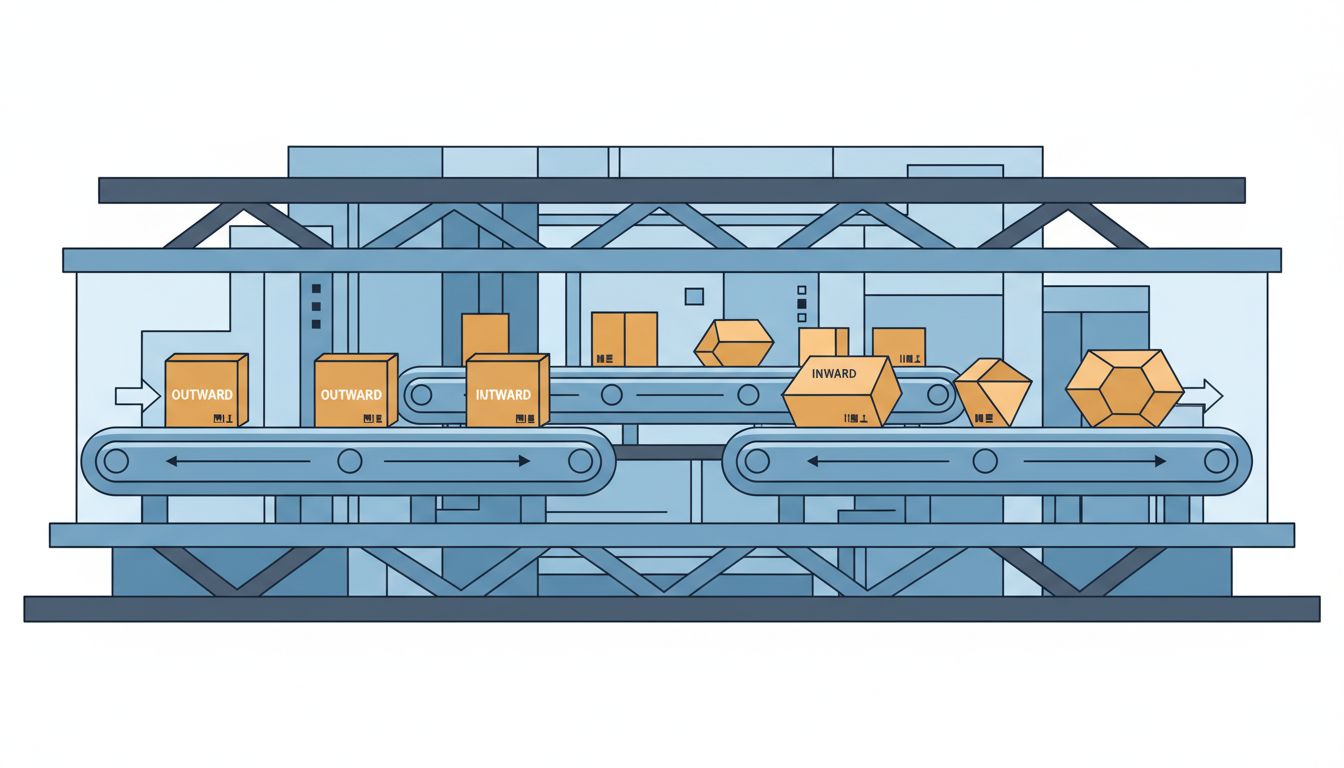
The third condition is when the free competitor is well-funded and playing a long game to own the market, not just attract users. This is the scenario that warrants the most serious strategic response, but that response is rarely a price cut. It’s usually an acceleration of the product differentiation that makes you hard to displace. Switching costs are invisible until you try to leave, and the right response to a well-funded free competitor is to build more of them into your product, not to compete on price where you will always lose against someone burning venture capital.
The Discount Trap
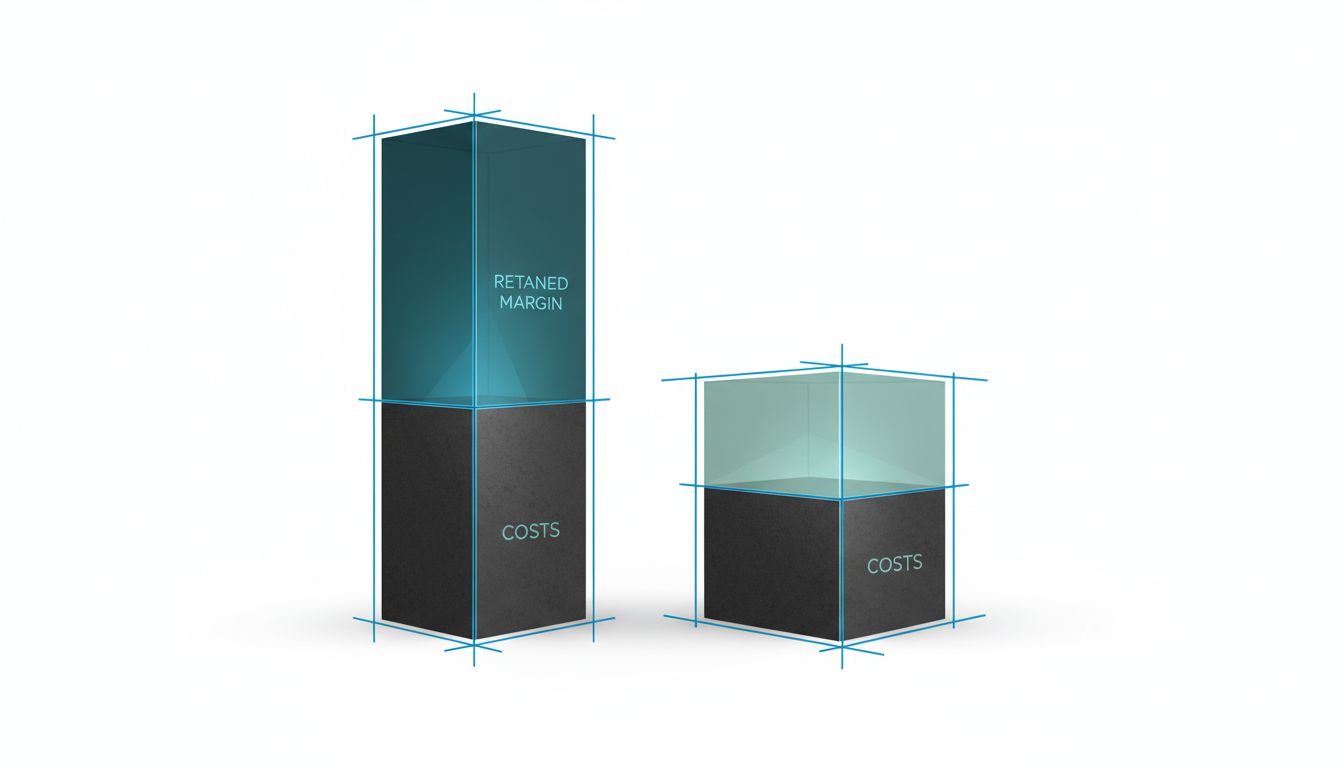
The most common mistake is the reactive discount. A salesperson, facing a prospect who mentions the free competitor, cuts 20 percent to close the deal. This feels like a win, and by short-term metrics it is. But it creates several lasting problems.
First, word travels. Buyers talk, and once it becomes known that you’ll discount when pushed, your list price stops functioning as a price and becomes an opening bid. Second, the customer you acquired at a discount entered the relationship with a distorted sense of your value. Renewals become harder. Expansion revenue suffers. Third, you’ve signaled to your own team that the product isn’t worth what you said it was.
The better response when a free competitor comes up in a sales conversation is to treat it as a clarifying question. “What does your team need to do that the free tool can’t support?” If the honest answer is “nothing,” they should use the free tool. If there’s a real answer, you’ve just found the value proposition you should have been leading with.
Pricing as a Long-Term Statement
The companies that hold their prices when a competitor goes free aren’t being stubborn. They’re making a bet that their customers are buying something more than feature access, and that the price itself is part of the product’s promise.
This bet pays off more often than intuition suggests. The free competitor is often making a different bet: that volume and data will eventually monetize. Sometimes it does. More often, the product quality degrades, support disappears, or a monetization attempt alienates the users they spent years acquiring. Paid customers who stayed with you didn’t go through that experience.
A free competitor changes your market. It doesn’t automatically change your value. The distinction matters enormously for how you respond.