The Call Nobody Wants to Make
In 2008, 37signals (now Basecamp) was doing something that looked insane from the outside. They had customers who wanted custom feature development, who were willing to pay serious money for it, and Jason Fried kept saying no. Not politely redirecting them. Actually saying no, and in some cases ending the relationship entirely. The company was small. The revenue was real. And Fried’s position was that taking that money would kill the product.
He was right.
This pattern shows up more often than startup mythology admits. A company lands a whale, the whale starts dictating direction, and slowly the product becomes a custom-built solution for one client dressed up as a general product. The founders rationalize it. The team builds for it. And the original vision quietly dies.
Firing that customer, or never taking their terms in the first place, is one of the hardest calls in early-stage company building. It’s also, in specific circumstances, the correct one.
What a Dominant Customer Actually Does to Your Roadmap
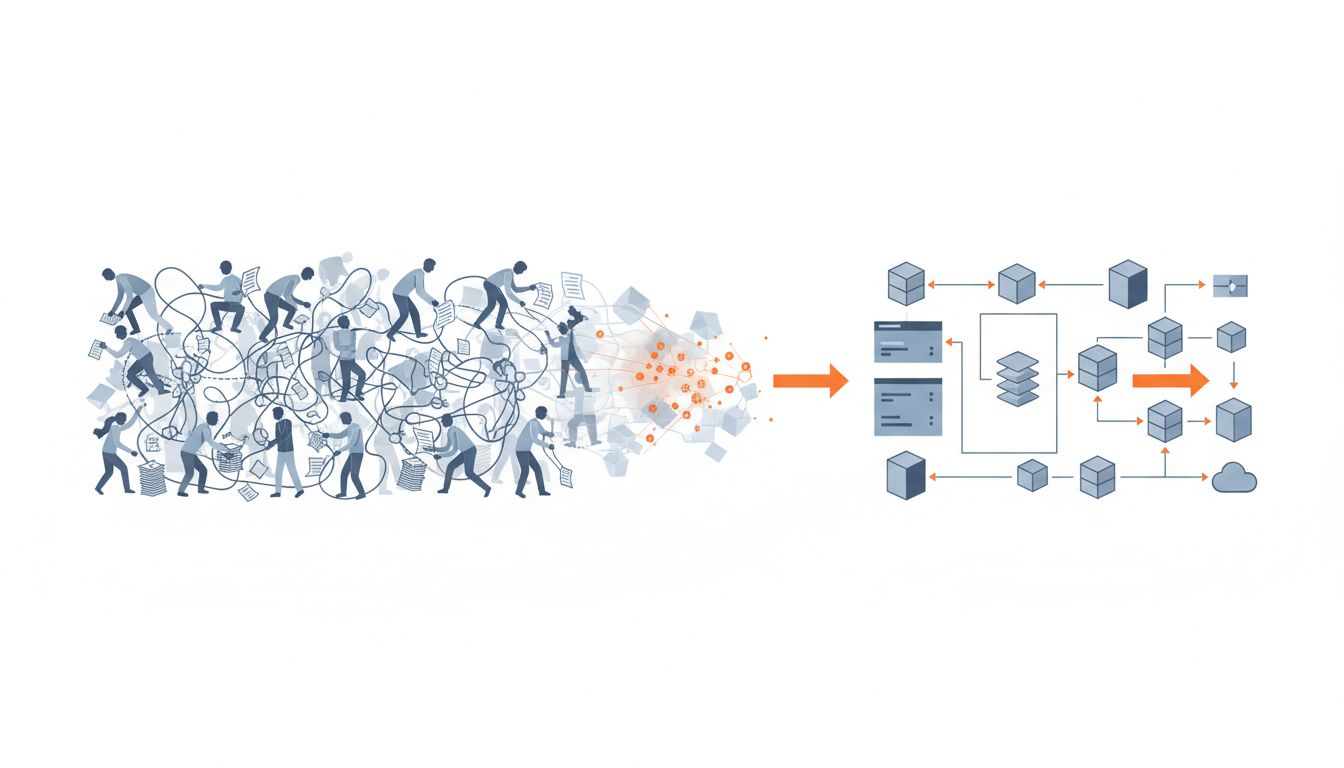
When a single customer represents 40 percent or more of your revenue, they don’t just have opinions. They have gravity. Every roadmap conversation tilts toward their requests. Every sales call involves explaining why a feature exists that only matters to one specific enterprise workflow. Engineers end up building for edge cases that aren’t edges for anyone else.
The subtler damage is what it does to your sales motion. Your product starts accumulating debt that isn’t technical, it’s commercial. You’ve built for a customer profile that other buyers don’t fit. Your case studies feature capabilities that prospects don’t need. Your pricing reflects the complexity that big customer demanded.
The practical result: you stop being a product company and start being a consulting firm that hasn’t admitted it yet. Consulting firms can be good businesses. But they don’t scale like products, they don’t attract the same investors, and they rarely produce the kind of exit founders are building toward.

Why This Feels Impossible in the Moment
I’ve talked to founders who knew, clearly and consciously, that their biggest customer was pulling them in the wrong direction. They knew it the way you know you’ve been at a job too long. The logic was obvious. The exit was not.
The financial dependency is the obvious part. If that customer leaves and you haven’t replaced the revenue, you have weeks of runway, not months. But there’s a psychological dimension that’s harder to talk about. That customer validated you early. They took a bet on you when you were nobody. Walking away from them feels like ingratitude, or worse, like admitting the relationship wasn’t working.
There’s also the staff problem. The engineers who built those custom features, the account managers whose entire job is that relationship, the sales team that points to that logo on the website: they all have professional stakes in keeping things exactly as they are. Firing the big customer is an internal political act as much as an external business one.
The Mechanics of Actually Doing It
The companies that get this right don’t usually make a dramatic break. They make a series of smaller decisions that add up to the same outcome.
The first move is almost always pricing. If a customer is consuming disproportionate resources and paying rates that made sense two years ago, raising their price is both fair and clarifying. Some will leave. Some will pay. The ones who pay at market rate are suddenly much less of a problem. The ones who leave take the misaligned relationship with them.
The second move is drawing a hard line around the roadmap. This is where founders have to be honest with themselves about what their product is for. Basecamp’s clarity here wasn’t philosophical posturing. It was strategic. By being explicit that they built for small teams and wouldn’t add enterprise features, they made the selection problem easier. The wrong customers self-selected out.
The third move, the actual conversation, works best when you frame it accurately. You’re not firing them because they’re a bad customer. You’re acknowledging that you can no longer serve them at the level they need. Pointing them toward competitors who are genuinely better fits for their use case is something most customers respect more than founders expect. As the article on admitting what you can’t do gets at, honesty about your limits tends to earn more goodwill than most people predict.
When It Actually Accelerates Growth
The mechanism by which this produces growth isn’t mysterious once you see it. The dominant customer was occupying space: on the roadmap, in the sales deck, in the minds of the team. When they’re gone, that space fills with work that serves a broader customer profile.
HubSpot built their original product for small and medium businesses and were pretty explicit about not chasing enterprise deals in their early years. The focus meant they could make product decisions faster, their support model scaled more cleanly, and their marketing could speak directly to a customer who actually existed in quantity. They weren’t turning away enterprise revenue because they were naive. They were protecting the conditions that made rapid growth possible.
The same dynamic played out at Mailchimp. For years they turned away customers whose sending volumes and custom requirements pushed them outside the product’s natural fit. The result was a product that got genuinely better for the customers it was designed for, which made acquisition cheaper and retention higher.
None of this means losing a big customer doesn’t hurt. It does. You feel it in the numbers for a quarter, sometimes two. What changes is what you’re building toward. The roadmap starts pulling in one direction again. The team has a clear answer to the question of who they’re building for. And because your first customers are often wrong fits anyway, the earlier you make this correction, the cheaper it is.
The Diagnostic: Is Your Big Customer Helping or Capturing You?
Not every large customer is a trap. Some enterprises are genuinely good early adopters who push a product in directions that make it better for everyone. The question is which kind you have.
A few signals that it’s the bad kind: their feature requests never overlap with what other customers ask for. Your team spends more time on their support tickets than on product work. Your pricing page has asterisks that exist because of their contract. New prospects ask about your product and you spend half the demo explaining why a certain feature works the way it does.
A signal that it’s the good kind: when you ship something for them, two other customers immediately ask for the same thing. Their complaints surface real product gaps rather than idiosyncratic preferences. They push you toward enterprise-readiness (security, compliance, audit logs) rather than toward features that only matter for their internal workflow.
The distinction matters because the decision isn’t always to fire them. Sometimes the right answer is to let their demands shape the product, as long as their demands represent a real market. The problem is when they represent a market of one.
What This Actually Means
The startup world has a complicated relationship with revenue concentration. Investors will tell you in the same breath that you need to grow fast and that having one customer over 25 percent of revenue is a red flag. Both of those things are true and they create genuine tension.
Resolution comes from being honest about what kind of company you’re building. If you’re building a product, customer concentration is a structural problem that compounds over time. If you’re building a services business, it’s a different conversation.
For product companies, the calculus around firing a dominant customer is actually pretty simple once you strip away the fear. You are choosing between certain short-term pain and likely long-term drift. The companies that grow fastest are usually the ones that made this trade-off early and cleanly, before the relationship became load-bearing in ways that made it impossible to exit.
The goal isn’t to be cavalier about revenue. It’s to be clear-eyed about what revenue is costing you, not just in direct terms but in the shape it gives to your product and your team. Sometimes the best thing for growth is a clean, well-handled exit from the relationship that’s been quietly defining you.