
Every major software product you use today is roughly an iceberg. What you see on screen, the buttons, the menus, the workflows, represents maybe 20 percent of what engineers actually built. The rest sits in version-controlled repositories, partially finished or fully complete, waiting for a release date that will probably never come. This is not waste. It is, in most cases, a deliberate engineering and business strategy that reveals something important about how the technology industry actually works.
This pattern connects directly to a broader set of counterintuitive decisions that define how tech companies operate. As we’ve explored in pieces like Tech Companies Deliberately Delay Products That Are Ready to Ship, the gap between “done” and “released” is often engineered on purpose, not the result of organizational dysfunction.
The Strategic Optionality of Unfinished Features
The most straightforward reason to build something you don’t release is optionality. Software features are expensive to build but relatively cheap to maintain once they exist. A feature sitting dormant in a codebase costs almost nothing to keep around. A feature that needs to be built from scratch when a competitor announces something similar costs weeks of sprint cycles, rushed architecture decisions, and elevated bug risk.
Google is the canonical example here. The company is famous for maintaining large internal codebases of features that never ship. Some of these eventually become products (Google Maps began as an internal acquisition that sat largely unused for months). Others serve as competitive deterrents, the mere knowledge that Google could ship something fast keeps rivals from investing in that space.
Microsoft does the same thing. Internal builds of Windows and Office routinely contain features that are toggled off for public releases, sometimes for years. When a competitor makes a move, those features can be activated, tested, and staged for rollout in weeks rather than quarters.
Building Features to Learn, Not to Ship
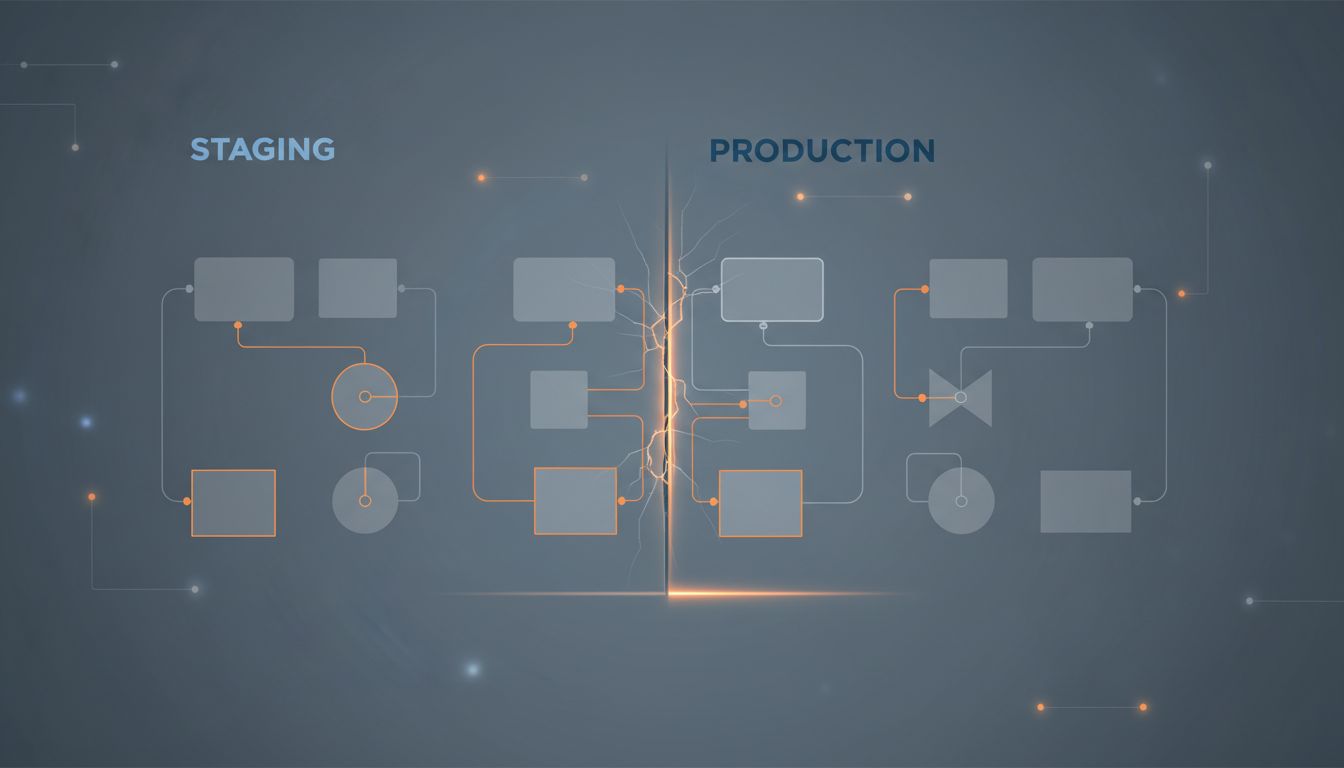
There is a second category of unreleased features that serves an almost purely educational purpose. Engineers build them to understand how a problem actually behaves inside a production environment, not a staging server, not a test suite, but the real thing with real data and real scale.
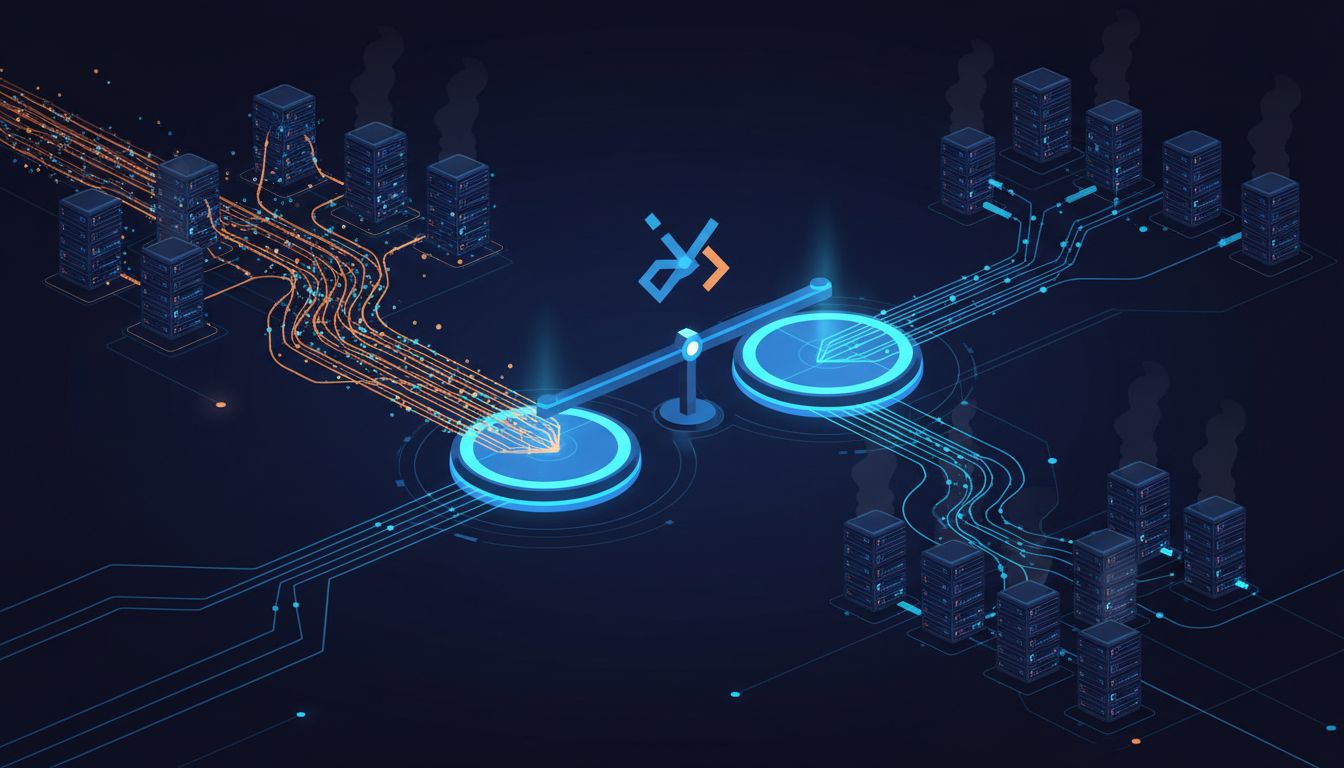
This is particularly common in AI and machine learning contexts. A team might build a recommendation algorithm, deploy it to one percent of traffic, observe its behavior for a quarter, and then quietly retire it without ever announcing it existed. The feature itself was never the point. The infrastructure patterns, the failure modes, the unexpected latency spikes, those are the output. As covered in Most Revolutionary Software Features Were Discovered by Accident, some of the most important technical breakthroughs come precisely from building things that weren’t intended to succeed.
This approach also shows up in how companies handle regulatory uncertainty. A company operating in multiple jurisdictions might build three versions of a privacy feature, one for GDPR markets, one for CCPA, one for anticipated future regulations in markets that haven’t passed laws yet. Two of those versions might never activate. But when regulation changes faster than expected, which it often does, you don’t want to be the company that needs six months to build compliance infrastructure from scratch.
The Patent and Intellectual Property Angle
Here is a dimension most people don’t consider: building a feature you never intend to ship can be a way to establish prior art or secure a patent position. If you’ve built a working implementation of something, your legal team has a much stronger foundation for a patent application or a prior-art defense.
The Most Valuable Tech Patents Protect Ideas That Sound Completely Obvious covers how intellectual property strategy in tech often looks absurd from the outside while being coldly rational on the inside. The same logic applies here. A feature that exists only as internal code and documentation can still anchor a patent that blocks competitors from building something similar for years.
Apple is particularly disciplined about this. The company files patents on features long before they appear in products, sometimes features that never appear at all. The engineering work required to produce a credible patent application is often indistinguishable from building the feature for real. In many cases, it is building the feature for real.
The Platform Signaling Effect
Some unreleased features are built specifically to be discovered. This sounds paradoxical but it is a real and practiced strategy.
When developers inspect an API, analyze a firmware update, or examine a beta release, they frequently find references to features that don’t yet exist. These breadcrumbs shape developer behavior. If a platform’s code suggests that a certain capability is coming, third-party developers start building toward it. They make architectural decisions that assume the feature will exist. By the time the platform company decides whether to actually ship it, they’ve already influenced the ecosystem without spending a dollar on marketing.
Apple’s App Store history is full of examples. Framework references that appeared in iOS betas years before the actual features launched. Interface constants pointing to hardware capabilities that wouldn’t ship for two product cycles. Whether deliberate or not, the effect was the same: developers built for a future that Apple had quietly pre-announced in code.
This connects to how the most valuable startups solve problems that don’t exist yet. Platforms that signal their future capabilities effectively create markets before those markets technically exist.
The Cost Nobody Talks About
None of this is free. Unreleased features accumulate technical debt. They require maintenance when underlying systems change. They create confusion for engineers who join a team and encounter large sections of codebase they can’t trace to any live product. There is a reason why senior engineers delete more code than they write, and a significant chunk of what gets deleted is the graveyard of features that served their strategic purpose and outlived their usefulness.
The best engineering organizations are deliberate about this. They build features with explicit decisions attached: this is a competitive option (review annually), this is regulatory insurance (review when law changes), this is a platform signal (retire after next SDK release). The worst organizations accumulate unreleased features the way a garage accumulates boxes, no system, no review process, just growing mass.
The feature you never ship is a tool. Like any tool, its value depends entirely on whether you know why you built it in the first place.