
The simple version
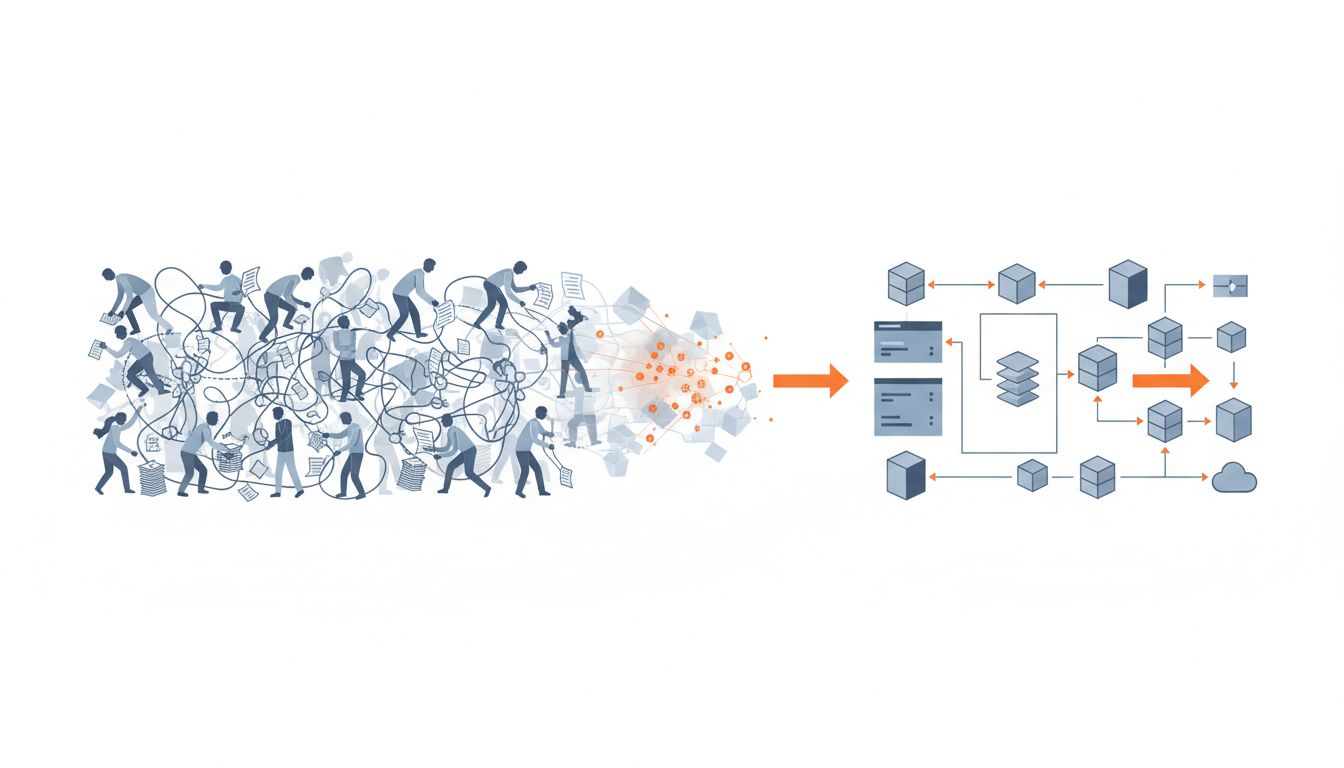
The first company into a market does the expensive, painful work of proving the idea. The second company watches, learns, and builds a better version with half the risk.
The pioneer tax is real
Picture a founder in 2005 trying to sell cloud storage to small businesses. Every sales call starts from zero. What’s the cloud? Why should I trust my files to a server I can’t see? Why would I pay monthly instead of just buying a hard drive? That founder isn’t closing deals. They’re giving free seminars.
This is what people in venture capital sometimes call the pioneer tax. The first company into a market doesn’t just build a product. They build the category. They write the explainer content, fund the analyst reports, train the first wave of customers, and absorb all the early-adopter churn when the product inevitably falls short of what it promised. That’s expensive in money, time, and team morale.
The second company arrives after the category exists. Customers already understand the problem. They’ve often already tried the first solution and have a specific, articulable list of complaints. The second founder doesn’t have to convince anyone that cloud storage is real. They just have to convince them their version is better.
The learning asymmetry
Here’s the part that should bother first movers more than it usually does: the second company learns from your mistakes for free.
Your product reviews are public. Your support tickets get leaked or guessed at. Your churned customers will take a meeting with anyone. Your pricing is visible. Every decision you made under conditions of maximum uncertainty, the second founder gets to evaluate with the benefit of hindsight.
This creates a brutal information asymmetry. The pioneer makes decisions blind. The follower makes decisions with a case study in hand. When Google entered the search market, AltaVista and Yahoo had already demonstrated that people would use a search engine as their default internet starting point. Google didn’t have to prove the category. They just had to be clearly better at the thing the category was supposed to do. When Facebook launched, MySpace had already proven that tens of millions of people would use a social network and tell it personal information. Facebook inherited that proof and avoided most of the chaos MySpace created by scaling too fast on top of an architecture nobody had thought through.
Timing matters more than being first
There’s a version of this argument that sounds like “just wait and copy.” That’s not what the data shows, and it’s not what smart second movers actually do.
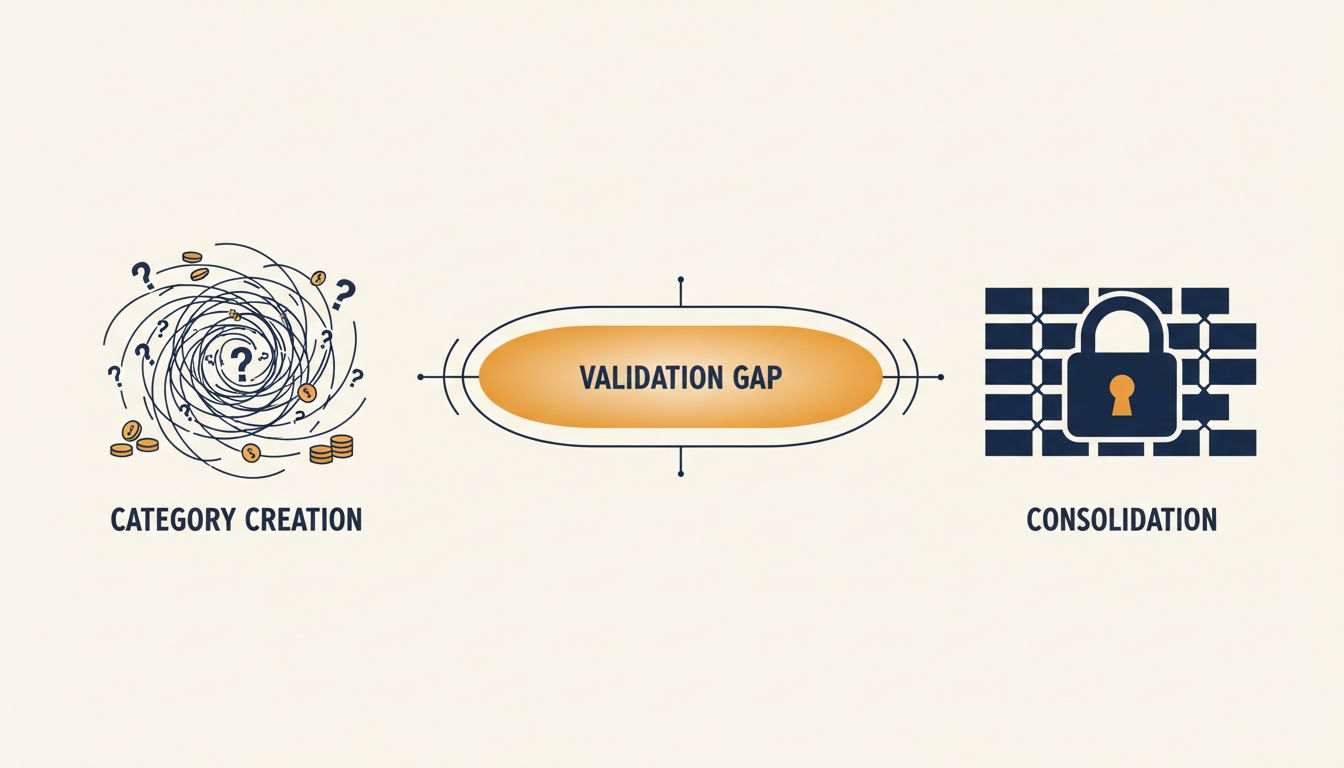
The window matters. Too early and you’re still paying half the pioneer tax. Too late and network effects or switching costs have locked customers in. The sweet spot is what you might call the validation gap: the period after early adopters have proven the concept but before mainstream customers have committed to a vendor.
During the validation gap, the market exists but it hasn’t consolidated. The first mover’s product has real customers but also real complaints. The second company can enter with a refined product, target the first mover’s dissatisfied customers, and grow without the friction of category creation.
This is roughly what Slack did to HipChat. HipChat had been selling team messaging to enterprise customers for years and had demonstrated genuine demand. Slack entered with a cleaner product and a bottoms-up distribution model that HipChat had never tried. HipChat had proven the market. Slack won it.
When first-mover advantage is actually real
None of this means being first is always bad. First-mover advantage is real in specific, narrow conditions.
Network effects are the main one. If your product gets more valuable as more people use it, and you can grow fast enough to reach a defensible scale before a second company enters, you have a real structural advantage. This is why WhatsApp was nearly impossible to displace in markets where it reached saturation. The product itself wasn’t obviously superior to every alternative. The network was.
High switching costs create similar dynamics. If a customer has spent months integrating your software into their workflow, trained their team on it, and migrated their historical data, they’re not leaving for a marginally better product. Enterprise software companies have exploited this for decades.
But most startups don’t have genuine network effects in the early stages. Most don’t create switching costs until they’ve already won. In the absence of those structural defenses, the pioneer’s advantages are mostly symbolic and mostly temporary.
What this means if you’re building
If you’re the first mover, your job is to build defensibility before the second company shows up. That means acquiring data advantages that can’t be replicated, building network effects into the product deliberately (not accidentally), and locking in your best customers with contracts, integrations, or relationships before a better-resourced competitor arrives with your own roadmap.
If you’re the second mover, your advantage is real but it expires. You have a window. Use the pioneer’s track record to understand exactly what customers hate, build the version that addresses those specific complaints, and move fast enough that the first company can’t iterate their way out of the hole before you’ve taken their lunch.
The startup mythology around being first, around the heroics of “blazing the trail,” sells well in pitch decks. It holds up less well in outcomes data. Most of the markets we now associate with dominant companies were proven by someone else first. The companies we remember just happened to arrive at the right moment, with the right product, to collect on someone else’s investment in the idea.
As the pattern shows across tech, the pioneer often ends up funding their own competition.