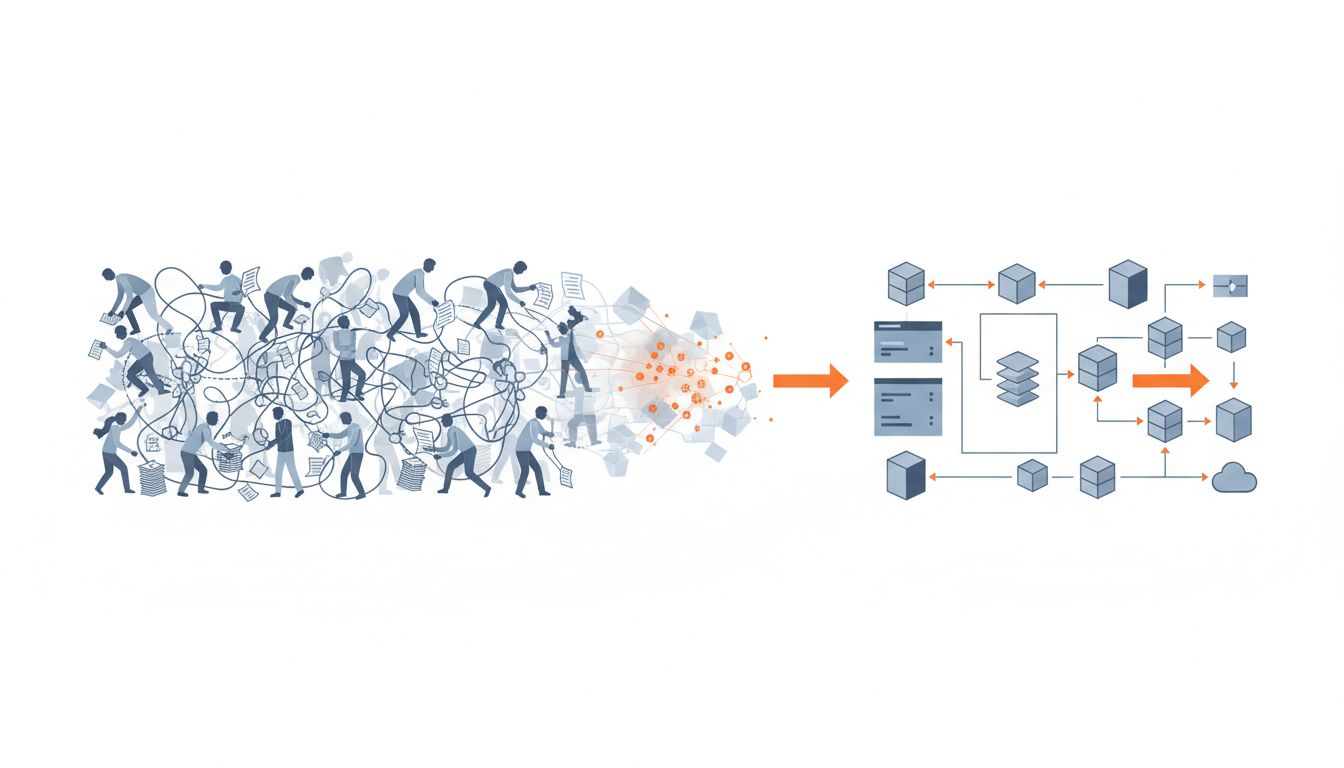

The simple version
Your first startup is hard because you don’t know what you’re doing. Your second startup is harder because you think you do.
The mythology of the serial founder
Picture the pitch meeting. A founder walks in and drops their track record on the table. Previous exit. Pattern recognition. Been through the fire. Investors lean forward. The narrative writes itself: this person already paid the tuition, now they’re cashing in on the lessons.
It’s a compelling story. It’s also mostly wrong.
Serial founders do have real advantages. They have networks, credibility, and a working knowledge of how to recruit, close deals, and navigate term sheets. Those things matter. But the startup world has a strange way of making prior experience a trap as often as it’s an asset, and the founders who walk into company number two with the most confidence are often the ones who stumble hardest.
The confidence problem
First-time founders are, almost by definition, ignorant of how badly things can go. They don’t know that their pricing model is probably wrong, that their first big customer might be the wrong customer, that hiring fast feels like progress but usually isn’t. This ignorance creates a kind of accidental humility. They ask questions. They iterate frantically. They’re too uncertain to get attached to any single thesis.
The second-time founder has seen a movie before. Not the same movie, but a movie. And the brain, being the pattern-matching organ it is, assumes the sequel will follow familiar beats.
So they move faster on decisions that deserve more scrutiny. They trust their read on the market before the market has said much. They skip the uncomfortable early conversations with potential customers because they already know what customers want. The confidence that investors pay a premium for is the same confidence that kills companies in the first eighteen months.
This isn’t speculation. Talk to investors who back repeat founders at the seed stage and they’ll tell you: the failure modes are different, but the failure rate is similar. Speed and conviction, the traits that get celebrated in retrospect, are genuinely dangerous when they’re premature.
The success hangover
If the first startup failed, the second one carries the psychological weight of that failure, which is its own problem. But if the first startup succeeded, something subtler and more corrosive happens.
Success teaches you the wrong lessons.
When something works, humans are wired to attribute it to skill. The timing that happened to be perfect, the competitor who stumbled, the early hire who turned out to be exceptional and left after two years: all of that gets collapsed into a story about founder judgment. Then the founder tries to repeat it.
Kevin Systrom and Mike Krieger pivoted Burbn into Instagram. That story is told as a clean, rational decision. What it actually was is a team working in a moment, with specific users, in a specific market window, making a call that happened to be right. The lesson isn’t “pivot to the core feature.” The lesson is much messier than that, and much harder to replicate.
Successful founders often try to compress the learning curve on the second company, treating their previous insights as portable. Some of them are. Most of them aren’t. Markets are specific. Timing is specific. Team chemistry is specific. The abstracted lesson is usually too blunt to be useful.
What actually transfers (and what doesn’t)
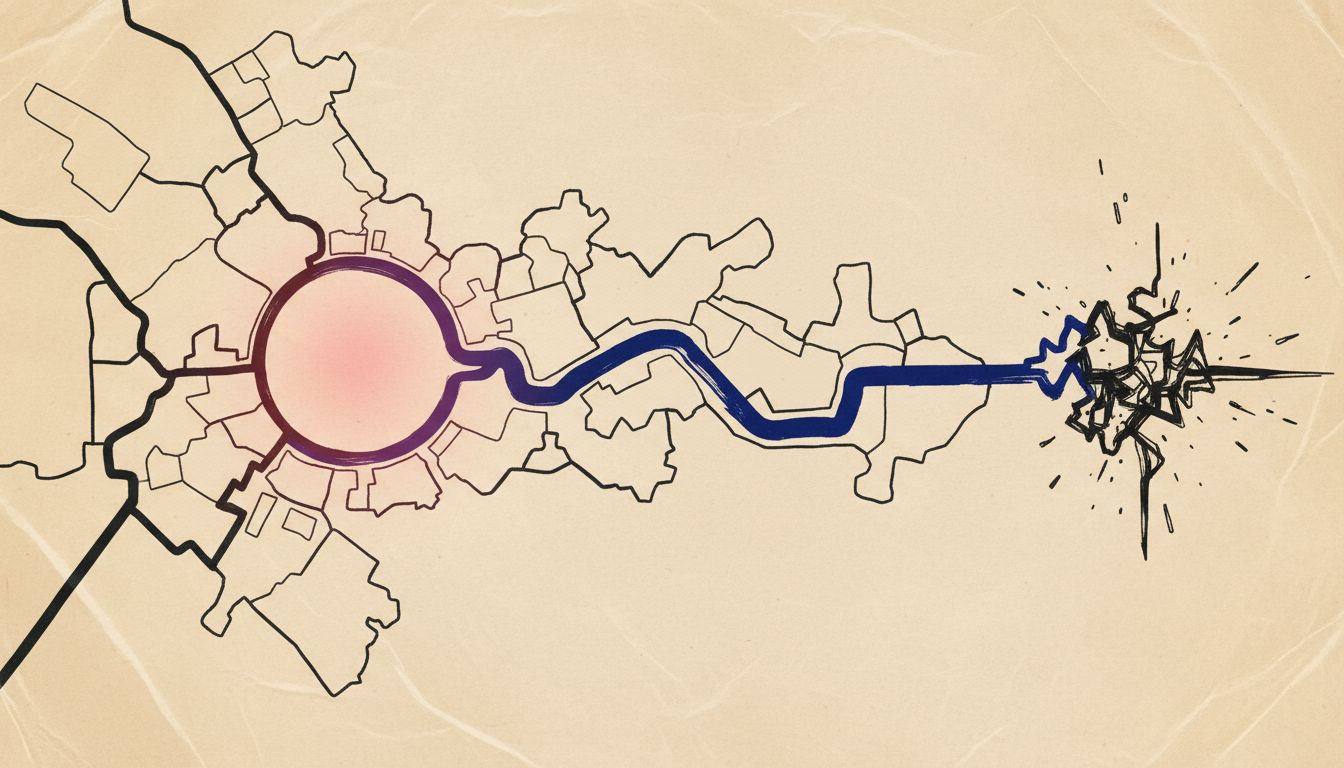
The things that genuinely transfer from company one to company two are mostly operational. How to structure a cap table. How to interview engineers. How to read a term sheet. How to have hard conversations with co-founders before they become irreparable rifts. When to slow hiring. These are real and valuable.
What doesn’t transfer: your read on the customer, your product intuition for a new space, your assumptions about what “obvious” looks like in a different market. These have to be rebuilt from scratch every time, through the same unglamorous process of talking to people, being wrong, and adjusting.
The founders who do best the second time are the ones who treat the new company as genuinely new. They use their operational experience to move faster on execution, and they stay deliberately slow and uncertain on everything that touches the market and the product until the evidence is actually there. They’re hard to find because they don’t make great pitch meeting theater. They say things like “we’re still figuring out the customer” six months in, and that sounds, to an outside observer, like weakness.
It isn’t. It’s the thing that first-time founders do by accident and second-time founders have to do on purpose.
The expectation trap
There’s one more thing that makes the second company harder, and it has nothing to do with the founder’s psychology. It has to do with everyone else’s.
Investors who back serial founders often have higher expectations on shorter timelines. The implicit deal is: you already learned the hard stuff, so this one should be faster. Which means less tolerance for the messy exploratory phase that every early-stage company needs. Which means pressure to show traction before the company has found what it’s actually doing.
The startups that scale fastest stayed small longest because they didn’t skip the part where they figured out what they were building. Serial founders are often pushed, by their own confidence and by investor expectations, to skip exactly that part.
The first company, nobody expected much. The pressure was mostly internal. The second company, the room has opinions.
None of this means the second startup is a bad idea. It means the advantage is narrower and more specific than the mythology suggests. The founders who get the most out of their prior experience are the ones who are honest about what they actually learned, careful about what they think they know, and willing to look like beginners again in the places where they are.
That’s harder than it sounds when you’ve already proven yourself once.