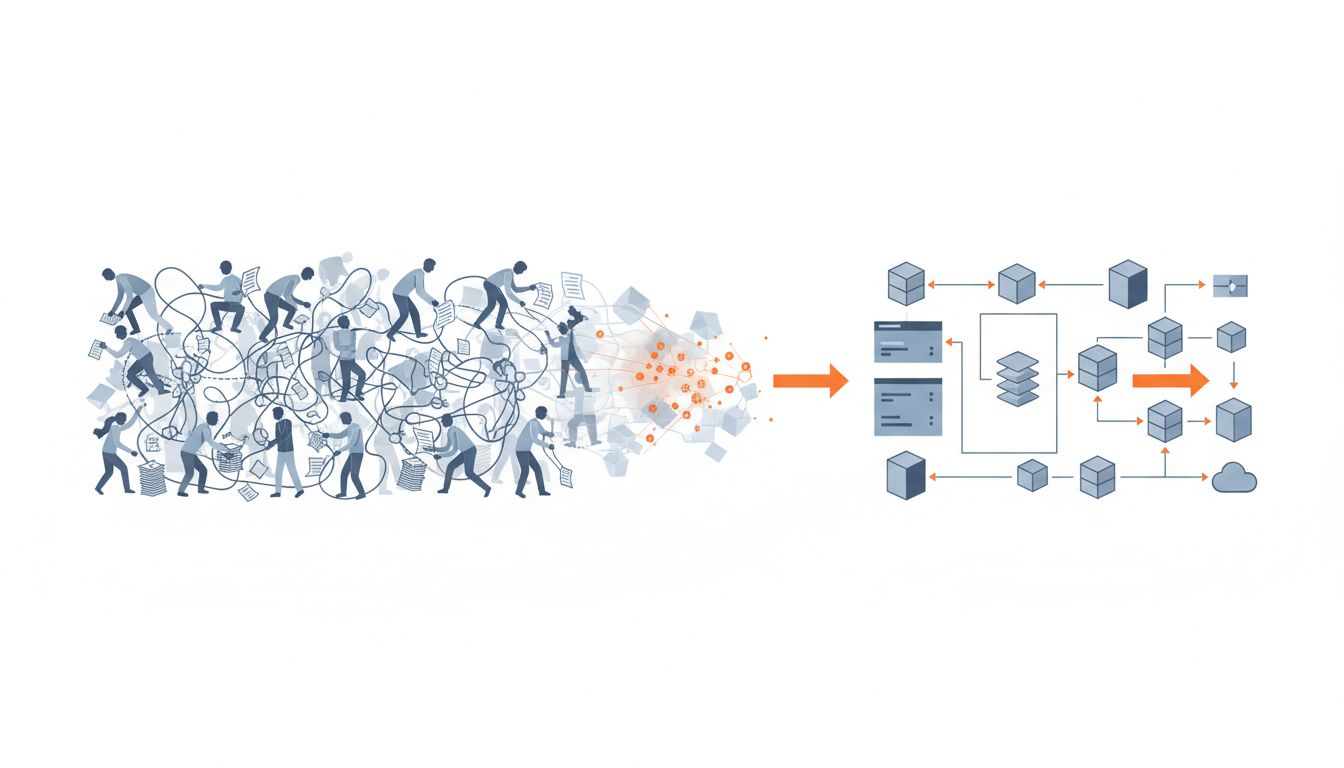
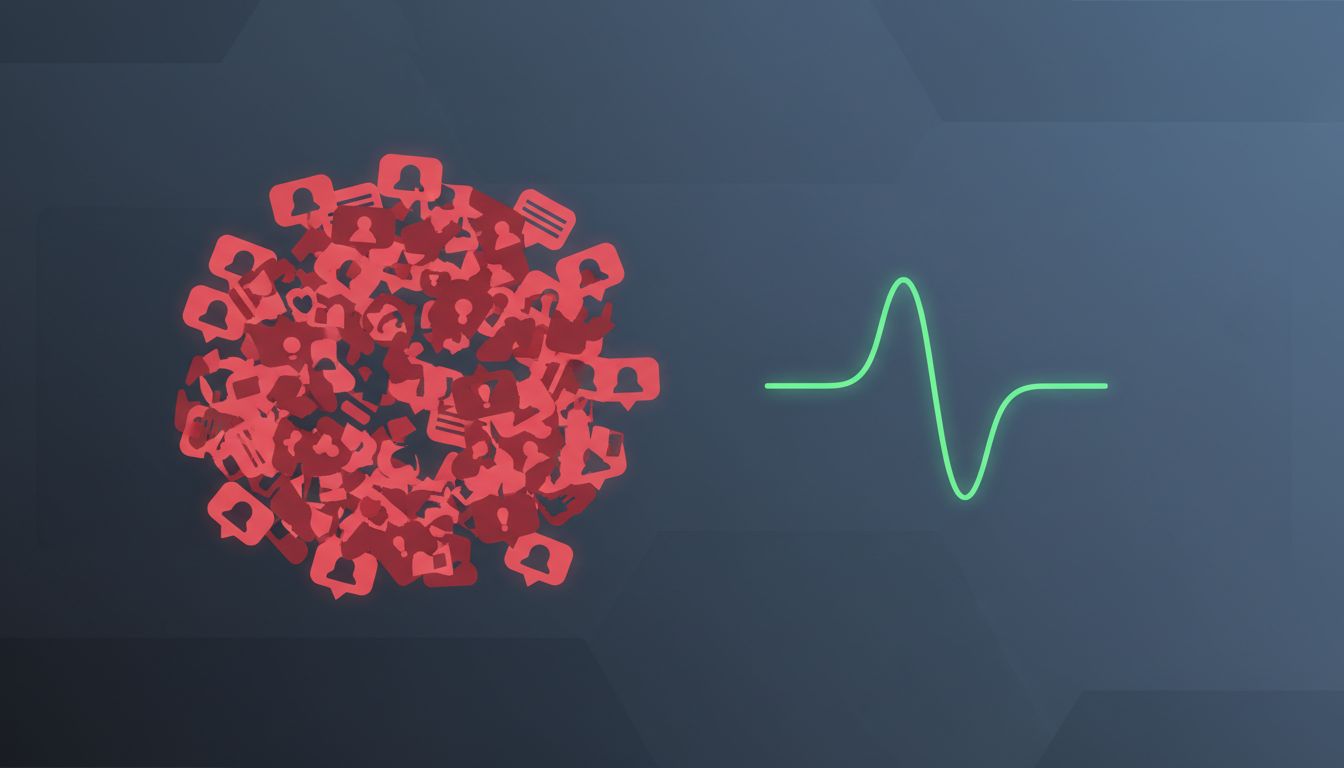
A founder I know spent eighteen months obsessing over churn. Every week, a call with a churned customer. Every month, a post-mortem on cancellations. His product roadmap was basically a transcript of complaints. The product got better at the margins. Churn barely moved. What he never did, not once in those eighteen months, was call a customer who had been quietly paying full price for two years without ever filing a support ticket.
That silent customer is where your real product is hiding.
The Loudest Signal Is Usually the Wrong One
Founders are trained to respond to friction. A customer yells, you jump. A ticket spikes, you prioritize. This is understandable instinct and it is almost always misdirected energy. The customers who generate noise are, by definition, the ones whose needs are furthest from what you built. You can learn from them. But you should not let them drive the roadmap.
The customers who never complain are often the ones who have quietly bent their workflow around your product, found the combination of features that actually solves their problem, and integrated you deeply enough that switching would cost real money and time. They are your best evidence of product-market fit, and they are functionally invisible in most analytics dashboards because they produce no events worth tracking.
This is the thing the loudest customer in your inbox teaches you, if you pay attention: volume of feedback is inversely correlated with fit. The customers most aligned with your product rarely need to tell you anything.
What Silence Actually Means
There is a version of silent customers that is genuinely alarming: users who have disengaged but haven’t cancelled yet. You need to distinguish those from the ones who are silent because everything is working.
The signal is in the usage pattern, not the absence of tickets. A customer who logs in daily, exports data regularly, and has added two team members is not disengaged. They are just satisfied. A customer who logs in monthly and hasn’t touched a core feature in ninety days is a different kind of quiet.
Once you can separate those two cohorts, the satisfied-and-silent group becomes one of the most valuable research assets you have. They can tell you things no churn analysis can: what problem your product actually solves (which may not be what you think it solves), what workflow it fits into, what they would tell a colleague if recommending it. That last question almost always produces better positioning copy than anything a marketing consultant will write for you.
The Interview You Are Not Doing
Most founders do some version of user research. They talk to prospects, they debrief churned accounts, occasionally they’ll ask a customer for a testimonial. Almost nobody runs a structured program for interviewing their happiest, quietest, longest-tenured customers.
The format for these conversations does not need to be complicated. Ask how they found you, what they were using before, what the moment was when the product clicked, what they would do if you disappeared tomorrow. That last question is the most useful one in the set. Customers who give vague answers probably aren’t as embedded as you think. Customers who describe a specific, somewhat painful-sounding workaround they would have to implement if you went away are telling you exactly where your defensibility lives.
You will also learn, in these conversations, which of your features matter and which are furniture. Founders consistently overestimate the importance of features they worked hard to build. The silent satisfied customer will describe using two or three things you almost cut in the last roadmap prioritization meeting, and never mention the dashboard redesign that consumed an entire quarter.
The Referral You Forgot to Ask For
Happy, quiet customers have one other property that makes them worth your time: they tend to have already referred people without telling you. They mentioned your product to someone at a conference, forwarded a link to a colleague, copied in their manager on a result they got from your tool. Those referrals exist in the world but are invisible to you unless you ask.
When you do ask, most of them will tell you they assumed you already knew. They figured their colleague must have signed up. This is fixable with a single direct question, and the answer is usually worth more than any referral program you could design. A warm introduction from a deeply satisfied customer closes at a rate that no outbound sequence can match.
The broader point is that founders spend enormous effort trying to generate acquisition through channels that are adversarial by nature (cold outreach, paid ads, SEO content that competes for attention) while sitting on a pool of customers who are already advocates and have never been asked to do anything. That asymmetry is not a strategic choice. It is just inertia.
Attention Is a Bet
Every hour you spend on a churned customer is an hour you are not spending on the customers who have already voted with their credit card and their silence. I am not arguing that churn doesn’t matter. It does. But the composition of your attention shapes the product you build, and a product built around your most dissatisfied customers is a product in a permanent defensive crouch.
The founders who build durable companies tend to have a clear, almost obsessive understanding of their best customers. Not their average customers, not the squeaky wheels, the specific people or companies who derive the most value and have done so consistently over time. That understanding lets them make roadmap decisions from a position of clarity rather than anxiety.
Find two or three of those customers this week. Not to ask them for a case study or a review. Just to ask them what is working. You will learn more in those calls than in the next six months of ticket analysis.