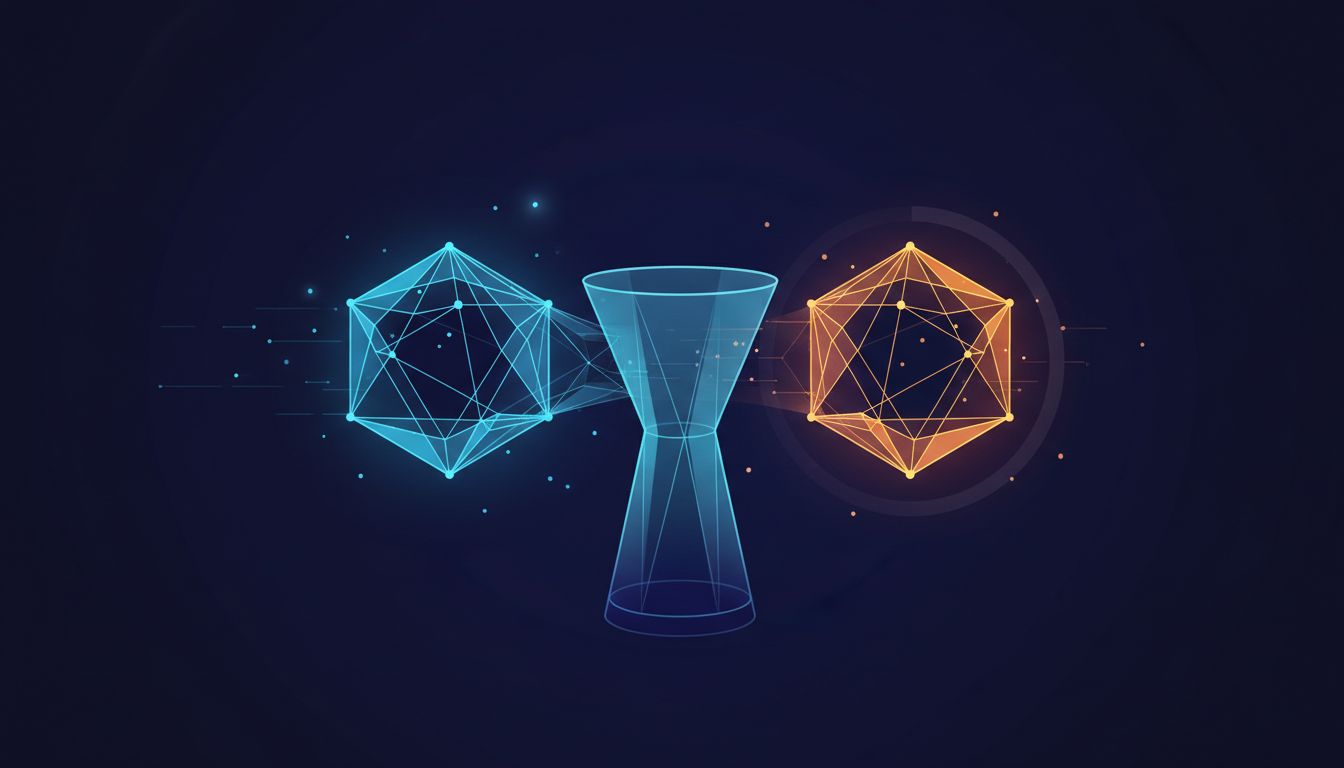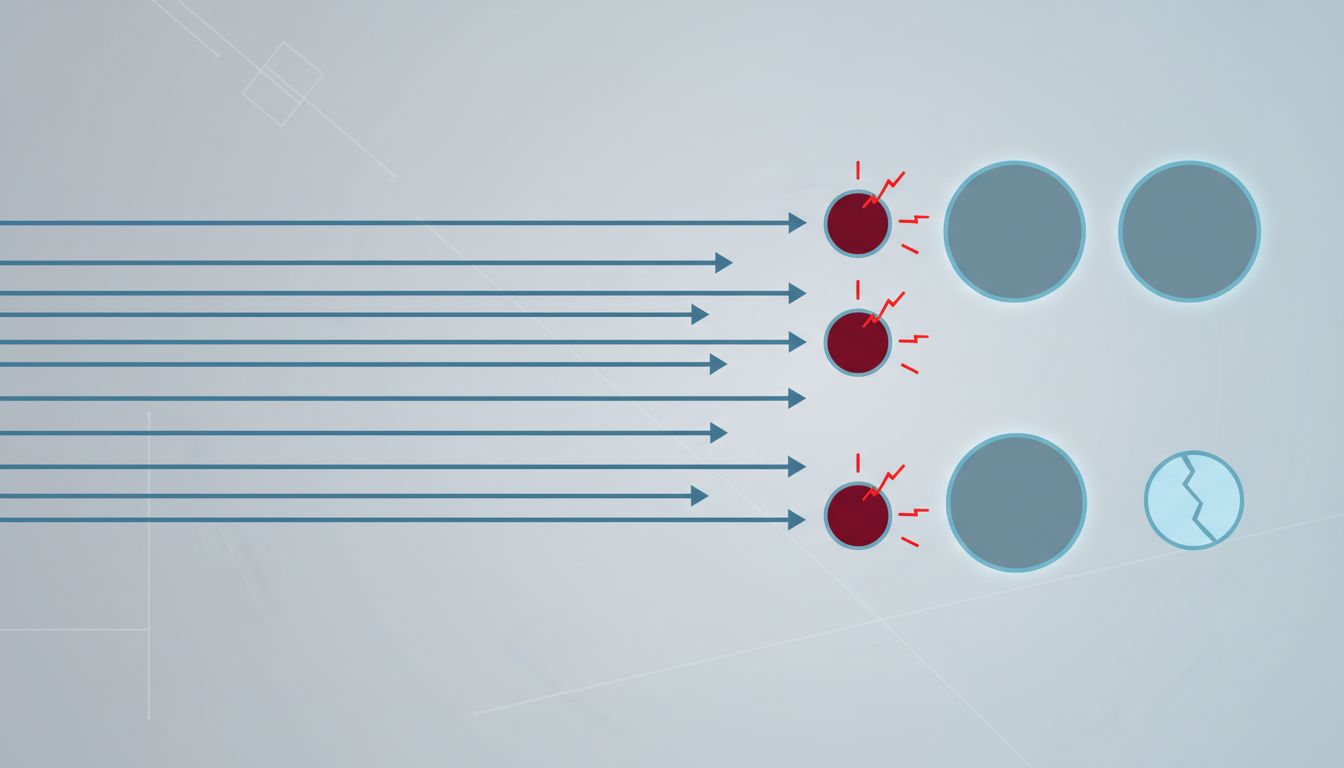
There is a moment familiar to nearly every knowledge worker: a progress bar crawls across the screen, the laptop fan spins up, and the machine becomes temporarily unusable. Most people treat this as dead time. They check their phone, refill their coffee, or stare at the ceiling in mild frustration. But a growing body of research on cognitive rest, attention cycles, and default-mode brain function suggests something more interesting is happening. The software update is not stealing your productivity. In many cases, it is creating it.
This is counterintuitive enough to be worth examining closely. We live in an era built around the assumption that more screen time equals more output. Yet the neuroscience points the other way. Studies from the University of California, Santa Barbara found that mind-wandering during breaks from focused work improved performance on creative problem-solving tasks by as much as 40 percent compared to groups that either kept working or rested with a blank mind. The forced interruption of a system update, it turns out, may be one of the last reliable mechanisms that pulls a knowledge worker away from the screen entirely, and that matters more than most productivity frameworks acknowledge. Consider also that multitasking apps are scientifically designed to make you fail, which means the software environment you work inside is, by design, engineered to keep your attention fragmented. The update window is one of the few moments that environment simply stops.
What the Brain Does When the Screen Goes Dark
The default mode network (DMN) is a set of brain regions that activates when a person is not focused on an external task. For decades, researchers considered this network a kind of neural idle state, a sign that the brain was doing nothing useful. That interpretation has been largely overturned. The DMN is now understood to be responsible for mental simulation, autobiographical memory consolidation, and what psychologists call “prospective cognition,” or the ability to mentally rehearse future scenarios.
In plain terms, the DMN is where you connect dots. It is where a half-formed idea from a morning meeting gets linked to a problem you have been stuck on for three days. This network cannot activate properly when you are staring at a screen and processing new information. It requires a withdrawal from active, goal-directed attention. A software update, which typically lasts between two and fifteen minutes, falls almost precisely within the time window researchers associate with productive mind-wandering. Sessions shorter than 90 seconds tend to be too brief for meaningful DMN engagement. Sessions longer than 20 minutes risk tipping into unfocused rumination. The update window, unintentionally, lands in the sweet spot.
The Attention Economy Has No Off Switch (Except This One)
The broader context here is worth spelling out. Digital tools are optimized to hold attention, not release it. Notification systems, infinite scroll, and real-time collaboration features all pull the user back toward the screen the moment attention drifts. This is not accidental design. The most productive teams delete half their digital tools every quarter precisely because tool accumulation tends to colonize every available moment of cognitive downtime.
Against this backdrop, the software update functions as a forced log-out from the attention economy. The user cannot scroll, cannot respond to a Slack message, cannot open another tab. The machine makes the decision that was too difficult to make voluntarily. Research from Microsoft’s Human Factors Lab found that employees who took unstructured breaks between focused tasks showed measurably lower stress biomarkers and higher scores on subsequent creative tasks than those who used breaks to check email or browse content. The update break, because it forecloses the option of passive content consumption, may be more restorative than a break the user controls.
Why Engineers Figured This Out First
It is not a coincidence that software developers have long reported creative breakthroughs during compiles, builds, and updates. The phenomenon has its own informal vocabulary inside engineering culture: the “compile-time insight,” the “deploy-window epiphany.” These are not just anecdotes. They reflect a workflow that has always included structured, non-negotiable pauses built into the technical process itself.
Developer culture has also long valued something adjacent to this: the practice of stepping away from a problem entirely to gain perspective. Rubber duck debugging, for instance, works in part because explaining a problem out loud forces a shift in cognitive mode, similar in mechanism to what an update-induced pause triggers. The common thread is enforced disengagement from active problem pursuit, which paradoxically accelerates the solution.
The Productivity Trap Hidden in Seamless Software
Here is the uncomfortable implication. As software and operating systems become more efficient, updates run faster, often in the background, without ever requiring the user to stop working. Cloud-based tools update silently. Modern deployment pipelines push patches without interruption. This is universally treated as progress. Fewer interruptions, more unbroken work time.
But unbroken work time is not the same as better work. The research on sustained attention is consistent: performance on complex cognitive tasks begins to degrade after roughly 25 to 50 minutes of continuous focus, depending on the individual and task type. The Pomodoro technique, now used by an estimated 2 million people worldwide according to survey data from productivity platform Todoist, formalizes this into 25-minute work intervals precisely because the evidence for regular breaks is strong. Yet most people use their break time to consume more digital content, negating the neurological benefit entirely.
The silent background update removes one of the last involuntary nudges toward genuine cognitive rest. Tech workers use multiple monitors and CEOs use one screen, and part of what that distinction reflects is a different relationship with focused, uninterrupted thinking versus reactive, screen-driven work. The executives who report their best strategic thinking happening away from the screen are not being poetic. They are describing a neurological reality that the always-on workplace systematically undermines.
How to Manufacture the Update Window Deliberately
The practical takeaway is not to disable automatic updates or to celebrate system downtime. It is to understand what the update window is actually providing and to replicate it intentionally. That means scheduled, screen-free intervals of 5 to 15 minutes built around cognitively demanding work, periods where the phone is face-down, the laptop is closed, and the brain is given no incoming information to process.
The goal is to create the conditions the update window creates by accident: enforced idleness in a context that normally permits none. The irony is that the tech industry spends enormous resources engineering seamless, frictionless software experiences, eliminating every unnecessary pause. The neuroscience suggests some of that friction was doing cognitive work that the calendar and the task manager have not figured out how to replace.