
The simple version
The first ten people you hire don’t just fill roles. They define what normal looks like in your company, permanently.
What actually happens in those early rooms
Picture a six-person startup in 2019. Two founders, a designer, two engineers, a salesperson. They work late, argue openly, share context freely, and ship fast. Then they raise a Series A and hire fifteen people in four months to hit headcount targets their investors expected. Within a year, the founders are complaining that the company “lost its soul.” The culture feels bureaucratic. Decisions that used to take a day take a week.
This story is so common it barely registers as a cautionary tale anymore. But founders consistently misdiagnose the problem. They blame the growth rate, or the investors, or the new VP of People they hired to “scale culture.” The actual problem started with hire number seven.
The first ten employees are not just early staff. They are your company’s immune system, its institutional memory, and its behavioral template. Every person who joins after them will pattern-match against what they see those ten people doing. How they handle conflict. Whether they speak up in meetings. How much they document. How they treat each other when things are hard. That template calcifies faster than most founders expect.

The compounding problem most founders miss
Here is what makes early hiring so consequential and so hard to reason about: the effects compound.
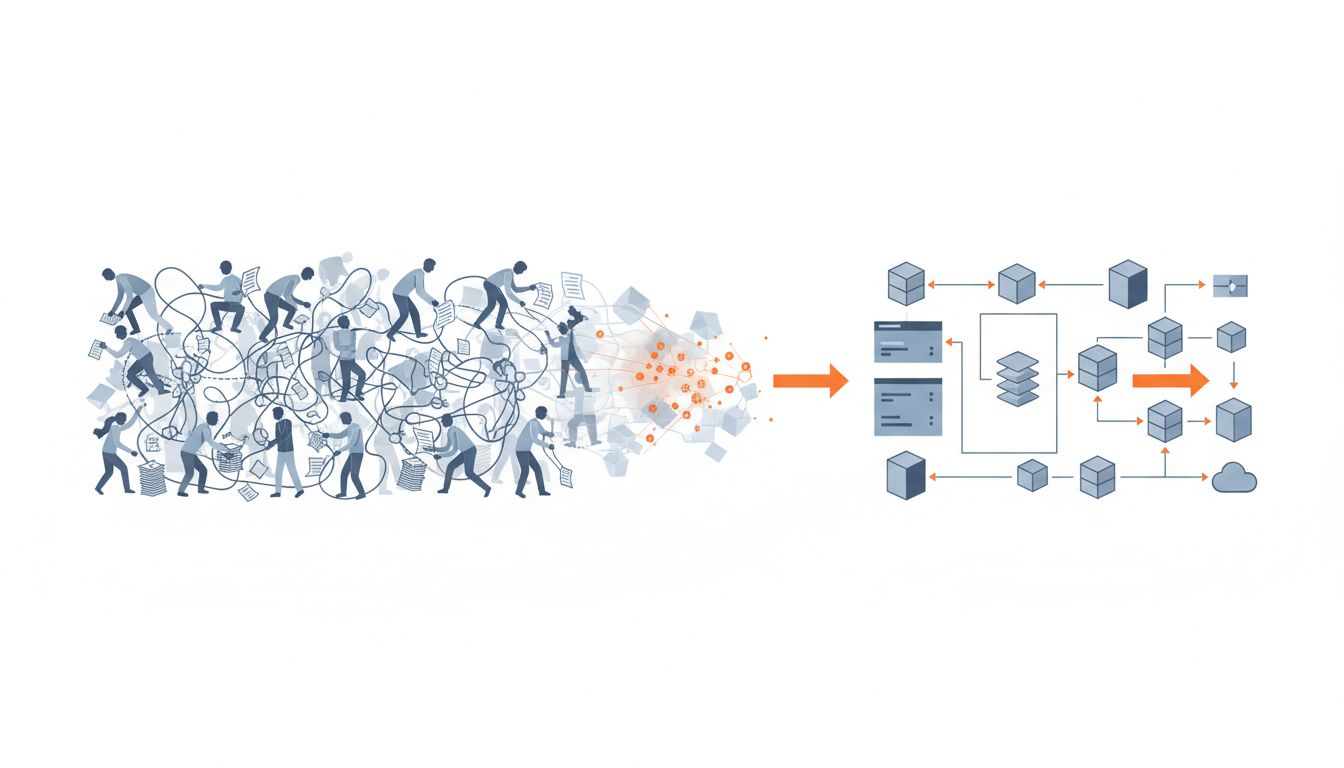
If your fifth hire is someone who hoards information and plays internal politics, they will hire or advocate for people like themselves. They will make it harder for transparent people to thrive. Those transparent people may leave. The ones who stay will adapt. By the time you have fifty employees, you have built an information-hoarding culture, and you probably cannot trace it back to that one hire because you were not looking for the connection.
Organizational behavior researchers have documented this dynamic under various names. The basic mechanism is imprinting: early patterns become the baseline against which everything else is measured. New employees do not ask “what should the culture be here.” They ask “what is the culture here,” and they read it from the people who have been there longest.
This is why fixing a bad hire in the first ten is dramatically more important than fixing a bad hire at employee fifty. The later hire is contained. The earlier one has been teaching.
The credentials trap
Founders under pressure to grow tend to hire for the most legible version of competence: credentials, pedigree, previous company names on a resume. Someone who ran growth at a recognizable consumer brand. Someone who managed engineering at a late-stage startup. These hires look good in board decks.
The problem is that the skills required to thrive at employee count ten are almost orthogonal to the skills required to thrive at employee count two hundred. At ten people, you need someone who can operate without structure, tolerate radical ambiguity, build things that do not yet exist, and still treat their colleagues like human beings under stress. The person who ran growth at a Series D company may have done all their best work inside a machine someone else built.
This is not a knock on experienced operators. It is a recognition that stage fit is a real thing, and ignoring it in your first ten hires is how you end up with a company full of people who keep waiting for the structure that never arrives. The best early engineers are often frighteningly expensive relative to their market comp, but cheap relative to the cost of the wrong ones.
How to actually think about early hiring
There are a few concrete principles that separate founders who get this right from those who do not.
Hire for how people behave under pressure, not how they present. The interview is a performance. The reference check, done properly, is not. Call the references they did not list. Ask specifically about moments of conflict, failure, and uncertainty. How someone behaves when things are going wrong is the only data that matters for an early-stage hire, because things will go wrong constantly.
Treat every early hire as a cultural vote. Hiring someone who is brilliant but corrosive is not a neutral act offset by their output. It is an active vote for a culture that tolerates brilliance and corrosion together. That vote will be counted by everyone watching.
Slow down when you are under pressure to speed up. The worst early hires happen when there is a deadline, a launch, a gap that needs filling immediately. The urgency is real, but the cost of a bad early hire almost always exceeds the cost of the gap. Leaving a role open is an option. Founders forget this.
Be honest about what you are building, not what you wish you were building. Candidates who would be excellent at the company you plan to be in three years are not necessarily excellent for the company you are right now. Your first hundred customers will give you a misleading picture of your future market, and your first ten hires will give you a misleading picture of your future team needs. Hire for now.
Why this matters more now
Small teams can move faster than they ever could before. A ten-person company today can ship product, acquire customers, and operate infrastructure that would have required a hundred people a decade ago. That is genuinely good news for founders. The implication, though, is that your first ten hires are carrying more weight per person than ever. Each one is doing the work of multiple roles. Each one is setting behavioral norms across a proportionally larger surface area of the company.
This cuts against the instinct to hire fast and fix later. The fixing is harder than it looks. Culture change at a company that has scaled, but scaled wrong, is one of the most expensive and painful things a leadership team can attempt. Most do not succeed. The ones who do spend years on it.
You will make mistakes in your early hiring. Everyone does. The goal is not perfection. It is to take the decision seriously enough that your mistakes are recoverable ones, not the kind that become your company’s permanent operating system.