Technology
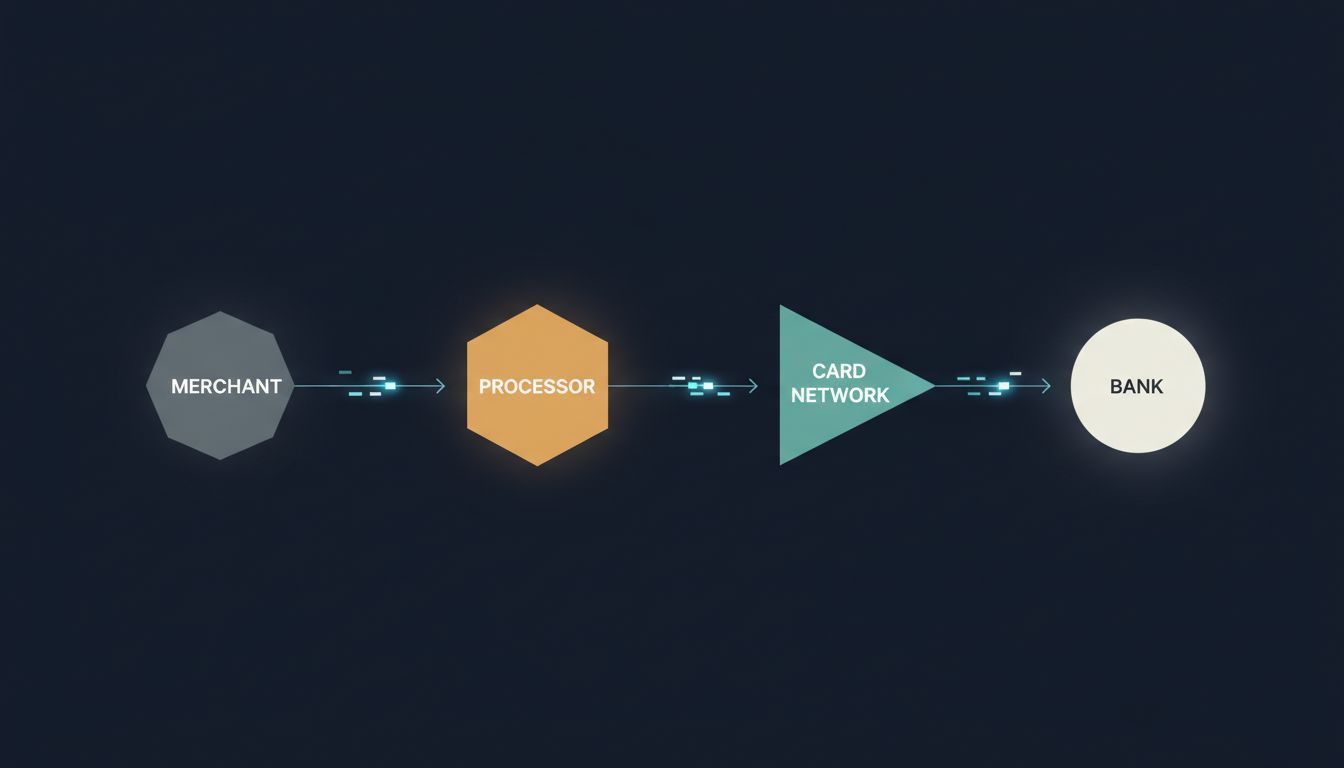
What Actually Happens Between Clicking Pay and Bank Approval
Your payment clears in under two seconds. The chain of systems that makes that possible is older, stranger, and more fragile than you'd expect.

Alex Nakamura writes about the intersection of technology and business economics. With a background in financial analysis and tech industry research, Alex breaks down the numbers behind the headlines, explaining why tech companies make the strategic bets they do.
Your payment clears in under two seconds. The chain of systems that makes that possible is older, stranger, and more fragile than you'd expect.
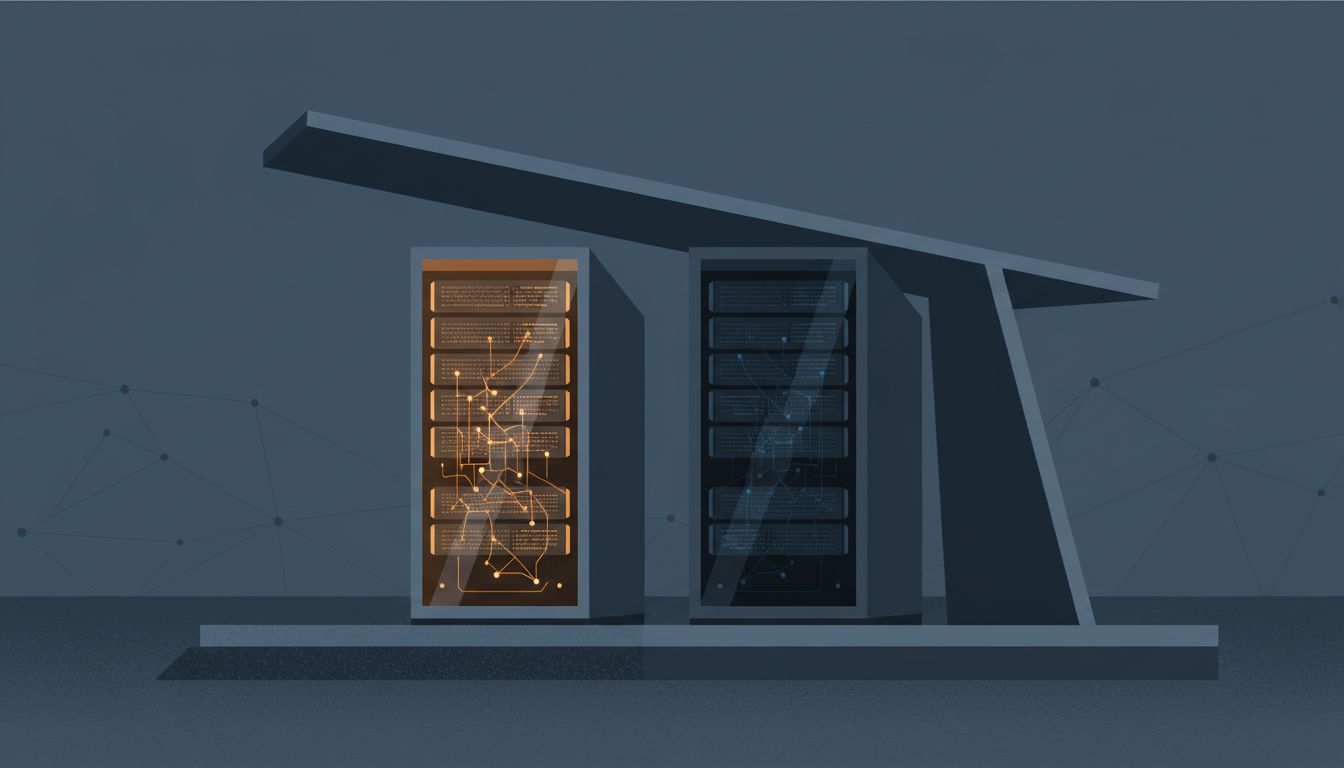
Standby servers, hot spares, and failover nodes sit idle for months. That idleness is exactly what makes them worth more than the machines doing actual work.
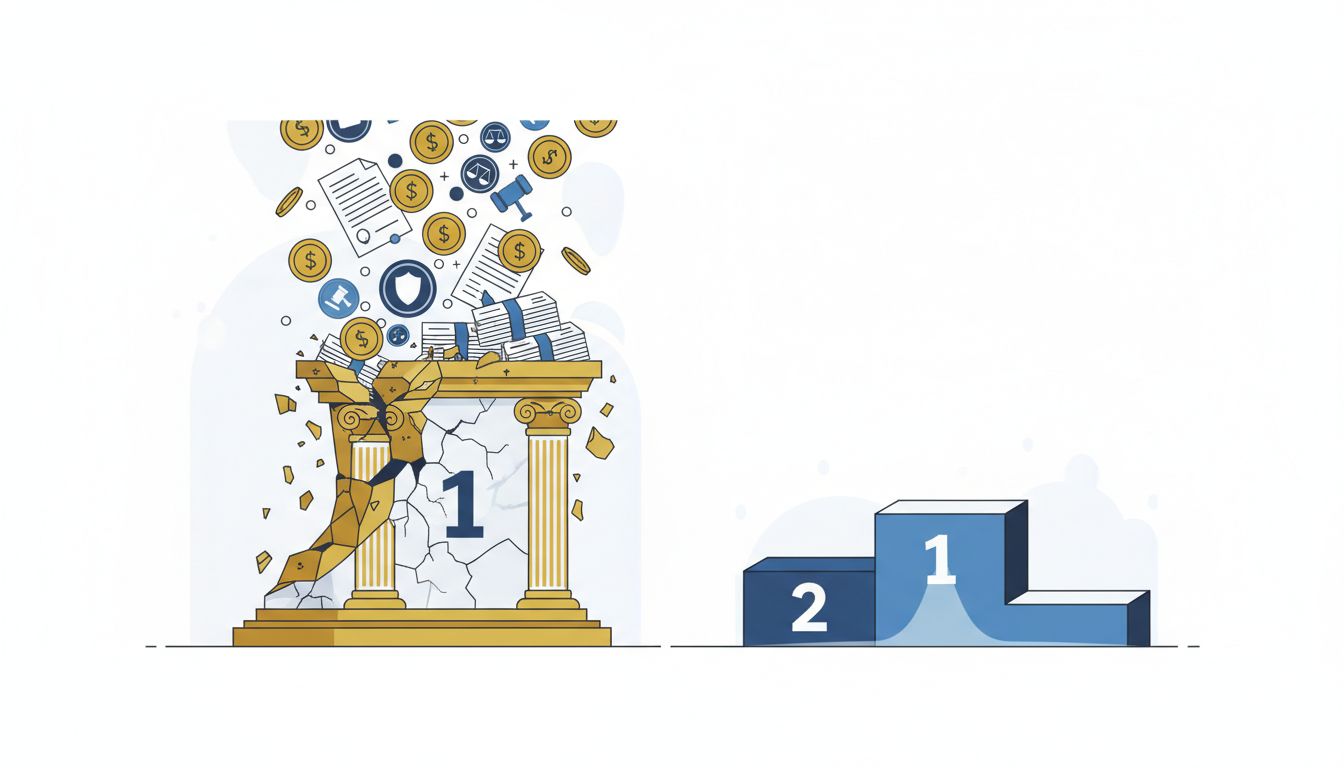
Market leaders in tech burn capital defending their position. The company just behind them often keeps more money, faces fewer regulators, and builds more durable margins.
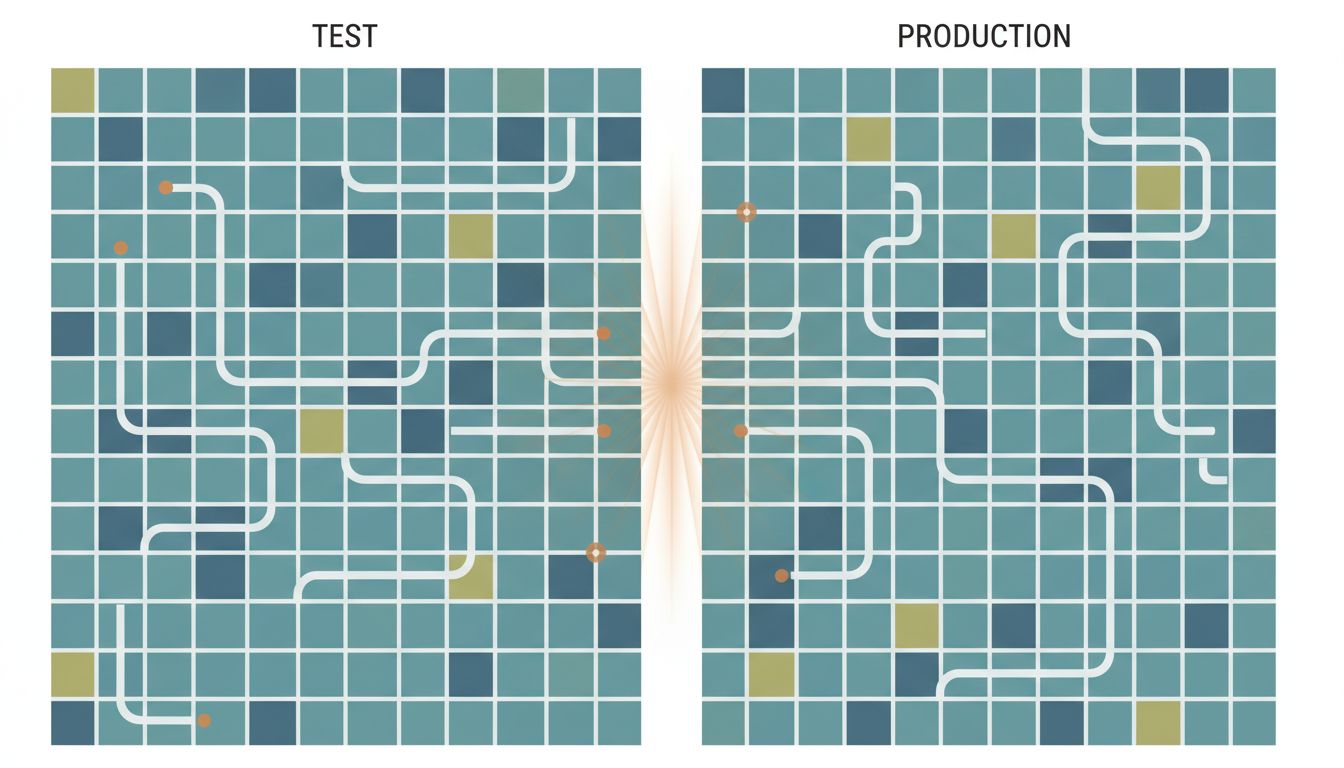
When a bug surfaces in production but not in testing, the natural response is to fix the bug. The real problem is what that bug reveals about your test suite.

Your CPU can only do one thing at a time. Everything else is an elaborate, carefully coordinated illusion — and the machinery behind it explains most of the bugs that are hardest to fix.

The internet was designed to survive nuclear strikes. The protocol that makes this work is more elegant than most engineers realize.
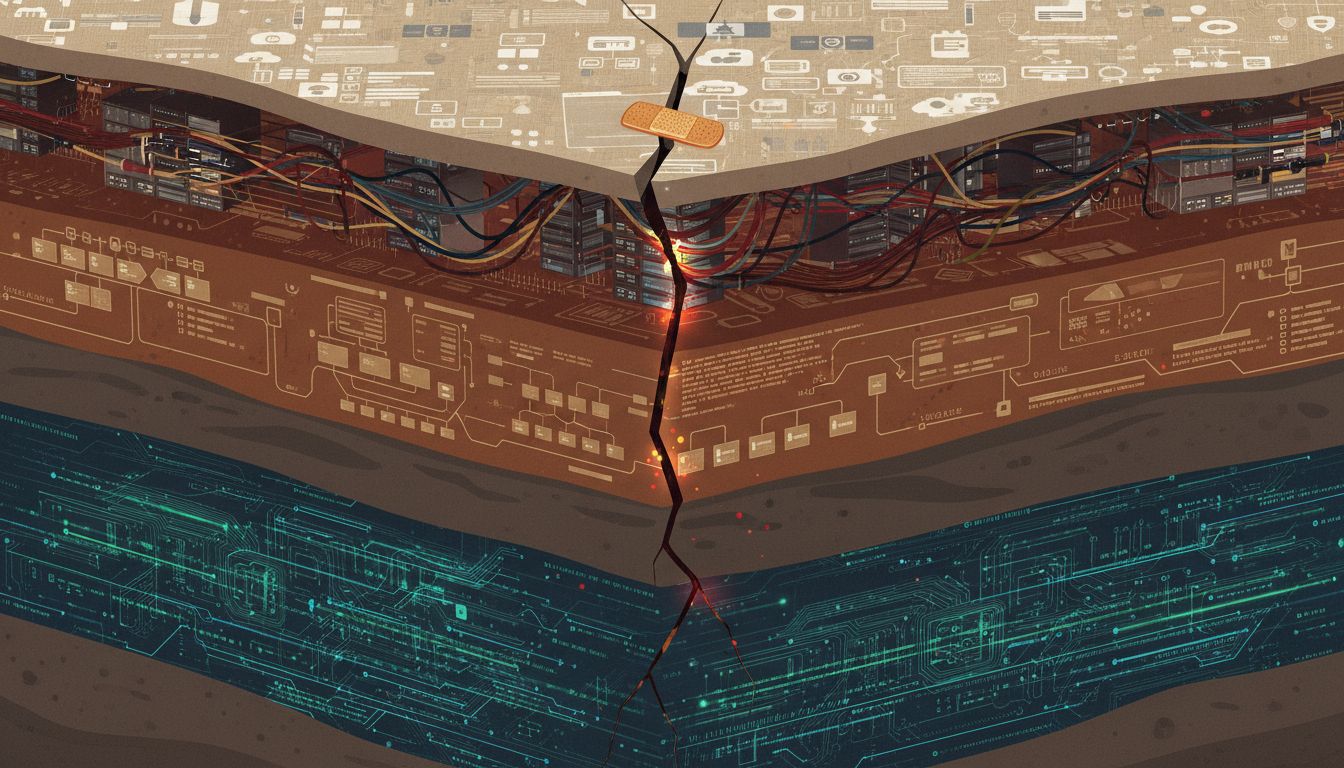
When Knight Capital lost $440 million in 45 minutes, the bug got fixed. The organizational conditions that created it went largely unexamined.
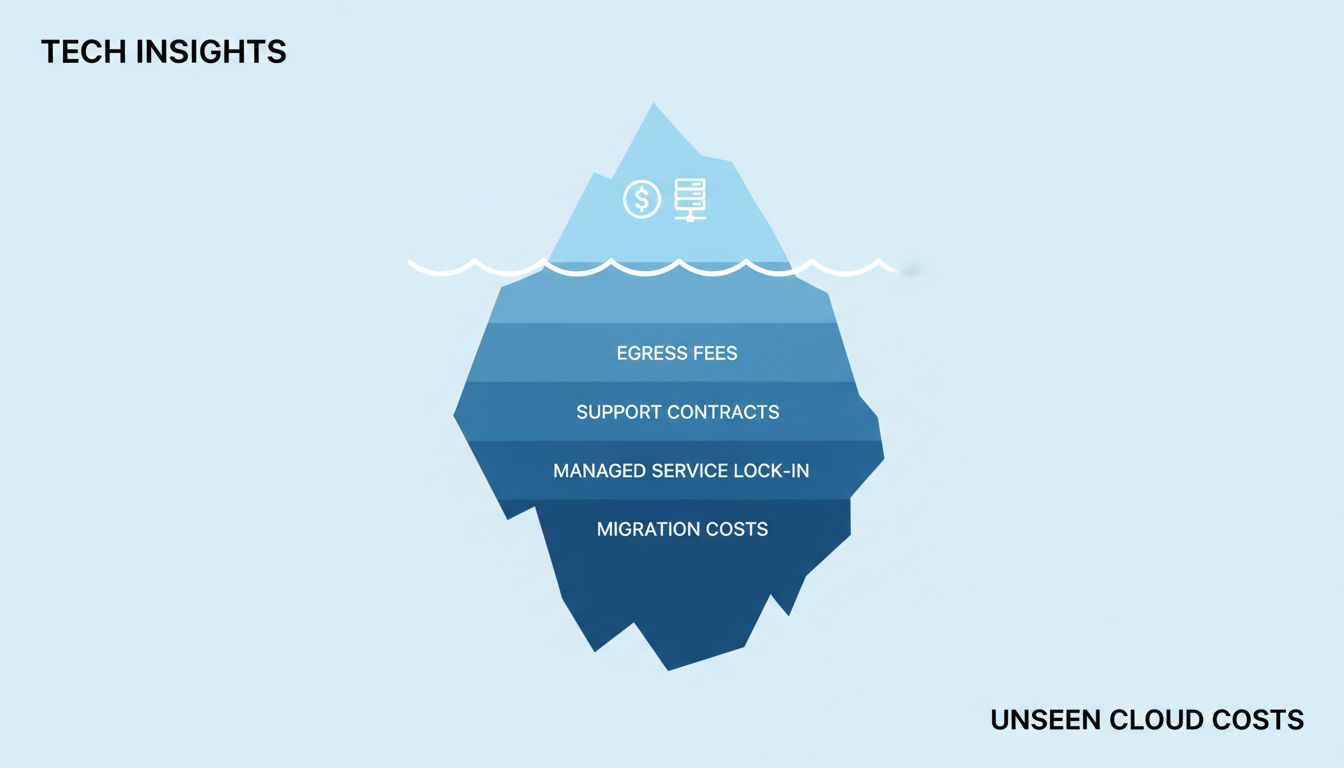
List price is the least important number in a cloud contract. The real costs emerge after you've already built everything around one provider.
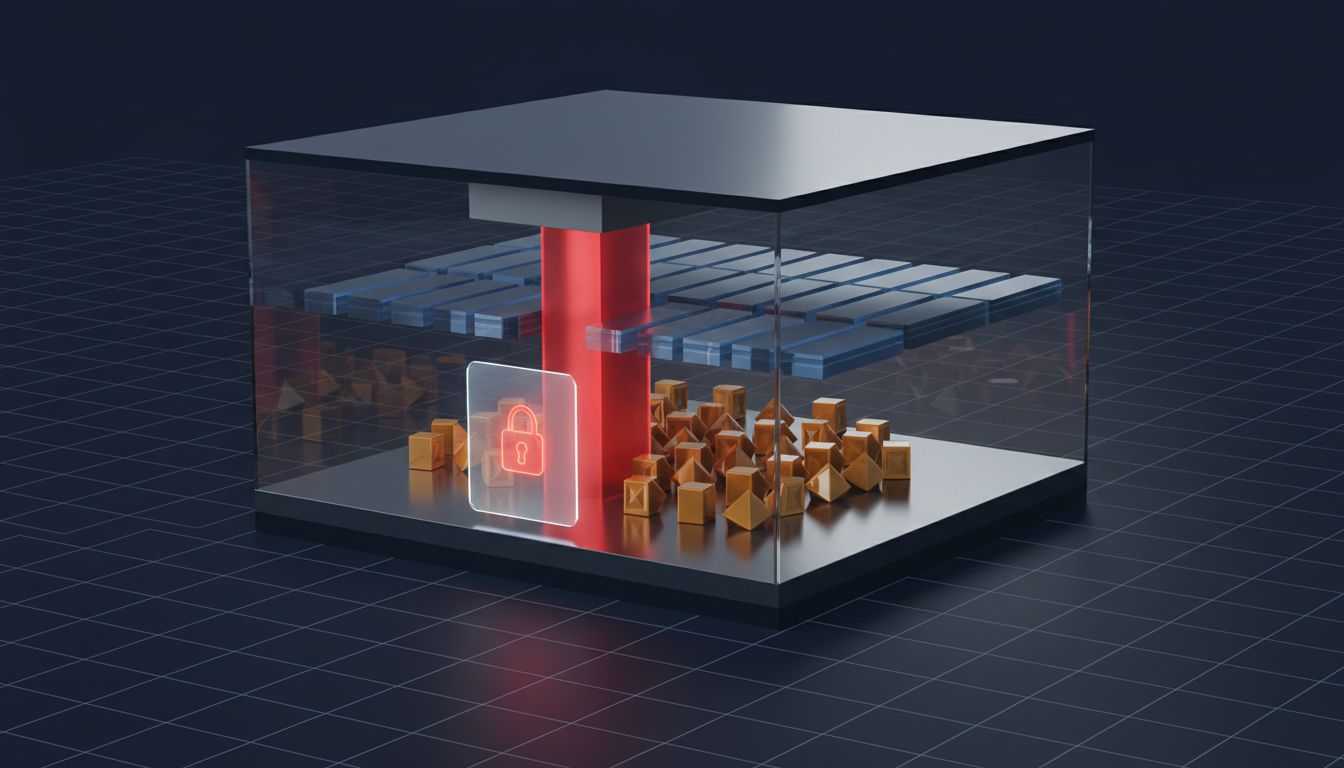
Dropping a column sounds trivial. On a large production table, it can freeze your entire application. Here's what's actually happening inside the database.

Winning a market and profiting from it are different things. The economics almost always favor the runner-up.

One developer, one library, and a wake-up call that exposed how the tech industry builds billion-dollar products on infrastructure no one is paid to maintain.
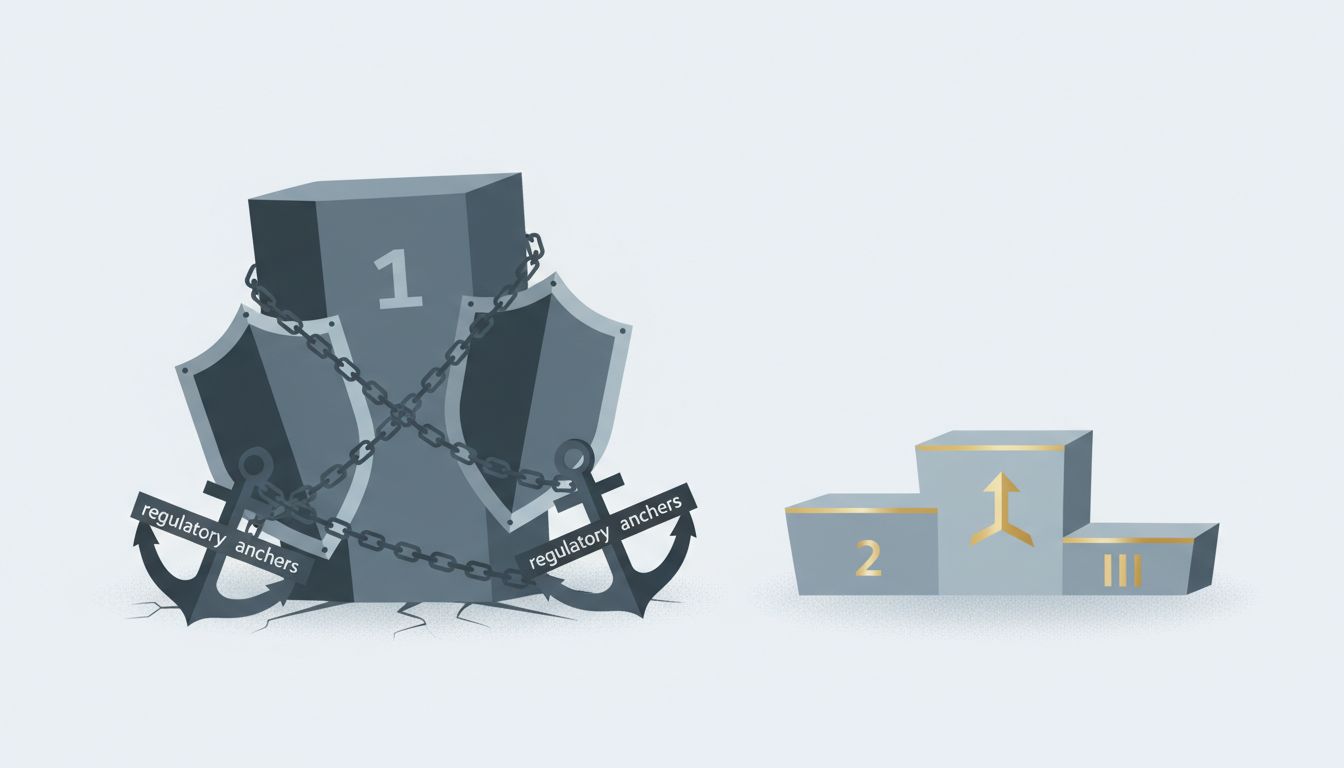
Market leaders spend enormous resources winning dominance. Their closest rivals collect the profits. Here's the structural reason why.
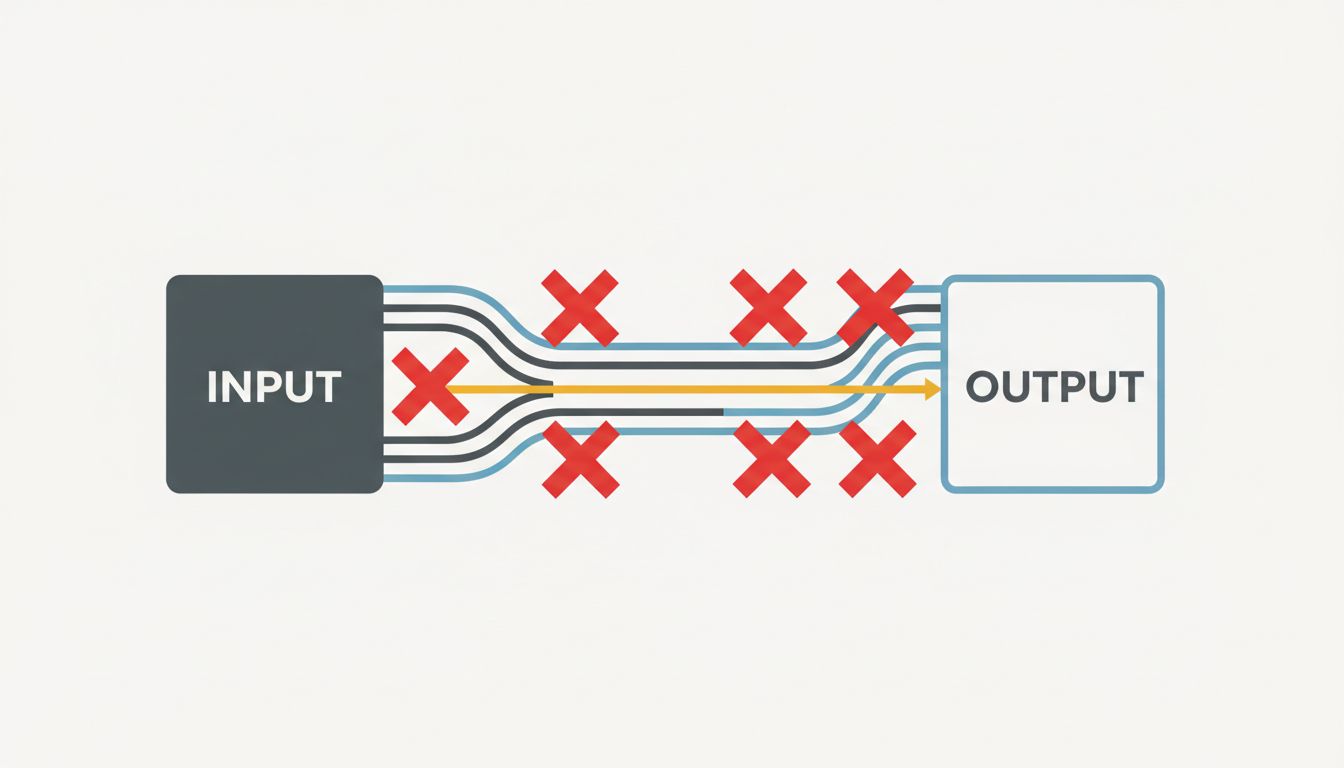
Speed rarely comes from faster hardware or smarter algorithms. It comes from eliminating work the program never needed to do in the first place.

Forgotten code written by engineers who retired decades ago is quietly keeping hospitals, power grids, and financial systems alive. That should worry everyone.
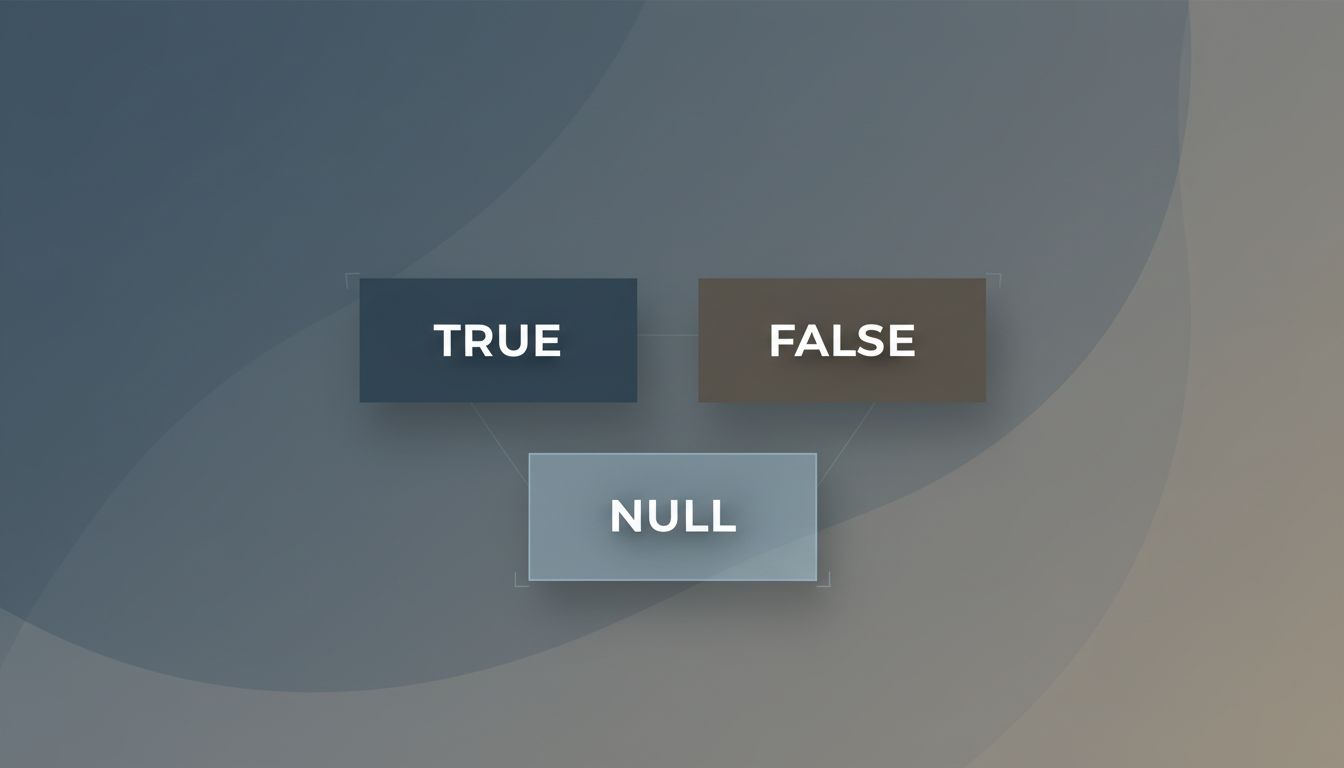
Null means unknown. Zero means zero. Confusing them is one of the most common and expensive bugs in production databases.
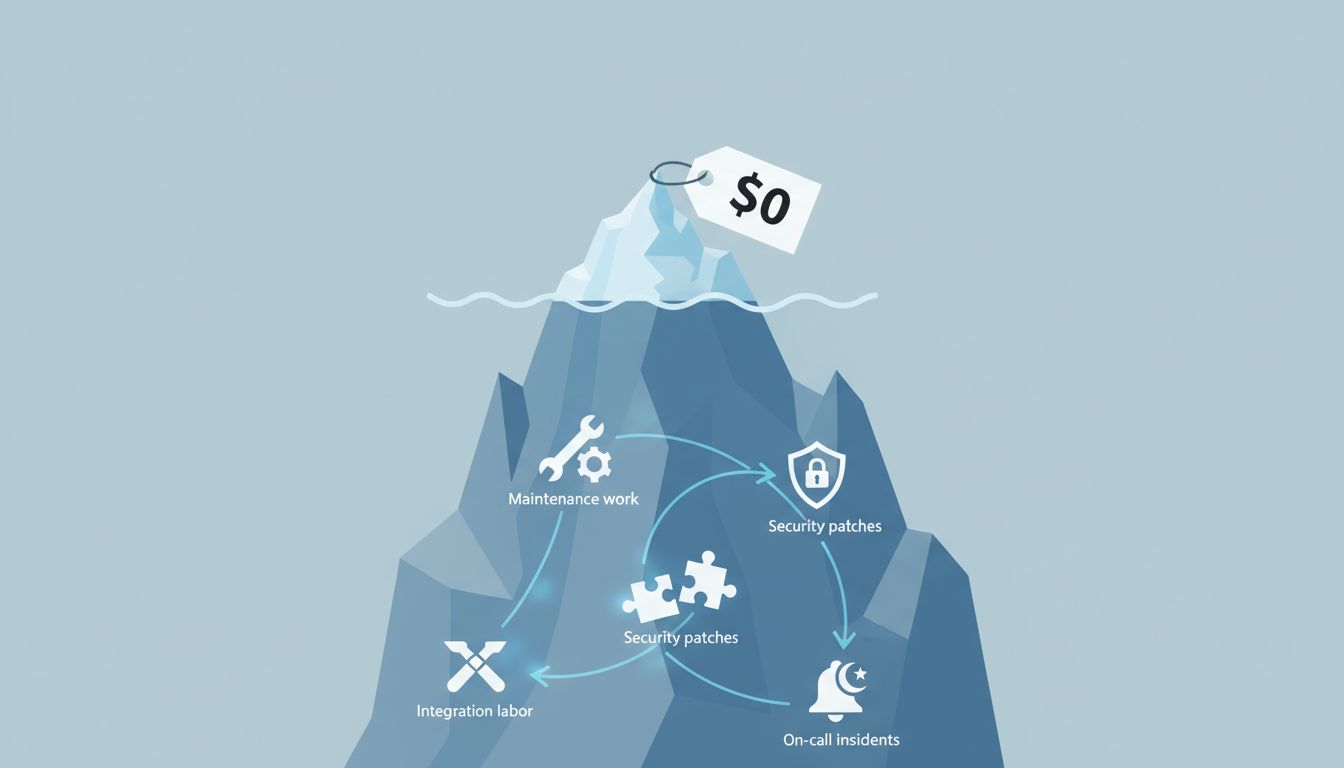
The download costs nothing. The total cost of ownership is a different conversation entirely.
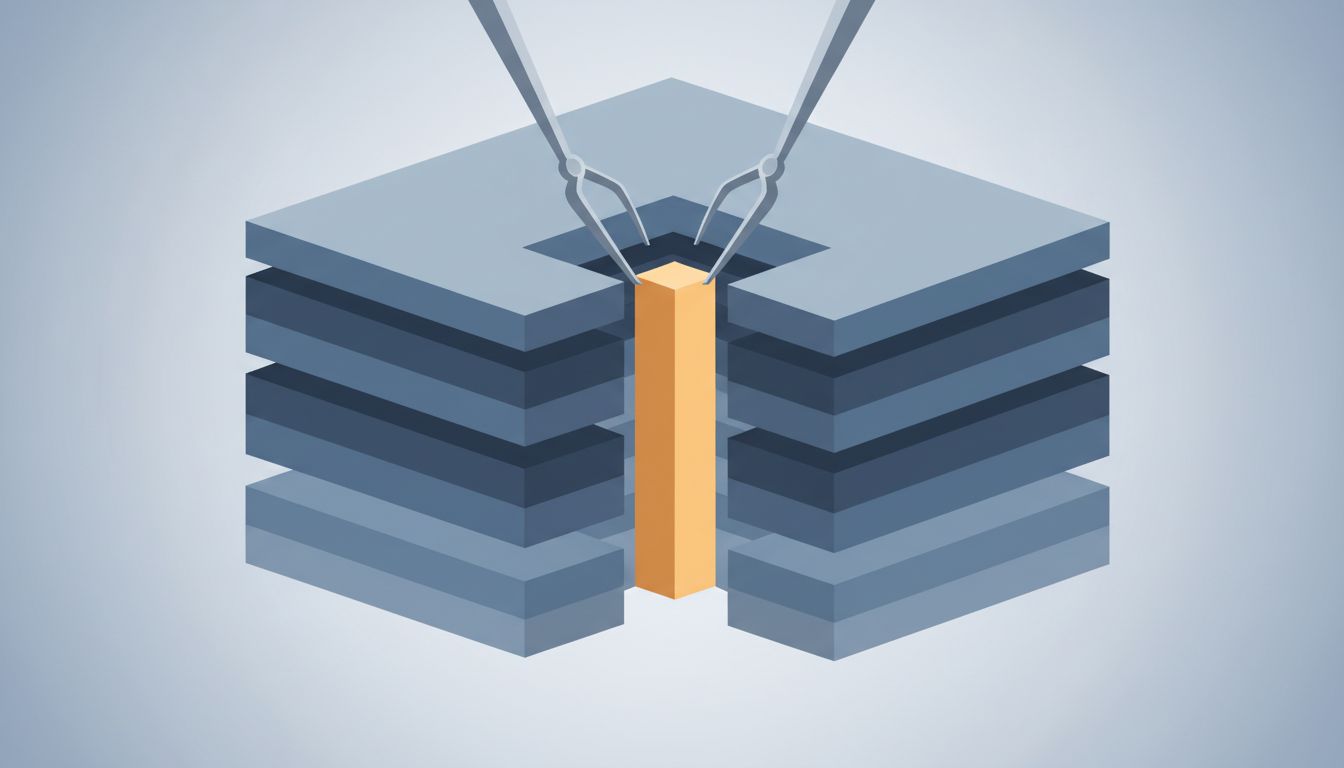
A column drop looks like a single command. In production, it can take down your app, corrupt your data, or lock your table for hours. Here's why.

The software industry has built a trillion-dollar economy on volunteer labor. That's not a model. It's a debt that keeps growing.
Join thousands of readers who get our weekly breakdown of the most important stories in technology.
Free forever. Unsubscribe anytime.