
Technology
What Actually Happens Inside a CPU When Code Runs
Your code doesn't run the way you wrote it. Modern CPUs reorder, speculate, and parallelize instructions in ways most programmers never see.

Alex Nakamura writes about the intersection of technology and business economics. With a background in financial analysis and tech industry research, Alex breaks down the numbers behind the headlines, explaining why tech companies make the strategic bets they do.
Your code doesn't run the way you wrote it. Modern CPUs reorder, speculate, and parallelize instructions in ways most programmers never see.
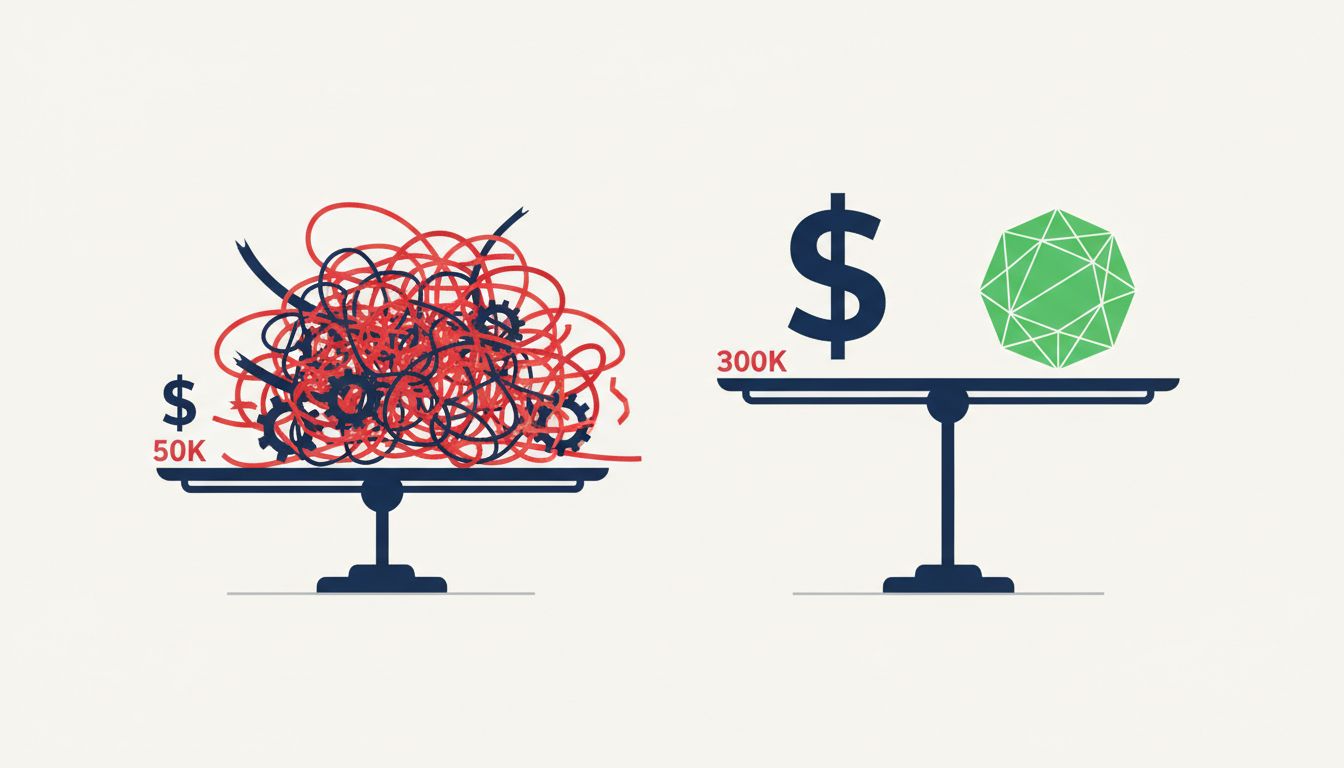
Hiring the lower-salary engineer feels like saving money. The math usually says otherwise.
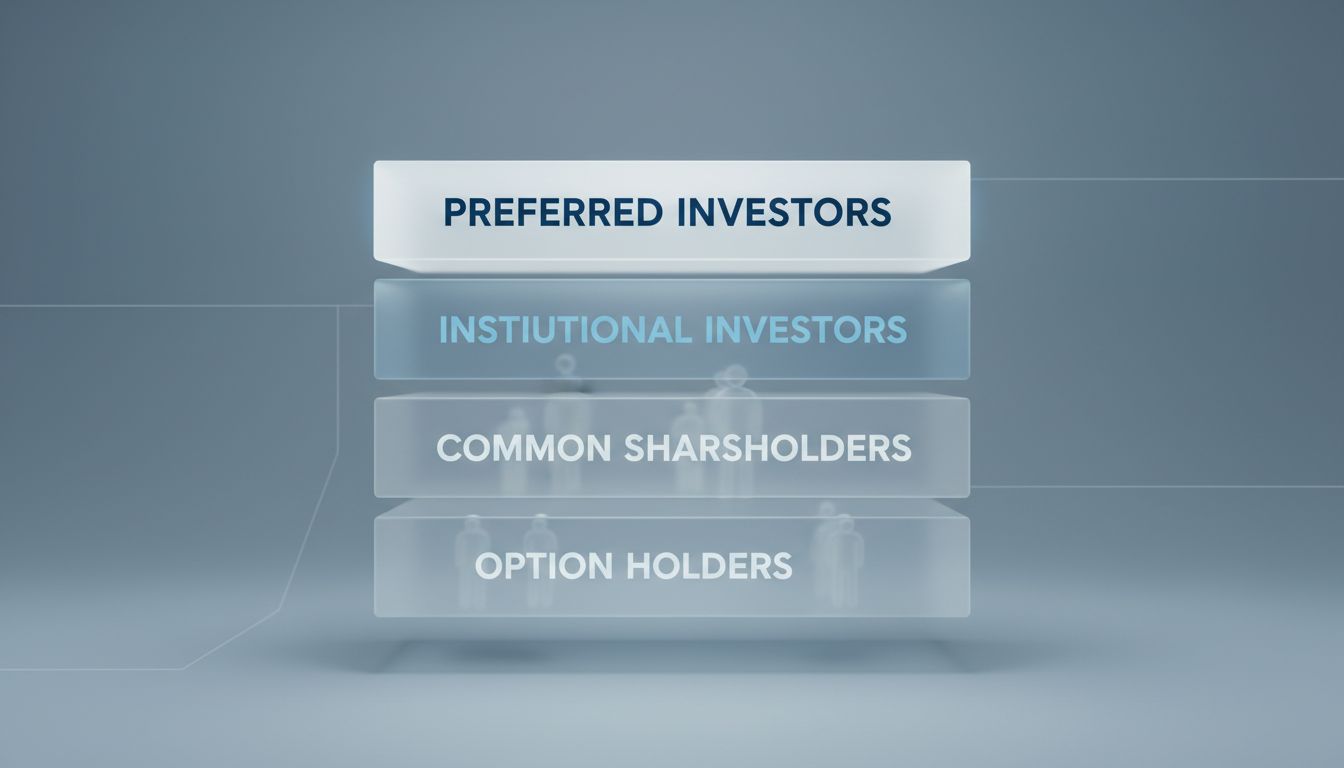
Acqui-hires are structured to reward the acquiring company, not the startup's shareholders. Here's what actually happens to your stake.

Being first earns you a footnote. Being second, with better timing and someone else's proof of concept, often earns you the market.

Heisenbugs aren't just annoying edge cases. They expose a fundamental flaw in how we think about software correctness.
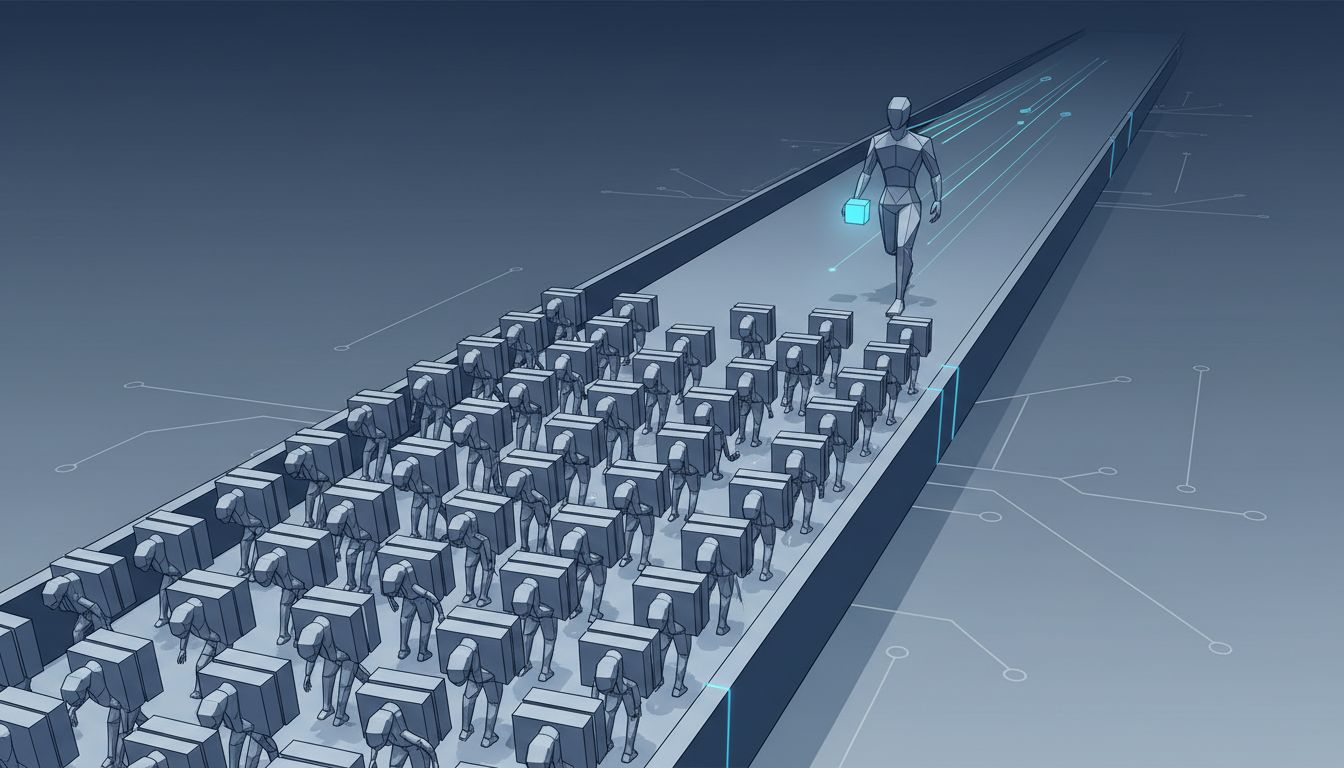
AMD spent years losing the CPU war. Then it became one of the most profitable chip companies on the planet. The math behind why second place wins.

The engineers who maintain legacy systems earn more than those building greenfield projects. This isn't a market inefficiency. It's the market working correctly.
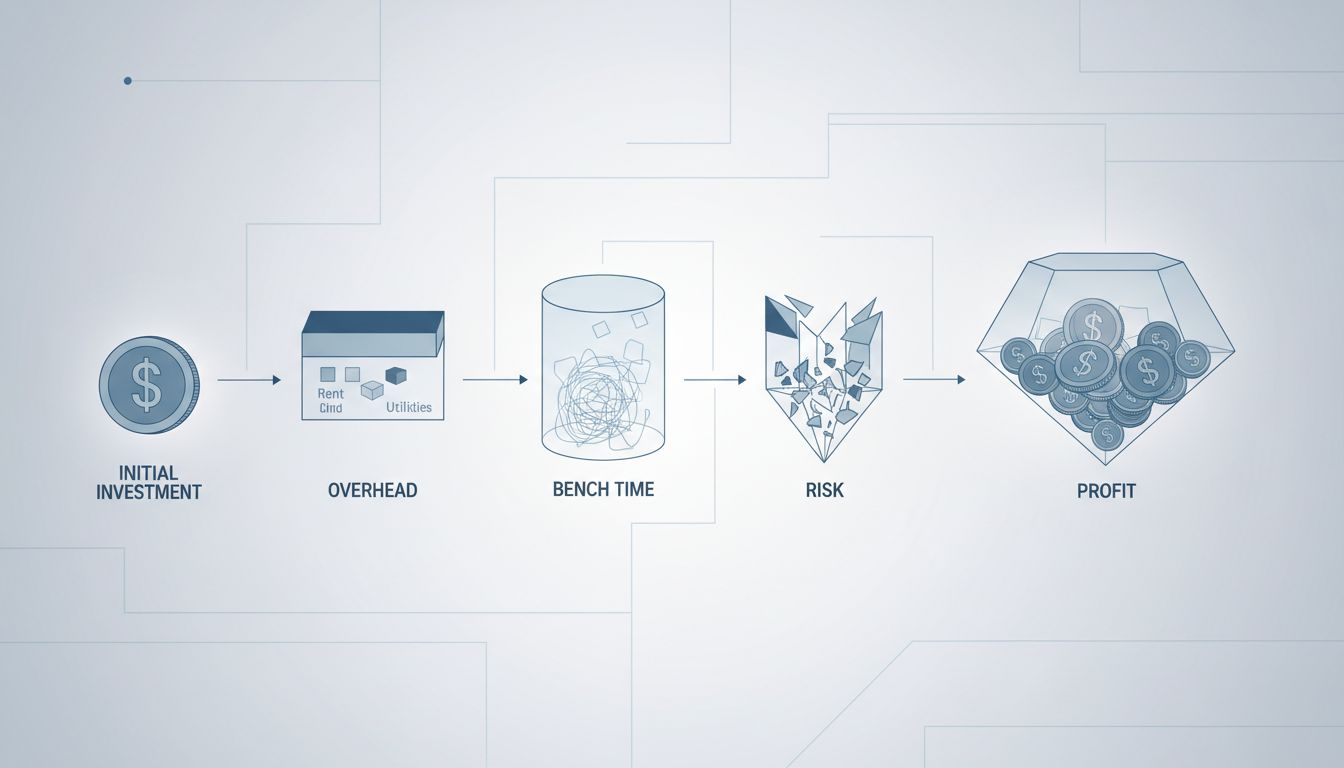
Clients pay six times what a junior engineer earns per hour. That gap isn't greed or inefficiency. It's a rational pricing structure most people misread.

Your data is probably encrypted. It's also probably readable by anyone who wants it. These two facts are not contradictions.
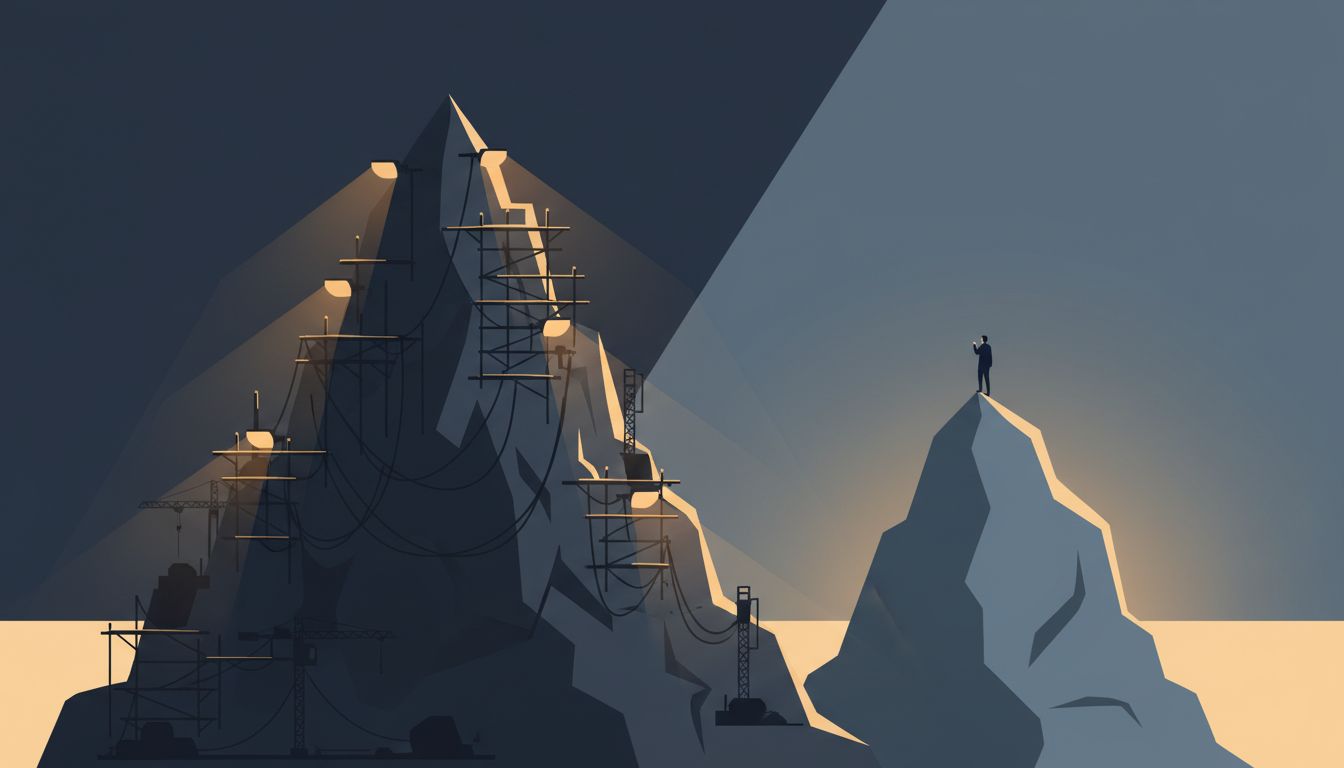
Market leadership sounds like a financial win. The economics behind it often tell a different story.

The quietest machines in your infrastructure are often load balancers, proxies, and health checkers. They process almost nothing, yet everything depends on them.
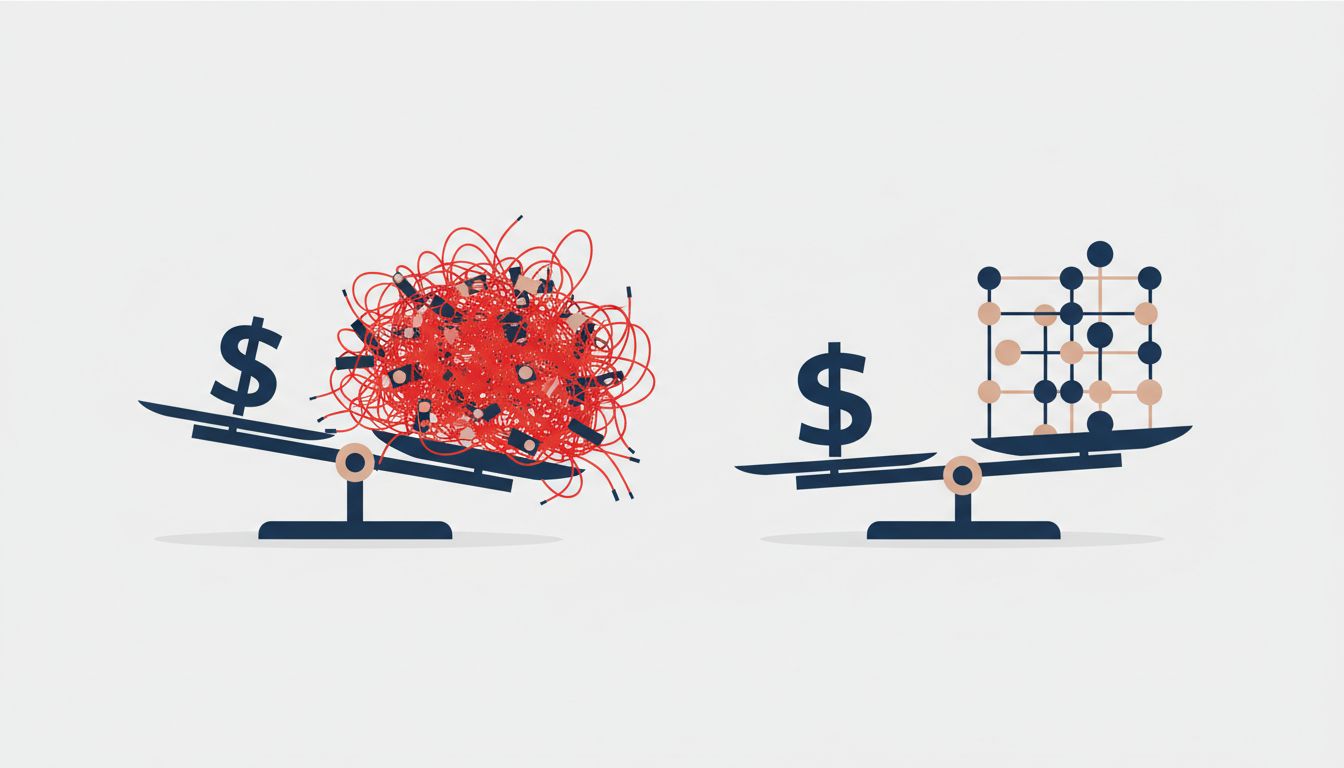
A senior engineer costs three times as much as a junior one. At one fintech startup, the math worked out decisively in the expensive hire's favor.
Every time you type a URL, your computer asks a chain of servers it has never vetted and accepts their answers on faith. That's not a bug. It's the design.
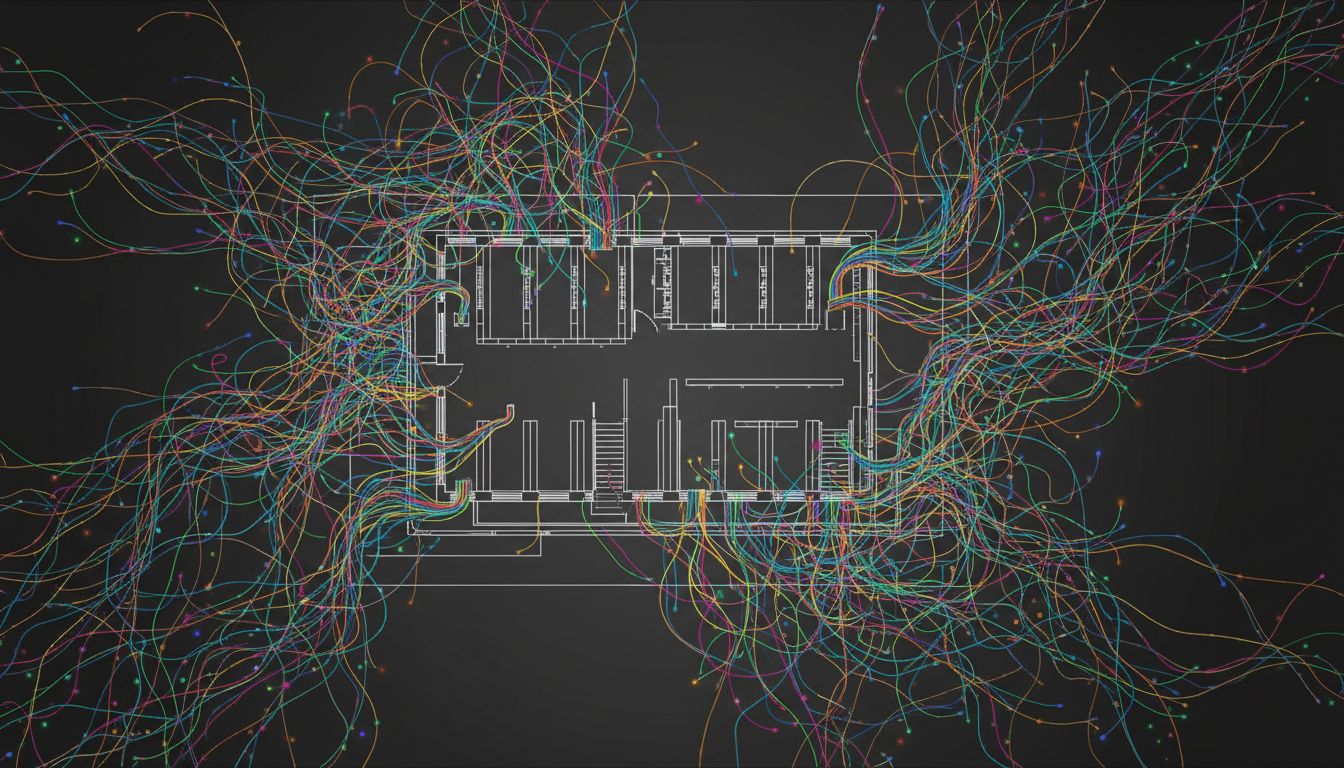
Adding a feature takes weeks. Removing one can take years. The asymmetry isn't a bug in how software teams work — it's a structural feature of how software ages.

A team at Discord discovered their p99 latency was 10x worse than their dashboards showed. The problem wasn't their servers. It was how they were measuring.
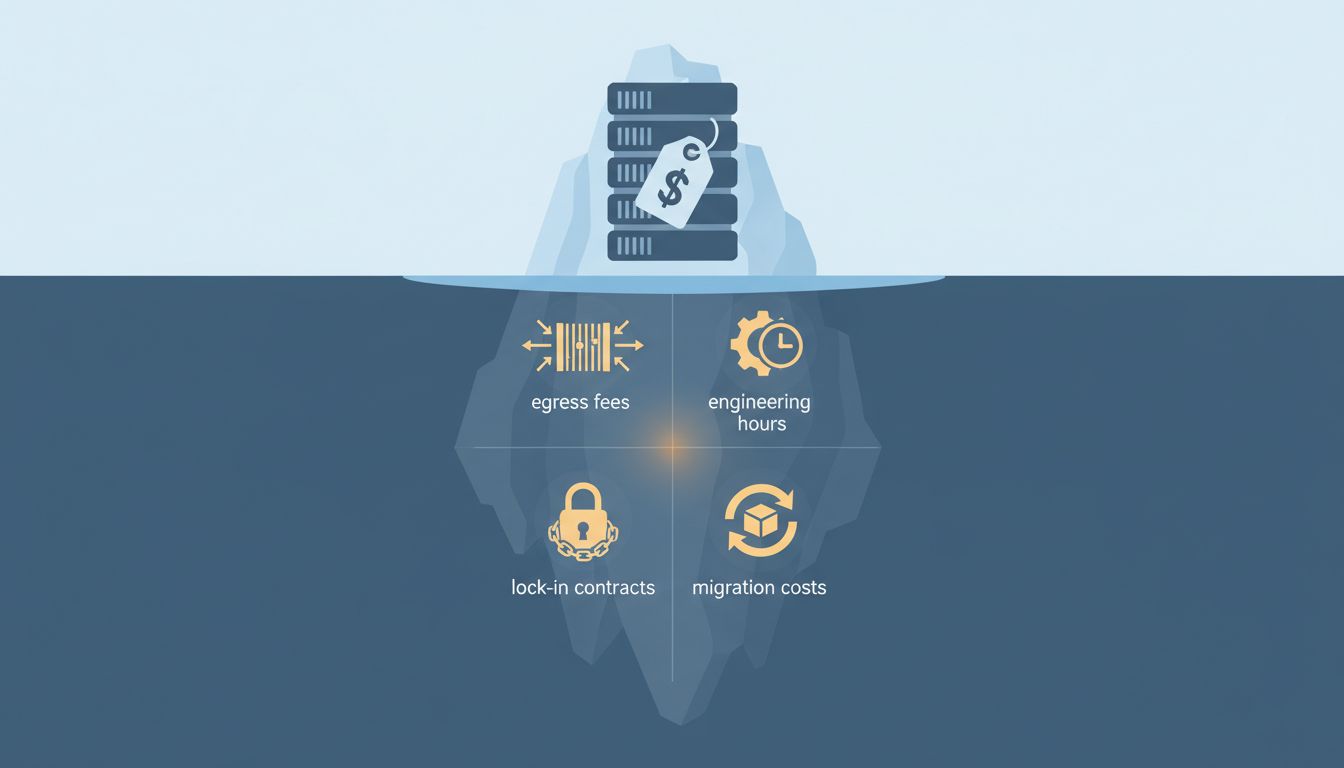
The sticker price on cloud compute is almost never what you actually pay. Here's what gets added after you sign up.

Your for loop isn't a single instruction. It's a negotiation between compiler, silicon, and memory hierarchy that most code never wins cleanly.

The protocol routing all internet traffic was built on the assumption that network operators would behave. Most do. The ones who don't cause global outages.
Join thousands of readers who get our weekly breakdown of the most important stories in technology.
Free forever. Unsubscribe anytime.